How High Can a Horse Jump? Records, Training, and Techniques Explained
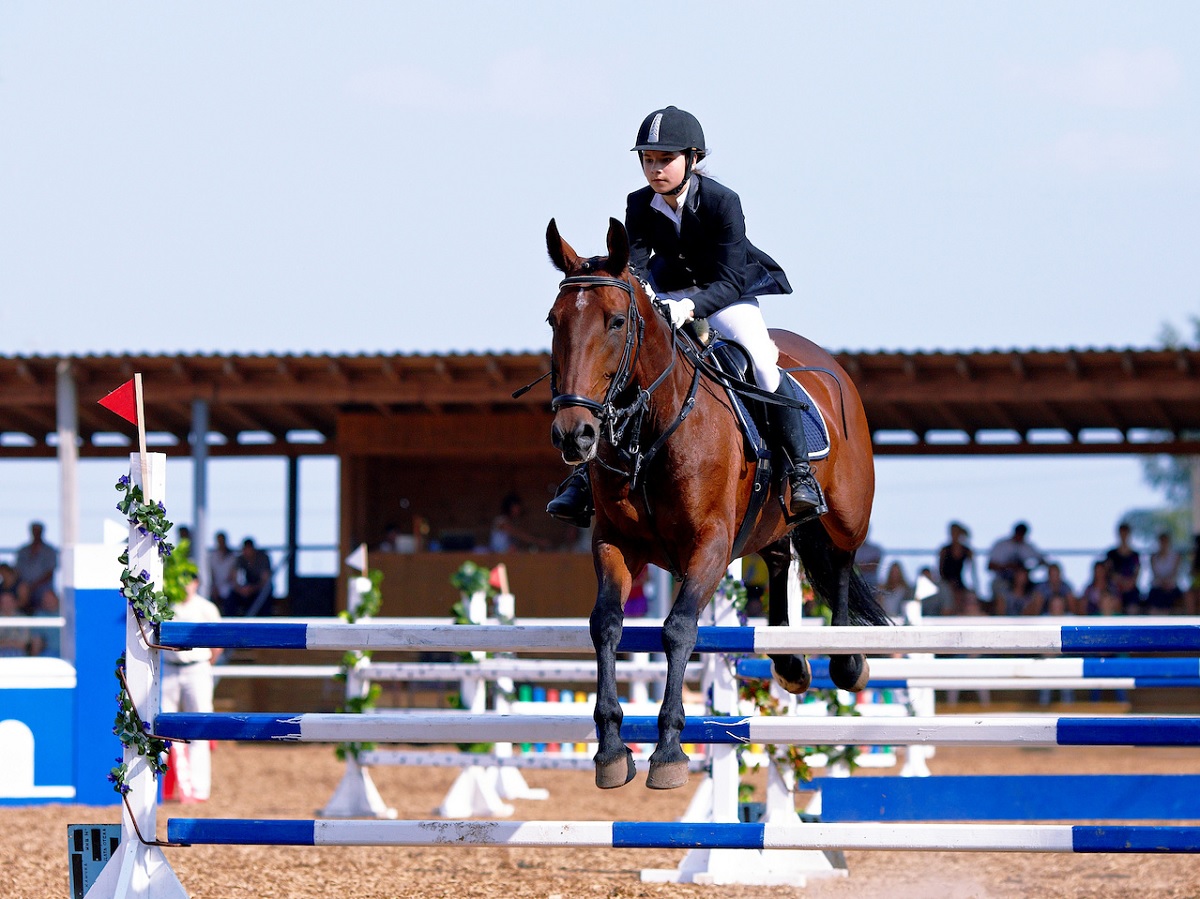
Jumping is one of the most thrilling and visually impressive aspects of horse riding, showcasing the incredible strength, agility, and training of the animal. Riders and enthusiasts alike are often fascinated by the physical capabilities of horses, particularly when it comes to clearing obstacles of impressive heights. The sport requires a combination of technique, timing, and mutual trust between horse and rider.
Understanding how high a horse can jump involves exploring factors such as breed, training, physical fitness, and experience. Some horses excel naturally in jumping due to conformation and athleticism, while others reach high levels through consistent training and conditioning.
Jumping performance also depends on the approach, stride, and confidence of the horse. A well-prepared horse can use its hindquarters and balance effectively to clear significant heights safely.
Knowing how high a horse can jump not only fascinates enthusiasts but also guides training goals, competition preparation, and safety measures for both horse and rider.
Factors Affecting Jumping Height
The height a horse can jump is influenced by several physical, genetic, and environmental factors. Understanding these variables is essential for riders, trainers, and enthusiasts to set realistic goals, design proper training programs, and ensure the safety and well-being of the horse. Jumping ability depends not only on strength but also on technique, confidence, and overall health.
Breed and Conformation
A horse’s breed and conformation play a significant role in determining its natural jumping ability. Certain breeds, such as Warmbloods, Thoroughbreds, and Irish Sport Horses, are genetically predisposed to excel in jumping due to their muscular build, strong hindquarters, and athleticism.
Conformation, which refers to the horse’s physical structure, affects the efficiency of movement. A horse with strong hindquarters, a well-proportioned body, and good shoulder angles can generate greater lift and maintain better balance during jumps. Conversely, poor conformation may limit height, increase the risk of injury, and require specialized training adjustments. Breeding programs for jumping horses often prioritize traits that enhance strength, agility, and scope, creating lines of horses capable of impressive jumps.
Understanding breed and conformation helps riders and trainers select suitable horses for jumping disciplines and tailor training programs to optimize performance while minimizing risk.
Age and Physical Fitness
A horse’s age and level of physical fitness are critical factors affecting jumping height. Young horses may have natural energy but lack muscle development, coordination, and technique needed for high jumps. Similarly, older horses might experience decreased strength or joint stiffness, limiting their maximum jumping ability.
Physical conditioning plays a vital role in enhancing strength, stamina, and flexibility. Exercises targeting the hindquarters, core, and shoulders improve propulsion and lift. Cardiovascular conditioning ensures the horse maintains energy during training or competitions. A fit, healthy horse can achieve higher jumps with reduced risk of injury compared to an unconditioned horse.
Monitoring age-appropriate training and gradually increasing difficulty ensures the horse develops strength safely. Proper nutrition, rest, and veterinary care also support physical fitness, allowing the horse to reach its full jumping potential at different life stages.
Training and Technique
Proper training and jumping technique are essential for maximizing a horse’s height. Training involves gradually increasing obstacle difficulty, refining approach, take-off, and landing, and building confidence over various jumps. Experienced riders guide the horse to use its body efficiently, engaging hindquarters and maintaining balance throughout the jump.
Technique includes timing, stride regulation, and positioning. The horse must approach the obstacle at the correct speed and rhythm, lift its forelegs effectively, and push off with its hindquarters to clear higher jumps safely. Consistent practice develops muscle memory, coordination, and confidence, all of which influence achievable height.
Trainers also focus on rider-horse communication, ensuring subtle cues are understood. A horse that trusts its rider can attempt higher jumps more confidently, highlighting the importance of combined skill, technique, and mental preparation.
Mental Attitude and Confidence
A horse’s mental attitude and confidence significantly affect jumping performance. Hesitant or nervous horses are less likely to approach obstacles aggressively, limiting their height. Confidence is built through positive reinforcement, consistent training, and exposure to various obstacles.
Riders can help the horse develop trust and focus by maintaining calm guidance, rewarding successful jumps, and gradually increasing difficulty. Horses that feel secure with their rider are more willing to use their athletic ability fully. Conversely, fear or anxiety can result in refusals, poor take-off, or unsafe jumps, which may decrease height and increase injury risk.
Mental conditioning often goes hand-in-hand with physical training. Horses trained to remain calm under pressure, maintain rhythm, and respond promptly to cues achieve higher and safer jumps consistently. Confidence and a positive mindset are therefore essential complements to physical strength and technique.
Health and Nutrition
Overall health and nutrition impact a horse’s jumping capability. Strong bones, joints, and muscles are necessary to handle the forces generated during take-off and landing. Proper nutrition, including adequate protein, vitamins, and minerals, supports muscle development, bone density, and energy levels.
Regular veterinary care, including joint support, dental checks, and parasite control, ensures the horse can train and compete safely. Any underlying health issues, such as lameness, stiffness, or metabolic problems, can reduce jumping height and increase the risk of injury.
Balanced nutrition and preventive healthcare help maintain peak physical condition. Combining this with appropriate training and rest allows the horse to achieve maximum performance while safeguarding long-term health, ultimately enhancing jumping potential and longevity in the sport.
Average Jumping Heights by Horse Type
Horses vary greatly in their jumping abilities depending on breed, conformation, and training. Understanding the average jumping heights by horse type can help riders, trainers, and enthusiasts set realistic goals and select the right horse for jumping disciplines. While training and technique play a major role, inherent physical traits of each type influence maximum performance and potential.
Warmbloods
Warmbloods are among the most popular breeds for show jumping and competitive dressage due to their athleticism, strength, and scope. On average, Warmbloods can clear jumps ranging from 1.2 to 1.6 meters (approximately 4 to 5.2 feet) in standard competition settings. Exceptional individuals trained for international events can exceed 2 meters (over 6.5 feet).
Their muscular hindquarters, long legs, and strong back structure provide the propulsion necessary for high jumps, while their calm temperament allows focus under pressure. Warmbloods’ balance and rhythm make them ideal for both stadium and cross-country courses. Regular conditioning, technique training, and proper nutrition enable these horses to achieve consistent performance while reducing injury risk.
Breeders often select for traits that maximize jumping potential, and trainers capitalize on their natural athleticism to develop horses capable of reaching impressive heights in both amateur and professional competitions.
Thoroughbreds
Thoroughbreds, known for their speed and endurance, are also capable jumpers. While primarily bred for racing, many Thoroughbreds transition to show jumping or eventing successfully. On average, Thoroughbreds can jump between 1.0 to 1.4 meters (3.3 to 4.6 feet), with highly trained individuals reaching 1.6 meters (over 5 feet).
Their lean, long-legged build allows for a quick approach to jumps and agile take-offs, but careful conditioning is essential to prevent fatigue or injury. Thoroughbreds excel in courses requiring speed and accuracy, such as eventing cross-country or stadium jumping. Proper training ensures that their stamina and athleticism are fully utilized while maintaining safe and consistent jumping technique.
Thoroughbreds’ mental focus and willingness to learn play a significant role in their success. With experienced riders and structured training programs, they can develop into high-performing jumpers capable of competitive heights.
Irish Sport Horses
Irish Sport Horses are highly regarded for their versatility, strength, and scope in jumping disciplines. On average, they clear jumps ranging from 1.2 to 1.5 meters (approximately 4 to 4.9 feet), with elite competitors reaching over 1.7 meters (5.5 feet). Their balanced conformation and strong hindquarters allow effective engagement and lift over obstacles.
Irish Sport Horses combine strength with agility, enabling precise landings and smooth approaches. They are often used in show jumping, eventing, and cross-country competitions. Consistent training and muscle conditioning enhance their natural abilities, ensuring they maintain rhythm, suppleness, and confidence while attempting higher jumps.
Their temperament is typically willing and trainable, making them suitable for riders seeking reliable performance across different courses and disciplines. With careful selection, these horses can excel in both amateur and international competitive settings.
Ponies and Smaller Breeds
Ponies and smaller breeds, while not typically competing at international jumping levels, are capable of impressive heights relative to their size. Average jumping heights for ponies range from 0.6 to 1.0 meters (approximately 2 to 3.3 feet), depending on the breed and training. Exceptional individuals can exceed these heights in competitions such as pony jumping classes.
Their compact build allows agility and quick recovery after landings, making them ideal for younger riders or beginner competitions. Regular practice, conditioning, and obstacle exposure improve technique and confidence, enabling ponies to maximize their natural jumping potential.
Smaller breeds are often used in local competitions, training programs, and recreational jumping. With proper guidance, they develop strength, rhythm, and skill that enable them to perform challenging courses safely while giving riders a solid foundation in jumping fundamentals.
Crossbreeds and Mixed Types
Crossbreeds and mixed horse types can show a wide range of jumping abilities depending on the traits inherited from parent breeds. Average heights vary greatly, often falling between 1.0 to 1.5 meters (3.3 to 4.9 feet) for casual or intermediate levels, with some excelling beyond 1.6 meters (over 5 feet) with proper training.
These horses often combine the athleticism, strength, or agility of multiple breeds, resulting in unique jumping capabilities. Training tailored to the horse’s conformation, temperament, and physical strengths is crucial to maximizing height potential. Balanced conditioning and careful progression in obstacle difficulty enhance confidence and safety.
Crossbreeds are increasingly popular in competitive and recreational jumping due to their versatility and adaptability. By leveraging inherited traits effectively, riders can achieve strong performance across various courses and disciplines, sometimes rivaling purebred counterparts in both ability and scope.
Training Techniques to Improve Jumping
Improving a horse’s jumping ability requires a combination of physical conditioning, technical exercises, and mental preparation. Proper training techniques ensure the horse develops strength, balance, coordination, and confidence, all of which contribute to clearing higher obstacles safely and efficiently. A structured approach helps both beginner and advanced horses reach their full potential in jumping disciplines.
Strength and Conditioning Exercises
Physical conditioning is the foundation for improving jumping performance. Exercises targeting the horse’s hindquarters, core, and back increase propulsion, stability, and lift over jumps. Hill work, trotting poles, and cavaletti exercises strengthen muscles and improve coordination.
Hill work builds powerful hindquarters, essential for pushing off during jumps. Cavaletti and pole exercises develop rhythm, timing, and agility, teaching the horse to lift its legs efficiently. Regular conditioning also enhances cardiovascular endurance, allowing the horse to maintain energy over multiple jumps in a course without fatigue.
Structured strength training prevents injury while improving athleticism. Consistency, gradual progression, and monitoring for signs of strain are key. Well-conditioned horses generate more lift, maintain better balance, and perform jumps with greater ease and confidence.
Grid Work and Gymnastics
Grid work, also known as gymnastics, involves a series of poles and low jumps arranged in patterns to improve technique and coordination. These exercises teach horses to regulate stride length, develop rhythm, and approach obstacles with balance.
Grids often include combinations of cross-rails, verticals, and distances between obstacles that encourage the horse to adjust stride and use its hindquarters effectively. This method improves take-off timing, body awareness, and landing control, all crucial for higher jumps.
Gymnastic exercises are adaptable for different skill levels. Beginners start with simple grids to develop rhythm, while advanced horses tackle more complex setups to refine technique and strengthen muscles. Regular grid work increases confidence and allows riders to address weaknesses in approach, stride, or jumping form safely.
Lateral Work and Flexibility
Lateral exercises, including shoulder-in, haunches-in, and circles, enhance flexibility, balance, and coordination, which are vital for jumping. A horse that can bend correctly and engage its hindquarters efficiently produces more lift and maintains stability over jumps.
Incorporating lateral work into jumping training develops suppleness, allowing smoother take-offs and controlled landings. It also teaches the horse to respond accurately to rider cues, improving precision when navigating courses with turns or combinations of obstacles.
Flexibility exercises prevent stiffness, promote muscle development, and reduce the risk of injuries. Consistent practice strengthens the horse’s back and core, enabling better posture and more confident jumps. Combining lateral work with gymnastic exercises produces a well-rounded, agile, and responsive jumper.
Approach and Technique Drills
Jumping technique and approach significantly influence the height and safety of a horse’s jumps. Drills focusing on stride length, rhythm, and take-off mechanics help horses approach obstacles correctly and maintain momentum.
Exercises such as adjusting distances between fences, using ground poles, and practicing transitions between gaits teach the horse to gauge distance, balance, and timing. Riders can guide the horse to approach jumps in a controlled, straight, and confident manner, ensuring effective lift and smooth landing.
Technique drills also build the horse’s mental focus. Consistent repetition and positive reinforcement improve responsiveness, reduce hesitation, and enhance trust between horse and rider. Proper technique ensures maximum efficiency, enabling the horse to clear higher jumps safely while maintaining rhythm and confidence.
Confidence Building and Mental Training
A horse’s mindset plays a crucial role in jumping ability. Fear or hesitation can limit height, while confidence promotes better performance and willingness to attempt higher obstacles. Gradual exposure to different jumps, courses, and environments builds trust and reduces anxiety.
Positive reinforcement, consistent training, and patience encourage the horse to approach jumps calmly and with determination. Changing fence types, incorporating varied exercises, and rewarding successful attempts strengthen mental resilience. A confident horse is more likely to use its physical abilities fully, producing clean, controlled, and higher jumps.
Rider consistency and communication are essential in mental training. A confident, balanced rider helps the horse remain calm and focused, reinforcing trust and partnership. By combining physical training with mental preparation, horses develop the complete skill set needed for successful jumping performance.
FAQs
How High Can a Horse Jump Naturally?
A horse’s natural jumping ability varies depending on breed, age, and fitness. Most horses can jump between 2 and 3 feet without specialized training. Athletic horses with strong hindquarters and proper conformation may clear higher obstacles with practice.
You can observe natural jumping instincts when horses leap over small streams, logs, or fences in the pasture. These jumps help them build confidence, coordination, and balance. Even without training, a healthy horse’s agility and strength play a big role in determining how high it can jump safely.
What Is the Maximum Height a Horse Has Ever Jumped?
The highest recorded horse jump was 8 feet 1½ inches, set by Huaso ex-Faithful in 1949. This extraordinary feat highlights what elite, highly trained horses can achieve under perfect conditions.
While most competition horses don’t reach this extreme, it demonstrates the potential of selective breeding, training, and rider skill. Knowing these records inspires riders to understand realistic goals and safety limits when asking their horse to jump higher.
Do All Horses Have the Same Jumping Ability?
No, not all horses can jump the same height. Breed, conformation, age, and prior training significantly affect their jumping potential. Warmbloods, Thoroughbreds, and certain sport horses are naturally more suited for jumping than heavier draft breeds.
Individual temperament and confidence also play a role. A horse that is fearful or inexperienced may hesitate, while a confident and well-trained horse can maximize its natural ability. Recognizing these differences helps you set safe, realistic goals for your horse.
How Does Training Affect How High a Horse Can Jump?
Proper training can greatly improve a horse’s jumping ability. Techniques like grid work, strength exercises, and progressive height challenges develop muscle, coordination, and confidence. A well-trained horse can clear higher fences than an untrained one of similar size and breed.
Consistent practice also teaches the horse timing, balance, and correct takeoff and landing techniques. With the right rider guidance and incremental progression, training enhances both the horse’s safety and its potential for higher jumps.
Can Age Affect a Horse’s Jumping Ability?
Yes, age significantly affects how high a horse can jump. Young horses may lack strength, coordination, or experience to clear high obstacles safely. Older horses may experience reduced joint flexibility, muscle tone, or stamina.
You should adjust jump height according to the horse’s age and physical condition. Younger horses benefit from gradual exposure and training, while older horses may focus on maintaining fitness and agility rather than achieving maximum height.
What Safety Precautions Should Be Taken When Jumping Horses?
Safety is critical when asking a horse to jump. Proper warm-up, conditioning, and gradual height progression reduce the risk of injury. Always check obstacles for stability and avoid overly hard or uneven surfaces.
Rider skill also plays a major role in safety. Correct posture, balance, and timing help the horse clear jumps without strain. Protective equipment like boots, saddle pads, and helmets ensures both horse and rider stay safe while practicing or competing.
Conclusion
Jumping is one of the most exciting and impressive aspects of equestrian sports, showcasing the athleticism, training, and partnership between horse and rider. Understanding the factors that influence performance helps riders approach training safely and effectively, ensuring their horses reach their full potential. Assessing breed, fitness, technique, and confidence allows for realistic expectations in both casual and competitive settings.
Exploring how high can a horse jump highlights the variability between individual horses, breeds, and disciplines. While some horses naturally clear lower obstacles with ease, others trained for show jumping or eventing can achieve remarkable heights, often exceeding two meters. Factors like conditioning, training exercises, and mental preparedness significantly influence maximum jumping ability.
Ultimately, knowing how high can a horse jump provides insight into the sport, guides training methods, and emphasizes the importance of safety, proper technique, and gradual progression. With careful planning and consistent practice, riders can help their horses reach impressive heights while maintaining health and confidence.