Is Horse Riding Hard?
Horse riding can feel hard at first because it demands physical fitness, balance, and new technical skills that engage your whole body. You need to build core strength and stamina to maintain proper posture and control.
Plus, understanding your horse’s subtle cues takes mental focus and patience. Guided rides can ease this learning curve, helping you gain confidence and enjoy the experience more quickly.
Keep exploring, and you’ll discover how deeper skills improve your bond and riding success.
Why Horseback Riding Feels Hard at First
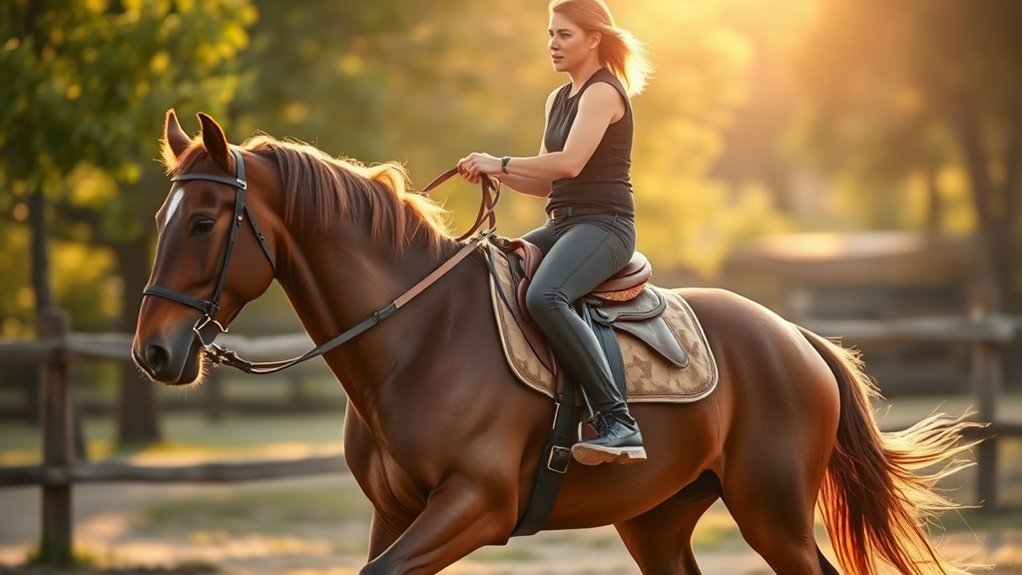
Although horseback riding looks graceful and effortless, it often feels challenging when you’re just starting out. You have to coordinate subtle movements of your seat, legs, and hands all at once, which demands a lot of new riding skills.
Maintaining proper balance on a moving horse isn’t easy, especially since your core muscles must stay engaged to keep you stable.
At first, your body hasn’t built the muscle memory needed to respond smoothly to the horse’s rhythm, so even sitting comfortably feels strenuous.
On top of the physical demands, you’re also interpreting the horse’s body language, which adds a mental challenge.
With practice, your balance improves and your core strengthens, making the experience feel more natural and controlled over time.
How Guided Rides Make Horseback Riding Easier
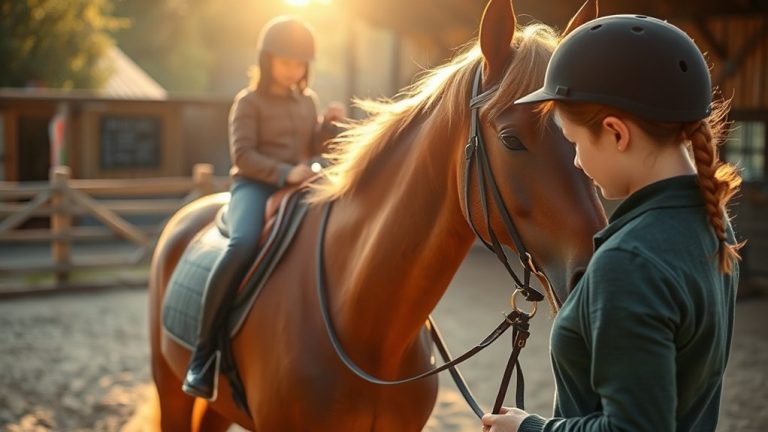
When you join a guided ride, you benefit from clear instructions and hands-on assistance that make the experience less intimidating and more manageable. Guided rides provide proper instruction and continuous support, helping you build confidence quickly as you focus on enjoying the ride rather than worrying about technical skills.
Here’s how they make horseback riding easier:
- Expert wranglers assist with horse selection and mounting, ensuring a smooth start.
- Guides stay close throughout, offering reassurance and immediate help if you feel uneasy.
- The structured, scenic routes simplify the experience, letting you relax and enjoy your surroundings.
How Basic Riding Skills Build Your Confidence
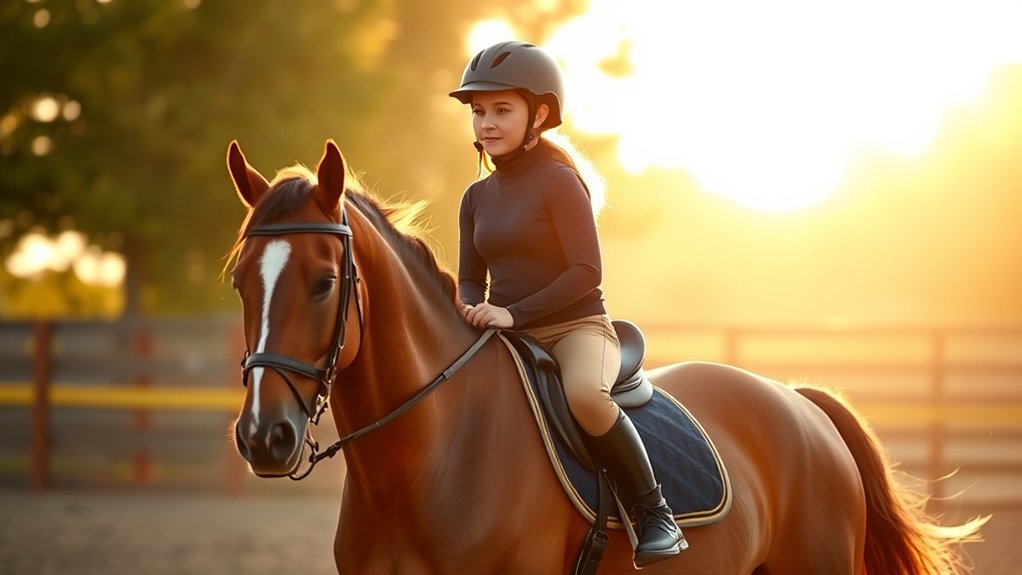
When you focus on mastering balance fundamentals, you’re really creating a stable foundation that keeps you secure in the saddle.
As you get better at communicating clearly with your horse, your connection naturally strengthens. This makes your rides smoother and a lot more predictable.
All this early progress? It builds your confidence, helping you feel more in control and ready to take on new challenges.
Learning Balance Fundamentals
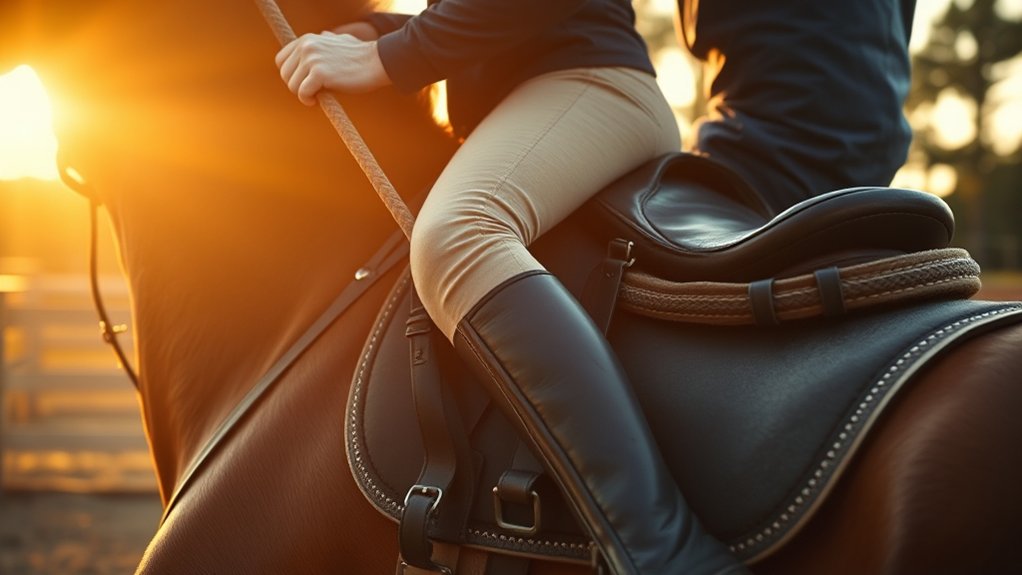
Because developing a stable three-point seat is essential, you need to focus on proper weight distribution and posture from the start. Achieving balance on a moving horse demands strengthening your core and refining coordination.
Begin by mastering slow, controlled movements to build confidence and equilibrium before progressing. Remember these key steps:
- Practice mounting and dismounting smoothly to engage your core strength and improve stability.
- Maintain a straight, aligned posture to distribute your weight evenly, preventing unwanted shifts that unbalance you.
- Use subtle body movements to communicate with the horse, reinforcing your control and deepening your balance awareness.
Consistent attention to these basics will solidify your riding foundation, making every ride feel more natural and boosting your confidence in the saddle.
Building Rider-Horse Connection
How do basic riding skills translate into a stronger connection with your horse? By mastering balance, posture, and subtle cues, you build rider-horse connection rooted in trust and communication.
Practicing rein pressure and leg aids sharpens your ability to signal clearly, while reading your horse’s body language makes your riding intuitive and responsive.
Strengthening your core keeps you relaxed, reassuring your horse and promoting harmony. Gradually mastering simple commands boosts your confidence and deepens your bond.
| Skill | Rider Action | Horse Response |
|---|---|---|
| Posture | Maintain upright seat | Feels balanced, steady |
| Rein Pressure | Gentle cues | Adjusts speed/direction |
| Leg Aids | Apply subtle pressure | Moves forward or turns |
| Body Language | Observe and react | Builds mutual trust |
Building rider-horse connection begins with these basics.
Gaining Early Riding Confidence
Mastering basic riding skills not only strengthens your connection with the horse but also lays the groundwork for your confidence in the saddle. Gaining early riding confidence hinges on developing a stable seat, which keeps you balanced and secure.
When you learn to interpret your horse’s subtle cues, you build trust and reduce anxiety. Positive reinforcement from your instructor encourages you to push forward without fear.
Focus on these essentials to boost your confidence:
- Develop a stable seat early to feel grounded and in control.
- Master fundamental skills like steering and stopping to gain a sense of command.
- Embrace positive reinforcement to stay motivated and resilient.
Why Balance and Core Strength Are Essential for Riding
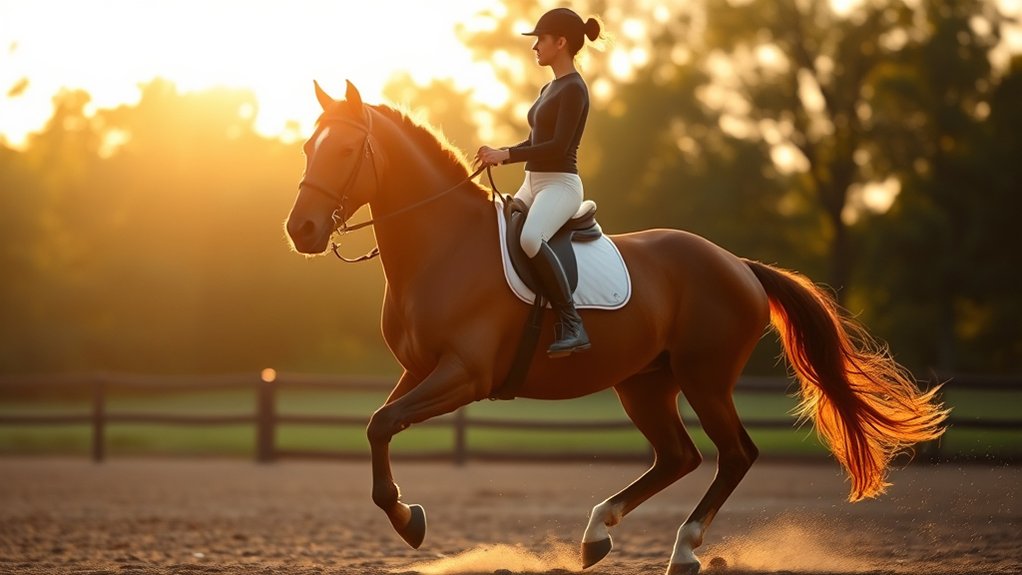
Although horse riding may seem straightforward, maintaining proper balance requires you to engage strong core muscles. These muscles stabilize your body throughout the horse’s movements. Your core strength directly influences your stability, allowing you to execute subtle cues like shifting weight or holding a three-point seat.
This not only improves communication with the horse but also prevents fatigue and poor posture.
| Benefit | Muscle Groups | Impact on Riding |
|---|---|---|
| Enhanced Balance | Abdominals | Maintains rider’s position |
| Improved Stability | Back and Pelvic | Controls subtle movements |
| Reduced Fatigue | Entire Core | Extends comfortable riding |
How Horseback Riding Challenges Your Physical Fitness and Stamina
When you ride, your whole body gets a workout—from engaging your core to stabilizing with your legs. You’re building strength and endurance with every session.
And it’s not just about muscle; maintaining good posture over long rides takes real stamina. That’s why staying hydrated is super important to keep your energy levels up.
Knowing these physical challenges ahead of time helps you prepare better and improve your fitness both on and off the horse.
Full-Body Muscle Engagement
Because horseback riding demands constant balance on a moving animal, it actively engages your core muscles, especially the abdominals and lower back, to keep you stable. Beyond your core, riding requires continuous physical effort from your legs, thighs, calves, and glutes to control the horse’s movements.
This sustained muscular engagement builds muscular endurance and challenges your overall fitness. When you ride, you activate:
- Core muscles constantly stabilizing your posture.
- Lower body muscles communicating with the horse.
- Continuous muscle contractions similar to a full-body workout.
This all-encompassing muscle use not only burns calories but also enhances your flexibility and strength over time. Horseback riding isn’t just a skill; it’s a demanding physical activity that improves your muscular endurance and challenges your stamina in every session.
Core Strength Importance
Since horseback riding demands constant balance on a moving animal, you need strong core muscles to maintain stability and control. Your core strength plays a vital role in keeping your posture aligned, engaging your abdominal and back muscles to absorb shocks from the horse’s movements.
This not only improves your balance but also prevents injury by stabilizing your body against jolts. Proper core engagement reduces fatigue during rides, letting you maintain control longer and ride more efficiently.
Studies reveal that horseback riding burns 250-400 calories per hour, largely due to the activation of core and leg muscles. With consistent practice, your core strength will improve, enhancing your overall physical stamina and making each ride smoother and more enjoyable.
Endurance and Hydration
Although horseback riding may seem leisurely, it demands considerable endurance and hydration to keep you performing at your best. Riding engages your core and leg muscles continuously, requiring stamina to maintain proper posture and balance, especially on long trails.
Without adequate hydration, you risk muscle fatigue and cramps, which can cut your ride short.
To manage these challenges, focus on building cardiovascular endurance through regular rides to sustain prolonged effort. Drink water consistently before, during, and after riding to replace fluids lost via sweat.
And listen to your body’s signals to avoid overexertion and prevent muscle fatigue.
Why Riding Is More Than Just Sitting on a Horse
When you ride a horse, you’re doing much more than just sitting still; you’re engaging in a complex dialogue with a living partner. Riding demands nuanced communication through subtle signals from your reins, legs, and seat, requiring you to respond instantly to the horse’s movements.
You must maintain proper posture and balance, which calls for strong physical coordination and constant awareness. Each moment involves dynamic interaction—you continuously adjust your cues based on the horse’s rhythm and mood.
Rather than passively sitting, you develop a keen “feel” for the horse’s behavior, making split-second decisions to guide and support its movement. This blend of communication, coordination, and adaptability makes riding an active, skillful experience beyond mere sitting.
How Understanding Horse Behavior Improves Riding Success
You’ll get better at riding when you start paying attention to your horse’s body language, like where their ears are pointing or how they’re standing. These little signs tell you a lot about how they’re feeling.
If you notice subtle things, like tension in their neck or flicking of their tail, you can change what you’re doing before any issues pop up.
Knowing this helps you talk to your horse in a way they understand and build trust, which makes your rides go a lot smoother.
Reading Horse Body Language
Since horses communicate primarily through body language, learning to read their subtle signals is essential for any rider aiming to improve control and safety.
Recognizing horse signals like ear positions, such as forward, relaxed, or pinned back, gives you insight into their emotions and willingness to cooperate.
Interpreting horse cues like neck tension, weight shifts, or tail swishing helps you anticipate movements and respond proactively.
By understanding horse body language, you can detect early signs of discomfort or stress, preventing potential problems.
Here are three key areas to focus on when reading horse body language:
- Ear and eye expressions to gauge mood and attention.
- Body tension and posture to predict actions.
- Minor movements like lip or tail flicks indicating stress or relaxation.
Mastering these will deepen your connection and boost riding success.
Responding To Subtle Cues
Although subtle, the cues horses give through slight ear flicks, shifts in muscle tension, or changes in breathing carry vital information about their state of mind and comfort.
When you develop rider sensitivity to these subtle cues, you improve your horse communication, allowing you to anticipate needs before they escalate.
Noticing small changes in muscle tone or weight distribution helps you adjust your balance and pressure, enhancing coordination.
Observing eye expressions or breathing patterns reveals discomfort or relaxation, guiding your next move.
Responding promptly to these signals prevents misunderstandings and builds trust, making your riding more intuitive and successful.
Ultimately, honing this awareness transforms your connection with the horse, turning riding into a fluid, responsive partnership rather than a challenge.
The Role of Mental Focus and Emotional Control in Riding
How do mental focus and emotional control impact your effectiveness as a rider? Both are essential for developing a strong rider-horse connection.
Mental focus and emotional control are key to building a strong connection between rider and horse.
When you maintain mental focus, you notice subtle signals from your horse, allowing you to respond accurately and safely.
Emotional control keeps anxiety and frustration in check, preventing negative effects on your horse’s behavior.
To harness these skills, focus on cultivating mindfulness to stay present and attentive during your ride. Manage emotions like nervousness or excitement to build trust and calmness.
And practice self-awareness to make timely, precise adjustments that improve communication.
Why It Takes Time to Get a ‘Feel’ for Your Horse
Getting a true “feel” for your horse doesn’t happen overnight; it demands consistent practice and careful attention to subtle cues. You need patience and experience to interpret your horse’s body language accurately, which becomes clearer over many rides.
This skill involves tuning into both your own movements and the horse’s responses, developing a deep connection through physical coordination, mental focus, and emotional awareness.
| Aspect | What You Learn | Why It Matters |
|---|---|---|
| Body Language | Recognize subtle signs | Prevent miscommunication |
| Timing | Coordinate responses | Enhance control |
| Emotional Sync | Build trust | Improve comfort |
Mastering the feel is a gradual, rewarding process that grows with consistent effort and time.
How Horseback Riding Fosters Rider Growth Beyond the Saddle
Building a true connection with your horse sharpens more than just riding skills. It shapes qualities that benefit many areas of your life. Horseback riding cultivates self-awareness and emotional regulation, which are vital for personal growth beyond the saddle.
As you develop a mental connection with your horse, you’ll notice improvements in patience, empathy, and confidence. This reflective process forces you to confront fears and build resilience. That translates directly to life’s challenges.
Specifically, horseback riding helps you:
- Enhance emotional regulation by managing nerves and stress during rides.
- Develop self-awareness through constant feedback from your horse’s responses.
- Foster personal growth by building trust, communication, and leadership skills transferable beyond riding.
This unique partnership not only improves your riding but also deepens your emotional and mental strength.
Frequently Asked Questions
What Type of Equipment Is Essential for Beginner Horseback Riders?
You’ll need essential gear like a well-fitting helmet, riding boots with low heels, and long pants to protect and support you. Proper saddle fitting is vital for comfort and control, while gloves help your grip on the reins.
Don’t forget basics for horse grooming to keep your horse healthy and responsive.
Focus on riding posture too; it improves balance and communication with your horse, making your rides safer and more enjoyable.
How Do Different Horse Breeds Affect the Riding Experience?
Different horse breeds affect your riding experience through their temperament, size, and agility. A calm horse breed temperament, like a Quarter Horse, makes learning easier, while spirited breeds demand more skill.
Breed size differences impact your balance and comfort. Larger draft horses feel steadier, and smaller ponies require more control.
Breed agility also plays a role. Agile breeds like the Andalusian respond quickly, helping you refine your riding style but needing more precision.
What Are Common Safety Precautions for Horseback Riding Beginners?
Imagine you’re dancing with a powerful partner. Understand horse behavior to anticipate their moves.
Keep your riding posture strong and balanced, like a tree rooted against the wind.
Always wear a helmet and check your tack.
Weather considerations matter: avoid slippery trails after rain or extreme heat.
Start slow, listen to your instructor, and wear boots with heels to keep your feet secure.
These precautions keep you safe and confident on every ride.
How Often Should Beginners Take Riding Lessons to Improve?
You should aim for riding lessons at least once a week to improve your horse riding techniques effectively. This riding lesson frequency helps build muscle memory and confidence steadily.
If you want faster progress, consider twice-weekly lessons, which reinforce beginner riding tips like balance and coordination.
Avoid long gaps between sessions since they can slow skill retention.
Staying consistent with lessons guarantees you develop good habits and enjoy steady improvement.
Can Horseback Riding Be Adapted for People With Disabilities?
Imagine riding a wave that adjusts to your every move. That’s how adaptive techniques work in horseback riding for you.
Accessible riding programs use specialized equipment like mounting ramps and custom saddles, making the experience safe and enjoyable.
Trained instructors tailor lessons to your needs, ensuring you build confidence and strength.
You’ll find that with the right support, horseback riding becomes not just possible but empowering and rewarding for you.
Conclusion
Horseback riding feels hard at first because it demands balance, brainpower, and bravery. But guided rides gently guide you, building basic skills and boosting your confidence.
As you strengthen your core and study your steed’s behavior, you’ll find focus and fitness flourish. Remember, mastering the mind and muscle takes time, but this thrilling therapy transforms both rider and ride.
Embrace each effort. Your equestrian excellence ardently awaits!