Do People Eat Horses? Facts, Practices, And Cultural Perspectives
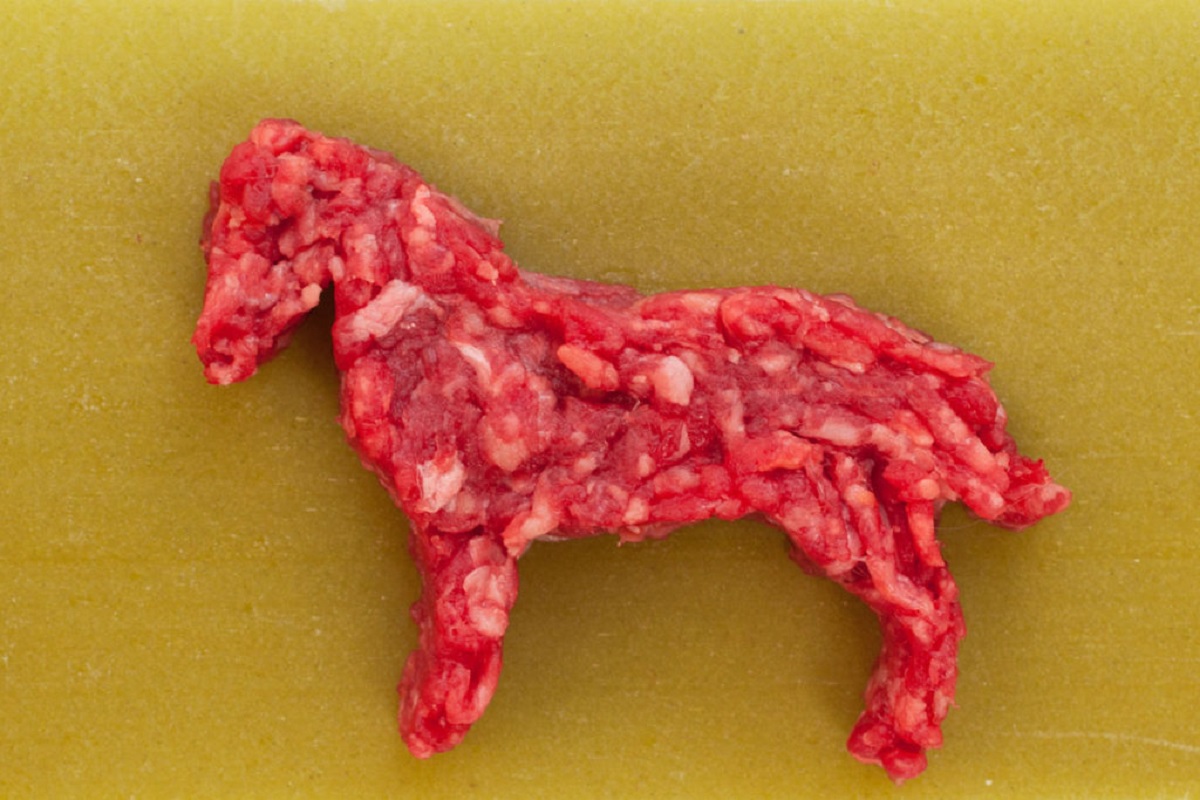
Eating habits vary widely across cultures, and some societies include unconventional sources of meat in their diets. Horse meat is one such example, often sparking curiosity and debate regarding its consumption. Many people wonder about the cultural, historical, and nutritional aspects behind the practice, leading them to question do people eat horses. While taboo in certain regions, horse meat is considered a delicacy or traditional food in others, valued for its flavor and protein content.
Understanding why and where horse meat is consumed provides insight into culinary diversity, food traditions, and societal norms. Exploring these practices helps contextualize the reasons behind horse meat consumption, from cultural heritage to practical considerations, while shedding light on public perception, ethics, and the role of horses in human diets around the world.
Horse Meat Consumption
Horse meat consumption has been part of human diets in various cultures for centuries, often tied to tradition, availability, or culinary preference. While controversial in some regions, it is valued in others for its flavor, nutritional profile, and cultural significance. Understanding the practices, regulations, and perceptions surrounding horse meat provides insight into dietary habits, ethical considerations, and regional differences. Examining horse meat consumption sheds light on why it continues to be eaten in some societies while being taboo or rare in others.
Cultural Practices And Traditions
In several countries, horse meat has a long-standing place in culinary traditions. In parts of Europe, such as France, Italy, and Belgium, horse meat is consumed in specialized dishes, charcuterie, or stews, often considered a delicacy. Japan and Kazakhstan also include horse meat in traditional meals, sometimes served raw or lightly cooked. Cultural norms, historical practices, and agricultural conditions have influenced the acceptance and frequency of consumption in these regions.
In societies where horse meat is culturally accepted, it is often associated with heritage and seasonal or ceremonial consumption. The meat is prepared with specific techniques to enhance flavor and tenderness, reflecting centuries of culinary expertise. Understanding these cultural practices helps explain why horse meat is integrated into diets in some areas, while other regions view it as unconventional or taboo due to differing historical, ethical, or societal perspectives.
Nutritional Value And Culinary Uses
Horse meat is recognized for its nutritional benefits, including high protein content, low fat, and rich levels of iron and certain vitamins. Its lean composition makes it a healthier alternative to some other red meats, appealing to those seeking protein-rich diets with fewer calories. The meat’s texture and flavor, slightly sweeter than beef, lend themselves to diverse culinary applications, including steaks, sausages, stews, and raw preparations like Japan’s basashi.
Chefs and home cooks tailor cooking techniques to optimize tenderness and flavor, often marinating or slow-cooking tougher cuts. Understanding the nutritional profile and culinary versatility explains its continued consumption in regions where it is culturally embraced. By highlighting both taste and health benefits, horse meat remains an important component of traditional and modern cuisine in various parts of the world.
Ethical And Legal Considerations
The consumption of horse meat raises ethical questions and legal regulations in different countries. Some regions prohibit or strictly regulate horse slaughter due to animal welfare concerns, cultural taboos, or public sentiment. In contrast, other nations have established legal frameworks for safe slaughter, inspection, and distribution, ensuring that meat consumption aligns with health standards.
Ethical considerations include humane treatment during rearing and slaughter, as well as the broader debate about the role of horses as companion animals versus livestock. Public opinion varies widely, with some viewing horse meat consumption as unacceptable, while others see it as a legitimate food source. Awareness of these ethical and legal factors is crucial for understanding the complexities surrounding horse meat consumption globally and the ongoing discussions about its place in human diets.
Nutritional Value Of Horse Meat
Horse meat is recognized for its high nutritional value, offering a lean, protein-rich alternative to other red meats. It contains essential nutrients, including iron, zinc, and B vitamins, which support overall health, energy metabolism, and muscle development. The low fat content and favorable fatty acid profile make it appealing to health-conscious individuals seeking nutrient-dense options. Understanding the nutritional composition of horse meat highlights why it is consumed in various cultures and how it contributes to balanced diets while providing essential dietary benefits.
High Protein Content And Muscle Support
Horse meat is an excellent source of high-quality protein, which is crucial for muscle repair, growth, and overall body maintenance. Each serving provides a significant amount of essential amino acids, supporting the development of lean muscle mass and efficient recovery after physical activity. Its digestibility and bioavailability make it a practical option for athletes or individuals looking to increase protein intake without consuming excessive fat.
Compared to other red meats, horse meat contains less saturated fat, making it a healthier choice for those managing cholesterol levels while maintaining adequate protein consumption. Including horse meat in meals supports satiety and energy balance, contributing to an overall nutrient-rich diet. Its high protein content, combined with low-fat characteristics, makes it a versatile and health-conscious option for a variety of culinary preparations.
Rich In Vitamins And Minerals
Horse meat is packed with essential vitamins and minerals, including iron, zinc, and B-complex vitamins such as B12, riboflavin, and niacin. Iron supports oxygen transport and prevents anemia, while zinc contributes to immune system function, wound healing, and cellular repair. B vitamins play a key role in energy metabolism, brain function, and red blood cell production.
The presence of these nutrients makes horse meat a valuable dietary component, particularly in regions where other sources of vitamins and minerals may be limited. Regular consumption in moderation can help maintain energy levels, support physical performance, and promote overall well-being. Its nutrient density underscores why horse meat continues to be valued in certain cultures and diets worldwide.
Low Fat And Heart-Healthy Profile
One of the defining nutritional advantages of horse meat is its low fat content, particularly saturated fat, compared to beef and pork. The meat contains a favorable ratio of unsaturated to saturated fatty acids, which may benefit cardiovascular health when consumed as part of a balanced diet. Its leanness also makes it easier to digest while providing energy and essential nutrients.
This heart-healthy profile, combined with high protein and micronutrient content, makes horse meat suitable for those focused on weight management, metabolic health, or athletic performance. The unique combination of lean protein, vitamins, and minerals ensures that it contributes to both muscle support and overall nutritional wellness, enhancing its role as a nutrient-dense and health-conscious meat option.
Legal And Regulatory Framework
The legal and regulatory framework surrounding horse meat consumption varies significantly across countries, reflecting cultural attitudes, public opinion, and food safety standards. Regulations govern the slaughter, processing, distribution, and sale of horse meat to ensure humane treatment, quality control, and public health. Understanding these laws is crucial for consumers, producers, and policymakers, as they shape accessibility, ethical practices, and the economic landscape of horse meat. Compliance with regulations also ensures safe consumption while addressing cultural sensitivities and ethical concerns.
Regulations On Slaughter And Processing
Countries that allow horse meat consumption have established strict guidelines for slaughter and processing to maintain food safety and animal welfare. Slaughterhouses must follow approved methods that minimize stress and pain, adhering to humane practices mandated by national or regional authorities. Inspection protocols ensure the meat meets health standards, checking for diseases, contamination, and proper handling throughout the process.
Processing regulations cover the storage, packaging, and transportation of horse meat. Temperature control, hygiene standards, and traceability are required to prevent spoilage and ensure consumer safety. These laws aim to balance ethical treatment of animals with public health protection, providing confidence that horse meat entering the market is safe and responsibly sourced. Compliance with such regulations is critical for producers and retailers, and understanding these rules helps consumers make informed choices about horse meat consumption.
Distribution, Sale, And Labeling Requirements
The legal framework extends to the distribution and sale of horse meat, including labeling requirements to inform consumers about origin, quality, and processing methods. Many countries mandate that packaged horse meat clearly identifies the species, origin, and inspection certification, ensuring transparency and traceability. Retailers and restaurants must follow these rules to prevent misrepresentation and maintain consumer trust.
In regions where horse meat is culturally accepted, markets and specialty stores often follow additional standards for handling and presentation. In contrast, countries where consumption is restricted may require import permits or ban sales altogether. Awareness of distribution and labeling regulations ensures compliance with food laws, supports ethical practices, and promotes safe consumption. Understanding the full legal framework surrounding horse meat helps navigate complex regulatory environments while respecting cultural, ethical, and health considerations.
People Also Asked
Do People Really Eat Horses?
Yes, people do eat horses in various parts of the world. While it may seem unusual or controversial in some cultures, horse meat is considered a traditional food or delicacy in countries like France, Italy, Japan, and Kazakhstan. Its consumption often depends on historical, cultural, and practical factors, such as food availability or culinary heritage. Horse meat is valued for its taste, nutritional content, and protein-rich qualities. Understanding the cultural context helps you see why eating horses continues in certain regions despite being taboo in others.
Why Do Some Cultures Eat Horse Meat?
Some cultures eat horse meat due to tradition, history, and resource availability. In regions where horse meat has been historically consumed, it became part of seasonal or ceremonial meals. It is valued for its nutritional benefits, including high protein and low fat content. Culinary practices also influence its acceptance, as local recipes and preparation methods enhance flavor and texture. By recognizing these cultural reasons, you can understand that horse meat consumption is not just about necessity but also about maintaining heritage, culinary practices, and the continued appreciation of traditional foods in these societies.
Is Horse Meat Nutritious?
Yes, horse meat is highly nutritious and often considered healthier than some other red meats. It is rich in protein, low in fat, and contains essential minerals such as iron and zinc, along with B vitamins like B12 and niacin. Its lean composition makes it suitable for individuals seeking nutrient-dense, low-fat protein sources. Including horse meat in a diet provides energy, supports muscle growth, and contributes to overall health. Understanding its nutritional value explains why some societies include it as part of their regular or ceremonial diets.
Where Is Horse Meat Commonly Eaten?
Horse meat is commonly eaten in countries across Europe, Asia, and Central Asia. France, Italy, Belgium, and Switzerland are known for incorporating horse meat in traditional dishes and charcuterie. In Asia, Japan consumes raw horse meat called basashi, while Kazakhstan and Mongolia include it in stews and dried preparations. These regions have cultural acceptance and historical practices that normalize horse meat consumption. Knowing where horse meat is commonly eaten helps you understand regional culinary preferences, legal frameworks, and the social contexts that influence its inclusion in human diets.
Are There Legal Restrictions On Eating Horses?
Yes, legal restrictions on eating horses vary by country. Some nations, like the United States and the United Kingdom, have regulations or bans on horse slaughter and consumption due to ethical, cultural, or public opinion reasons. In contrast, countries that allow horse meat have strict guidelines for slaughter, processing, and sale to ensure safety and humane treatment. Understanding these legal frameworks helps you recognize how consumption is regulated, which regions permit it, and the ethical and cultural debates surrounding the practice.
Is Eating Horse Meat Controversial?
Eating horse meat is often controversial, especially in countries where horses are considered companion animals or cultural symbols. Public opinion may view the practice as unethical, leading to legal restrictions or societal backlash. In other cultures, however, horse meat is accepted and even celebrated as a traditional food. The controversy arises from differing cultural norms, ethical considerations, and emotional attachment to horses. Recognizing these perspectives helps you understand the global debate, why horse meat is taboo in some regions, and accepted in others, highlighting the complexity of this dietary practice.
Final Words
The consumption of horse meat varies greatly across cultures, reflecting differences in tradition, ethics, and personal beliefs. In some countries, horse meat is considered a delicacy and an important source of protein, while in others it is taboo or even illegal. Questions like do people eat horses often arise due to curiosity or ethical concerns, highlighting the cultural diversity in dietary practices.
Awareness of legal regulations, animal welfare standards, and nutritional information is essential for understanding this topic fully. By exploring the social, economic, and ethical dimensions, you gain a balanced perspective on why horse meat is accepted in certain regions and rejected in others. Recognizing these differences allows you to approach the subject respectfully and knowledgeably, acknowledging both global practices and local sensitivities surrounding the question of do people eat horses.