What Is the Average Lifespan of a Horse: With Proper Care and Management
Horses have shared a long and meaningful relationship with humans, serving as companions, workers, and athletes across many cultures. Their strength and grace often make people wonder about their longevity and what factors influence how long they live. Understanding what is the average lifespan of a horse helps owners, riders, and animal lovers set realistic expectations for care, health planning, and long-term commitment. A horse’s life is shaped by more than just genetics; nutrition, workload, medical attention, environment, and daily management all play important roles in determining how many healthy years it enjoys.
Some horses thrive well into old age with proper care, while others may face challenges that shorten their lives. By learning about typical lifespan ranges and the reasons behind them, you gain valuable insight into responsible ownership and welfare. Exploring what is the average lifespan of a horse also highlights how modern veterinary care and improved husbandry have helped many horses live longer, more comfortable lives than in the past.
Average Lifespan Range in Horses
The average lifespan range in horses reflects both natural biology and the level of care they receive throughout life. Most horses progress through distinct stages from youth to senior years, making lifespan expectations important for long-term planning. While no two horses age the same way, general lifespan ranges help owners understand what is typical. Factors such as daily management, workload, nutrition, and medical support all influence how long a horse remains healthy and active.
Typical Lifespan Of Domesticated Horses
Most domesticated horses commonly live between 25 and 30 years, which is considered a standard lifespan range. Many horses remain active and comfortable well into their late teens and early twenties when basic health needs are consistently met. Proper feeding, clean living conditions, and regular exercise support steady physical development and slow the aging process.
As horses mature, signs of aging usually appear gradually rather than suddenly. Slight stiffness, longer recovery times, or changes in coat quality may develop with age, but these changes are manageable. Horses used for light riding or companionship often experience less physical stress, allowing them to maintain good health for longer periods.
Advances in veterinary care have significantly improved survival rates. Vaccinations, dental maintenance, and parasite control now allow many horses to reach the upper end of the typical lifespan range with a good quality of life.
Lifespan Differences Between Breeds And Types
Breed and body size play an important role in determining how long horses tend to live. Smaller breeds, including ponies and miniature horses, often outlive larger breeds. It is not unusual for them to reach their early to mid-30s, largely due to lower joint strain and slower physical wear.
Larger breeds, such as draft horses, typically have shorter lifespans, often averaging in the early to mid-20s. Their greater body mass places additional stress on bones, joints, and internal systems over time. This natural limitation influences their overall longevity.
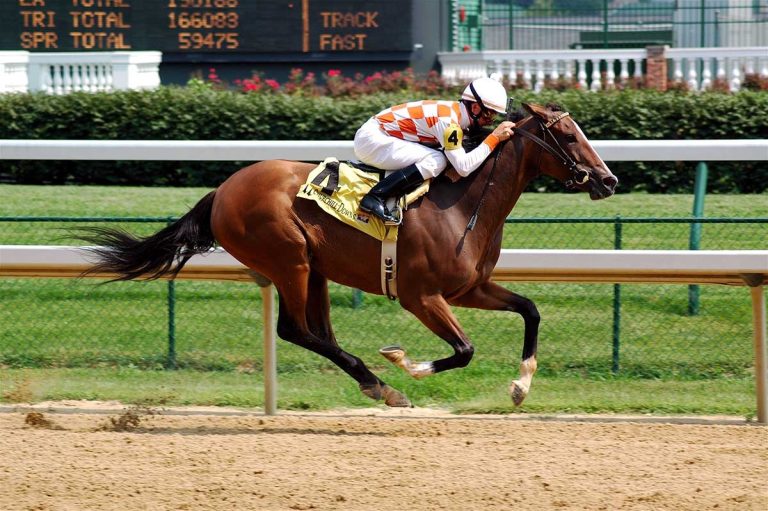
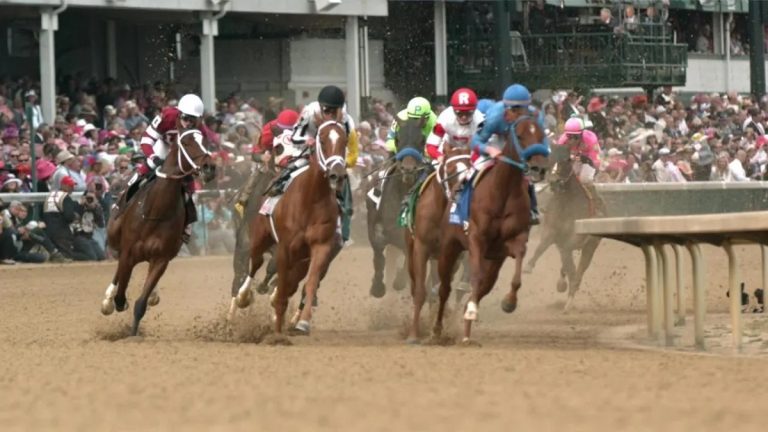
Performance-focused breeds may also experience varied lifespan outcomes. Horses trained for racing or intense competition may face early physical demands, but careful post-career management can still support a long and healthy life beyond their working years.
How Aging Progresses Within The Lifespan Range
Aging within the average lifespan range in horses usually follows a steady and predictable pattern. Horses are often classified as seniors between 15 and 20 years of age, though many remain energetic and capable well beyond this stage. Aging does not automatically signal poor health or reduced comfort.
Physical changes may include slower metabolism, muscle loss, and dental wear. These shifts require adjustments in diet, exercise routines, and overall care strategies. Regular veterinary evaluations become increasingly important to address arthritis, weight management, and metabolic concerns.
Behaviorally, many older horses remain mentally alert and emotionally stable. With attentive care and appropriate adaptations, horses can continue to enjoy mobility, comfort, and engagement throughout their later years, often reaching the higher end of the expected lifespan range.
Factors That Influence Horse Longevity
Horse longevity is shaped by a combination of natural traits and daily care practices. While genetics provide the foundation for how long a horse may live, management decisions made over time play an equally important role. Nutrition, medical attention, workload, and living environment all interact to affect long-term health. Understanding these factors helps owners recognize how everyday choices can either support a longer, healthier life or contribute to earlier physical decline.
Genetics And Breed Characteristics
Genetics strongly influence how long a horse is likely to live, setting natural limits on size, metabolism, and disease resistance. Certain breeds are known for longer lifespans due to slower growth rates and efficient use of energy. Smaller horses and ponies often benefit from genetics that reduce strain on joints and internal organs, allowing them to age more gradually. In contrast, larger breeds may inherit traits that place more pressure on bones and connective tissues, which can shorten their overall lifespan.
Inherited health conditions also affect longevity. Some horses are genetically predisposed to metabolic disorders, joint problems, or immune-related issues that may appear later in life. While genetics cannot be changed, early awareness allows owners to adjust care routines to minimize risks. Thoughtful breeding practices and informed selection also contribute to healthier populations, improving average lifespan outcomes over generations.
Nutrition And Feeding Practices
Nutrition plays a critical role in supporting long-term health and extending a horse’s lifespan. A balanced diet that meets age, workload, and metabolic needs helps maintain healthy body weight and organ function. Quality forage forms the foundation of proper nutrition, supporting digestion and reducing the risk of colic and metabolic disorders. Poor feeding practices can lead to obesity, nutrient deficiencies, or digestive stress that gradually shorten lifespan.
As horses age, their nutritional needs change. Dental wear may reduce chewing efficiency, requiring softer feeds or adjusted rations. Older horses often benefit from higher-quality protein and easily digestible nutrients to maintain muscle mass. Consistent access to clean water is equally important. Long-term feeding consistency, rather than short-term supplementation, has a lasting impact on how well a horse ages over time.
Veterinary Care And Preventive Management
Regular veterinary care significantly influences how long horses live and how comfortably they age. Preventive management focuses on early detection and control of health issues before they become serious. Routine vaccinations protect against infectious diseases that once reduced horse lifespans. Parasite control programs help maintain digestive health and nutrient absorption throughout life.
Dental care is another essential component of longevity. Uneven tooth wear can cause pain, weight loss, and digestive problems if left untreated. Regular examinations allow adjustments before complications arise. As horses grow older, veterinary monitoring becomes even more important. Blood tests, joint evaluations, and metabolic screenings help manage age-related conditions. Consistent preventive care supports stable health, allowing horses to remain active and comfortable for many more years.
Workload, Exercise, And Living Environment
The amount and type of work a horse performs directly affect long-term physical health. Horses subjected to intense workloads at a young age may experience earlier joint wear, muscle strain, and chronic injuries. In contrast, balanced exercise helps maintain strength, flexibility, and cardiovascular health. Moderate, consistent activity supports healthy aging without excessive physical stress.
The living environment also plays a major role in longevity. Clean housing, adequate space for movement, and safe footing reduce injury risk and stress. Social interaction with other horses supports mental well-being, which is often overlooked in lifespan discussions. Horses kept in low-stress environments with appropriate exercise routines tend to show fewer behavioral and physical issues, contributing to a longer and more stable lifespan.
Average Lifespan by Horse Breed
Average lifespan by horse breed varies widely due to differences in size, genetics, and typical use. While general lifespan ranges offer a useful reference, breed-specific patterns provide deeper insight into how long horses tend to live. Some breeds are naturally predisposed to longer lives, while others face physical demands that influence aging. Understanding these variations helps owners make informed care decisions that align with the unique needs and long-term health expectations of each breed.
Pony And Small Horse Breeds
Pony and small horse breeds are widely recognized for their longer average lifespans compared to larger horses. Many ponies commonly live into their late 20s or early 30s, with some reaching their mid-30s when properly cared for. Their smaller size reduces stress on joints, bones, and internal organs, allowing the body to age more slowly. Breeds such as Shetland ponies and Welsh ponies often show remarkable longevity.
These breeds are also known for strong metabolic efficiency, which helps maintain energy levels throughout life. However, careful feeding is essential, as ponies are prone to weight gain and metabolic disorders. When nutrition and exercise are well managed, ponies often remain active and mentally sharp well into old age, making them some of the longest-living horses overall.
Light Riding And Sport Horse Breeds
Light riding and sport horse breeds, including Arabians, Thoroughbreds, and Warmbloods, typically have average lifespans ranging from the mid-20s to around 30 years. Arabians are particularly known for longevity due to their hardy genetics and efficient cardiovascular systems. Many remain healthy and rideable well into their twenties with proper care.
Sport horses often experience demanding training schedules during their early years, which can influence long-term joint and muscle health. However, balanced workloads and good post-career management significantly support longevity. When training intensity is carefully monitored and recovery is prioritized, these breeds can enjoy long, productive lives beyond their competitive years, often transitioning comfortably into lighter work or companionship roles.
Draft Horse Breeds
Draft horse breeds generally have shorter average lifespans compared to lighter breeds, often living into their early to mid-20s. Their large body mass places increased strain on bones, joints, and cardiovascular systems over time. Breeds such as Clydesdales, Percherons, and Shires are powerful but require careful management to support long-term health.
Despite shorter averages, many draft horses live longer when maintained at a healthy weight and given appropriate exercise. Preventing obesity is especially important, as excess weight accelerates joint degeneration and metabolic stress. With attentive care, draft horses can remain comfortable and active throughout much of their lives, even if their overall lifespan is slightly shorter than smaller breeds.
Gaited And Specialty Breeds
Gaited and specialty breeds often fall within average lifespan ranges similar to light riding horses, typically living into their mid-20s or later. Breeds such as Tennessee Walking Horses and Icelandic Horses are valued for smooth movement and endurance. Icelandic Horses, in particular, are known for exceptional longevity, with many living well into their 30s.
These breeds benefit from strong genetic adaptability and efficient movement patterns that reduce physical strain. Consistent care, proper hoof management, and moderate exercise support joint health over time. While individual outcomes vary, gaited and specialty breeds often age gracefully, maintaining comfort and functionality for many years when managed according to their specific needs.
Impact of Care and Management on Lifespan
Care and management practices have a direct and lasting effect on how long a horse lives and how well it ages. Beyond genetics, daily routines shape physical health, mental stability, and disease resistance over time. Feeding consistency, housing quality, exercise balance, and medical attention all influence longevity. When management decisions support both physical comfort and natural behavior, horses are more likely to reach the upper end of their expected lifespan while maintaining overall well-being.
Daily Nutrition And Feeding Management
Daily nutrition is one of the most influential factors affecting a horse’s lifespan. A consistent feeding routine built around quality forage supports digestive health and reduces the risk of chronic conditions such as colic and metabolic disorders. Horses thrive when diets are matched to their age, workload, and body condition rather than following a one-size approach. Overfeeding, underfeeding, or frequent diet changes can slowly weaken overall health.
As horses age, feeding management becomes even more important. Dental wear may limit chewing ability, requiring softer or more easily digestible feeds. Older horses often need higher-quality protein to maintain muscle mass and immune function. Regular monitoring of body condition helps prevent obesity or excessive weight loss. Long-term nutritional stability plays a major role in extending both lifespan and quality of life.
Housing, Environment, And Stress Levels
The environment in which a horse lives greatly influences long-term health outcomes. Clean, well-ventilated housing reduces respiratory issues and infection risk. Adequate space for movement supports joint health and prevents stiffness caused by prolonged confinement. Horses kept in environments that allow natural behaviors, such as grazing and social interaction, tend to experience lower stress levels.
Chronic stress negatively impacts immunity, digestion, and overall longevity. Loud, crowded, or unstable environments can contribute to behavioral issues and physical decline over time. Safe footing in paddocks and stalls also reduces the risk of injuries that may shorten a horse’s lifespan. A calm, structured living environment supports both physical comfort and mental well-being throughout all life stages.
Exercise, Workload, And Physical Balance
Appropriate exercise supports circulation, muscle tone, and joint flexibility, all of which contribute to a longer lifespan. Horses benefit from regular, moderate activity that matches their physical condition and age. Excessive workloads, especially at a young age, can lead to early joint damage and chronic injuries that affect longevity later in life.
Balanced training programs emphasize gradual conditioning, proper warm-up, and adequate recovery time. As horses grow older, exercise routines should be adjusted rather than eliminated. Light riding, groundwork, or turnout movement helps maintain mobility and mental engagement. Consistent but thoughtful exercise management reduces physical strain while supporting long-term soundness and overall health.
Preventive Health Care And Routine Monitoring
Preventive health care plays a vital role in extending a horse’s lifespan. Regular veterinary checkups allow early detection of health issues before they become severe. Vaccinations protect against infectious diseases, while parasite control supports digestive efficiency and nutrient absorption. Dental care prevents pain and feeding difficulties that can compromise health over time.
Routine monitoring becomes increasingly important as horses age. Blood work, joint evaluations, and metabolic screenings help manage age-related changes effectively. Hoof care also contributes to long-term soundness by maintaining proper balance and reducing stress on joints. Preventive management focuses on maintaining stability rather than reacting to illness, supporting a longer and healthier life without unnecessary decline.
Signs of Aging in Horses
Signs of aging in horses develop gradually and vary depending on genetics, lifestyle, and overall care. Many changes are subtle at first, making them easy to overlook without regular observation. As horses grow older, both physical appearance and daily behavior may shift, reflecting natural aging rather than illness. Recognizing these signs early helps you adjust care routines, nutrition, and exercise to support comfort and long-term well-being throughout a horse’s senior years.
Physical Changes In Body And Movement
Physical signs of aging in horses often appear through changes in body condition and movement. Muscle tone may decrease over time, leading to a softer topline and reduced strength, especially along the back and hindquarters. You may notice stiffness when a horse first begins moving, particularly in colder weather or after periods of rest. This stiffness usually eases with gentle activity but becomes more frequent as joints age.
Hoof growth may slow, and joints can show mild swelling due to natural wear. Coat texture can change, becoming coarser or developing gray hairs around the face and eyes. These changes do not always signal discomfort but indicate the need for supportive care. Proper exercise, regular farrier visits, and attentive observation help manage physical aging effectively.
Behavioral And Energy Level Changes
Behavioral changes are another common sign of aging in horses. You may observe reduced energy levels, longer rest periods, and a preference for calm routines. Older horses often become more predictable and steady in temperament, which many owners appreciate. While enthusiasm for intense activity may decrease, interest in social interaction usually remains strong.
Some horses show increased sensitivity to environmental changes or stress, reacting more slowly to new situations. Learning new tasks may take longer, but memory for familiar routines often stays intact. These behavioral shifts reflect natural aging rather than cognitive decline. Maintaining consistent schedules and familiar surroundings supports emotional stability and comfort during this life stage.
Dental, Digestive, And Metabolic Indicators
Aging in horses frequently affects dental health, digestion, and metabolism. Teeth wear unevenly over time, which can reduce chewing efficiency and lead to weight loss or undigested feed in manure. You may notice changes in appetite or eating pace, signaling the need for dental evaluation and diet adjustments.
Digestive efficiency may decline, making older horses more sensitive to sudden feed changes. Metabolic conditions can also become more common, requiring closer monitoring of body condition and energy use. Adjusting feed texture, increasing digestibility, and scheduling regular veterinary checkups help manage these age-related changes. Attentive care allows older horses to maintain comfort and nutritional balance throughout their senior years.
Extending a Horse’s Lifespan Naturally
Extending a horse’s lifespan naturally focuses on consistent care that supports the body’s normal aging process rather than relying on extreme measures. Daily routines, nutrition choices, and stress management all contribute to long-term health. When natural needs such as movement, social interaction, and balanced feeding are met, horses tend to age more comfortably. Small adjustments made over time can help preserve mobility, digestive health, and overall vitality throughout every life stage.
Balanced Nutrition Using Natural Forage
Natural forage forms the foundation of a long and healthy life for horses. Access to quality grass or hay supports digestive function and reduces the risk of common issues such as colic and ulcers. You help extend lifespan by prioritizing consistent forage intake rather than relying heavily on concentrated feeds. Horses evolved to graze for extended periods, and this natural behavior supports gut health and metabolic balance.
As horses age, forage quality becomes even more important. Softer hay, soaked forage, or chopped fiber sources may be easier to chew and digest. Maintaining steady feeding schedules and avoiding sudden dietary changes helps prevent digestive stress. Natural nutrition strategies focus on meeting needs gradually, supporting long-term health without placing unnecessary strain on the body.
Encouraging Daily Movement And Gentle Exercise
Daily movement plays a key role in extending a horse’s lifespan naturally. Regular turnout allows joints, muscles, and tendons to remain flexible while supporting healthy circulation. Even light movement helps prevent stiffness and supports digestive activity. Horses that move freely tend to maintain mobility longer than those kept in prolonged confinement.
Exercise routines should be adjusted as horses age, emphasizing consistency over intensity. Gentle riding, groundwork, or hand walking encourages muscle tone without overloading joints. Warm-up and cool-down periods become increasingly important to prevent injury. By respecting natural movement needs and physical limits, you support long-term soundness and comfort throughout a horse’s life.
Reducing Stress Through Environment And Routine
Stress reduction is often overlooked when focusing on natural lifespan extension. Horses thrive in calm, predictable environments that support natural behaviors. Consistent routines for feeding, turnout, and handling help reduce anxiety and promote emotional stability. Social interaction with other horses also plays an important role in mental well-being.
High stress levels can weaken immunity and disrupt digestion over time. Loud environments, frequent changes, or isolation can contribute to chronic tension. Providing safe shelter, adequate space, and familiar companions supports relaxation and balance. A low-stress lifestyle allows the body to function efficiently, supporting natural longevity without artificial intervention.
Supporting Natural Aging With Preventive Care
Preventive care works alongside natural management to extend lifespan gently and effectively. Regular veterinary and farrier visits help identify small issues before they become serious. Dental checks ensure proper chewing, which directly affects digestion and nutrient absorption. Hoof balance supports joint alignment and reduces unnecessary strain.
Preventive care focuses on maintaining stability rather than correcting advanced problems. Early detection allows natural adjustments in diet, exercise, and routine. When care remains consistent and proactive, horses often age with fewer complications. Supporting natural aging processes helps preserve comfort, mobility, and overall quality of life across the years.
Frequently Asked Questions
What Is The Average Lifespan Of A Horse?
When you look at horse longevity, the average lifespan of a horse typically ranges between 25 and 30 years. Many horses live well into their twenties with consistent care, balanced nutrition, and regular veterinary support. Genetics, breed size, and workload influence where a horse falls within this range. Smaller breeds and ponies often live longer, while larger or heavily worked horses may have shorter lifespans. With modern management, you often see horses enjoying active, comfortable lives beyond what was common in the past.
Do Horse Breeds Affect How Long A Horse Lives?
Horse breeds play a significant role in determining lifespan. You will notice that ponies and smaller horse breeds often outlive larger breeds due to reduced strain on joints and organs. Draft horses, because of their size, generally have shorter average lifespans. Light riding breeds like Arabians are known for durability and longevity. While breed genetics set a baseline, proper care and management allow many horses to exceed typical breed expectations.
How Does Care Influence The Average Lifespan Of A Horse?
Care has a direct impact on how long a horse lives. You support longevity through balanced nutrition, clean housing, and consistent exercise. Regular veterinary checkups help detect health issues early, preventing minor problems from becoming life limiting. Dental care and parasite control also play essential roles in maintaining long-term health. Horses receiving attentive daily management often live longer, healthier lives than those with inconsistent or poor care routines.
At What Age Is A Horse Considered Old?
A horse is generally considered old or senior between 15 and 20 years of age, though this varies based on breed and workload. You may find many horses remain energetic and rideable well into their twenties. Aging does not mean poor health, but it does require adjustments in diet, exercise, and medical monitoring. With proper care, senior horses often maintain good quality of life and continue to be active companions for many years.
Can A Horse Live Longer Than The Average Lifespan?
Yes, a horse can live longer than the average lifespan when conditions are favorable. You often see horses reaching their early or mid-30s with excellent care, especially ponies and hardy breeds. Long lifespan outcomes are supported by genetics, low stress environments, proper nutrition, and preventive health management. Horses kept at a healthy weight with balanced workloads tend to age more slowly and comfortably than those exposed to excessive physical strain.
How Does Workload Affect Horse Longevity?
Workload significantly affects how long a horse lives. You may notice that horses involved in intense training or heavy labor from a young age experience earlier joint wear and muscle strain. Balanced exercise supports health, but overwork shortens lifespan potential. Horses used for light riding or companionship often live longer due to reduced physical stress. Thoughtful workload management allows horses to remain sound, active, and comfortable well into older age.
Final Thoughts
Understanding the factors that influence a horse’s longevity is crucial for every horse owner or enthusiast. Proper nutrition, regular veterinary care, consistent exercise, and a safe living environment all play vital roles in ensuring a horse lives a full and healthy life. Genetics and breed type also significantly affect lifespan, with some breeds naturally living longer than others.
By monitoring health conditions, managing workload, and providing preventive care, owners can help their horses reach their maximum potential age. Observing signs of aging and adjusting care routines accordingly ensures that senior horses remain comfortable and active. For anyone curious about equine longevity, knowing what is the average lifespan of a horse helps set realistic expectations and encourages responsible care practices that extend both the quality and length of a horse’s life.