What Is The Lifespan Of A Horse And How To Maximize It
Horses have been companions to humans for centuries, serving as work animals, athletes, and companions, which makes understanding their longevity essential for proper care. Many owners and enthusiasts are curious about what is the lifespan of a horse to plan for their care, training, and overall well-being. Lifespan varies depending on breed, genetics, diet, and living conditions, with some horses reaching their late twenties or even early thirties.
Knowledge of a horse’s life expectancy allows you to anticipate different stages of health, training needs, and potential medical challenges. By understanding the factors that influence longevity, you can provide a nurturing environment that promotes both physical health and mental well-being, ensuring that horses lead fulfilling and active lives throughout their years while maintaining their strength, vitality, and companionship for as long as possible.
Average Lifespan Across Breeds
The lifespan of a horse can vary widely depending on breed, genetics, and overall care. Understanding average lifespan across breeds helps owners anticipate health needs, plan for long-term care, and provide appropriate nutrition and exercise. Some breeds are naturally longer-lived, while others may have shorter life expectancies due to size, metabolism, or predisposition to certain conditions. Recognizing these differences allows you to tailor care strategies to each horse, promoting longevity and quality of life throughout their years.
Lifespan Of Light Horse Breeds
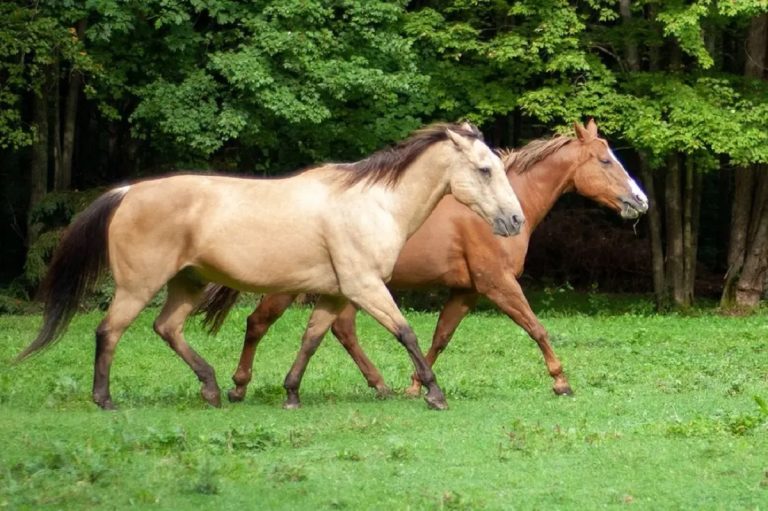
Light horse breeds, such as Arabians, Thoroughbreds, and Quarter Horses, are known for their agility, speed, and versatility. These breeds typically live between 25 and 30 years, although exceptional individuals may surpass this range with optimal care. Arabians are particularly renowned for longevity due to their strong genetic makeup and resilience to disease.
Lighter breeds benefit from balanced diets, regular exercise, and routine veterinary care, which help prevent common ailments such as colic, lameness, and dental problems. Proper management of workload is crucial, as overexertion in performance horses can reduce lifespan. Regular hoof care, vaccinations, and parasite control also contribute to overall health.
Understanding the lifespan of light horse breeds allows you to anticipate different stages of care. From youthful training to senior management, adjustments in diet, exercise, and medical attention are necessary to support aging horses. By addressing breed-specific needs, owners can ensure that these horses enjoy long, active, and healthy lives.
Lifespan Of Draft Horse Breeds
Draft horse breeds, including Clydesdales, Percherons, and Shires, are larger and heavier, which influences their lifespan. These breeds generally live between 20 and 25 years, slightly shorter than lighter breeds due to increased strain on joints and cardiovascular systems. Size and weight can predispose draft horses to conditions such as arthritis, laminitis, and heart issues, which require careful management.
Proper nutrition, emphasizing balanced forage and controlled grain intake, is critical for preventing obesity and metabolic disorders. Regular veterinary monitoring, hoof care, and exercise tailored to their size help maintain mobility and overall health. Draft horses may require modifications in housing and flooring to reduce joint stress and prevent injuries.
Understanding lifespan trends in draft breeds allows you to plan long-term care strategies. Adjustments in workload, diet, and preventive healthcare support longevity and quality of life, ensuring that these large, powerful horses remain healthy and functional well into their senior years. Awareness of breed-specific challenges enables responsible management throughout their lifespan.
Lifespan Of Ponies And Miniature Breeds
Ponies and miniature horse breeds often outlive larger horses, with lifespans ranging from 25 to 35 years, and some individuals reaching beyond 40 years. Their smaller size and slower metabolism contribute to longevity, though they may be prone to metabolic disorders such as Cushing’s disease or obesity if overfed.
Proper care for ponies includes portion-controlled diets, regular dental and hoof care, and consistent veterinary monitoring. Exercise is important to maintain healthy weight and muscle tone, while housing and shelter should accommodate their smaller stature. Attention to these details supports physical health and reduces the risk of chronic conditions.
Knowing the expected lifespan of ponies and miniature breeds allows you to plan long-term management and veterinary care. Adjustments in diet, exercise, and medical attention throughout different life stages help maximize longevity, ensuring these small but resilient animals enjoy active and healthy lives for decades.
Nutrition And Diet Influence
A horse’s diet has a profound impact on its health, vitality, and lifespan. Understanding nutrition and diet influence is crucial for providing proper care and promoting longevity. Balanced nutrition supports growth, muscle development, immune function, and overall well-being, while poor diet can lead to obesity, metabolic disorders, and reduced lifespan. Tailoring feeding practices to the horse’s age, breed, workload, and health conditions ensures optimal energy levels, physical fitness, and resilience against disease, helping horses thrive throughout their lives.
Essential Nutrients For Longevity
Horses require a well-balanced diet composed of forage, grains, vitamins, and minerals to maintain health and longevity. Forage such as hay and pasture provides fiber, essential for proper digestion and gut health. Grains supplement energy requirements, particularly for active or working horses, while vitamins and minerals support bone density, immune function, and metabolic processes.
Protein is vital for muscle repair and growth, particularly in young, active, or performance horses. Adequate water intake is equally critical, as dehydration can impair digestion, circulation, and overall health. Electrolytes may be necessary for horses in heavy work or hot climates to maintain fluid balance and prevent fatigue.
A nutritionally balanced diet reduces the risk of common conditions such as colic, laminitis, and developmental disorders. By understanding nutrient requirements and adjusting feeding plans accordingly, you can promote a longer, healthier life for your horse. Proper monitoring and occasional dietary adjustments ensure that nutritional needs are met throughout different life stages.
Influence Of Diet On Growth And Aging
Nutrition directly influences growth in young horses and longevity in older horses. Foals require high-quality forage and controlled grain to support skeletal development without causing excessive weight gain, which can strain growing joints. Balanced nutrition during growth stages establishes a foundation for long-term health and reduces the risk of developmental orthopedic diseases.
In adult horses, diet should reflect workload and metabolic needs. Overfeeding sedentary horses can lead to obesity, insulin resistance, and laminitis, while underfeeding working horses can cause fatigue, poor coat condition, and immune suppression. Senior horses often require modified diets, including softer forage or supplements to support dental, digestive, and joint health.
Adjusting diets for different life stages ensures that horses maintain healthy weight, muscle mass, and energy levels. Thoughtful feeding practices help prevent chronic illnesses, support organ function, and enhance longevity, illustrating how diet is a critical factor in a horse’s overall lifespan and quality of life.
Role Of Feeding Practices And Management
Feeding practices, including frequency, portion control, and consistency, play an important role in equine health. Horses are natural grazers and benefit from multiple small meals throughout the day rather than infrequent large feedings. This supports digestive health, reduces the risk of colic, and maintains stable energy levels.
Managing diet also involves monitoring body condition, adjusting feed based on activity, age, and health, and providing access to clean water at all times. Supplementation may be necessary for horses with deficiencies or special needs, such as joint support for older horses or electrolytes for high-performance animals.
Proper feeding practices enhance nutrient absorption, prevent overconsumption, and reduce stress on the digestive system. By combining balanced nutrition with mindful management, you ensure that your horse remains healthy, energetic, and resilient, maximizing both lifespan and quality of life.
Exercise And Physical Activity
Regular exercise and physical activity are vital for a horse’s health, fitness, and longevity. Understanding exercise and physical activity helps you maintain optimal weight, strengthen muscles, and support cardiovascular and joint health. Proper activity levels also prevent behavioral issues, promote mental stimulation, and reduce the risk of metabolic disorders. Tailoring exercise routines to a horse’s age, breed, and workload ensures that physical activity contributes positively to overall well-being, supporting a longer, healthier, and more active life.
Benefits Of Regular Exercise
Exercise offers numerous health benefits for horses, ranging from physical conditioning to mental stimulation. Regular activity strengthens muscles, improves cardiovascular function, and enhances joint flexibility, reducing the risk of lameness and arthritis. Endurance and performance horses particularly benefit from structured training programs that build stamina and maintain functional fitness.
Exercise also aids digestion and supports a healthy metabolism, preventing obesity and associated health issues such as insulin resistance and laminitis. In addition, activity promotes proper circulation and respiratory efficiency, ensuring that organs function optimally. Horses kept in limited spaces or without sufficient exercise are more prone to digestive problems, behavioral issues, and decreased overall vitality.
Mental stimulation is another key benefit. Horses enjoy interactive activities such as trail riding, groundwork, and varied training exercises, which reduce boredom and stress-related behaviors. By integrating physical and mental challenges, exercise supports holistic well-being and contributes to a longer, healthier life.
Exercise Recommendations By Age And Breed
Exercise requirements vary depending on a horse’s age, breed, and workload. Young horses need controlled activity to support growth and joint development without causing strain or injury. Gentle lunging, free movement in paddocks, and light groundwork allow foals and yearlings to build coordination, muscle tone, and stamina safely.
Adult horses used for riding, work, or performance require structured exercise that matches their activity level. Endurance horses benefit from cardiovascular training, while draft horses may require moderate daily movement to maintain muscle tone and joint health. Overexertion or inappropriate training can shorten lifespan and compromise long-term health.
Senior horses benefit from low-impact exercise, such as walking, light trotting, or therapeutic groundwork. Regular activity keeps muscles strong, joints flexible, and weight stable, supporting mobility and quality of life. Understanding the specific needs of your horse ensures that exercise enhances longevity while minimizing injury risk and promoting overall health.
Integrating Exercise Into Daily Management
Incorporating exercise into daily management involves balancing work, turnout, and rest. Adequate turnout allows horses to move freely, stretch muscles, and interact socially, complementing structured training sessions. Consistency in routine supports physical conditioning and prevents boredom, while proper rest ensures recovery and reduces fatigue.
Monitoring your horse’s condition, including weight, muscle tone, and overall behavior, helps adjust exercise intensity and duration appropriately. Combining varied physical activities with proper nutrition, veterinary care, and hoof management maximizes health benefits.
By integrating exercise thoughtfully into daily care, you enhance not only physical fitness but also mental well-being, resilience, and longevity. Active, well-conditioned horses are more likely to enjoy a longer, healthier, and higher-quality life, demonstrating the essential role of movement in equine management.
Living Environment And Management
A horse’s living environment and daily management have a direct impact on its health, well-being, and lifespan. Understanding living environment and management helps you create conditions that support physical comfort, mental stimulation, and disease prevention. Proper shelter, pasture quality, hygiene, and social interaction all contribute to a horse’s overall quality of life. By maintaining a safe and well-organized environment, you ensure that horses can thrive, remain healthy, and reach their maximum lifespan potential.
Shelter, Space, And Pasture Management
The quality of shelter and pasture significantly affects a horse’s health and longevity. Horses need protection from extreme weather, including sun, rain, wind, and cold. Well-ventilated barns or shelters prevent respiratory issues and provide a safe resting area. Pastures should offer ample space for grazing, exercise, and social interaction, promoting both physical and mental well-being.
Rotational grazing and pasture management reduce overgrazing and minimize the risk of parasite infestations. Maintaining clean, dry bedding and regularly removing waste prevents bacterial growth and hoof-related problems. Proper fencing ensures safety and reduces the risk of injury from entanglement or escape.
By providing an environment that combines shelter, open space, and safe pasture, you encourage natural behaviors, physical activity, and healthy digestion. Thoughtful pasture and shelter management enhance comfort, reduce stress, and support overall health, contributing to a longer and more fulfilling life for your horse.
Daily Care And Routine Management
Daily care practices, including feeding, grooming, and monitoring health, are essential components of effective horse management. Horses benefit from consistent feeding schedules that provide balanced nutrition and maintain stable energy levels. Grooming helps maintain coat and skin health, improves circulation, and allows you to detect injuries or abnormalities early.
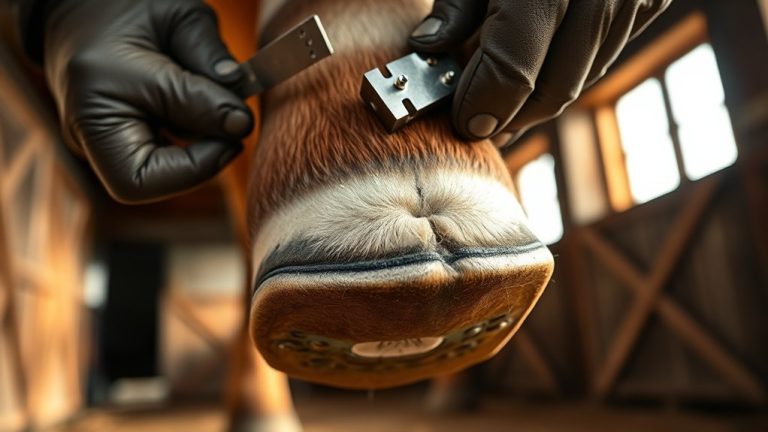
Routine management also involves regular hoof care, dental checkups, and vaccination schedules to prevent disease. Monitoring body condition, behavior, and overall vitality allows you to adjust care practices and respond to changing needs. Social interaction with other horses or handlers supports mental health and reduces stress-related behaviors.
A structured and attentive daily routine ensures that horses remain comfortable, healthy, and safe. Effective management combines preventive care, environmental optimization, and attention to behavior, supporting physical health, mental well-being, and longevity. Horses living in well-maintained environments are more resilient, active, and likely to enjoy a longer, healthier life.
A horse’s lifespan is influenced by a combination of genetics, diet, exercise, healthcare, and living conditions. Proper nutrition, regular physical activity, and routine veterinary care can significantly enhance longevity, while neglect or poor management can shorten a horse’s life. Environmental factors such as shelter, stress levels, and social interaction with other horses also play an important role in overall health. Understanding breed-specific traits and hereditary conditions helps owners anticipate potential health challenges and provide appropriate care.
Attention to preventive measures, including vaccinations, dental care, and hoof maintenance, contributes to a longer, healthier life for the animal. Considering all these factors provides a clear perspective on what is the lifespan of a horse and how it can be maximized, highlighting that responsible management and attentive care are essential to ensuring horses live long, healthy, and active lives.
Frequently Asked Questions
What Is The Average Lifespan Of A Horse?
The average lifespan of a horse ranges from 25 to 30 years, though this can vary depending on breed, genetics, and care. Smaller breeds like ponies often live longer, sometimes reaching 35 years or more, while larger draft breeds may have slightly shorter lifespans. Understanding the average lifespan helps you plan for long-term care, including nutrition, exercise, and veterinary attention. Providing proper management throughout a horse’s life maximizes health, quality of life, and longevity, ensuring that your horse remains active and healthy for as many years as possible.
Do Different Breeds Have Different Lifespans?
Yes, breed plays a significant role in determining lifespan. Light horse breeds like Arabians and Quarter Horses typically live 25 to 30 years, while draft breeds often average 20 to 25 years due to their larger size and increased strain on joints. Ponies and miniature horses generally live longer, sometimes exceeding 35 years. Genetic factors, metabolism, and predisposition to certain health issues influence these differences. By understanding breed-specific life expectancies, you can tailor care, exercise, and nutrition plans to promote longevity and maintain your horse’s overall well-being.
How Does Nutrition Affect A Horse’s Lifespan?
Nutrition is critical for a horse’s health and longevity. A balanced diet, including high-quality forage, grains, vitamins, and minerals, supports muscle development, immune function, and organ health. Poor nutrition can lead to obesity, colic, laminitis, and metabolic disorders, reducing lifespan. Proper hydration, portion control, and life-stage-specific diets also play important roles. By monitoring your horse’s body condition and adjusting feeding routines as needed, you can prevent common health issues and promote a longer, healthier life, ensuring that your horse maintains energy, vitality, and overall well-being throughout all stages of life.
Does Exercise Influence A Horse’s Lifespan?
Regular exercise significantly impacts a horse’s longevity. Physical activity strengthens muscles, improves cardiovascular health, maintains joint flexibility, and supports digestion and metabolism. It also provides mental stimulation, reducing stress and behavioral issues. Exercise routines should be tailored to the horse’s age, breed, and workload. Overexertion or lack of activity can both negatively affect lifespan. By integrating consistent, appropriate exercise into daily management, you support overall health, prevent obesity and related illnesses, and enhance quality of life, helping your horse enjoy a longer, healthier, and more active life.
How Do Living Conditions Affect A Horse’s Lifespan?
A horse’s living environment plays a crucial role in its longevity. Safe, clean, and spacious shelters protect from extreme weather, while well-maintained pastures provide grazing, exercise, and social interaction. Poor living conditions increase the risk of respiratory issues, infections, and stress-related behaviors. Proper waste management, fencing, and turnout practices reduce injury and disease. By optimizing living conditions and combining them with attentive daily care, including grooming, hoof maintenance, and veterinary attention, you ensure your horse remains healthy, comfortable, and resilient, contributing to a longer and higher-quality life.
Can Veterinary Care Extend A Horse’s Lifespan?
Yes, regular veterinary care is essential for longevity. Routine checkups, vaccinations, dental care, parasite control, and early detection of illnesses prevent health complications that can shorten a horse’s life. Timely treatment of injuries and chronic conditions like arthritis or metabolic disorders also enhances quality of life. Preventive healthcare, combined with proper nutrition, exercise, and management, allows horses to live longer, healthier lives. By staying proactive and monitoring your horse’s health closely, you ensure that medical needs are addressed promptly, supporting both lifespan and overall well-being.
Final Words
A horse’s lifespan is influenced by a combination of genetics, diet, exercise, healthcare, and living conditions. Proper nutrition, regular physical activity, and routine veterinary care can significantly enhance longevity, while neglect or poor management can shorten a horse’s life. Environmental factors such as shelter, stress levels, and social interaction with other horses also play an important role in overall health.
Understanding breed-specific traits and hereditary conditions helps owners anticipate potential health challenges and provide appropriate care. Attention to preventive measures, including vaccinations, dental care, and hoof maintenance, contributes to a longer, healthier life for the animal. Considering all these factors provides a clear perspective on what is the lifespan of a horse and how it can be maximized, highlighting that responsible management and attentive care are essential to ensuring horses live long, healthy, and active lives.