What Do Horses Do? Daily Habits, Behaviors, and Surprising Skills
Horses are fascinating animals with a wide range of behaviors, abilities, and roles that make them unique in the animal kingdom. Observing a horse closely can reveal much about their habits, instincts, and interactions with the environment. Understanding their natural tendencies helps you appreciate how versatile and intelligent these animals are.
Horses communicate through body language, vocalizations, and subtle cues, showing emotions such as curiosity, fear, or contentment. They are social creatures that form strong bonds with other horses and humans, demonstrating loyalty, cooperation, and a sense of hierarchy within groups.
Daily routines, such as grazing, moving, and resting, dominate their lives, yet horses also display a wide variety of playful and exploratory behaviors. Their adaptability allows them to live in pastures, stables, or even in performance and work environments.
Knowing what horses do provides insight into their physical needs, mental stimulation, and emotional well-being. This understanding is crucial for proper care, training, and forming a positive relationship between horse and handler.
Daily Activities and Routine
Horses have structured daily routines that help maintain their physical health, mental well-being, and social interactions. Observing what they do throughout the day provides insight into their natural behavior and needs. A well-balanced routine ensures that horses remain healthy, content, and responsive to both training and human interaction. Understanding their daily activities allows you to provide care that aligns with their natural instincts.
Grazing and Feeding Patterns
Grazing is a central part of a horse’s daily routine. You can notice that horses spend several hours each day consuming grass or hay, which supports digestion and provides steady energy. Their digestive system is designed for continuous, small meals rather than infrequent large feedings.
Horses are selective grazers, often choosing specific plants and pacing their eating to prevent overloading their stomachs. Supplemental feeding with grains or pellets may be added, especially for horses with higher energy requirements, such as those in work or training. Feeding schedules should be consistent to maintain digestive health and prevent stress-related behaviors like cribbing or pacing.
By understanding grazing and feeding patterns, owners can provide adequate nutrition and design daily routines that respect natural eating behaviors, supporting both health and performance. Consistent care and proper diet management are essential for a horse’s physical and mental well-being.
Movement and Exercise
Movement is another essential daily activity for horses. You can see that even in a pasture, horses walk, trot, and sometimes canter to explore, stretch, and maintain muscle tone. Regular exercise is necessary to prevent stiffness, maintain cardiovascular fitness, and support overall health.
For domesticated horses, structured exercise may include riding, lunging, or turnout sessions. Exercise routines should match the horse’s age, fitness level, and workload, gradually increasing intensity to build strength and stamina. Allowing horses to move freely also fulfills their natural instinct to roam, which reduces stress and encourages positive mental engagement.
Consistent physical activity supports joint health, muscle development, and coordination. Horses that receive adequate movement are generally more responsive, calm, and willing to participate in training or performance activities, highlighting the importance of incorporating daily exercise into their routine.
Rest and Sleep Cycles
Rest is a critical component of a horse’s daily routine. You can notice that horses alternate between periods of grazing, standing rest, and lying down for deeper sleep. Horses have the ability to sleep while standing thanks to a unique “stay apparatus” in their legs, which allows them to rest without fully reclining.
While short naps are common throughout the day, horses also require periods of lying down to achieve REM sleep. Providing a safe, comfortable environment, such as soft bedding in stalls or quiet areas in pastures, is essential for healthy sleep patterns. Horses deprived of adequate rest may show signs of irritability, fatigue, or decreased performance.
Maintaining a routine that balances activity and rest ensures that horses remain physically and mentally healthy. Sleep and rest cycles allow muscle recovery, energy replenishment, and emotional stability, all of which are vital for overall well-being.
Social Interaction and Grooming
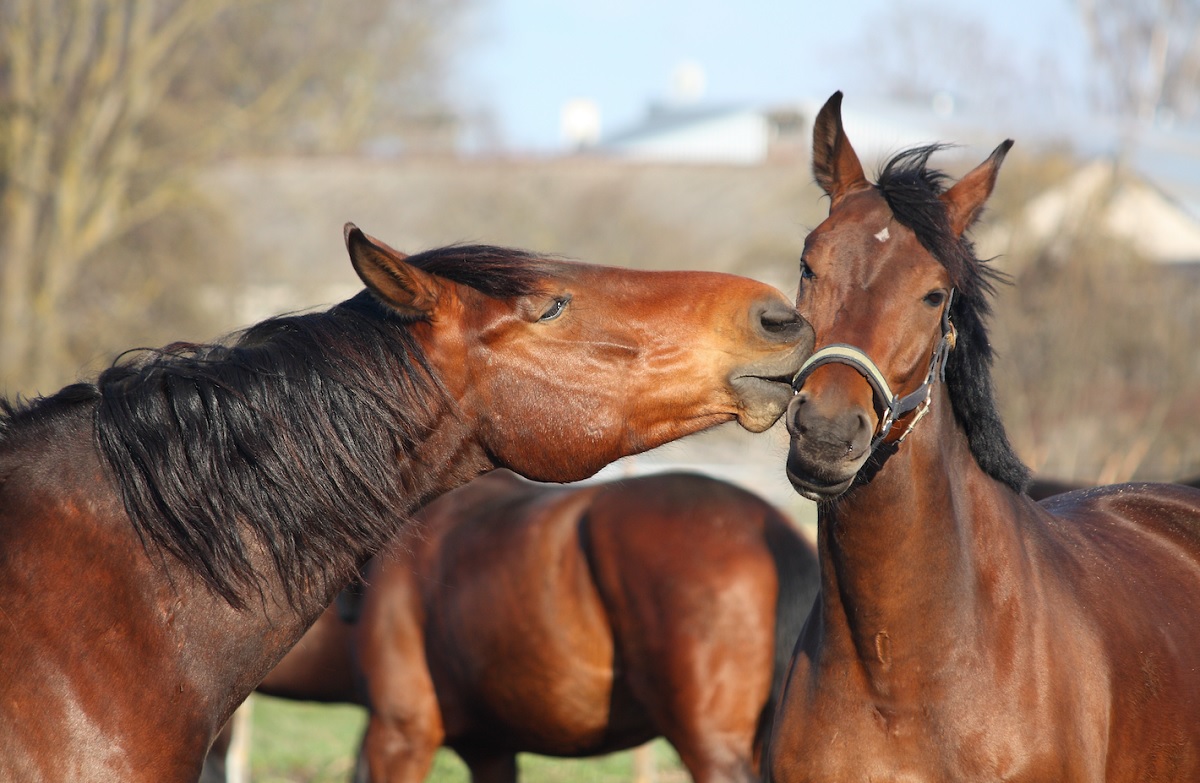
Social interaction is an important part of a horse’s daily life. You can see that horses engage with other herd members through grooming, nuzzling, and play, which strengthens bonds and establishes social hierarchy. Horses thrive on companionship, and social interaction reduces stress, prevents boredom, and supports mental health.
Daily care routines, such as grooming, also contribute to their well-being. Brushing removes dirt, stimulates circulation, and allows early detection of injuries or skin conditions. Grooming sessions provide a chance for bonding with human handlers, fostering trust and cooperation. Horses that receive regular interaction, both with humans and other horses, are generally calmer, more responsive, and easier to handle.
By incorporating socialization and grooming into daily routines, owners meet both physical and emotional needs, creating a balanced, content, and healthy horse.
Environmental Engagement
Horses are naturally curious and benefit from environmental engagement as part of their daily routine. You can observe that they explore surroundings, interact with objects, and respond to changes in weather or terrain. Mental stimulation through environmental engagement keeps horses alert and reduces the likelihood of stress-induced behaviors.
Providing varied terrain, pasture toys, or trail rides encourages movement, exploration, and problem-solving. Exposure to new stimuli, while supervised and safe, helps horses develop confidence and adaptability. Regular environmental engagement also complements physical exercise, enhancing coordination, balance, and overall fitness.
By understanding and facilitating environmental engagement, owners can create a daily routine that satisfies a horse’s need for activity, mental stimulation, and exploration. This contributes to a well-rounded, healthy, and happy horse capable of thriving in diverse settings.
Communication and Social Behavior
Horses are highly social animals, relying on communication and interaction to navigate their environment and maintain herd dynamics. Understanding how horses communicate and interact with each other is essential for owners, trainers, and riders. Their social behavior influences training, performance, and overall well-being, making it a critical aspect of horse management and care.
Body Language and Nonverbal Cues
Body language is the primary method horses use to communicate. You can notice that they rely on posture, ear position, tail movement, and facial expressions to convey emotions such as curiosity, fear, aggression, or relaxation. Subtle changes in their stance or muscle tension can indicate mood shifts or intentions, which are important for handlers to recognize.
Ears play a key role in signaling attention and emotional state. Forward ears indicate interest or alertness, while pinned-back ears signal irritation or defensiveness. Tail swishing can reflect excitement, agitation, or discomfort. Understanding these nonverbal cues allows you to interpret a horse’s behavior accurately, improving safety and interaction quality.
Horses also use body language in herd dynamics, signaling dominance, submission, or readiness to play. Recognizing these cues helps owners manage group interactions, prevent conflicts, and maintain harmony within social groups.
Vocalizations and Sounds
In addition to body language, horses communicate through vocalizations. You can see that sounds like neighs, whinnies, nickers, and snorts convey information about location, mood, or social intent. Each vocalization serves a specific purpose in daily interactions with other horses and humans.
Nickering is often a greeting or a sign of recognition, indicating familiarity or affection. Whinnies and neighs can carry over long distances, helping horses maintain contact with herd members. Snorts or blowing sounds can indicate alertness or mild agitation. Understanding these vocal signals allows you to respond appropriately and strengthens the human-horse bond.
Vocal communication complements body language, providing a fuller understanding of a horse’s emotional state. By paying attention to both forms of communication, handlers can anticipate behavior and manage interactions safely and effectively.
Herd Behavior and Social Hierarchy
Horses are naturally herd animals, forming complex social hierarchies to maintain stability and safety. You can notice that dominant individuals often lead movement, control access to resources, and influence herd decisions. Subordinate horses learn to respect social boundaries while maintaining cooperative behavior.
Social interactions involve grooming, playing, and shared grazing, which strengthen bonds and promote group cohesion. Playful behavior, such as nipping or chasing, helps young horses develop coordination and social skills. Grooming behaviors between horses also reinforce trust, reduce stress, and maintain hygiene.
Understanding herd dynamics is essential for managing multiple horses. It allows owners to prevent conflicts, ensure equal access to food and water, and create an environment that supports healthy social behavior. Properly managed social structures contribute to mental stability and overall well-being.
Bonding With Humans
Horses also form strong bonds with humans, often mirroring the trust and communication styles found in herd interactions. You can observe that they respond to consistent handling, positive reinforcement, and gentle guidance, interpreting subtle cues from humans as part of their social environment.
Trust is built over time through interaction, care, and attention to the horse’s signals. Horses recognize patterns and routines, responding predictably to handlers who respect their instincts and emotions. Strong human-horse bonds improve training outcomes, safety, and enjoyment in riding or performance activities.
By understanding and respecting their social behavior, you can foster a mutually beneficial relationship. Horses that feel secure and acknowledged are more cooperative, confident, and willing to engage, creating a positive and productive partnership.
Conflict Resolution and Cooperation
Conflict resolution is a natural part of horse social behavior. You can see that horses use displays of dominance, submission, and avoidance to settle disputes within the herd. Understanding these behaviors is crucial for owners and trainers managing multiple horses.
Horses learn to cooperate to access resources, navigate space, and maintain harmony. Observing interactions helps humans identify potential stressors, prevent aggressive encounters, and promote positive group dynamics. Recognizing how horses negotiate conflicts also enhances training strategies, as cooperative behaviors can be encouraged while discouraging resistance or defiance.
Effective management of social behavior ensures both mental and physical well-being, allowing horses to thrive in group settings and develop harmonious relationships with humans and other horses alike.
Work and Performance Roles
Horses have historically played essential roles in work, transportation, and performance, showcasing versatility, strength, and intelligence. Understanding the roles horses fulfill today and in the past highlights their capabilities and the skills required to train and maintain them. These roles encompass recreational, competitive, and labor-oriented activities, reflecting the adaptability and enduring value of the species.
Draft and Farm Work
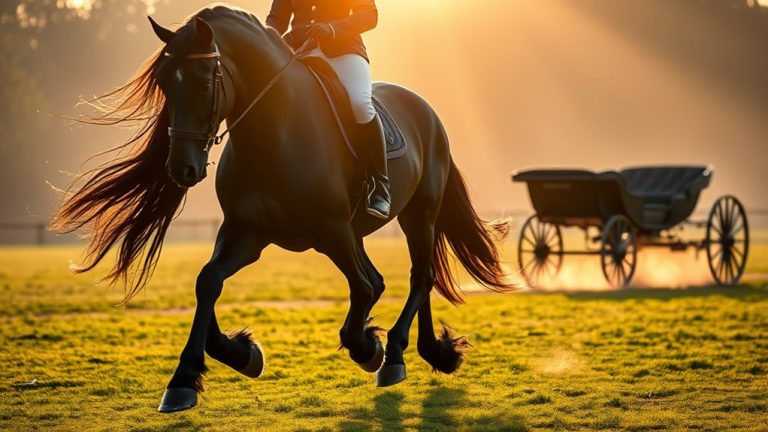
Many horses are still used for draft and farm work, a role that demonstrates their strength and endurance. You can notice that horses trained for these tasks pull carts, plows, and wagons, often for long periods in physically demanding conditions. Draft work requires careful conditioning and specialized training to ensure safety and efficiency.
Horses suited for farm labor typically have strong muscles, broad shoulders, and calm temperaments. They respond to commands with precision, allowing them to work collaboratively with humans. Regular care, proper shoeing, and balanced feeding are essential to maintain their health and performance.
This role illustrates the combination of intelligence, cooperation, and physical capability in horses. Owners and handlers who understand their horses’ limits and strengths can maximize productivity while preserving the horse’s well-being and longevity in labor-intensive environments.
Competitive Sports and Performance
Horses also excel in competitive sports and performance roles, including racing, dressage, show jumping, and western events. You can observe that performance horses undergo specialized training to develop agility, speed, stamina, and precision. These disciplines require both physical ability and mental focus to navigate courses and respond accurately to rider cues.
Performance horses often train daily, with routines designed to build strength, enhance flexibility, and refine technique. Conditioning programs are carefully structured to prevent injury and maintain peak fitness. Horses selected for these roles are chosen based on athleticism, temperament, and trainability, ensuring success in high-pressure environments.
Engagement in competitive performance highlights the versatility of horses. Their ability to combine speed, intelligence, and responsiveness allows them to excel across disciplines, from recreational riding to international competition, demonstrating their value as both athletes and partners.
Riding and Recreational Roles
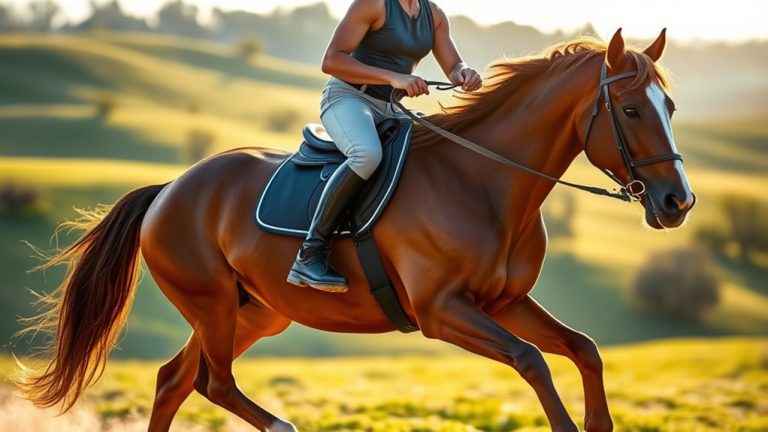
Recreational riding is one of the most common roles for horses today. You can see that they provide companionship, exercise, and enjoyment for riders of all experience levels. Riding activities may include trail rides, pleasure riding, and casual lessons, emphasizing comfort, responsiveness, and adaptability.
Horses suited for recreational roles often possess calm temperaments, patience, and a willingness to engage with humans. They are trained to follow commands safely, navigate varied terrain, and adjust to changing environmental conditions. Proper care, regular exercise, and consistent handling ensure that recreational horses remain healthy, happy, and safe for riders.
These roles demonstrate that horses are not only functional but also emotionally rewarding. Their ability to form bonds, respond to cues, and provide enjoyment reflects their multifaceted contributions to human activities beyond labor and competition.
Therapy and Assistance Roles
Horses are increasingly used in therapeutic and assistance roles, such as equine-assisted therapy for individuals with physical, emotional, or cognitive challenges. You can notice that their calm nature, responsiveness, and gentle demeanor make them ideal partners for these programs.
Therapeutic horses are trained to respond to various stimuli, maintain composure, and provide safe interaction for participants. Riding, grooming, and groundwork exercises help improve balance, confidence, and emotional well-being for individuals in therapy programs. This role emphasizes the horse’s sensitivity, patience, and intelligence, highlighting their ability to support human health and development.
Participation in therapy programs also enriches the horse’s life, providing mental stimulation, social interaction, and structured routines. These roles illustrate the broader societal value of horses, extending beyond work or performance into meaningful human support.
Police, Search, and Rescue Roles
Horses are also employed in police, search, and rescue operations, where their size, agility, and awareness provide strategic advantages. You can observe that mounted units navigate crowded areas, patrol difficult terrain, and assist in search efforts due to the horse’s height, endurance, and ability to move quickly.
Training for these roles focuses on desensitization, obedience, and responsiveness under stressful conditions. Horses must remain calm amid loud noises, crowds, and unexpected situations. Handlers work closely with them to ensure safety for both horse and humans during operational activities.
These specialized roles highlight the intelligence, reliability, and adaptability of horses. Their contributions in law enforcement and rescue scenarios demonstrate that, beyond recreational or performance purposes, horses continue to serve as vital partners in challenging and critical human activities.
Training and Learning Abilities
Horses possess remarkable intelligence and learning abilities, making training a fundamental part of their development and daily life. Understanding how they acquire skills, respond to cues, and process experiences helps owners and trainers optimize routines. Effective training enhances performance, strengthens bonds, and ensures safety for both horse and handler, while also promoting mental stimulation and emotional well-being.
Learning Through Observation and Repetition
Horses are keen observers and learn effectively through repetition and consistent guidance. You can notice that they quickly recognize patterns in their environment and can anticipate outcomes based on past experiences. Repetition allows them to solidify behaviors, making them reliable and predictable in response to cues.
Observational learning also plays a role; horses often watch the actions of other horses or humans and imitate behaviors, which can accelerate skill acquisition. This is particularly useful in herd settings or during training exercises that involve multiple horses. Consistent reinforcement ensures that desirable behaviors are repeated while undesirable actions are corrected promptly and gently.
By combining observation with structured repetition, trainers can teach horses a wide range of tasks—from basic commands to complex maneuvers—while fostering confidence and understanding.
Cognitive Skills and Problem-Solving
Horses demonstrate significant cognitive abilities, which are critical for learning and training. You can see that they can solve simple problems, remember routines, and adapt to new challenges. This intelligence allows them to respond creatively to obstacles, navigate courses, and adjust behavior based on feedback from handlers.
Problem-solving skills are often exercised during training exercises that require precision and adaptability, such as trail obstacles, dressage patterns, or jumping sequences. Horses that are mentally stimulated are more engaged, reducing boredom and behavioral issues. Cognitive development also supports decision-making during social interactions, helping horses navigate herd dynamics safely.
Training that challenges the horse’s mind, not just the body, ensures well-rounded development. Incorporating problem-solving tasks enhances responsiveness, focus, and cooperation, leading to more successful and enjoyable training sessions.
Sensitivity and Responsiveness to Cues
A horse’s ability to respond to subtle cues is central to its learning capacity. You can notice that horses are highly sensitive to body language, voice commands, and rein or leg aids, making them excellent partners in riding, performance, and work environments.
Sensitivity requires careful, consistent handling. Gentle pressure and timely release of cues help horses understand expectations, while harsh or inconsistent signals may cause confusion or stress. Positive reinforcement, such as treats, praise, or release of pressure, strengthens the learning process and encourages repetition of correct behaviors.
By harnessing their responsiveness, trainers can teach complex skills efficiently while building trust and cooperation. Horses that feel understood and respected are more confident, attentive, and willing learners.
Adaptability and Versatility in Learning
Horses are adaptable learners, capable of adjusting to different training styles, disciplines, and environments. You can observe that a well-trained horse can switch between tasks, from flatwork to jumping, trail riding, or even therapeutic exercises, without losing responsiveness or focus.
Adaptability is enhanced by early exposure, gradual training, and positive experiences. Horses that encounter varied stimuli learn to remain calm, attentive, and confident, which is crucial for performance and daily handling. Versatility in learning allows them to excel across multiple disciplines and roles, making them highly valuable to riders and handlers.
FAQs
What Do Horses Do During The Day?
Horses spend most of their day grazing, moving, and resting. You can notice that grazing occupies several hours, as their digestive system is designed for constant, small meals. Between feeding, they walk, trot, or canter to explore, stretch muscles, and maintain cardiovascular health.
Horses also rest standing or lying down for deeper sleep cycles, and they engage in social interactions like grooming or playing with herd mates. Understanding their daily activities helps you manage feeding, exercise, and turnout to support both their physical health and mental well-being.
How Do Horses Communicate With Each Other?
Horses communicate primarily through body language, vocalizations, and facial expressions. You can observe ear position, tail movement, and posture to interpret emotions such as curiosity, fear, or dominance. Vocalizations like nickers, whinnies, and snorts also convey information to other horses.
Social interactions, including grooming and playful behavior, reinforce bonds and maintain herd hierarchy. Recognizing these communication methods allows you to understand social dynamics, prevent conflicts, and improve human-horse interaction by responding appropriately to their signals.
What Social Behaviors Do Horses Exhibit?
Horses are naturally social and form strong bonds within their herd. You can notice that grooming, playing, and following each other in movement are ways they establish trust and maintain hierarchy. Dominant horses often lead while submissive horses respect boundaries.
Social behavior also helps horses develop mental skills, reduce stress, and stay emotionally balanced. Understanding these behaviors allows you to provide environments that encourage companionship, reduce isolation, and promote positive mental and physical health for your horse.
How Do Horses Sleep and Rest?
Horses have unique sleep patterns, alternating between standing rest and lying down for REM sleep. You can observe that they often take short naps while standing due to a specialized “stay apparatus” in their legs, which allows them to relax without falling.
Lying down is essential for deep sleep and mental rejuvenation. Providing safe, comfortable spaces for rest ensures that horses get adequate sleep, supporting overall health, muscle recovery, and emotional stability. Well-rested horses are more alert, responsive, and physically capable.
What Roles Do Horses Perform For Humans?
Horses fulfill a wide range of roles for humans, including work, transportation, recreation, and competition. You can see that they are used in farm labor, police work, therapy programs, competitive sports, and leisure riding. Their versatility depends on physical ability, temperament, and training.
Understanding the different roles horses perform helps you provide specialized care, conditioning, and training tailored to their activity level. By supporting their natural abilities and maintaining health, you ensure they can perform safely and effectively in their intended role.
How Do Horses Interact With Their Environment?
Horses actively explore and engage with their surroundings to satisfy curiosity and stimulate their minds. You can notice that they investigate objects, vary their movement patterns, and respond to changes in weather, terrain, or stimuli.
Environmental interaction is critical for mental stimulation, confidence building, and physical exercise. Allowing horses to roam safely, navigate obstacles, or experience varied settings prevents boredom and promotes problem-solving skills. Engaged horses are generally healthier, more responsive, and better adapted to both social and human-related activities.
Final Words
Horses are remarkable creatures with a wide range of natural behaviors and daily activities. They spend much of their time grazing, moving, and resting, which helps maintain their physical health and mental well-being. Observing these routines gives insight into their needs and preferences, highlighting how their instincts guide daily life.
Social interactions are also central to a horse’s world. Horses communicate through body language, vocalizations, and subtle gestures to establish bonds and herd hierarchies. Understanding these interactions is essential for anyone handling or riding horses, as it helps build trust and ensures safer, more effective communication between humans and horses.
In conclusion, exploring what do horses do reveals a complex mix of natural behaviors, work capabilities, and playful tendencies. From daily routines and social bonding to training and performance skills, horses exhibit intelligence, adaptability, and personality. Recognizing these aspects of their behavior allows you to care for and interact with horses more effectively and respectfully.