How Fast Can a Thoroughbred Horse Run? Speed, Training, and Performance Insights
Thoroughbred horses are celebrated worldwide for their speed, agility, and competitive spirit. Bred primarily for racing, these horses combine powerful muscles, long legs, and an athletic build that allows them to achieve remarkable velocity on the track. Their physiology, training, and genetics all contribute to their exceptional performance, making them stand out among other horse breeds.
People often wonder how fast can a thoroughbred horse run, as this is a key factor in racing and breeding evaluations. Understanding their speed involves looking at average race times, top sprint capabilities, and how factors such as age, fitness, and track conditions influence performance.
Thoroughbreds are not just built for short bursts; many possess impressive endurance, allowing them to maintain high speeds over long distances. Studying their running abilities also sheds light on training methods, nutrition, and race strategy.
Knowing the capabilities of a thoroughbred’s speed helps owners, trainers, and enthusiasts appreciate the breed’s unique athleticism and the dedication required to maximize their potential.
Maximum Speed of a Thoroughbred Horse
Thoroughbred horses are renowned for their speed, making them one of the most celebrated horse breeds in racing and competitive sports. Their ability to reach remarkable velocities results from selective breeding, muscular development, and optimized cardiovascular systems. Understanding the maximum speed of a thoroughbred horse reveals not only their physical capabilities but also the training, genetics, and factors that influence their performance on the track.
Top Racing Speeds and Sprint Performance
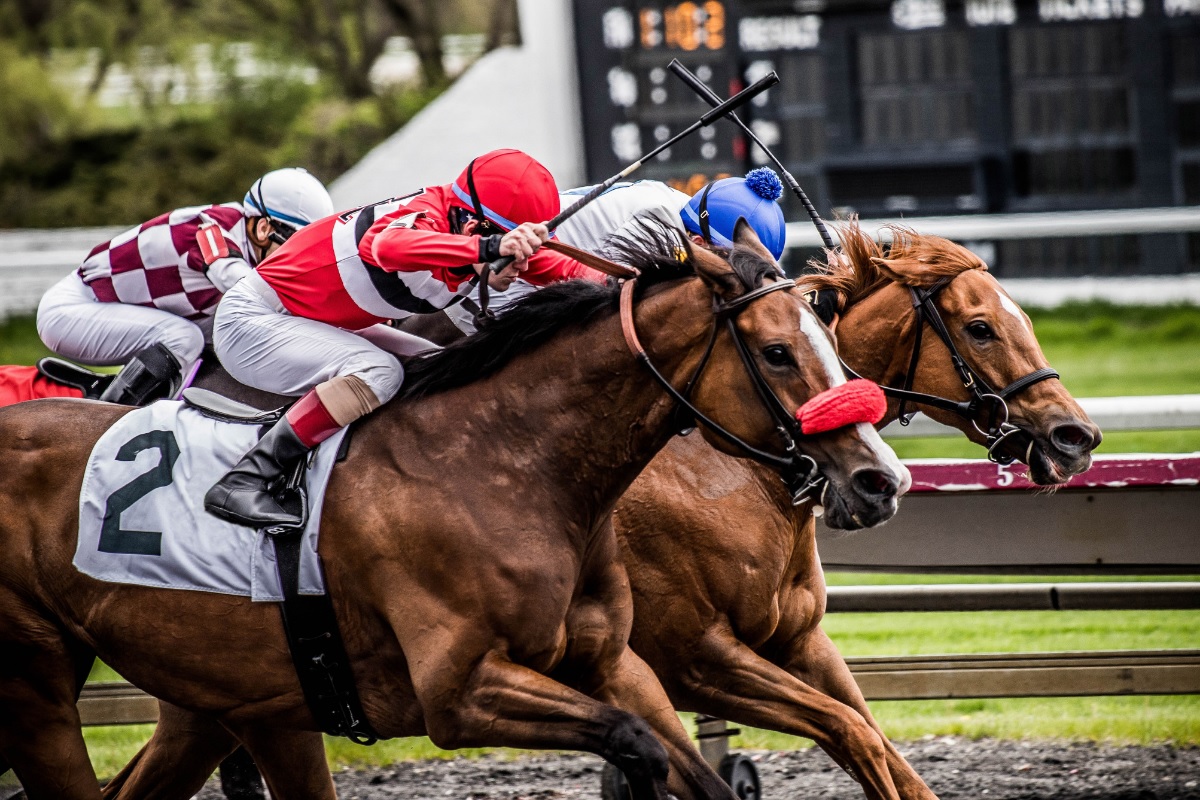
Thoroughbreds can reach incredible speeds during sprints, typically topping out between 40 and 45 miles per hour over short distances. These bursts are often observed during races of six furlongs or less, where explosive acceleration is critical for gaining position early in the race. A combination of long, strong legs, powerful hindquarters, and a lean, aerodynamic body enables these horses to cover ground quickly.
Individual horses vary in top speed due to genetics, training, and fitness. While elite racehorses like Secretariat have recorded peak speeds approaching 45 miles per hour, most competitive thoroughbreds sustain slightly lower maximums. Sprinting at these speeds requires tremendous cardiovascular endurance and muscular coordination. Trainers use interval training, specialized diets, and careful conditioning to maximize speed potential while preventing injury.
Factors Affecting Maximum Speed
Several factors influence the top speed a thoroughbred can achieve. Genetics play a central role, as horses descended from successful sprinters or classic-distance winners often inherit muscle composition and cardiovascular traits that enhance speed. Track surface, weather conditions, and race distance also impact performance. Firm, dry tracks generally allow faster times, while wet or uneven surfaces can slow a horse and increase risk of strain or injury.
Training methods are equally important. Horses conditioned for sprints develop explosive power in their hindquarters, while long-distance thoroughbreds focus on stamina. Rider skill, including timing, weight management, and strategy, also contributes to how efficiently a horse converts energy into speed. Age and overall health further determine whether a thoroughbred can reach its peak velocity safely and consistently.
Speed Over Distance and Endurance
While top sprint speeds are impressive, thoroughbreds also demonstrate remarkable endurance, sustaining high velocities over middle distances ranging from one to one and a half miles. Over longer races, the maximum speed naturally decreases as energy is distributed to maintain a strong pace without exhausting the horse prematurely.
A horse’s stride length and frequency are key factors in sustaining speed over distance. Elite thoroughbreds maintain long, efficient strides combined with rapid leg turnover, allowing them to cover ground quickly without overexertion. Oxygen intake, efficient circulation, and muscle glycogen stores also influence how long they can maintain near-maximum speeds. Trainers carefully balance sprint and endurance workouts to optimize both short-distance explosiveness and long-distance stamina.
Comparing Thoroughbreds to Other Breeds
Thoroughbreds are faster than most horse breeds due to their selective breeding for speed and athleticism. While Quarter Horses excel at short sprints with explosive acceleration, thoroughbreds maintain higher speeds over longer distances, making them ideal for classic flat racing. Warmbloods and draft breeds prioritize strength and endurance rather than peak speed, which explains why thoroughbreds dominate competitive racing events worldwide.
By understanding the maximum speed of a thoroughbred horse, owners and enthusiasts gain insight into the breed’s extraordinary athletic capabilities. These speeds highlight the importance of genetics, training, and careful management to ensure horses reach their potential safely, reflecting the dedication and expertise required in the world of thoroughbred racing.
Thoroughbred Horse Gaits and Their Speeds
Understanding the gaits of a thoroughbred horse is essential for evaluating performance, training, and racing strategy. Gaits determine how efficiently a horse moves, the energy required for different distances, and how speed can be maximized. Thoroughbreds primarily use four gaits—walk, trot, canter, and gallop—each with distinct mechanics, speed ranges, and applications in training or racing.
Walk: The Slowest and Energy-Conserving Gait
The walk is the slowest gait, typically covering three to four miles per hour in thoroughbreds. This four-beat gait is characterized by each hoof moving independently in a regular sequence, providing a smooth and stable motion. Although it is slow, the walk is vital for warming up, cooling down, and conserving energy between faster gaits.
During long-distance training, walking helps maintain cardiovascular activity without overexertion. It also allows horses to explore terrain safely, strengthening muscles and ligaments gradually. Walks are used in rehabilitation after injury or intense exercise to prevent stiffness and promote circulation.
For riders and trainers, understanding the walk’s rhythm is crucial for assessing balance and posture. A smooth, steady walk indicates soundness and readiness for more demanding gaits, making it a foundational aspect of thoroughbred conditioning.
Trot: Moderate Speed and Conditioning
The trot is a two-beat diagonal gait, with the horse moving opposite front and hind legs simultaneously. Typical trotting speeds for thoroughbreds range from six to eight miles per hour, depending on fitness and terrain. This gait is more demanding than walking, engaging core and leg muscles while improving stamina.
Trotting is often incorporated into training routines to build cardiovascular strength without the extreme stress of a gallop. It also allows riders to assess responsiveness, balance, and gait symmetry, which are important for overall performance.
Maintaining a consistent trot over varied terrain improves muscle tone, endurance, and coordination. For thoroughbreds, trotting also facilitates recovery between sprints, helping the horse transition efficiently from low-speed to high-speed gaits while maintaining energy reserves.
Canter: Controlled Speed for Long Distances
The canter is a three-beat gait, offering moderate speed ranging from eight to fifteen miles per hour in thoroughbreds. It is smoother than the trot and less exhausting than a full gallop, making it ideal for longer rides or race preparation. The canter allows horses to cover distance efficiently while maintaining stamina.
Cantering engages the hindquarters for propulsion, while the forelimbs absorb impact, promoting balanced muscle development. Trainers use the canter for conditioning, teaching horses rhythm, and preparing them for faster gaits in a controlled manner.
Canter speed varies depending on horse fitness, track conditions, and rider cues. Mastering this gait allows thoroughbreds to conserve energy during early stages of a race while remaining capable of accelerating into a gallop when necessary, highlighting its strategic importance.
Gallop: Maximum Speed and Racing Gait
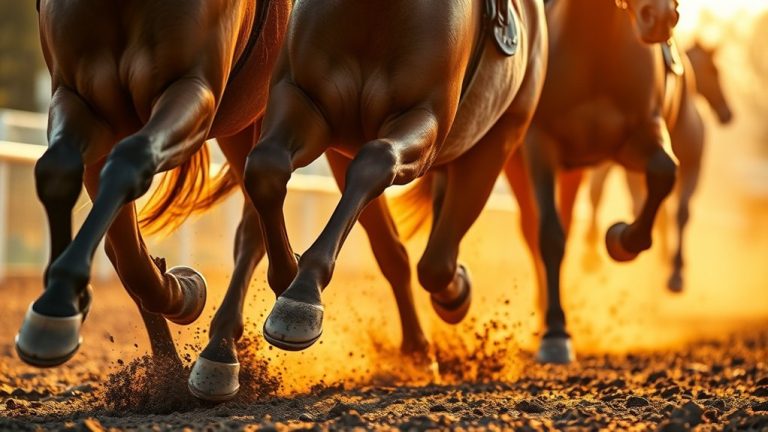
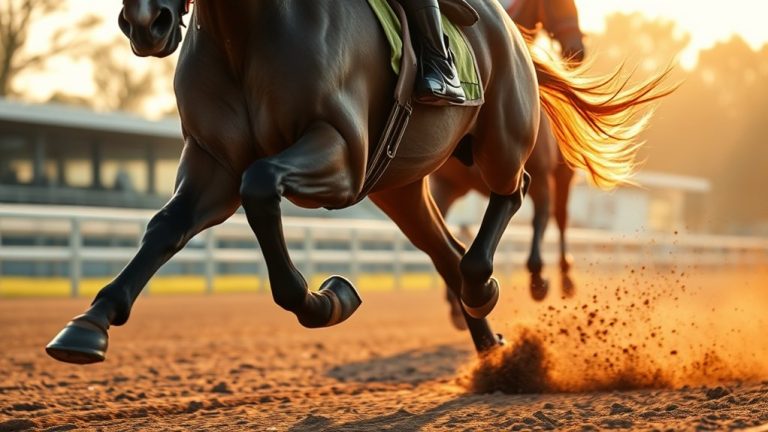
The gallop is the fastest gait, used primarily in sprinting and competitive racing. Thoroughbreds can reach speeds of 35 to 45 miles per hour during a full gallop. This four-beat gait relies on explosive power from the hindquarters, a long stride, and rapid leg turnover to achieve maximum velocity.
Galloping is energy-intensive and usually sustained over short distances, making it essential for final stretches of a race or high-speed training intervals. Proper conditioning, nutrition, and technique are critical for maintaining speed without causing injury.
This gait showcases the thoroughbred’s athleticism, highlighting strength, endurance, and coordination. Understanding gallop mechanics helps trainers optimize performance, prevent fatigue, and safely push horses to reach peak racing potential while maintaining long-term soundness.
Comparing Gait Speeds and Applications
Each gait serves a distinct purpose in training and racing. Walking conserves energy, trotting builds stamina, cantering balances speed and endurance, and galloping maximizes racing performance. Skilled trainers leverage these gaits strategically to condition horses, manage energy, and achieve peak speed at the right moments.
By analyzing thoroughbred gaits and their speeds, owners, trainers, and riders gain a deeper understanding of movement efficiency, race strategy, and overall horse fitness, highlighting the importance of biomechanics in maximizing performance.
Training Methods to Enhance Speed
Developing the speed of a thoroughbred horse requires a combination of physical conditioning, proper nutrition, and strategic training techniques. Trainers focus on building muscular strength, cardiovascular endurance, and efficient gait mechanics to maximize performance on the racetrack. Understanding these methods provides insight into how top racehorses achieve their remarkable velocity and maintain peak athletic condition.
Interval Training for Strength and Endurance
Interval training is one of the most effective methods for enhancing speed in thoroughbreds. This approach alternates periods of high-intensity gallops with slower-paced recovery work. Short, intense sprints build explosive power and stimulate fast-twitch muscle fibers, while recovery intervals improve aerobic capacity and stamina.
Trainers carefully design intervals based on the horse’s age, fitness level, and upcoming race distances. For example, a typical session may involve several 400-meter sprints followed by walking or trotting breaks. This allows the horse to push maximum effort while minimizing fatigue and risk of injury.
Interval training also improves cardiovascular efficiency, enabling thoroughbreds to sustain higher speeds for longer distances. Regularly implementing this method develops strength, coordination, and mental focus, preparing horses for competitive racing conditions. The structured alternation between exertion and recovery ensures balanced development of speed and endurance.
Hill Work and Resistance Training
Incorporating uphill gallops or hill work strengthens hindquarters, shoulders, and core muscles, all of which are critical for acceleration and propulsion. Working against resistance improves power generation, stride length, and overall speed potential. This type of training simulates the challenges of varied terrain and builds muscle endurance.
Hill work also enhances cardiovascular fitness and joint stability, reducing the likelihood of fatigue or injury during a race. Trainers often adjust slope intensity and distance based on the horse’s condition, gradually increasing difficulty as strength improves.
This method not only builds physical strength but also boosts mental toughness. Horses learn to maintain rhythm and balance under challenging conditions, improving coordination and stride efficiency. Proper execution of hill work translates directly to improved speed on flat racetracks.
Sprint Drills and Gait Optimization
Targeted sprint drills focus on refining a horse’s mechanics for maximum velocity. These exercises encourage proper stride length, leg turnover, and posture during high-speed gallops. Trainers monitor gait, using cues to improve efficiency and reduce wasted energy.
Sprint drills may include timed short-distance runs, resistance bands, or treadmill sessions to analyze and enhance movement patterns. Consistent repetition helps the horse develop muscle memory for optimal stride rhythm, leading to faster acceleration and sustained top-end speed.
Riders play a critical role in maintaining balance and signaling cues during sprints. Proper coordination between horse and rider ensures energy is applied efficiently, minimizing strain and enhancing overall performance. These drills also strengthen neuromuscular control, allowing thoroughbreds to respond quickly during races.
Nutrition and Recovery Strategies
Effective speed training extends beyond exercise; nutrition and recovery are equally vital. High-quality feed, rich in protein and energy sources, supports muscle growth and repair. Electrolytes and hydration help maintain performance during intense workouts.
Recovery protocols include cool-down periods, stretching, massage, and occasional light walking or trotting sessions. Adequate rest allows muscles to repair and adapt to training stresses, preventing fatigue or injury. Trainers often schedule training intensity based on recovery status to maintain consistent improvement.
Combining proper nutrition and recovery with interval, hill, and sprint training maximizes a thoroughbred’s speed potential. By addressing both physical and physiological needs, these methods ensure the horse remains healthy, strong, and capable of reaching peak performance during races.
Genetics and Breeding for Speed
Genetics play a critical role in determining the speed and athletic potential of thoroughbred horses. Breeding programs carefully select stallions and mares based on lineage, racing performance, and inherited traits that enhance muscular development, cardiovascular efficiency, and stride mechanics. Understanding how genetics influence speed provides insight into why some horses excel on the track while others have average performance.
The Role of Lineage in Speed
A horse’s lineage significantly impacts its potential for speed. Thoroughbreds are often traced back to three primary foundation sires, whose genetic traits shaped modern racing horses. Horses descending from successful sprinters or classic-distance winners are more likely to inherit fast-twitch muscle fibers, strong hindquarters, and efficient cardiovascular systems.
Selective breeding focuses on combining desirable traits from both sire and dam to optimize offspring performance. Pedigree analysis evaluates factors such as race times, endurance, temperament, and conformation. Horses with a history of strong finishes or record-breaking sprints are often favored for breeding, increasing the likelihood that their offspring will inherit similar speed advantages.
Breeding for lineage also considers genetic diversity to avoid inbreeding, which can compromise health and reduce athletic performance. By balancing inherited traits and genetic variation, breeders aim to produce horses capable of both rapid acceleration and sustained speed.
Muscle Fiber Composition and Genetic Influence
Muscle fiber type is a crucial genetic factor affecting speed. Thoroughbreds with a higher proportion of fast-twitch fibers excel in explosive sprints, while those with more slow-twitch fibers are better suited for longer distances. Breeders analyze lineage to estimate fiber composition, using performance records and sometimes genetic testing.
Fast-twitch fibers allow powerful, rapid contractions that generate maximum propulsion. Slow-twitch fibers, in contrast, support endurance and fatigue resistance. The ideal thoroughbred combines a balance of these fibers, enabling both acceleration and stamina during competitive races.
Training can enhance fiber efficiency, but inherent genetic composition largely determines the upper limit of speed. Selecting breeding pairs with complementary fiber traits increases the probability of producing offspring with superior performance potential.
Conformation and Structural Genetics
Physical conformation, influenced by genetics, plays a major role in speed. Horses with long, strong legs, deep chests, and well-muscled hindquarters generate greater stride length and propulsion. Structural traits such as shoulder slope, back length, and hoof size directly affect gait efficiency and running mechanics.
Breeders evaluate conformation alongside lineage to predict how offspring will perform. Ideal structural traits reduce energy wastage during motion and help maintain balance at high speeds. Genetic inheritance ensures that favorable conformation traits can be passed through generations, shaping the athletic capability of modern thoroughbreds.
Proper alignment of skeletal and muscular structures also reduces injury risk, allowing horses to train harder and perform consistently. By combining conformation assessment with pedigree analysis, breeders aim to produce horses with both speed and durability.
Strategic Breeding Practices
Modern breeding programs integrate genetics, performance data, and conformation evaluation to maximize speed potential. Artificial insemination, careful pairing, and embryo transfer are sometimes used to ensure desirable traits are preserved and propagated. Breeding decisions consider not only raw speed but temperament, adaptability, and trainability.
Through strategic selection, breeders increase the likelihood of producing elite racehorses capable of achieving record-breaking speeds. Genetic knowledge, combined with thoughtful pairing and management, continues to shape the future of thoroughbred racing and maintains the breed’s reputation as one of the fastest in the world.
People Also Asked
What Is The Average Speed Of A Thoroughbred Horse?
The average speed of a thoroughbred horse depends on the gait and distance being covered. During races, they can maintain speeds between 35 and 40 miles per hour over short distances. For longer distances, their pace may slow to 25–30 miles per hour to conserve energy.
Factors like fitness level, age, and track conditions affect speed. Well-trained horses on a firm track often reach higher speeds, while younger or less experienced horses may perform below average. Understanding their average speed helps you plan training and anticipate race performance effectively.
How Fast Can A Thoroughbred Horse Gallop?
The gallop is the fastest gait of a thoroughbred horse, used primarily in sprinting and racing. During a full gallop, a thoroughbred can reach speeds of 35 to 45 miles per hour. Elite racehorses like Secretariat have been recorded at peak speeds approaching the upper limit.
Galloping requires explosive power from the hindquarters and efficient stride mechanics. Maintaining a gallop over long distances requires endurance, which is built through careful conditioning and training. Knowing a horse’s gallop speed helps you gauge racing potential and determine optimal race strategy.
Do Thoroughbred Horses Have Different Speeds Over Different Distances?
Yes, thoroughbred speed varies with distance. They reach peak velocity in short sprints but must pace themselves for longer races to avoid exhaustion. Over distances like one mile, horses maintain slightly lower speeds to preserve stamina.
Training focuses on balancing acceleration and endurance. Sprinters develop fast-twitch muscles for explosive bursts, while middle-distance thoroughbreds train to sustain speed over longer periods. Understanding this variation helps you optimize race planning, ensuring that horses can perform at their best without risking fatigue or injury during competitions.
What Factors Affect How Fast A Thoroughbred Can Run?
Multiple factors influence thoroughbred speed. Genetics, muscle fiber composition, conformation, and cardiovascular health determine a horse’s natural potential. Environmental conditions such as track surface, weather, and race terrain also affect performance.
Training and nutrition are equally critical. Proper conditioning builds stamina and strength, while a high-quality diet supports energy needs and muscle recovery. Rider skill and race strategy can also enhance speed by ensuring efficient energy use. Combining these factors gives a clear understanding of what determines a thoroughbred’s maximum velocity.
Can Training Increase A Thoroughbred’s Speed?
Yes, training can significantly enhance a thoroughbred’s speed. Techniques such as interval training, hill work, and sprint drills improve cardiovascular endurance, muscular power, and stride efficiency. Consistent, structured workouts allow horses to develop explosive acceleration and maintain higher speeds over longer distances.
Rider skill and coaching also play a role, guiding the horse to optimize stride length, balance, and responsiveness. However, genetics set the upper limit of potential speed. While training improves performance, a horse’s natural physical attributes ultimately determine how fast it can run.
How Does Age Impact Thoroughbred Horse Speed?
Age has a noticeable effect on thoroughbred speed. Young horses, typically two to three years old, are still developing muscles, coordination, and stamina, which may limit peak performance. Horses generally reach their top speed potential between three and six years of age.
Older horses may experience a gradual decline in acceleration and endurance due to wear on joints, muscles, and cardiovascular capacity. Understanding the age factor helps you plan training and racing schedules effectively, ensuring the horse performs at optimal speed while minimizing injury risk.
How Do Track Conditions Influence Thoroughbred Speed?
Track conditions greatly impact how fast a thoroughbred can run. Firm, dry tracks allow for maximum traction, stride efficiency, and faster times. Conversely, wet, muddy, or uneven surfaces reduce speed, increase the risk of slipping, and require greater energy expenditure.
Riders must adjust their approach based on conditions, pacing the horse to prevent fatigue or injury. Proper understanding of track influence ensures you can predict performance accurately and implement race strategies that help the horse maintain speed while navigating varying terrain safely.
Final Words
Thoroughbred horses are among the most athletic and well-bred animals in the equine world, designed for speed, endurance, and agility. Their performance is influenced by training, genetics, health, and environmental factors, making each horse unique in its capabilities. By understanding these variables, you gain insight into their remarkable racing potential.
When considering how fast can a thoroughbred horse run, it’s important to remember that peak speeds often occur under optimal conditions with skilled jockeys, proper training, and well-maintained tracks. Age, muscle development, and breed lineage all play key roles in determining performance. Even subtle differences in stride length or gait efficiency can significantly affect a horse’s overall speed.
Ultimately, assessing a thoroughbred’s speed goes beyond just numbers. Observing their training, behavior, and physical condition provides a more complete understanding. With careful attention to these factors, you can appreciate the full scope of how fast a thoroughbred horse can run and the incredible athleticism these horses demonstrate.