Appaloosa and Paint Horse: Differences, Traits, and Care Tips
Appaloosa and Paint horses are two of the most visually striking and popular horse breeds, celebrated for their unique coat patterns, versatility, and friendly temperaments. Both breeds have a rich history and have been used in a variety of equestrian disciplines, from ranch work and trail riding to competitive events and show arenas. Their distinct appearances make them easily recognizable and admired by horse enthusiasts worldwide.
The question of appaloosa and paint horse often arises when comparing breeds with spotted or multicolored coats. Appaloosas are known for their leopard-spotted patterns, mottled skin, and striped hooves, while Paint horses typically feature large patches of white combined with other colors, resulting in bold, eye-catching markings.
Beyond their coats, both breeds are valued for their intelligence, athleticism, and adaptability. They are capable of performing in various disciplines, and their friendly, trainable nature makes them suitable for riders of all experience levels.
Physical Characteristics of Appaloosa and Paint Horses
Appaloosa and Paint horses are widely admired for their distinctive appearances, which make them stand out in the equestrian world. Beyond their colorful coats, both breeds display unique physical traits that reflect their history, genetics, and purpose. Observing these characteristics provides insight into their adaptability, athleticism, and suitability for various riding disciplines.
Coat Patterns and Coloration
One of the most recognizable features of Appaloosa and Paint horses is their coat patterns. Appaloosas are famous for their leopard-spotted patterns, which can range from small, scattered spots to large, bold patches across the body. Additional traits include mottled skin, particularly around the muzzle and eyes, and striped hooves, which are unique identifiers of the breed.
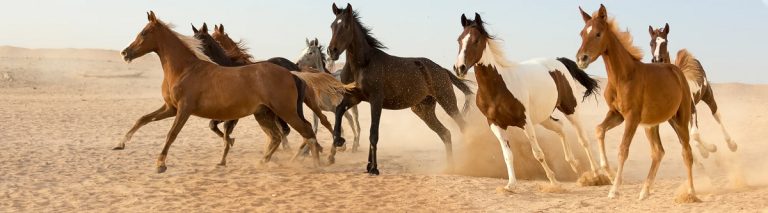
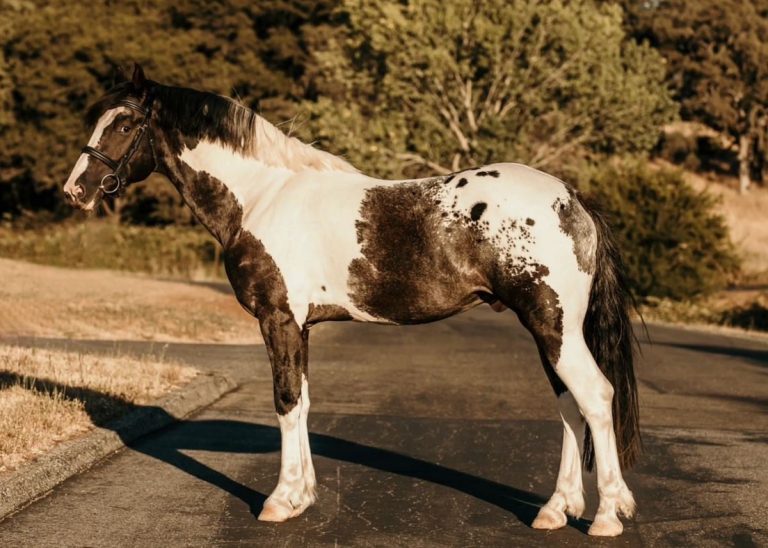
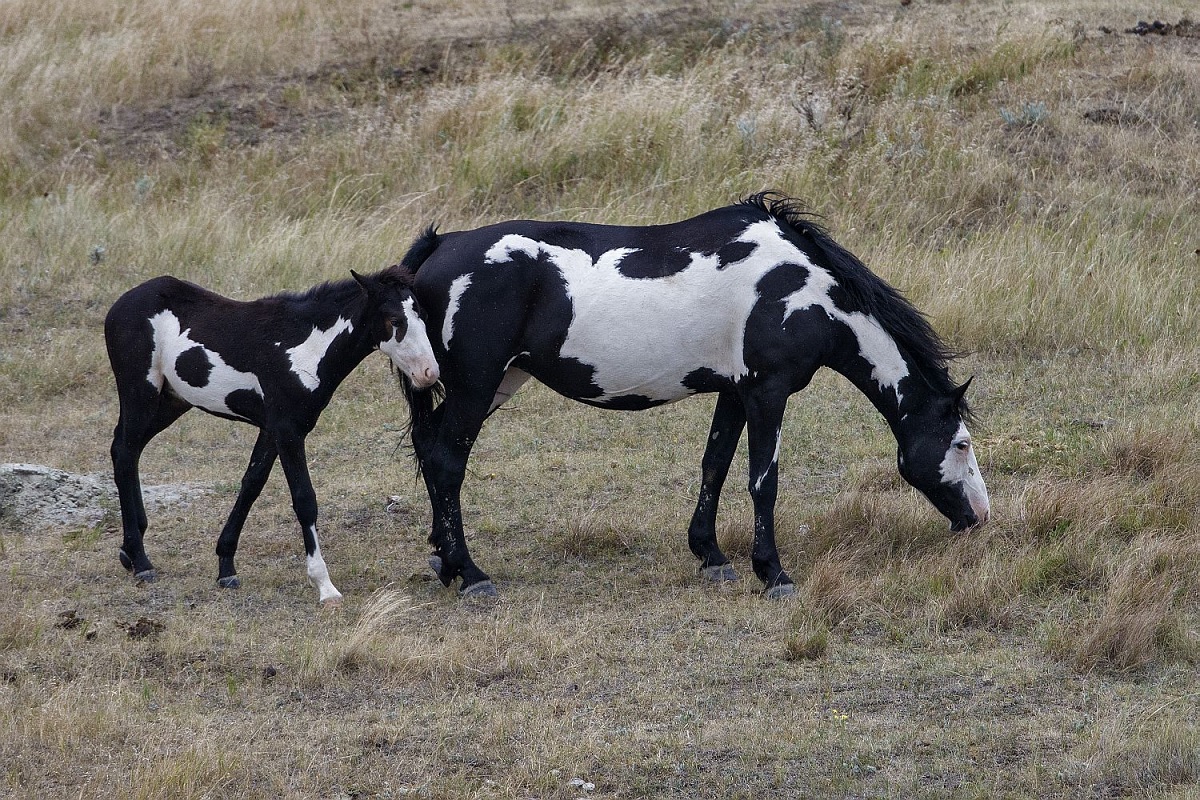
Paint horses, by contrast, feature a combination of white and darker colors in large, irregular patches. Their patterns are categorized into overo, tobiano, and tovero, with each type displaying a distinct arrangement of white and colored areas. Unlike Appaloosas, Paint horses rarely have spotted skin or striped hooves, though their striking coat patterns make them equally eye-catching.
Coat coloration is not merely aesthetic; it often provides insight into genetic lineage and breed standards. Both breeds are selectively bred to maintain their characteristic markings while preserving soundness, temperament, and athletic ability, making them highly prized among horse enthusiasts.
Body Structure and Build
Appaloosa and Paint horses share a generally athletic build, though subtle differences reflect their historical use and breeding goals. Appaloosas are typically medium-sized horses, standing between 14 and 16 hands, with a strong, compact body designed for endurance and versatility. Their muscular hindquarters and well-proportioned legs enable them to perform effectively in ranch work, trail riding, and competitive events.
Paint horses are often slightly taller, ranging from 15 to 16.2 hands, with a more refined build suited for speed, agility, and power. Their strong shoulders, deep chest, and well-developed hindquarters allow for balanced movement, making them excellent for western riding disciplines, English riding, and competitive arenas.
Both breeds display excellent conformation, which contributes to soundness, endurance, and overall performance. Observing muscle tone, skeletal alignment, and limb structure provides insight into their athletic potential and functional adaptability. Proper body structure also reduces the risk of injury and supports long-term health, especially during rigorous training or riding activities.
Head, Facial Features, and Eyes
Facial characteristics are another distinguishing aspect of Appaloosa and Paint horses. Appaloosas often have a refined head with a straight profile and expressive, wide-set eyes. Their mottled skin around the eyes and muzzle adds to their distinctive appearance and is a breed-specific trait. Large, alert eyes contribute to excellent vision, aiding in navigation across diverse terrains.
Paint horses also have expressive heads, with a slightly broader forehead and well-defined jawline. Their eyes are often dark and intelligent, reflecting their alertness and trainability. Unlike Appaloosas, Paint horses typically do not display mottled skin around the muzzle, but their facial markings may include white blazes or other patterns that complement their coat coloration.
Facial features contribute not only to aesthetics but also to function. Large, well-positioned eyes enhance peripheral vision and depth perception, which are critical for trail riding, ranch work, and competitive activities. Alert and expressive facial traits also aid communication between horse and rider, fostering responsiveness and trust.
Legs, Hooves, and Locomotion
Both Appaloosa and Paint horses have strong, well-formed legs and hooves that support athletic performance and endurance. Appaloosas often display slightly shorter, more compact legs that enhance stability during long rides or rugged terrain navigation. Their hooves are typically hard and durable, providing traction across varied landscapes.
Paint horses, with longer, straighter legs, are optimized for speed, agility, and power. Their hooves are proportionate and strong, supporting explosive movement and extended activity. Both breeds benefit from proper hoof care, which maintains balance, prevents injury, and supports efficient locomotion.
The combination of leg structure and hoof strength allows both breeds to perform in diverse disciplines. Appaloosas excel in endurance-focused activities and trail riding, while Paint horses shine in agility-based sports, barrel racing, and show events. Their locomotion capabilities reflect both natural athleticism and selective breeding for functional performance.
Temperament and Behavior Comparison
The temperament and behavior of Appaloosa and Paint horses are key factors that make these breeds popular among riders of all experience levels. Understanding how each breed responds to handling, training, and environmental stimuli helps owners and trainers select the right horse for specific activities. While both breeds are generally friendly and intelligent, subtle differences in personality, energy levels, and social behavior influence their suitability for various equestrian disciplines.
General Temperament and Disposition
Appaloosas are known for their calm, steady, and cooperative nature. They tend to be patient, reliable, and adaptable, making them ideal for trail riding, ranch work, and therapeutic programs. Their temperament allows them to remain composed in stressful situations, responding well to gentle and consistent handling.
Paint horses are also friendly and intelligent, but they often exhibit slightly higher energy levels compared to Appaloosas. Their playful and curious disposition makes them highly trainable, but it can require firm and confident guidance from the rider. Paint horses thrive in competitive environments where responsiveness and quick learning are essential.
Both breeds demonstrate loyalty and willingness to bond with humans. While Appaloosas may lean toward a more reserved approach, Paint horses are often more outgoing and social. Recognizing these differences helps riders match horse personality to intended use and experience level.
Trainability and Learning Behavior
Appaloosas are highly trainable due to their patience and focus. They respond well to repetitive training routines, positive reinforcement, and structured lessons. Their ability to remain attentive over extended periods makes them suitable for beginner riders or complex tasks requiring consistency.
Paint horses are equally trainable but often exhibit quicker reactions and a higher drive for activity. Their intelligence allows them to learn new commands rapidly, and they excel in disciplines requiring agility and responsiveness, such as barrel racing or trail competitions. Trainers may need to balance their energy to prevent overexcitement or restlessness during sessions.
Both breeds benefit from early socialization and exposure to varied environments. The combination of intelligence and eagerness to please ensures that well-trained Appaloosas and Paint horses can perform effectively across multiple equestrian disciplines, from recreational riding to competitive sports.
Social Behavior and Herd Dynamics
In herd settings, Appaloosas display a calm and cooperative demeanor. They generally maintain stable social hierarchies and interact harmoniously with other horses. Their predictable behavior reduces conflicts, allowing smooth integration into mixed herds or multi-horse facilities.
Paint horses, while also social, often exhibit higher curiosity and energy when interacting with other horses. They may take the initiative in play or exploration, which can sometimes lead to brief bouts of competition or assertive behavior. Despite this, Paints typically respect herd structure once social boundaries are established.
Understanding these behavioral differences helps handlers manage group dynamics, ensuring safety and harmony in stables, pastures, or during trail rides. Both breeds benefit from structured social interaction, which promotes mental stimulation and emotional well-being.
Response to Stress and Environmental Stimuli
Appaloosas are known for their steady and resilient response to stress. They remain composed in unfamiliar environments, noisy arenas, or during exposure to potential threats. This level-headedness makes them reliable partners for riders who require a calm and predictable horse.
Paint horses, while generally stable, may react more actively to sudden stimuli due to their higher energy and curiosity. They often show alertness and quick decision-making, which can be advantageous in competitive settings but requires careful management to prevent overreaction.
Both breeds benefit from consistent exposure to varied environments, helping them build confidence and adaptability. Understanding their stress responses allows riders to create appropriate training routines and manage situations safely, ensuring optimal performance and a positive horse-rider experience.
Energy Levels and Riding Suitability
Energy levels are a distinguishing factor between the breeds. Appaloosas typically have moderate energy, making them well-suited for endurance riding, trail work, and long sessions that require steady performance. Their temperament allows for sustained focus and cooperation.
Paint horses often display higher energy and agility, excelling in fast-paced or competitive disciplines. Their lively nature and responsiveness make them ideal for activities requiring quick maneuvers, such as western events, show jumping, or competitive trail challenges.
By understanding these differences in temperament, trainability, and energy, riders can choose the breed that best matches their experience, riding goals, and preferred equestrian activities. Proper alignment between horse behavior and rider expectations ensures safety, enjoyment, and optimal performance.
Performance and Riding Capabilities
Appaloosa and Paint horses are renowned for their versatility and athleticism, making them favorites in both recreational and competitive equestrian activities. Their physical build, temperament, and training responsiveness contribute to their performance across multiple disciplines. Understanding their riding capabilities allows owners and riders to maximize each breed’s potential and select the right horse for specific tasks or competitions.
Trail Riding and Endurance
Appaloosas excel in trail riding and endurance activities due to their sturdy build, calm temperament, and sure-footedness. Their strong legs and compact muscles allow them to navigate uneven terrain, steep hills, and long-distance routes efficiently. Riders benefit from the horse’s patience and steady pace, which reduces fatigue over extended rides.
Paint horses are also capable trail companions, but their higher energy levels may require careful pacing on longer excursions. Their agility and responsiveness make them particularly adept at handling obstacles, navigating narrow paths, and performing sudden maneuvers when needed. Both breeds enjoy varied terrain, and proper conditioning ensures sustained endurance while maintaining comfort and safety for the rider.
Trail and endurance performance highlight each breed’s adaptability. Appaloosas favor steady, consistent movement, whereas Paints combine energy with agility, offering a dynamic riding experience. Understanding these differences helps riders plan routes and riding strategies for optimal performance.
Western Riding and Ranch Work
Both Appaloosa and Paint horses shine in western riding disciplines and ranch work. Appaloosas’ calm demeanor, strength, and focus make them excellent for cattle handling, roping, and herding tasks. Their endurance allows them to work for extended periods without tiring, while their intelligence enables them to follow complex commands and respond accurately to rider cues.
Paint horses bring energy, agility, and responsiveness to western riding. Their natural athleticism and quick reflexes allow rapid direction changes, sharp turns, and precise maneuvers. This makes them particularly effective in rodeo events, barrel racing, and other competitive western disciplines where speed and coordination are essential.
Ranch and western performance demonstrates how each breed’s physical and behavioral traits translate into functional capabilities. Appaloosas prioritize reliability and endurance, while Paints emphasize agility, speed, and dynamic responsiveness, providing options suited to various rider needs.
English Riding and Show Performance
Both breeds are also capable in English riding disciplines, including dressage, jumping, and eventing. Appaloosas’ balanced build and calm nature make them well-suited for dressage and flatwork, where precision, rhythm, and consistency are key. Their adaptability allows them to perform in competitive shows while maintaining composure under pressure.
Paint horses excel in jumping and agility-based events, benefiting from their strong hindquarters, energy, and responsiveness. They can execute complex maneuvers with speed and precision, making them competitive in hunter/jumper classes, eventing, and gymkhana activities. Trainers often focus on refining gait mechanics, posture, and coordination to maximize performance in these disciplines.
Both breeds’ versatility across English riding demonstrates their ability to adapt training to meet performance requirements. While Appaloosas excel in controlled, endurance-based tasks, Paints thrive in high-energy, agile routines, offering riders options for both recreational and competitive riding.
Versatility Across Disciplines
Overall, Appaloosa and Paint horses demonstrate remarkable versatility across multiple riding disciplines. Their combination of athleticism, intelligence, and trainability allows them to transition seamlessly between trail riding, western and English competitions, and ranch work. Riders can match breed strengths to specific activities, optimizing performance, safety, and enjoyment.
Understanding performance and riding capabilities ensures that each horse is utilized effectively. Appaloosas provide steady endurance and reliability, while Paints offer energy, agility, and responsiveness. Both breeds’ adaptability and functional abilities make them ideal partners for riders seeking versatile and dependable equine companions.
Breeding and Lineage Differences
Appaloosa and Paint horses have distinct breeding histories and lineage, which influence their physical characteristics, temperament, and performance capabilities. Understanding these differences is crucial for breeders, riders, and enthusiasts seeking specific traits in a horse. Each breed reflects a unique combination of ancestry, selection goals, and genetic traits that have shaped their development over centuries.
Appaloosa Breeding and Historical Lineage
Appaloosas trace their lineage back to the Nez Perce people of the Pacific Northwest in the United States. The Nez Perce selectively bred horses for stamina, agility, and unique coat patterns. Their goal was to produce a reliable, versatile horse capable of traveling long distances, navigating rugged terrain, and performing in various equestrian activities.
The modern Appaloosa retains these characteristics, including a compact, muscular build, endurance, and distinctive spotted coat patterns. Breeders today emphasize preserving these historical traits while enhancing performance and soundness. Pedigree analysis focuses on maintaining leopard-spotted patterns, strong hooves, and athletic ability, ensuring that each generation reflects the breed’s heritage.
Genetic diversity is also a priority in Appaloosa breeding programs to prevent inbreeding and maintain overall health. By combining historical lineage with selective breeding practices, modern Appaloosas remain a breed valued for both appearance and functionality.
Paint Horse Breeding and Lineage
Paint horses have a different historical background, originating from crosses between American Quarter Horses, Thoroughbreds, and other stock horses with distinctive color patterns. Early settlers in North America selected these horses for ranch work, speed, and versatility, emphasizing both athletic ability and bold coat markings.
Paint horse lineage focuses on producing a balanced, athletic horse capable of western disciplines, ranch work, and competitive events. Breeding programs classify coat patterns into overo, tobiano, and tovero, ensuring that offspring display the characteristic bold patches of white and color. Unlike Appaloosas, Paints generally do not have mottled skin or striped hooves, highlighting the distinction in physical traits between the breeds.
Modern Paint breeding combines performance traits with visual appeal, ensuring horses excel in both functional and show settings. Lineage records are carefully maintained to track performance achievements, conformation, and temperament, supporting continued development of the breed.
Genetic Differences and Inherited Traits
The breeding goals of Appaloosas and Paints have created notable genetic distinctions. Appaloosas often inherit leopard complex genes, which produce unique coat patterns, mottled skin, and striped hooves. These traits are highly valued in maintaining breed identity. In contrast, Paints inherit genes responsible for large, irregular patches of white and color, with a focus on bold visual appeal rather than skin or hoof markings.
Beyond appearance, lineage influences athletic and behavioral traits. Appaloosas are historically bred for endurance, calmness, and reliability, while Paints are selected for energy, agility, and responsiveness. Understanding these inherited characteristics helps breeders predict performance potential and temperament in offspring.
Genetic testing and pedigree analysis are increasingly used to guide breeding decisions. These tools ensure desirable traits are preserved while minimizing the risk of genetic disorders, supporting the long-term health and functionality of both breeds.
Impact on Breeding Strategies and Selection
The differences in lineage and breeding goals affect how Appaloosas and Paints are selected for mating. Appaloosa breeders prioritize preserving historical traits, endurance, and soundness alongside visual coat patterns. Paint breeders focus on performance potential, athleticism, and bold markings suitable for show or western disciplines.
Selecting breeding pairs requires careful evaluation of pedigree, conformation, temperament, and health. Breeders often cross individuals to reinforce desired traits while maintaining genetic diversity. These strategies ensure that offspring reflect the strengths of each breed, whether in endurance, agility, or visual appeal.
Understanding the breeding and lineage differences between Appaloosa and Paint horses provides insight into why each breed displays unique traits. It also highlights how historical selection, genetic inheritance, and modern breeding practices shape their performance, appearance, and suitability for various equestrian activities.
Grooming and Care Requirements
Proper grooming and care are essential for maintaining the health, appearance, and performance of Appaloosa and Paint horses. Both breeds have unique coat patterns, skin characteristics, and physical needs that require tailored attention. Regular grooming not only keeps horses looking their best but also supports overall well-being, prevents health issues, and strengthens the bond between horse and handler.
Coat Care and Brushing Techniques
The distinctive coats of Appaloosa and Paint horses require regular grooming to maintain cleanliness and shine. Appaloosas have spotted patterns, mottled skin, and sometimes striped hooves, which may be prone to dirt accumulation in lighter areas. Gentle daily brushing with soft and medium bristle brushes helps remove dust, debris, and loose hair while stimulating blood circulation for healthier skin.
Paint horses, with their bold white patches and colored areas, benefit from frequent grooming to prevent stains, especially on lighter sections. Specialized coat cleaners or whitening shampoos can be used to maintain brightness without damaging hair. Grooming also provides an opportunity to inspect for skin irritations, scratches, or signs of infections that may develop under coat patterns.
Both breeds benefit from regular mane and tail care. Detangling with wide-tooth combs, trimming split ends, and conditioning ensures the hair remains smooth and manageable. This care not only enhances appearance but also prevents discomfort or tangling during riding.
Hoof Care and Maintenance
Hoof health is a crucial aspect of horse care, directly impacting mobility, performance, and overall well-being. Appaloosas and Paints require routine cleaning and inspection to remove dirt, rocks, and debris that could cause discomfort or infection. A daily pick-through helps prevent thrush, abscesses, and hoof damage.
Trimming and shoeing schedules vary depending on activity level, terrain, and growth rate. Appaloosas, often used in endurance and trail riding, benefit from strong, durable hooves, while Paint horses engaged in competitive or western disciplines may require specialized shoes for performance and traction. Regular visits from a qualified farrier ensure proper hoof alignment, balance, and overall health.
Observing hoof growth patterns and detecting cracks, chips, or uneven wear is essential. Maintaining healthy hooves supports sound locomotion and prevents lameness, enabling both breeds to perform effectively across riding disciplines.
Nutrition and Feeding Considerations
Nutrition plays a vital role in maintaining coat shine, energy levels, and overall health for Appaloosa and Paint horses. Both breeds benefit from a balanced diet consisting of high-quality forage, grains, vitamins, and minerals. Forage such as hay or pasture forms the foundation, supporting digestive health and providing sustained energy.
Supplementation may be necessary for horses engaged in intense training or competitive work. Vitamins, minerals, and electrolytes support muscle function, joint health, and hydration. Ensuring adequate access to clean water is equally important, particularly for horses exposed to long rides or hot climates.
Monitoring weight and body condition helps prevent obesity or malnourishment, which can affect performance and long-term health. Feeding schedules, portion control, and adjusting diet based on activity level ensure both Appaloosas and Paints maintain optimal fitness and vitality.
Daily Care and Health Monitoring
Daily care routines include checking vital signs, observing behavior, and assessing overall condition. Both breeds require attention to eyes, ears, and skin to detect early signs of irritation, infection, or discomfort. Grooming sessions provide an opportunity to evaluate physical health while reinforcing the horse-handler bond.
Vaccinations, deworming, and dental care are essential components of regular health management. Appaloosas and Paints benefit from scheduled veterinary visits to maintain immune function, prevent parasites, and ensure proper dental alignment. Preventive care reduces the risk of illness and contributes to a longer, healthier life.
Regular exercise complements grooming and feeding routines. Both breeds require physical activity to maintain muscle tone, joint flexibility, and mental stimulation. A combination of ridden work, turnout, and controlled exercises ensures horses remain fit, engaged, and well-adjusted.
Seasonal and Environmental Care
Seasonal changes affect grooming and care needs. In winter, Appaloosas and Paints may grow thicker coats that require detangling and proper blanketing to maintain warmth. During summer, extra attention to sweat, fly protection, and hydration is necessary.
Environmental management, including clean stalls, well-maintained pastures, and shelter from extreme weather, supports health and reduces stress. Bedding should be regularly replaced to prevent respiratory issues or hoof infections. Additionally, both breeds benefit from fly sprays, masks, and protective equipment during peak insect seasons.
By addressing coat, hoof, nutrition, daily care, and environmental needs, Appaloosa and Paint horses can remain healthy, comfortable, and ready for performance. Comprehensive grooming and care routines promote longevity, athletic ability, and a strong horse-handler relationship.
Frequently Asked Questions
What Is The Difference Between An Appaloosa And Paint Horse?
Appaloosas and Paint horses differ primarily in coat patterns, lineage, and historical development. Appaloosas are known for leopard spots, mottled skin, and striped hooves, traits inherited from Nez Perce breeding programs. Paint horses, on the other hand, display large, bold patches of white and color in overo, tobiano, or tovero patterns, often crossed with Quarter Horses or Thoroughbreds.
Besides appearance, their temperament and performance slightly differ. Appaloosas are typically calmer and more endurance-oriented, while Paints have higher energy and excel in agility-based disciplines. Understanding these distinctions helps you select the right breed for riding goals, training, and temperament preferences.
Which Breed Is Better For Trail Riding, Appaloosa Or Paint?
Both breeds are suitable for trail riding, but Appaloosas often excel in long-distance or endurance rides due to their steady temperament and stamina. Their sure-footedness and calm demeanor make navigating rugged terrain safer and less stressful for riders.
Paint horses can also perform well on trails, especially if you prefer a more energetic and responsive mount. Their agility helps when maneuvering obstacles or uneven paths. Choosing between the two depends on your riding style, experience, and whether you prioritize endurance and calmness or energy and responsiveness during trail rides.
Are Appaloosa And Paint Horses Good For Beginners?
Yes, both Appaloosas and Paints can be suitable for beginner riders, but their suitability depends on individual temperament. Appaloosas are often calmer, patient, and more forgiving of inexperienced handling, making them ideal for learning basic riding skills.
Paint horses, while friendly and intelligent, may have higher energy levels that require a confident rider to manage effectively. With proper training, both breeds can develop into reliable mounts. Assessing each horse’s personality, training level, and responsiveness ensures a safe and positive experience for beginner riders.
How Do Appaloosa And Paint Horses Perform In Competitions?
Both breeds are versatile in competitive environments. Appaloosas perform well in endurance events, trail competitions, and western disciplines due to their calm temperament, endurance, and sure-footedness. They can also compete in dressage and eventing when properly trained.
Paint horses excel in high-energy competitions such as barrel racing, jumping, and rodeo events, benefiting from their agility, speed, and responsiveness. Both breeds are intelligent and trainable, allowing them to adapt to various disciplines. Understanding their strengths helps you choose competitions that highlight their natural abilities.
What Are The Grooming Requirements For Appaloosa And Paint Horses?
Grooming for both breeds involves regular brushing, mane and tail care, and inspection of hooves. Appaloosas require attention to their mottled skin, striped hooves, and lighter coat areas, while Paint horses need extra care for white patches to prevent stains.
Both breeds benefit from frequent mane and tail detangling, washing, and conditioning. Hooves should be cleaned and trimmed regularly, and routine health checks help detect skin irritations or infections. Consistent grooming maintains coat health, promotes comfort, and strengthens the bond between horse and handler.
How Do Their Temperaments Differ?
Appaloosas are generally calm, patient, and steady, making them reliable for endurance, trail riding, and beginner riders. Their behavior is predictable, and they adapt well to new environments or tasks.
Paint horses tend to have higher energy levels and curiosity, which makes them responsive and agile but sometimes more excitable. They thrive in active disciplines like western competitions or show events. Understanding these temperament differences allows you to match the breed with your riding goals, experience level, and preferred handling style.
Can Appaloosa And Paint Horses Be Used For Both English And Western Riding?
Yes, both Appaloosas and Paint horses are versatile enough for English and Western riding disciplines. Appaloosas excel in western events, endurance, and trail riding but can also perform in English activities like dressage and jumping. Their calm nature and trainability allow adaptation across riding styles.
Paint horses are similarly versatile, with athleticism and responsiveness that make them suitable for Western disciplines like barrel racing and roping, as well as English events such as show jumping and eventing. Both breeds’ adaptability ensures they can meet a variety of equestrian goals while maintaining performance and enjoyment for the rider.
Final Words
Both Appaloosas and Paint Horses are remarkable breeds, each offering unique physical traits, temperaments, and capabilities that make them stand out in the equine world. Understanding their differences in coat patterns, body structure, and personality helps riders and owners choose the breed that best fits their lifestyle and riding goals. Careful attention to training, nutrition, and grooming ensures that either breed thrives and reaches its full potential.
When considering Appaloosa and Paint Horse, it’s important to recognize how their traits influence performance and compatibility. Appaloosas are often praised for their endurance, intelligence, and striking spotted patterns, while Paint Horses are celebrated for their strength, versatility, and bold, colorful markings. Each breed brings a distinctive presence to competitions, trail rides, or recreational riding.
Ultimately, owning either breed requires dedication, knowledge, and appreciation of their special qualities. By understanding the nuances of Appaloosa and Paint Horse, you can make informed decisions, enjoy rewarding experiences, and build a strong bond with these extraordinary horses.