What Is a Wild Horse Called? Types, Traits, and Fascinating Facts
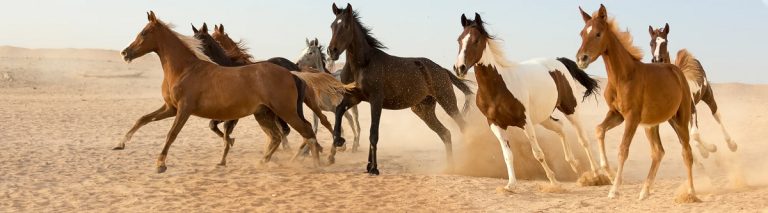
Wild horses have captured human imagination for centuries, symbolizing freedom, strength, and untamed beauty. These animals roam open landscapes with minimal human interference, living in herds and developing social structures essential for survival. Their behavior, adaptability, and endurance have made them a fascinating subject for wildlife enthusiasts, historians, and conservationists alike.
Many people wonder what is a wild horse called, and understanding this term helps distinguish these free-roaming equines from domesticated or feral horses. While “wild” suggests complete independence, some wild horse populations are descended from escaped or released domestic horses that adapted to natural environments over generations.
Knowing what a wild horse is called is more than just vocabulary; it provides insight into the history, habitat, and conservation status of these animals. Different regions may have unique names for their wild horses, reflecting local culture and environmental conditions.
Studying these horses also reveals important lessons about ecosystems, herd dynamics, and the challenges wild populations face today. Their resilience and social behavior continue to inspire admiration worldwide.
Common Names for Wild Horses
Wild horses are known by a variety of names around the world, reflecting their origins, behaviors, and regional significance. These names help differentiate truly wild populations from feral or domesticated horses and provide insight into local culture and history. Understanding these common names allows enthusiasts and researchers to identify specific herds and appreciate their unique characteristics.
Mustang: The Iconic North American Wild Horse
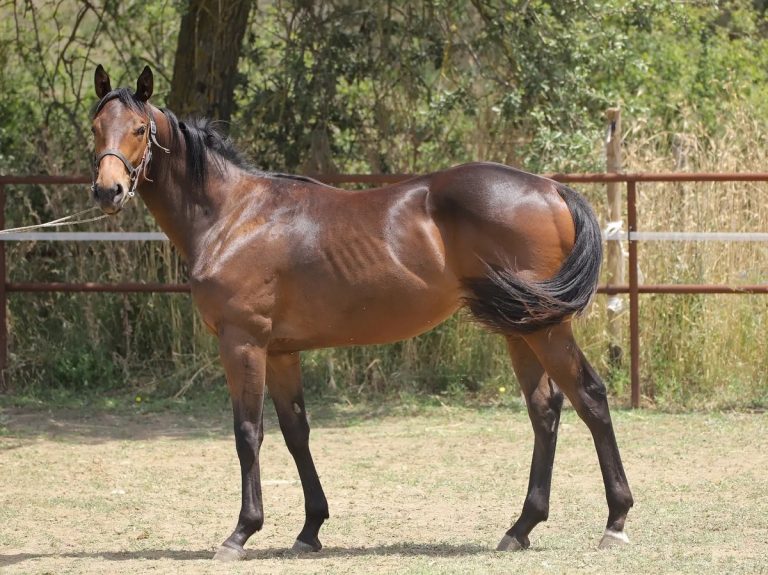
The term “mustang” refers to free-roaming horses primarily found in the western United States. These horses are descendants of domesticated Spanish horses brought to the Americas in the 16th century. Over time, some escaped or were released and adapted to life in the wild, forming the herds we recognize today.
Mustangs are managed by government agencies in the U.S., particularly the Bureau of Land Management, to maintain population health and prevent overgrazing. Their name has become synonymous with the spirit of freedom and resilience in North American culture. Mustangs vary widely in size, color, and conformation, reflecting their diverse ancestry.
People often use “mustang” interchangeably with “wild horse” in North America, though it specifically describes this managed population. Understanding this distinction helps distinguish true wild herds from feral horses or private livestock, ensuring accurate identification and conservation practices.
Brumby: Australia’s Free-Roaming Horses
In Australia, wild horses are commonly called “brumbies.” These horses are descendants of escaped or released domestic stock brought by European settlers. Over generations, they adapted to Australia’s diverse landscapes, from arid plains to forested regions. Brumbies have become an iconic symbol of the Australian outback.
Brumbies live in herds with complex social structures, including dominant stallions, mares, and younger horses. Their adaptability allows them to survive harsh conditions, including drought and extreme temperatures, though they can also impact native vegetation and ecosystems.
The name “brumby” is unique to Australia, highlighting regional language and history. While often romanticized in literature and film, brumbies are also the subject of management debates, balancing cultural significance with environmental conservation. Understanding this name helps differentiate Australian wild horses from other global populations.
Przewalski’s Horse: The True Wild Horse of Mongolia
Przewalski’s horse, also known as the Takhi, is considered the only remaining true wild horse species, never domesticated. Native to Mongolia and parts of Central Asia, these horses are smaller and stockier than most modern horses, with distinct dun coloring and a short, upright mane.
Przewalski’s horses were once nearly extinct in the wild, surviving primarily in captivity before successful reintroduction programs restored populations in their native habitats. Their scientific and cultural significance is immense, as they provide insight into the ancestral traits of modern domestic horses.
This species is globally recognized by its proper name rather than general terms like mustang or brumby. Learning the term “Przewalski’s horse” is important for conservation, research, and ecological education, emphasizing the distinction between true wild horses and feral populations.
Feral Horses: Escaped Domestic Horses Living Wild
Feral horses are domestic horses that have returned to a wild state after escaping or being released by humans. Unlike species like Przewalski’s horse, feral horses originated from domesticated stock and have adapted to survive independently in various environments.
Feral populations exist worldwide, from the American West to New Zealand, and they often carry names specific to their region, such as “Kaimanawa horses” in New Zealand. These horses live in herds and exhibit survival behaviors similar to naturally wild horses, although their lineage differs.
Understanding the distinction between feral horses and true wild horses is important for both conservation and management. While feral horses display wild behaviors, their ancestry and dependence on human-introduced genetics set them apart from species like Przewalski’s horse or managed mustangs.
Other Regional Names and Variations
In addition to mustangs, brumbies, and Przewalski’s horses, other regions have their own names for free-roaming horses. For example, the Exmoor pony in the United Kingdom represents a semi-wild breed that has lived in forests and moors for centuries. Similarly, the Namib horse of Namibia roams desert landscapes with minimal human intervention.
These regional names reflect both cultural heritage and ecological adaptation. Each population has unique behaviors, physical traits, and survival strategies shaped by local climates and landscapes. Knowing these names helps researchers, travelers, and horse enthusiasts identify and respect local wild horse populations accurately.
Understanding the variety of common names for wild horses highlights the global diversity of these animals. From managed mustangs to the truly wild Przewalski’s horse, each name tells a story of history, adaptation, and the enduring bond between humans and horses.
Physical Characteristics of Wild Horses
Wild horses are recognized not only for their untamed behavior but also for their distinctive physical traits. These characteristics help them survive in diverse and often harsh environments while distinguishing them from domesticated horses. Observing their physical features provides insight into their adaptations, health, and overall fitness in the wild.
Body Size and Build Variations
Wild horses vary widely in size and build depending on their species, region, and ancestry. Mustangs in North America generally stand between 13 and 15 hands high, with a sturdy but compact frame suited for long-distance travel across plains and hills. Brumbies in Australia are often slightly taller, ranging from 14 to 16 hands, with a leaner build that allows agility in rugged terrain.
Przewalski’s horse, considered the only true wild horse species, has a stockier frame with shorter legs, a deep chest, and a wide barrel-shaped body. This robust build allows them to endure harsh winters and forage for sparse vegetation. Feral horses generally mirror the body characteristics of their domestic ancestors but may develop stronger musculature and stamina over generations in the wild.
Physical build influences endurance, speed, and the ability to navigate obstacles. Wild horses have evolved a balance of strength and agility that supports survival, predator avoidance, and effective herd movement. These structural traits reflect both their genetics and environmental pressures.
Coat Colors and Patterns
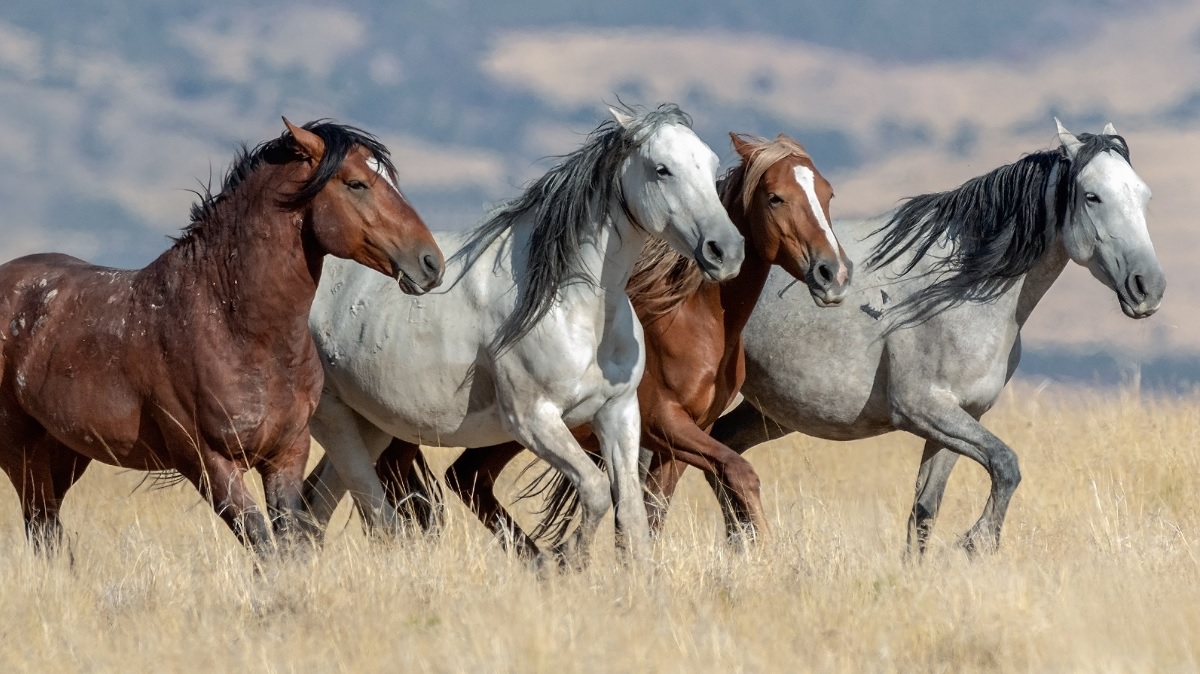
Wild horses display a wide range of coat colors and patterns, often shaped by natural selection and ancestry. Common colors include bay, chestnut, black, and dun, with some exhibiting distinctive markings like stripes, spots, or dorsal lines. Dun coats, often seen in Przewalski’s horses, provide camouflage in grasslands and desert terrains, aiding in predator avoidance.
Mustangs show significant coat variation due to their mixed heritage, including solid, pinto, and roan patterns. Brumbies also exhibit diverse colors, though natural selection favors muted tones that blend with the Australian landscape. Coat thickness varies seasonally, thickening in winter to provide insulation and shedding in summer to prevent overheating.
Patterns and coat adaptations are not merely aesthetic; they serve functional roles in thermoregulation, camouflage, and social signaling. Understanding coat characteristics allows observers to identify specific herds, track lineage, and study how wild horses adapt to environmental pressures over time.
Mane, Tail, and Hoof Adaptations
Mane, tail, and hoof structures in wild horses are uniquely adapted for survival. Manes and tails are often thick and coarse, providing protection from insects, sun exposure, and harsh weather. Mustangs and brumbies typically have flowing manes that can reach shoulder length, while Przewalski’s horses have shorter, upright manes suited for extreme climates.
Hoof structure is critical for navigating rugged terrain. Wild horses often develop hard, durable hooves naturally, which support long-distance travel across rocky, sandy, or uneven ground. Regular movement over varied surfaces naturally wears and strengthens hooves, unlike domesticated horses that require frequent trimming.
Tails aid in balance and act as insect repellents. Combined with mane and hoof adaptations, these physical traits contribute to survival efficiency. Observing these features provides insight into environmental pressures and how wild horses maintain mobility and health in their habitats.
Head, Facial Features, and Sensory Adaptations
Wild horses possess distinct head and facial characteristics that support their survival. Large eyes positioned on the sides of their heads provide nearly 360-degree vision, helping detect predators early. Nostrils are wide and flexible, allowing efficient breathing during fast movement or long-distance travel.
Przewalski’s horses have a slightly shorter, broader head, with pronounced jawlines that facilitate grazing on tough, fibrous vegetation. Mustangs and brumbies have longer, more refined heads that aid in selective grazing. Ear mobility is a critical adaptation, allowing them to detect distant sounds and communicate subtle cues within the herd.
Sensory adaptations also include acute hearing and smell, which enhance predator detection and social communication. These head and facial traits are functional, supporting feeding efficiency, herd coordination, and overall survival. Understanding these characteristics is essential for distinguishing wild horses from domesticated or feral populations.
Muscle Structure and Locomotion
Wild horses possess strong, well-developed muscles that support endurance, speed, and agility. Their shoulder and hindquarter muscles are particularly prominent, allowing them to run swiftly, navigate uneven terrain, and escape predators. Long legs with flexible joints enhance stride efficiency and jumping capability.
Daily movement in search of food and water strengthens cardiovascular systems and maintains muscular tone. Unlike domesticated horses, wild horses develop lean, functional musculature rather than aesthetic bulk. This adaptation allows sustained travel over long distances and quick bursts of speed when necessary.
Muscle structure is closely linked to body shape, hoof health, and overall physical endurance. It also reflects environmental adaptation, with horses in mountainous regions developing more powerful hindquarters and those in open plains optimizing for long-distance speed. Observing locomotion provides valuable insight into survival strategies and physical conditioning in the wild.
Behavior and Social Structure
Wild horses are known not just for their physical endurance but also for their complex behaviors and social structures. Observing their interactions provides insight into herd dynamics, survival strategies, and communication methods. Understanding these aspects is essential for anyone studying or managing wild horse populations. Social hierarchy, mating behaviors, and daily activity patterns all play crucial roles in herd stability and overall health.
Herd Hierarchy and Leadership
Wild horses live in structured herds with clear social hierarchies. Typically, a herd consists of a dominant stallion, several mares, and their offspring. The stallion leads the group, making decisions about movement, grazing areas, and protection from predators. He also defends the herd from rival males.
Within the herd, mares establish their own pecking order, which determines access to resources like water, shade, and food. Younger horses learn social cues from observing older, experienced members. This structure reduces conflict and ensures that the herd functions efficiently as a unit.
Foals are gradually introduced to the hierarchy as they mature, learning their place through interaction with other horses. Social stability in a herd is crucial; disruption of leadership or hierarchy can lead to increased aggression, stress, and reduced reproductive success. Observing herd behavior helps researchers predict responses to environmental pressures and human intervention.
Communication and Social Interaction
Wild horses communicate constantly through vocalizations, body language, and facial expressions. Whinnies, nickers, snorts, and squeals convey different messages, from alarm signals to social bonding. Ear position, tail movement, and stance also provide cues about mood, dominance, or submission.
Grooming is another important social behavior, especially among mares. Mutual grooming strengthens bonds and reduces tension within the herd. Foals learn to interact and read social signals by observing these behaviors. Stallions may also use physical displays, like rearing or pawing, to assert dominance or warn rivals.
Social interaction is essential for group cohesion and survival. Effective communication helps avoid conflicts, coordinates movement across landscapes, and enhances predator awareness. It also plays a role in reproductive success, as stallions use cues to monitor mare fertility and readiness.
Daily Activity and Movement Patterns
Wild horses exhibit predictable daily routines, driven by feeding, water needs, and predator avoidance. They typically graze during cooler parts of the day, rest during peak heat, and move frequently to access fresh vegetation. This movement helps maintain hoof health, muscle tone, and overall endurance.
The herd’s stallion guides movement, deciding when to relocate or rest. Mares may lead smaller grazing groups within the herd temporarily while still maintaining cohesion. Foals and young horses learn routes, grazing habits, and survival skills through observation and mimicry.
Seasonal changes influence activity patterns as well. In harsh climates, herds may travel long distances for food and water, adjusting movement to conserve energy. These routines reflect adaptability, ensuring survival in diverse environments. Studying these patterns helps researchers understand habitat requirements and migration behavior.
Reproductive Behavior and Herd Stability
Reproduction plays a central role in herd structure. Stallions typically maintain exclusive breeding rights with the mares in their herd, defending them from rival males. Mares display estrus behaviors that signal fertility, and the stallion monitors these cues closely.
Foals are nurtured and protected by both mothers and the herd, ensuring survival. Young males eventually leave the herd to form bachelor groups or challenge dominant stallions for control. This dispersal maintains genetic diversity and prevents inbreeding within the herd.
Understanding reproductive behavior is critical for population management. It affects herd size, genetic health, and long-term survival. Social stability, combined with reproductive success, ensures that wild horse populations remain resilient despite environmental pressures and human activity.
Habitats and Geographic Distribution
Wild horses are highly adaptable animals that inhabit a wide range of environments around the world. Their distribution is influenced by climate, terrain, food availability, and human activity. Studying their habitats provides insight into how these animals survive, reproduce, and interact with other species in both natural and managed ecosystems.
North American Plains and Desert Regions
In North America, wild horses such as mustangs are primarily found in the western United States. They inhabit expansive plains, desert areas, and mountainous regions where sparse vegetation and open landscapes allow for grazing and mobility. These areas provide natural forage but require horses to travel significant distances for water.
Mustangs have adapted to arid and semi-arid environments by developing efficient foraging behaviors and strong endurance. Herds typically move in search of fresh grass, avoiding overgrazed areas. The varied terrain, including hills and rocky outcrops, also encourages strong musculature and agile locomotion.
Management programs by the Bureau of Land Management help maintain sustainable populations in these regions, balancing horse conservation with land use for livestock and recreation. Understanding the specific habitat needs of North American wild horses is essential for effective population management and ecological preservation.
Australian Outback and Brumby Populations
In Australia, brumbies roam freely across remote parts of the outback, including deserts, grasslands, and forested regions. These wild horses descended from domestic stock released or escaped during European settlement. Over generations, they adapted to harsh conditions, extreme temperatures, and limited water sources.
Brumbies often travel long distances daily to locate grazing and water. Herds navigate rough terrain, from rocky escarpments to sandy plains, showcasing remarkable endurance and resilience. Vegetation and seasonal rainfall patterns strongly influence their movements and reproductive cycles.
While culturally significant, brumbies also present challenges for land management. Their grazing can impact native flora, requiring careful balance between conservation, ecological preservation, and maintaining populations in sustainable numbers. Studying brumby habitats helps guide these management efforts.
Central Asia and Przewalski’s Horse Range
Przewalski’s horses, considered the only true wild horse species, inhabit the steppes and semi-arid regions of Mongolia and Central Asia. These horses thrive in grasslands, river valleys, and shrublands where they can forage for hardy grasses and shrubs. Winters are harsh, with extreme cold and limited food availability.
These horses have evolved to survive in challenging conditions, developing thick coats, strong hooves, and social behaviors that optimize group survival. Herds migrate seasonally within their range to access forage and water. Their historic range was much broader, but conservation efforts have reintroduced populations to select reserves after near extinction.
Understanding their natural habitat helps ensure conservation success. Maintaining suitable grazing areas, monitoring water sources, and minimizing human disturbances are key strategies for preserving Przewalski’s horse populations in their native ecosystems.
Other Regional Populations
Other wild horse populations exist worldwide, including the Exmoor ponies in the UK, the Kaimanawa horses in New Zealand, and Namib horses in Namibia. Each population has adapted to unique environmental conditions, from moorlands and forest edges to desert landscapes.
These regions highlight the adaptability of wild horses to diverse climates and terrains. Population density, resource availability, and predation pressures shape herd behavior and movement patterns. Understanding these geographic distributions helps researchers and conservationists identify habitat requirements and plan sustainable management strategies.
Diet and Survival Strategies
Wild horses survive in diverse and often harsh environments by developing flexible diets and effective survival strategies. Their ability to forage efficiently, adapt to seasonal changes, and protect themselves from predators allows them to thrive in plains, deserts, and mountainous regions. Understanding what wild horses eat and how they manage resources is essential for both conservation and population management.
Grazing Habits and Foraging Behavior
Wild horses are primarily grazers, feeding on grasses, sedges, and other low-lying vegetation. They spend a large portion of the day moving and grazing, often traveling long distances to locate fresh forage. This behavior helps maintain a balanced diet while avoiding overgrazed areas.
Horses have adapted to efficiently digest coarse, fibrous plants that other herbivores may avoid. Their teeth continuously grow to handle wear from constant grazing on abrasive vegetation. In arid regions, horses may rely on drought-resistant grasses and browse from shrubs or small trees to supplement their diet.
Foals learn grazing habits by observing their mothers, gradually developing skills to identify nutritious plants and avoid toxic species. Herd movement and foraging patterns are also influenced by social structure, as dominant mares often guide grazing locations to optimize food access for the group.
Water Access and Seasonal Adaptation
Access to water is a critical factor in wild horse survival. Horses in arid or semi-arid environments have developed the ability to travel long distances between water sources, sometimes covering several miles daily. They are capable of drinking large amounts quickly when water is available and can survive short periods with limited hydration.
Seasonal changes affect both food and water availability. In winter or dry periods, horses rely more on woody plants, dried grasses, and stored body fat. Herds adjust their movement patterns according to rainfall, snow cover, and forage quality, demonstrating remarkable adaptability.
Understanding how horses manage water intake and diet in challenging conditions helps researchers and land managers maintain sustainable populations. It also provides insight into their resilience and ability to thrive in extreme environments.
Predator Avoidance and Energy Conservation
Wild horses balance energy intake and expenditure to survive predation and harsh landscapes. Grazing efficiently while remaining alert allows them to avoid predators such as wolves, mountain lions, or human hunters. Herds often use group vigilance, where some members graze while others watch for danger.
Energy conservation is also key. Horses may rest during the hottest parts of the day or seek sheltered areas during extreme weather. Foals stay close to mares for protection, learning survival strategies through observation.
These dietary habits and survival techniques ensure wild horses maintain health, reproductive success, and endurance in unpredictable habitats, highlighting the importance of adaptive behavior for long-term survival.
Frequently Asked Questions
What Is a Wild Horse Called?
A wild horse is typically called a mustang in North America, a brumby in Australia, or a feral horse in other regions. These horses are descendants of domesticated breeds but have adapted to live freely in natural habitats. You can recognize them by their strong, muscular bodies, resilient hooves, and often unkempt manes and tails.
They form herds for protection and social structure, making them different from purely domestic horses. Understanding what a wild horse is called helps you appreciate their survival instincts and unique behavior in the wild.
How Do You Identify a Wild Horse?
You can identify a wild horse by observing its physical traits and behavior. Wild horses often have rugged, muscular bodies, strong hooves, and a slightly rough coat. Unlike domestic horses, their manes and tails are often long, tangled, or windswept.
Behavior is another key factor. You might see them moving in herds, following leaders, and grazing over large areas. If you notice these traits in horses living independently without human care, you are likely looking at a wild horse.
Are All Mustangs Considered Wild Horses?
Yes, mustangs are considered wild horses, but not all wild horses are mustangs. Mustangs are the free-roaming descendants of domesticated horses in North America. They survive without human care and are protected under federal laws in certain areas.
Other wild horses, like brumbies in Australia or feral horses in Europe, are different breeds adapted to their regions. When asking what a wild horse is called, mustangs are the most famous example, but local names vary widely based on geography and culture.
What Makes a Horse “Wild” Instead of Domesticated?
A horse becomes wild when it lives independently from humans and survives on natural food and water. Unlike domesticated horses, wild horses develop strong instincts for avoiding predators, finding shelter, and navigating challenging terrain.
Herd behavior, natural breeding patterns, and self-regulation of resources are key signs. When you see a horse thriving in the wild without human intervention, you can understand why it is classified as wild and learn what a wild horse is called in that region.
How Do Wild Horses Survive in Harsh Environments?
Wild horses survive by relying on their instincts and strong social structures. They graze on grasses, herbs, and shrubs, and travel long distances to find water. Herds protect younger or weaker members from predators, and dominant leaders guide the group safely.
Their hooves, coats, and digestive systems are adapted for extreme climates. When observing wild horses, you can see how survival strategies define them, which helps you know exactly what a wild horse is called and how it lives freely.
Why Are Some Wild Horses Called Brumbies?
Brumbies are wild horses in Australia that descended from domestic breeds introduced by settlers. They adapted to survive in open plains, forests, and deserts, forming herds and establishing territories.
If you are wondering what a wild horse is called in Australia, brumby is the answer. The name reflects regional culture and history, but like other wild horses, brumbies rely on natural instincts for grazing, water, and herd protection.
Can You Domesticate a Wild Horse?
Yes, you can domesticate a wild horse, but it requires patience, training, and trust-building. Wild horses have strong survival instincts, so they may be skittish, stubborn, or defensive at first. You need to gradually introduce them to humans, teaching them to accept care, grooming, and handling.
Understanding what a wild horse is called helps you know its natural tendencies. Even after domestication, some of their wild traits, like alertness and herd instincts, often remain, reflecting their history of living independently in the wild.
Final Thoughts
Wild horses represent freedom, resilience, and a deep connection to nature, captivating people around the world for centuries. Understanding their behavior, physical traits, and habitats provides valuable insight into how these animals survive and thrive in diverse environments. Studying their populations also highlights the importance of conservation and responsible management.
Many people often ask what is a wild horse called, and the answer varies depending on the region and species. In North America, free-roaming horses are called mustangs, while in Australia, they are known as brumbies. Przewalski’s horse, native to Mongolia, is recognized as the only true wild horse species. Feral horses, which descend from domesticated stock, are another category that shows wild behavior but differs in origin.
Knowing what a wild horse is called is more than terminology; it reflects their history, ecological role, and adaptation strategies. This understanding fosters appreciation and respect for these iconic animals, supporting conservation efforts and responsible coexistence with human activity.