How To Become A Horse Trainer: Step-By-Step Guide To Mastering Horsemanship
Becoming a skilled horse trainer requires a deep understanding of horse behavior, patience, and hands-on experience. Working with horses is as much about building trust and communication as it is about teaching commands or refining performance. Trainers play a vital role in shaping a horse’s physical abilities and temperament, ensuring both safety and success for horse and rider.
Understanding the fundamentals of equine care, behavior, and training techniques lays the foundation for a career in this field. Observing experienced trainers, reading educational resources, and gaining practical experience with different breeds and temperaments helps aspiring trainers develop the skills necessary to handle a variety of challenges.
Learning how to become a horse trainer involves not only technical knowledge but also soft skills like empathy, patience, and problem-solving. Building strong relationships with horses, clients, and other equine professionals is essential for long-term success.
A career as a horse trainer can be rewarding, offering opportunities to work in competitive sports, therapeutic programs, or leisure riding. Dedication, continuous learning, and hands-on practice are key to developing expertise and achieving professional growth in this field.
Essential Skills and Qualities of a Horse Trainer
Becoming a successful horse trainer requires a combination of technical expertise, emotional intelligence, and physical stamina. Trainers must understand equine behavior, communicate effectively, and adapt to different learning styles for both horses and riders. Developing these skills ensures that horses respond positively to training while maintaining safety and trust. Aspiring trainers should cultivate a blend of knowledge, patience, and practical experience to excel in this rewarding profession.
Deep Understanding of Equine Behavior
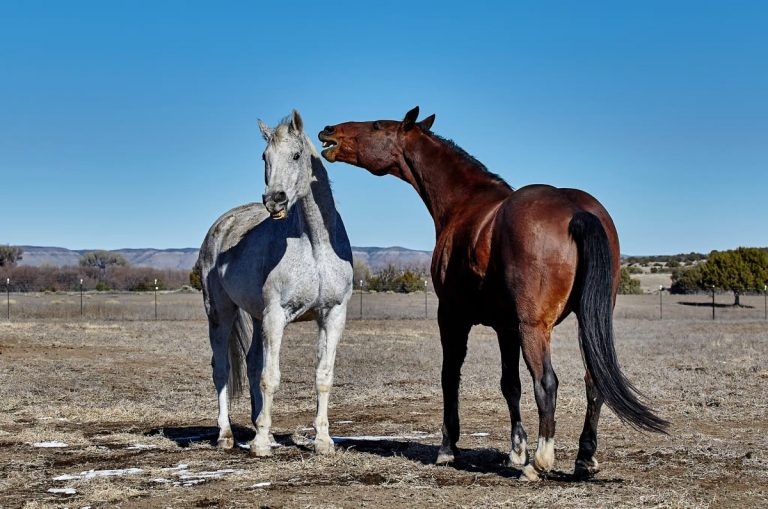
A horse trainer must have a comprehensive understanding of equine behavior. Horses communicate largely through body language, and recognizing subtle cues such as ear position, tail movement, or muscle tension is essential. Trainers need to interpret these signals accurately to anticipate reactions and prevent accidents.
You should also understand herd dynamics, instincts, and stress responses. Horses are prey animals, so fear-based reactions can escalate quickly if not managed properly. Knowledge of learning theory, such as positive reinforcement and habituation, allows trainers to design effective training sessions that are safe, engaging, and productive. Developing this skill comes from observation, hands-on experience, and continuous study of equine psychology. Trainers who understand behavior can build stronger trust with horses, leading to faster learning, improved performance, and a safer environment for both horse and rider.
Patience and Emotional Intelligence
Patience is a cornerstone of effective horse training. Progress may be slow, and setbacks are common. Trainers must remain calm and composed, adapting techniques to suit the horse’s temperament and readiness. Frustration or forceful methods can damage trust, reduce learning efficiency, and cause behavioral issues.
You should also cultivate emotional intelligence, understanding the needs and emotions of both horses and riders. Empathy allows trainers to respond appropriately to fear, resistance, or confusion, tailoring the training plan accordingly. This skill extends to working with clients, helping them stay calm and confident while learning or handling their horses. By combining patience with emotional intelligence, trainers create a positive learning environment, reduce stress for horses, and foster long-term success in training programs.
Physical Fitness and Hands-On Experience
Horse training is physically demanding, requiring strength, endurance, and agility. Trainers spend long hours handling horses, riding, and performing tasks like lunging, grooming, and setting up obstacles. Maintaining good physical fitness helps trainers work safely and effectively.
You should gain hands-on experience in varied environments, from arenas to pastures. Practical exposure teaches problem-solving, quick decision-making, and adaptability when horses behave unpredictably. Consistent practice helps trainers develop timing, coordination, and confidence in their handling skills. Physical stamina combined with practical experience ensures trainers can maintain control, provide effective guidance, and implement training techniques safely for themselves, their clients, and the horses they work with.
Communication and Instructional Skills
Effective communication is vital for a horse trainer, both with horses and human clients. Clear, consistent cues allow horses to understand expectations, while verbal instruction, demonstration, and feedback help riders improve their skills. Trainers must adapt their teaching style to suit individual learning abilities, ensuring comprehension and confidence.
You should focus on concise commands, consistent body language, and positive reinforcement. Strong interpersonal skills build trust and respect with clients, creating a collaborative training environment. Explaining techniques clearly, providing constructive feedback, and demonstrating exercises ensures that horses respond correctly and riders develop competence. Mastering communication enables trainers to guide horses and humans effectively, improving performance, safety, and long-term success in training programs.
Problem-Solving and Adaptability
Every horse presents unique challenges, making problem-solving and adaptability crucial skills. Trainers must assess situations quickly, identify the root cause of behavioral issues, and modify techniques accordingly. Rigid methods rarely succeed with diverse temperaments and learning styles.
You should develop flexibility by experimenting with different approaches, learning from mistakes, and observing experienced trainers. Adapting to changes in environment, health, or rider ability ensures continuity in training while minimizing stress for the horse. Strong problem-solving skills allow trainers to address behavioral issues, improve learning outcomes, and create individualized training plans. Adaptable trainers can navigate unexpected challenges efficiently, ensuring safety, trust, and effective skill development for both horse and rider.
Education and Training Pathways
Becoming a skilled horse trainer requires more than natural talent—it involves structured education, practical experience, and continuous learning. Various pathways exist, ranging from formal equine studies to hands-on apprenticeships. Understanding these options allows aspiring trainers to choose the route that best suits their goals, whether focusing on competitive training, therapeutic programs, or general horse care.
Formal Equine Education
Formal education in equine studies provides a strong foundation in horse anatomy, physiology, nutrition, and behavior. Many colleges and universities offer associate or bachelor’s degrees in equine science, equine management, or equine business. These programs combine classroom instruction with practical training, preparing students for professional careers.
You should focus on courses that cover horse care, training methods, breeding, and equine health. Laboratory work, riding classes, and internships enhance hands-on skills while developing critical thinking and problem-solving abilities. Graduates with formal education gain credibility and a solid theoretical understanding, which can be essential for working with high-performance horses or clients who expect professional expertise. This pathway builds a comprehensive knowledge base and opens doors to diverse opportunities in the equine industry.
Apprenticeships and Mentorships
Hands-on experience is invaluable for aspiring horse trainers. Apprenticeships and mentorships allow individuals to learn directly from experienced professionals while gaining real-world skills in training, grooming, and stable management. This approach emphasizes observation, practical application, and incremental responsibility.
You should seek opportunities at reputable training facilities, competitive barns, or with independent trainers. Learning under a mentor provides exposure to different horse breeds, training techniques, and problem-solving strategies. Apprentices also develop communication skills and professional habits, which are critical for long-term success. This pathway complements formal education or can serve as a standalone entry point for those seeking a direct, practical route into the profession.
Specialized Certifications and Workshops
Certifications and specialized workshops enhance expertise and credibility. Many equine organizations offer programs in areas such as natural horsemanship, competition-specific training, or therapeutic riding. Certifications demonstrate proficiency and commitment to professional standards.
You should choose courses that align with career goals and areas of interest. Workshops provide concentrated learning experiences on topics like behavioral modification, ground handling, or advanced riding techniques. Maintaining certifications through continuing education ensures that trainers stay updated on best practices and emerging methodologies. These credentials help establish trust with clients and employers while expanding career opportunities in specialized niches of horse training.
Continuous Learning and Experience
Horse training is an evolving field, requiring continuous learning and skill development. Attending seminars, reading research, networking with industry professionals, and participating in competitions all contribute to growth and expertise.
You should combine ongoing education with practical experience to refine techniques and adapt to new challenges. Experimenting with training methods, observing horse responses, and seeking feedback from experienced mentors improves both technical and soft skills. Lifelong learning ensures trainers remain competitive, effective, and knowledgeable, ultimately benefiting the horses and clients they work with.
Building Practical Experience
Practical experience is the cornerstone of becoming a competent horse trainer. While education provides foundational knowledge, hands-on interaction with horses develops essential skills such as timing, intuition, and problem-solving. Working directly with horses in real-world environments teaches adaptability, patience, and the ability to respond to unpredictable situations. Aspiring trainers must prioritize gaining experience to complement formal learning and establish credibility in the field.
Working in Stables and Riding Facilities
Starting with stables, barns, and riding facilities provides essential exposure to daily horse care. Tasks such as feeding, grooming, mucking stalls, and basic handling build familiarity with horse behavior and routine management. This foundation allows you to observe horses in various moods, health conditions, and social dynamics.
You should actively seek opportunities to assist experienced trainers or barn managers. Participating in day-to-day operations teaches responsibility, time management, and safety practices. Over time, you gain a deeper understanding of horse behavior, feeding routines, and care protocols. Exposure to a variety of horses—from young foals to senior horses—enhances adaptability and prepares you for future challenges in training programs. Regular hands-on experience also builds confidence, allowing you to interact with horses safely and effectively.
Apprenticeships and Mentorship Programs
Apprenticeships with professional horse trainers offer structured, real-world training opportunities. Under supervision, you can observe training sessions, assist with exercises, and gradually take on more responsibility. Mentorship programs allow for personalized guidance, constructive feedback, and professional development.
You should focus on mentors whose training philosophy aligns with your career goals. Working closely with experienced trainers exposes you to problem-solving techniques, advanced training methods, and client communication skills. Apprenticeships also provide insight into business operations, scheduling, and barn management. By learning directly from professionals, you gain invaluable practical knowledge that cannot be replicated in a classroom. Mentorships foster networking and credibility, helping establish your reputation in the equine industry.
Participating in Competitions and Clinics
Engaging in competitions, shows, or specialized clinics enhances hands-on learning. These environments expose you to different horses, training styles, and performance pressures, sharpening skills under real-world conditions. Competitions also highlight areas for improvement and offer feedback from judges and experienced professionals.
You should actively participate as a handler, assistant, or rider to gain perspective on training and preparation. Observing techniques in action and interacting with other trainers provides insight into problem-solving and effective communication. Clinics focused on specific disciplines, such as dressage, jumping, or natural horsemanship, expand your knowledge and practical application. Exposure to competitive environments strengthens confidence, teaches adaptability, and reinforces best practices in horse training.
Volunteering and Networking Opportunities
Volunteering at therapeutic riding programs, equine rescue centers, or community stables allows you to gain diverse experience while giving back to the equine community. These opportunities expose you to horses with varying temperaments, health challenges, and training needs.
You should take initiative to learn from every situation and document experiences for future reference. Volunteering enhances problem-solving, patience, and understanding of horses with special needs. Networking with professionals and peers during volunteer work can lead to mentorships, apprenticeships, or job opportunities. Practical experience, combined with professional connections, builds a strong foundation for a successful career as a horse trainer.
Specializations Within Horse Training
Horse training is a diverse field, offering multiple avenues for trainers to focus their skills and expertise. Specializing allows trainers to develop mastery in a specific area, meet unique client needs, and stand out in a competitive industry. From performance disciplines to therapeutic work, each specialization requires tailored knowledge, practical experience, and ongoing learning. Understanding the options helps aspiring trainers chart a path aligned with their interests and career goals.
Performance and Competition Training
Performance training focuses on preparing horses for competitions in disciplines such as dressage, show jumping, eventing, and reining. Trainers in this specialization emphasize precision, technique, and peak physical conditioning. Understanding breed-specific abilities and individual horse temperaments is essential for optimizing performance outcomes.
You should develop strong riding skills, knowledge of equine biomechanics, and training methods that enhance speed, agility, and responsiveness. Performance trainers work closely with riders, refining cues, exercises, and routines to achieve competitive excellence. Attention to detail, consistent observation, and an ability to adjust training plans based on performance feedback are critical. Success in this specialization often requires networking within the equestrian competition community and staying current with industry trends and rules. Trainers who excel in performance training contribute directly to both the horse’s athletic potential and the rider’s competitive achievements.
Natural Horsemanship and Behavioral Training
Natural horsemanship focuses on building trust, communication, and cooperation using humane, non-coercive techniques. Trainers emphasize understanding horse psychology and instinctive behavior, applying methods that respect the horse’s natural learning patterns.
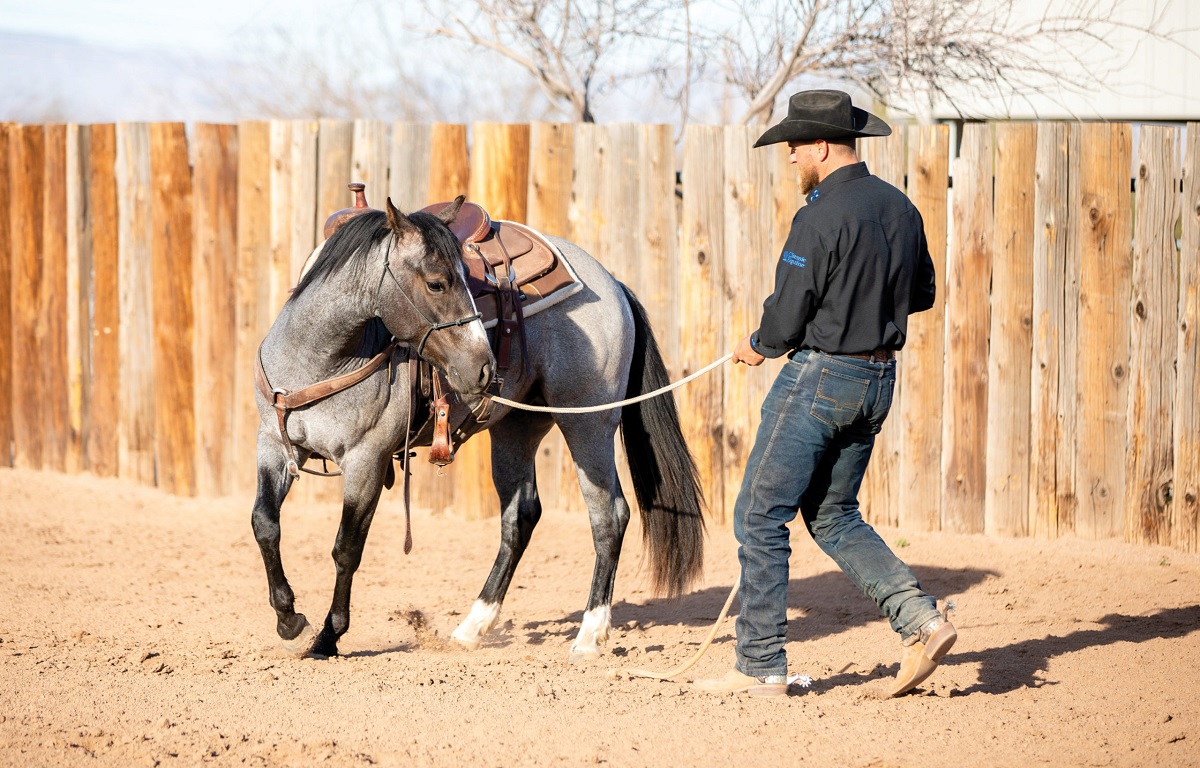
You should cultivate patience, empathy, and excellent observational skills. This approach often involves groundwork, desensitization, and problem-solving to address behavioral challenges such as fear, aggression, or resistance. Natural horsemanship trainers develop long-term relationships with horses, emphasizing cooperation rather than force. This specialization is particularly suited for horses with training difficulties, rescue animals, or clients seeking a gentle and effective training philosophy. Mastery in behavioral training enhances safety, strengthens the horse-human bond, and fosters consistent, reliable responses from horses in diverse environments.
Therapeutic and Equine-Assisted Programs
Therapeutic horse training involves preparing horses for equine-assisted therapy or riding programs. Trainers focus on developing calm, predictable, and safe horses suitable for clients with physical, cognitive, or emotional challenges. Horses in this specialization must remain steady under diverse stimuli and exhibit a gentle temperament.
You should understand safety protocols, horse behavior, and specific needs of therapy participants. Training routines emphasize desensitization, consistent handling, and confidence-building exercises. Collaboration with therapists and program staff ensures horses meet program requirements while maintaining their well-being. Trainers in this field often combine behavioral expertise with patience and adaptability. This specialization not only benefits horses but also has a profound impact on human health, offering physical rehabilitation, emotional support, and life skills development.
Breeding and Young Horse Development
Some trainers specialize in working with young horses, focusing on foundational training and preparation for advanced work. This specialization includes handling foals, yearlings, and two- or three-year-olds, developing trust, basic ground manners, and early performance skills.
You should emphasize gradual exposure, consistent routines, and proper socialization. Trainers in this area help horses develop balance, coordination, and confidence while minimizing fear or behavioral issues. Knowledge of developmental stages, nutrition, and long-term health is essential. Early training shapes future performance, behavior, and adaptability, providing a strong foundation for competitive or recreational careers. Trainers who specialize in young horse development play a critical role in ensuring horses reach their full potential while maintaining physical and mental well-being.
FAQs
What Skills Do You Need To Become A Horse Trainer?
To become a successful horse trainer, you need a mix of technical skills and personal qualities. You must understand horse behavior, body language, and psychology to respond appropriately in training sessions. Patience, consistency, and observation are essential for building trust with horses.
Physical fitness and riding skills are also important since you will spend long hours handling and exercising horses. Communication skills help you work effectively with owners and clients, while problem-solving abilities allow you to manage challenging behaviors and adapt training methods to suit individual horses.
How Can You Get Formal Education To Become A Horse Trainer?
Formal education can give you a strong foundation in equine care, anatomy, nutrition, and training techniques. Many colleges and equestrian schools offer diplomas or certifications in equine studies. These programs often combine classroom learning with hands-on experience, helping you understand both theory and practical applications.
You can also take short-term workshops or online courses focused on specialized training methods. While formal education is valuable, real-world experience under a mentor or at a stable is crucial to develop practical skills, build confidence, and prepare for a professional career in horse training.
How Do You Gain Practical Experience As A Horse Trainer?
Practical experience is critical for developing real-world training skills. You can start by working at stables, riding schools, or equestrian centers where you assist experienced trainers with daily routines. This allows you to observe techniques, handle different horses, and gradually take on more responsibilities.
Apprenticeships and internships are also effective ways to gain hands-on experience. You learn to adapt to different horse temperaments, track progress, and manage training schedules. Documenting your work and learning from mistakes helps build confidence and prepares you for an independent career in horse training.
What Are The Common Specializations In Horse Training?
Horse training offers a variety of specialization options based on your interests and career goals. You can focus on disciplines like dressage, jumping, eventing, or trail riding, which require specific techniques and skills. Performance horse training, including racehorses or show horses, demands advanced understanding of fitness and conditioning.
Behavior modification and rehabilitation are other areas of specialization. Trainers in this field work with horses with behavioral issues or those recovering from injury. Choosing a specialization allows you to focus your expertise, attract specific clients, and advance professionally within the equestrian industry.
How Can You Start Your Career As A Professional Horse Trainer?
Starting a career as a horse trainer involves building practical experience and developing a professional network. You can begin by assisting established trainers, taking on clients gradually, or working in stables and riding schools. Networking with horse owners, veterinarians, and equestrian organizations helps you gain credibility.
Eventually, you may set up your own training services or facility. Marketing your expertise through social media, word-of-mouth, and local equestrian events can attract clients. Consistently prioritizing horse welfare and delivering results will help you build a strong reputation and grow your career.
What Challenges Will You Face As A Horse Trainer?
Being a horse trainer comes with physical, emotional, and professional challenges. Handling difficult or unpredictable horses can be stressful and requires patience, skill, and safety precautions. Client expectations may sometimes conflict with what is realistic for the horse, requiring careful communication.
Long working hours, seasonal demands, and physically demanding tasks can test your stamina. Continuous learning is essential to stay updated with new training methods and horse care practices. By preparing for these challenges, maintaining professionalism, and prioritizing horse welfare, you can overcome obstacles and enjoy a rewarding career as a horse trainer.
Final Thoughts
Pursuing a career in horse training is both challenging and rewarding, combining hands-on experience with continuous learning and personal growth. Building the right skills, understanding horse behavior, and developing patience and communication are essential elements for success. Trainers who invest time in education, practical experience, and specialization can effectively guide horses and riders toward their goals.
Understanding how to become a horse trainer involves exploring multiple pathways, from formal equine education and apprenticeships to certifications and workshops. Each route offers valuable opportunities to gain knowledge, refine techniques, and establish credibility in the equine industry. Practical experience, mentorship, and exposure to different training disciplines enhance both confidence and competence, preparing aspiring trainers for real-world challenges.
Ultimately, learning how to become a horse trainer is a journey that requires dedication, persistence, and adaptability. By combining knowledge, skill, and empathy, trainers can foster positive relationships with horses and clients alike. Success in this career comes from continuous growth, hands-on practice, and a genuine passion for equine care and development.