What Are Horse Hooves Made Of And How Their Structure Supports Health
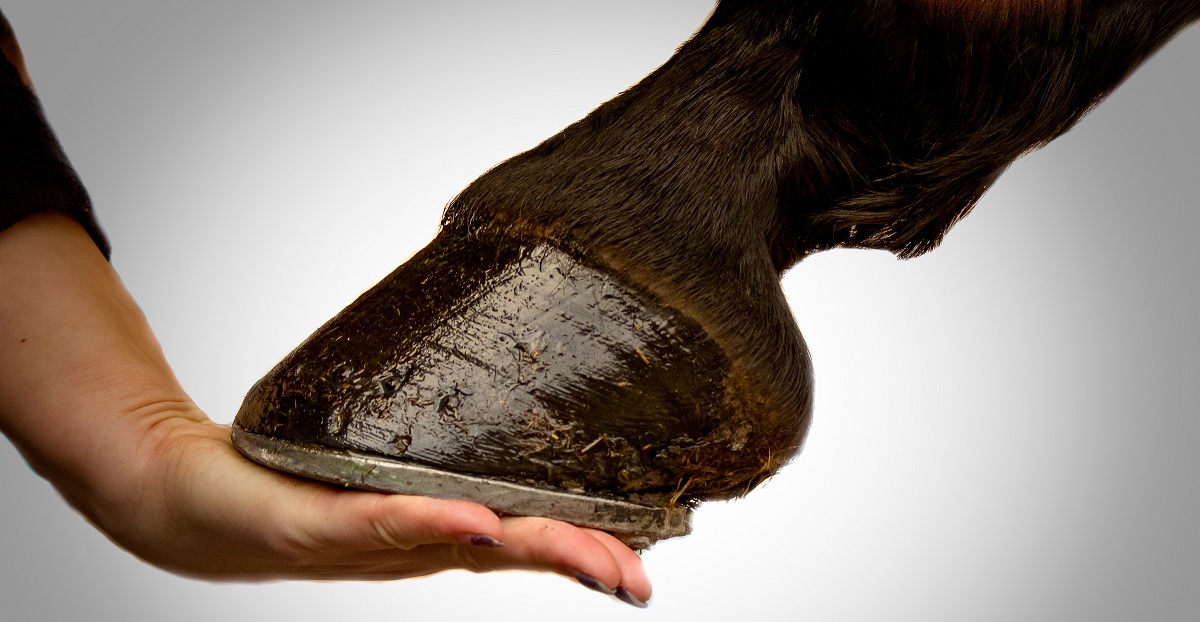
Horse hooves are remarkable structures that play a critical role in a horse’s mobility, balance, and overall health. Understanding what are horse hooves made of provides insight into their strength, resilience, and ability to withstand constant stress from walking, running, and carrying weight. Composed primarily of keratin, the same protein found in human hair and nails, hooves combine hardness and flexibility to protect internal tissues while absorbing impact.
They also contain sensitive structures like the frog, sole, and digital cushion, which contribute to shock absorption, circulation, and traction. Studying the composition of hooves helps owners appreciate the importance of proper care, nutrition, and maintenance. Healthy hooves rely on both natural growth and structural integrity, making knowledge about their makeup essential for ensuring soundness, performance, and the long-term well-being of horses in domestic and working environments.
Keratin Composition
The primary component of horse hooves is keratin, a fibrous protein that provides strength, flexibility, and resilience. Understanding keratin composition helps explain how hooves withstand daily stress, weight-bearing, and environmental challenges. Keratin forms a dense, protective outer layer while maintaining enough elasticity to absorb impact and prevent cracks. Its unique structure allows hooves to grow continuously, adapt to terrain, and recover from minor damage, making keratin essential for maintaining healthy, functional hooves and supporting overall mobility and soundness.
Structure And Function Of Keratin
Keratin in horse hooves is composed of tightly packed protein fibers, creating a strong yet flexible matrix. This structure provides resistance against wear, pressure, and environmental conditions such as moisture, heat, and cold. The hoof wall, sole, and frog all contain keratin, but their density and orientation differ based on function. The outer hoof wall is denser for protection against abrasion, while the sole and frog are slightly more elastic to absorb shock and distribute weight.
Keratin’s growth is continuous, allowing the hoof to adapt naturally to movement and terrain. This ongoing growth, combined with daily wear, maintains proper length and shape without overgrowth. Minor cracks or chips often self-correct through this process, demonstrating keratin’s resilience and its role in preserving hoof integrity.
The protein also contributes to the hoof’s overall toughness while retaining flexibility, preventing brittle fractures and minimizing the risk of lameness. Proper nutrition, including adequate protein, biotin, zinc, and other trace minerals, supports keratin synthesis, ensuring strong and healthy hooves.
Maintenance And Health Considerations
Maintaining keratin-rich hooves requires attention to both internal and external factors. Internally, balanced nutrition is crucial, as deficiencies can lead to soft, brittle, or slow-growing hooves. Proteins, vitamins, and minerals directly influence keratin quality and hoof strength. Externally, regular cleaning, trimming, and protection from prolonged moisture or harsh terrain preserve the integrity of the keratin matrix.
Environmental conditions also play a role. Excessive wetness can soften keratin, increasing susceptibility to infection, while overly dry conditions may make the hoof brittle. Regular monitoring and farrier care help prevent these issues, ensuring that the hoof remains functional, resilient, and capable of supporting the horse’s weight and movement.
Keratin composition underpins the mechanical properties of the hoof, from hardness to elasticity. By understanding its role, owners and caretakers can implement strategies that promote hoof strength, durability, and overall soundness, supporting the horse’s mobility and long-term health.
Hoof Wall Structure
The hoof wall is the most visible and critical part of a horse’s hoof, providing protection, support, and strength. Understanding hoof wall structure is essential for maintaining hoof health, mobility, and overall soundness. Composed primarily of keratin, the hoof wall acts as a protective barrier for internal structures while supporting the horse’s weight and facilitating shock absorption. Its unique layered design and growth pattern allow for continuous wear, adaptation to terrain, and resilience against environmental stress, making the hoof wall a cornerstone of equine health and functionality.
Layers And Composition
The hoof wall consists of several layers, each with a specific function. The outermost layer, the stratum externum, provides a tough, protective surface that shields the hoof from wear, moisture, and environmental damage. Beneath it lies the stratum medium, the thickest layer composed of dense keratin fibers arranged in a tubular pattern, giving strength, flexibility, and the ability to withstand the horse’s weight. The innermost layer, the stratum internum, contains interlocking laminae that attach the hoof wall to the underlying sensitive structures, distributing forces and providing suspension for the coffin bone.
This layered structure allows the hoof wall to grow continuously, approximately 1 centimeter per month on average, while naturally wearing down during daily movement. The combination of strength, flexibility, and attachment ensures stability, reduces trauma to internal tissues, and maintains balance in weight distribution. Proper nutrition and care enhance keratin quality, ensuring that each layer functions optimally and supports the horse’s overall hoof health.
Function And Mechanical Role
The hoof wall serves several mechanical roles essential for equine mobility. It supports weight-bearing, stabilizes the hoof, and protects sensitive structures such as the sole, frog, and coffin bone. The keratin fibers provide both rigidity and elasticity, allowing the hoof wall to absorb shock from impact with the ground while returning to its original shape. This shock absorption reduces stress on joints, tendons, and ligaments, preventing injuries and promoting long-term soundness.
Growth patterns and wear distribution are critical for maintaining proper balance. Tubular keratin structures in the hoof wall provide vertical strength while allowing slight horizontal expansion during movement. This dynamic interaction between rigidity and flexibility ensures the hoof adapts to uneven terrain, improves traction, and maintains comfort during long-distance travel or strenuous activity.
Implications For Care And Management
Understanding the hoof wall structure informs maintenance and care practices. Regular trimming by a skilled farrier prevents cracks, uneven growth, or flares that could compromise the laminae and internal structures. Proper shoeing can protect the hoof wall on challenging terrain or during heavy work, supporting functionality without interfering with natural expansion and contraction.
Nutrition also plays a significant role. Adequate protein, biotin, zinc, and other micronutrients are essential for keratin synthesis, influencing the strength, resilience, and growth rate of the hoof wall. Environmental management, such as preventing prolonged wet conditions or excessive exposure to abrasive surfaces, further protects the hoof wall’s integrity.
Sole And Frog Composition
The sole and frog are vital structures within a horse’s hoof, working together to provide shock absorption, support, and traction. Understanding sole and frog composition highlights their role in hoof health and overall mobility. Composed primarily of keratin, but with a more flexible and elastic structure than the hoof wall, these areas cushion impact, promote circulation, and protect sensitive internal tissues. Proper care and attention to the sole and frog are essential for maintaining soundness, preventing lameness, and ensuring long-term hoof functionality.
Structure And Function Of The Sole
The sole forms the bottom surface of the hoof and serves as a protective barrier for sensitive internal structures, including the coffin bone and digital cushion. Unlike the rigid hoof wall, the sole is slightly concave, allowing weight to be distributed evenly and reducing direct pressure on soft tissues. Its keratin composition is firm yet flexible, providing resistance to wear while allowing shock absorption during movement.
The concavity of the sole is essential for maintaining natural balance and preventing bruising. It adapts to terrain, absorbing impact forces and reducing strain on joints, tendons, and ligaments. Any compromise in sole integrity, such as cracks, thrush, or bruising, can impair weight distribution, cause pain, and reduce mobility. Regular inspection and hygiene ensure that the sole remains strong, resilient, and functional.
Composition And Function Of The Frog
The frog is a V-shaped structure located centrally on the underside of the hoof, acting as a natural shock absorber and circulatory aid. Its composition is softer and more elastic than the sole or hoof wall, allowing it to compress under weight and expand upon release, stimulating blood flow in the hoof. The frog also aids in traction, providing grip on uneven or slippery surfaces, and helps distribute forces evenly during movement.
Proper frog function is essential for preventing lameness and maintaining hoof health. Neglect, injury, or disease such as thrush can compromise its elasticity and effectiveness, reducing shock absorption and impairing circulation. Farriers often check the frog during routine care to ensure it is healthy, well-shaped, and not excessively worn or damaged.
Importance Of Care And Maintenance
Maintaining the sole and frog is critical for overall hoof performance. Regular cleaning removes dirt, stones, and debris that can cause bruising or infection. Adequate exercise over varied terrain supports natural wear and promotes circulation, keeping the sole and frog strong and resilient. Proper nutrition enhances keratin formation, improving durability and elasticity.
Observing these structures provides valuable insights into hoof health. Healthy soles and frogs reflect balanced weight distribution, efficient shock absorption, and strong circulatory support, which are essential for soundness and mobility. By focusing on their composition and maintenance, horse owners can ensure long-term hoof integrity, comfort, and functionality, supporting the horse’s overall well-being.
Internal Hoof Structures
Internal hoof structures play a critical role in supporting a horse’s weight, facilitating movement, and maintaining overall hoof health. Understanding internal hoof structures provides insight into how the hoof functions as a complex, integrated system. These structures, including the coffin bone, digital cushion, laminae, and blood vessels, work together to absorb shock, distribute pressure, and support circulation. Proper care and monitoring of these internal components are essential for preventing lameness, ensuring soundness, and maintaining long-term mobility in horses.
Coffin Bone And Its Role
The coffin bone, or distal phalanx, is the central bone within the hoof that provides structural support and shape. Positioned inside the hoof capsule, it forms the foundation for the hoof wall, sole, and frog. Its alignment and integrity are crucial for weight-bearing and balanced movement. The coffin bone also supports soft tissues, including the sensitive laminae, and helps distribute forces evenly throughout the hoof during walking, running, and jumping.
Injury or disease affecting the coffin bone, such as fractures or laminitis, can severely impact mobility and hoof health. Proper hoof care, balanced nutrition, and controlled exercise help maintain bone strength and alignment. Understanding the coffin bone’s role emphasizes the importance of protecting internal structures from trauma and ensuring overall hoof functionality.
Digital Cushion And Shock Absorption
The digital cushion is a fibroelastic structure located beneath the coffin bone, functioning as a natural shock absorber. It compresses under weight and rebounds, reducing the impact on bones, joints, and tendons. Additionally, the digital cushion supports circulation by aiding venous return through the hoof, promoting healthy tissue and growth.
A well-developed digital cushion enhances hoof resilience, providing cushioning against uneven terrain and repetitive stress. In domesticated horses, regular exercise and movement maintain the cushion’s elasticity and effectiveness. Weak or underdeveloped digital cushions may lead to bruising, soreness, or long-term hoof problems, highlighting the importance of maintaining internal hoof health through activity and care.
Laminae And Hoof Suspension
The laminae are interlocking structures that connect the hoof wall to the coffin bone, suspending the bone within the hoof capsule. Comprised of sensitive and insensitive layers, the laminae distribute weight evenly and provide support during movement. Healthy laminae are essential for maintaining proper hoof alignment and preventing rotation or sinking of the coffin bone, as seen in laminitis.
Monitoring laminae health is crucial, especially in horses prone to metabolic disorders or excessive weight-bearing stress. Balanced nutrition, proper trimming, and routine farrier care help protect these structures, ensuring weight distribution and structural integrity. The laminae illustrate the complexity of internal hoof architecture and its critical role in maintaining soundness and mobility.
Circulatory And Nerve Systems
Blood vessels and nerves within the hoof support growth, tissue health, and sensory function. Adequate circulation nourishes keratin-producing cells, maintains tissue elasticity, and aids in healing minor injuries. Sensory nerves provide feedback for balance, terrain navigation, and weight distribution, enabling the horse to move efficiently and avoid stress or injury.
Maintaining optimal circulation and nerve function requires proper hoof care, exercise, and nutrition. Observing hoof temperature, responsiveness, and overall condition can indicate the health of internal structures. By understanding these components, owners can ensure long-term hoof strength, comfort, and soundness, supporting the horse’s overall performance and mobility.
Factors Affecting Hoof Quality
Hoof quality is influenced by a combination of genetics, nutrition, environment, and management practices. Understanding factors affecting hoof quality is essential for maintaining strong, healthy, and functional hooves. Proper hoof integrity ensures balanced weight distribution, shock absorption, and long-term mobility. By recognizing the internal and external elements that contribute to hoof strength, owners can implement strategies to prevent cracks, brittleness, infections, and lameness, supporting overall equine health and soundness throughout a horse’s life.
Nutrition And Hoof Development
Nutrition is one of the most critical factors affecting hoof quality. Adequate protein intake supports keratin synthesis, the primary protein forming the hoof wall, sole, and frog. Essential vitamins such as biotin, vitamin A, and minerals like zinc, copper, and selenium enhance hoof strength, growth rate, and elasticity. Deficiencies can result in brittle, cracked, or slow-growing hooves, increasing susceptibility to injuries and infections.
Balanced diets also influence moisture content within the hoof. Proper hydration and forage quality prevent excessively dry or soft hooves, maintaining flexibility and resistance to environmental stress. Regular monitoring of nutrition, combined with supplements when necessary, ensures keratin production remains optimal, supporting robust, durable hooves capable of withstanding daily stress and movement.
Environmental Conditions And Terrain
The environment directly impacts hoof quality. Wet, muddy conditions can soften the hoof, making it prone to infection and bruising, while excessively dry or abrasive terrain may cause cracking or splitting. Horses that regularly move across varied surfaces, including dirt, sand, and rocks, experience natural wear that maintains balance and strength. Stagnant environments or prolonged exposure to one type of surface can weaken hooves, creating irregular growth and structural imbalances.
Providing horses with access to varied terrain and clean, dry living conditions promotes healthy wear, prevents disease, and supports overall hoof integrity. Environmental management complements proper nutrition and exercise, ensuring the hoof remains functional, resilient, and well-formed.
Genetics And Inherited Traits
Genetics also play a role in hoof quality. Certain breeds naturally produce harder, denser hooves, while others may have softer or more brittle structures. Genetic predisposition affects growth rate, shape, and resilience, influencing susceptibility to cracking, laminitis, or other hoof disorders. Understanding breed-specific characteristics allows owners to tailor management practices, such as trimming frequency, shoeing, and dietary supplementation, to optimize hoof strength and durability.
By considering hereditary traits alongside environmental and nutritional factors, owners can develop a comprehensive approach to hoof care, enhancing performance and longevity while reducing the risk of injury or lameness.
Management Practices And Maintenance
Routine hoof care, including trimming, cleaning, and shoeing when necessary, directly affects hoof quality. Regular farrier visits prevent overgrowth, flares, and uneven wear that can compromise laminae, coffin bone alignment, and overall structural integrity. Hygiene practices, such as removing dirt and debris, reduce the risk of infection in the frog and sole.
Exercise and controlled movement are also critical for maintaining hoof health. Movement stimulates circulation, promotes natural wear, and strengthens internal structures like the digital cushion. Combined with proper nutrition and environmental management, consistent care practices help maintain robust, resilient hooves that support soundness and long-term mobility.
FAQs
What Are Horse Hooves Made Of?
Horse hooves are primarily made of keratin, a fibrous protein also found in human hair and nails. This protein provides strength, flexibility, and durability, allowing the hoof to withstand constant stress from walking, running, and carrying weight. The hoof also contains softer, more elastic structures like the frog and sole, which aid in shock absorption, traction, and circulation. Together, these components form a complex system that protects sensitive internal tissues, supports weight distribution, and ensures overall mobility, soundness, and long-term hoof health.
How Does Keratin Support Hoof Strength?
Keratin is the key structural protein in the hoof wall, sole, and frog. Its fibrous composition provides rigidity while maintaining flexibility, allowing the hoof to absorb impact and resist cracking. Keratin grows continuously, enabling natural wear and self-repair, especially in wild horses. Adequate nutrition, including protein, biotin, and trace minerals, supports keratin formation. Healthy keratin ensures the hoof can withstand daily stress, distribute weight evenly, and maintain proper shape, playing a crucial role in preventing injuries and supporting overall hoof and horse soundness.
Are Hooves Made Of The Same Material Throughout?
While keratin is the primary material, the density and elasticity vary across hoof regions. The outer hoof wall is harder and more rigid for protection against abrasion, while the sole and frog are more flexible to absorb shock and support circulation. Internal structures, like the laminae and digital cushion, combine connective tissue and fibroelastic components to attach the hoof wall to the coffin bone and aid in weight distribution. This combination of materials ensures durability, flexibility, and optimal function, enabling the hoof to adapt to various terrains and stress levels.
What Role Does the Frog Play in Hoof Composition?
The frog, composed of softer keratin, fibroelastic tissue, and supportive connective tissue, acts as a natural shock absorber and traction aid. It compresses under weight and rebounds to stimulate blood flow, supporting circulation within the hoof. Its composition allows flexibility while protecting internal structures such as the digital cushion and coffin bone. A healthy frog contributes to overall hoof health, helping prevent bruising, lameness, and other structural issues, making it a critical component in the complex composition of a functional and resilient horse hoof.
How Do Internal Structures Affect Hoof Material?
Internal structures like the laminae, coffin bone, and digital cushion complement keratin in providing strength, support, and shock absorption. The laminae connect the hoof wall to the coffin bone, distributing weight evenly. The digital cushion, a fibroelastic structure, absorbs impact and aids circulation. These structures rely on the surrounding keratin layers for protection while enhancing mobility and stability. Together, they form an integrated system that supports the horse’s weight, protects sensitive tissues, and allows functional adaptation to various terrains and activities.
Can Hoof Composition Change Over Time?
Yes, hoof composition can change due to age, nutrition, environment, and health status. Keratin quality may weaken with poor diet, inadequate trace minerals, or illness, leading to brittle or soft hooves. Environmental factors like wet or dry conditions affect elasticity and durability. Proper management, including nutrition, exercise, and routine care, supports optimal keratin formation and internal structure health. Maintaining strong, resilient hooves ensures weight distribution, shock absorption, and mobility, preserving soundness and the overall well-being of the horse throughout its life.
Conclusion
A horse’s hooves are remarkable structures designed to support weight, absorb shock, and provide traction. Comprised primarily of keratin, the same protein found in human nails and hair, they combine strength and flexibility to endure constant movement over varied terrains. The hoof wall, sole, and frog each have specialized roles, from protection and cushioning to aiding circulation and balance. Internal structures, including laminae and supportive tissues, connect the hoof to bones and distribute pressure efficiently.
Factors such as genetics, diet, and environmental conditions influence the quality and durability of hoof material, while proper care and maintenance help prevent damage or weakness. Understanding these components offers insight into the resilience and functionality of hooves, directly addressing the question of what are horse hooves made of, and highlighting how their unique composition ensures both mobility and long-term health for horses.