Is Hay For Horses: Choosing the Right Forage for Health and Performance
Providing proper forage is a fundamental part of caring for horses, and understanding its role is essential for their health and well-being. Hay serves as a primary source of fiber, nutrients, and energy, supporting digestion, muscle development, and overall physical condition. Knowing how to select and feed hay ensures your horse receives the nutrition needed for daily activities, growth, and maintenance.
Hay comes in many types, including grass hay, alfalfa, and mixed hays, each offering different nutrient profiles. The quality and type of hay you provide directly affect your horse’s body condition, energy levels, and digestive health. Monitoring hay intake is crucial to maintain a healthy weight and avoid common issues like colic or nutrient imbalances.
A consistent feeding routine and understanding portion requirements are key to effective hay management. Observing how your horse consumes and responds to hay helps you gauge its suitability and ensure proper nutrition. By learning about hay’s role, you can confidently address the question of is hay for horses and provide a strong foundation for your horse’s diet.
Hay and Its Role in a Horse’s Diet
Hay is a crucial component of a horse’s diet, providing essential fiber, nutrients, and energy for overall health and daily function. Understanding hay’s role helps ensure proper digestion, maintain body condition, and support growth and performance. Selecting the right type and quality of hay is key to meeting your horse’s nutritional requirements and preventing common health issues. Proper feeding strategies optimize the benefits of hay while safeguarding digestive health and long-term well-being.
Forage as the Foundation of Nutrition
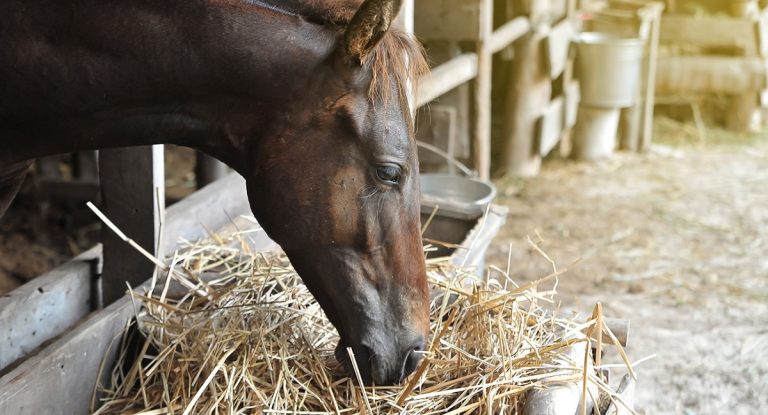
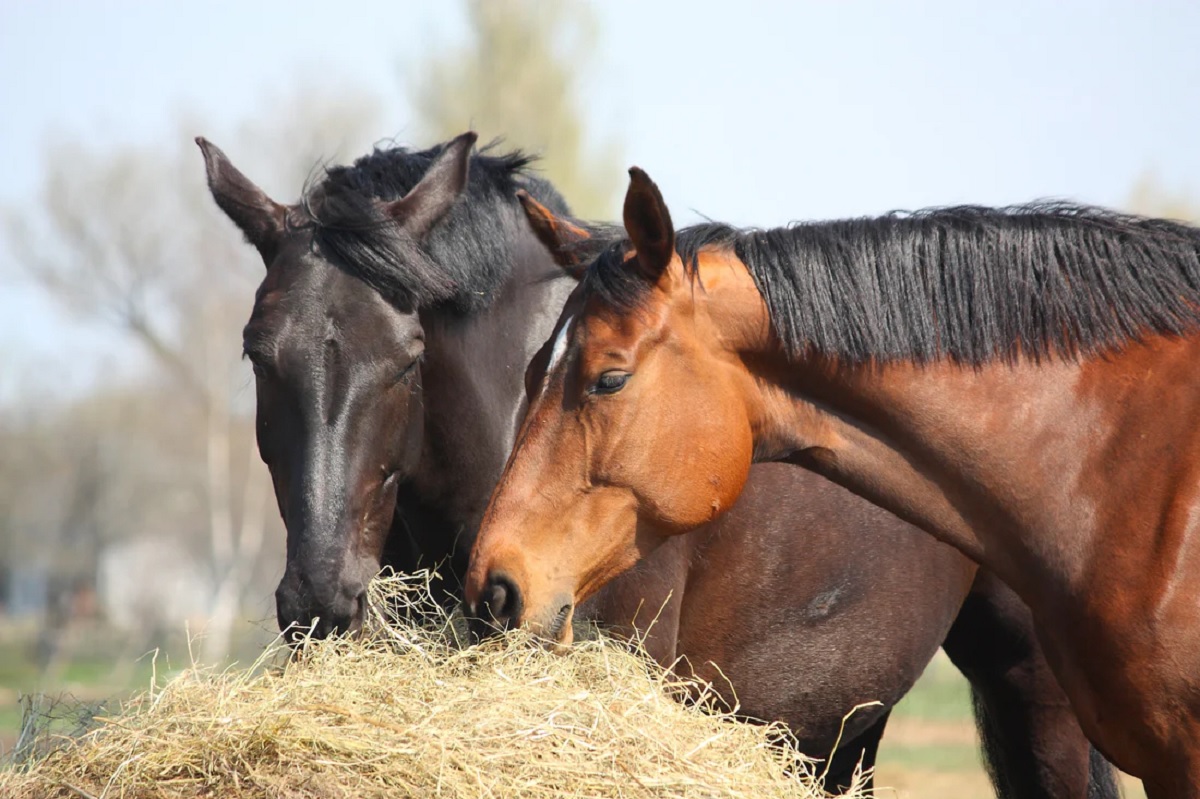
Forage, primarily hay, forms the cornerstone of a horse’s diet. Horses are natural grazers, and their digestive systems are designed for continuous intake of fibrous plants. Hay supplies the fiber necessary for healthy gut function, proper fermentation in the hindgut, and regular bowel movements. It also encourages natural chewing behavior, which increases saliva production and helps maintain digestive pH.
High-quality hay provides vitamins, minerals, and protein essential for muscle development, immune function, and overall health. Different types of hay offer varying nutrient profiles, allowing you to select options based on age, workload, and body condition. Feeding adequate hay prevents boredom, supports mental well-being, and reduces the risk of digestive disorders like colic or impaction.
Types of Hay and Nutritional Differences
Hay comes in many varieties, including grass hays like timothy or orchard grass, legume hays like alfalfa, and mixed hays containing both types. Grass hays tend to be lower in protein and energy, making them suitable for maintenance horses or those prone to weight gain. Alfalfa is richer in protein, calcium, and energy, benefiting growing, lactating, or performance horses.
Selecting hay based on your horse’s specific nutritional needs helps maintain ideal body condition and energy levels. Mixed hays provide a balance of protein, fiber, and palatability, supporting overall digestive health. Understanding the differences among hay types allows you to create a well-rounded diet tailored to your horse’s age, activity level, and metabolic needs.
Feeding Practices for Hay
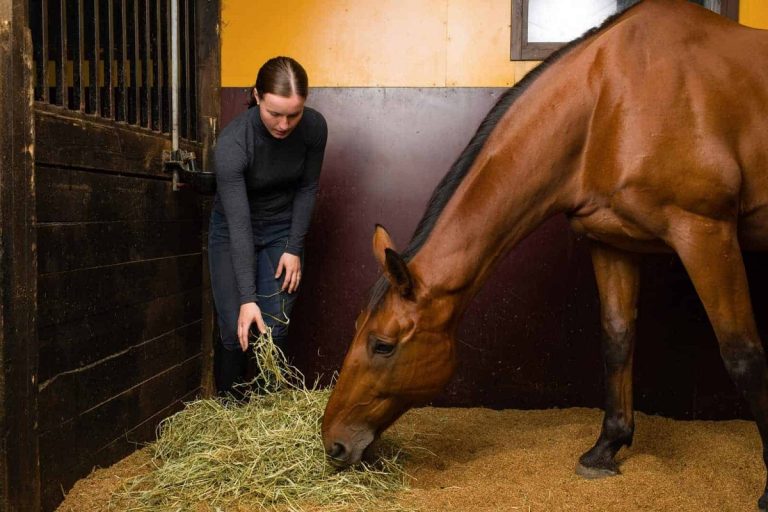
Proper feeding practices are essential to maximize hay’s benefits and prevent health issues. Dividing the total daily hay intake into multiple smaller feedings mimics natural grazing patterns, reduces the risk of colic, and promotes consistent nutrient absorption. Offering hay free-choice or in slow feeders encourages steady intake and helps manage weight.
Ensuring hay is clean, free of mold, dust, or foreign objects protects your horse from respiratory or digestive problems. Regularly inspecting hay quality, storing it properly, and rotating supply prevents spoilage. Observing your horse’s appetite, chewing behavior, and stool consistency helps you gauge whether the hay is meeting dietary requirements effectively.
Hay and Digestive Health
Hay plays a central role in supporting a horse’s digestive system. The fiber content promotes proper gut motility, supports beneficial microbial populations, and prevents impaction or colic. Forage also slows the digestive process, ensuring steady nutrient absorption and maintaining energy levels throughout the day.
Providing consistent access to quality hay stabilizes blood sugar, prevents gastric ulcers in high-performance horses, and supports long-term gut health. Combining hay with other forage or concentrates as needed allows you to balance protein, energy, and micronutrient intake. Proper management ensures your horse receives the full digestive and nutritional benefits of hay while reducing the risk of digestive disturbances.
Types of Hay for Horses
Choosing the right type of hay is crucial for meeting your horse’s nutritional needs, maintaining body condition, and supporting digestive health. Different types of hay vary in protein content, energy levels, fiber, and palatability. Understanding the characteristics of grass hays, legume hays, and mixed hays allows you to provide a balanced diet tailored to your horse’s age, workload, and health status. Proper selection ensures optimal nutrition and overall well-being.
Grass Hays
Grass hays, such as timothy, orchard grass, and brome, are common choices for many horses. They are generally lower in protein and energy compared to legume hays, making them ideal for maintenance horses or those prone to weight gain. Grass hays are high in fiber, which promotes healthy digestion, proper gut motility, and steady energy release throughout the day.
The quality of grass hay can vary depending on the cutting stage, soil fertility, and harvesting methods. Early-cut hay typically contains higher protein and nutrients, while later cuttings have more fiber and lower digestibility. Offering a consistent supply of clean, dust-free grass hay ensures your horse receives adequate nutrition while maintaining digestive health and overall body condition.
Legume Hays
Legume hays, primarily alfalfa and clover, are nutrient-dense options for horses with higher energy or protein requirements. Alfalfa is rich in protein, calcium, and energy, making it suitable for growing foals, lactating mares, or performance horses. Legume hays are highly palatable, encouraging consistent intake and supporting growth, muscle development, and overall performance.
Feeding legume hay requires careful portion control, particularly for horses prone to obesity or metabolic disorders, as the high protein and energy content can lead to weight gain or digestive issues. Mixing legume hay with grass hay balances fiber, protein, and energy intake, ensuring your horse benefits from the nutrient density without overloading the diet.
Mixed Hays
Mixed hays combine grass and legume varieties, providing a balanced nutrient profile suitable for many horses. These hays offer moderate protein, energy, and fiber levels, supporting general health, digestive function, and stable energy release. Mixed hays are particularly beneficial for horses with moderate activity levels or for owners seeking a convenient, all-in-one forage option.
The composition of mixed hay can vary depending on the ratio of grass to legume, harvest stage, and storage quality. Monitoring intake and observing body condition helps you determine whether the mixed hay meets your horse’s specific needs. Offering a consistent supply of high-quality mixed hay supports balanced nutrition and encourages natural grazing behavior.
Specialty and Alternative Hays
In addition to common grass and legume hays, specialty options such as oat hay, ryegrass hay, or herb-enriched hays are sometimes used. These provide specific nutritional benefits, such as higher digestible fiber, lower starch, or enhanced palatability. They can be tailored to support horses with digestive sensitivities, metabolic conditions, or unique dietary requirements.
When introducing specialty hay, gradual integration is essential to prevent digestive upset. Combining it with familiar hay or forage ensures a smooth transition. Evaluating nutritional content and monitoring your horse’s response helps you optimize diet quality and meet individual energy, protein, and fiber needs effectively. Specialty hays add variety and can enhance overall forage intake.
Feeding Practices and Storage
Proper feeding practices and storage of hay are essential to maintain your horse’s health, nutrition, and safety. Hay quality can degrade quickly if stored improperly, and feeding routines affect digestion, energy levels, and overall well-being. Understanding how to store hay safely, feed it effectively, and monitor your horse’s intake ensures consistent nutrition while minimizing risks like colic, respiratory issues, or nutrient loss.
Safe Feeding Practices
Feeding hay properly is key to supporting your horse’s digestive system and overall health. Dividing daily hay into multiple smaller feedings mimics natural grazing patterns, promotes steady nutrient absorption, and reduces the risk of digestive upset. Horses fed in smaller, frequent meals are less likely to experience bloating, colic, or sudden shifts in blood sugar levels.
Using feeders or slow-feed nets can help control intake and prevent overeating, especially in horses prone to obesity. Always provide clean, dust-free hay to avoid respiratory irritation. Observing how your horse consumes hay helps you identify preferences, detect changes in appetite, and monitor for signs of digestive stress, ensuring feeding practices meet individual needs effectively.
Monitoring Intake and Adjusting Portions
Monitoring hay intake is essential to maintain ideal body condition and energy levels. Horses vary in appetite, activity level, and metabolism, so adjusting hay portions based on weight, age, and workload prevents overfeeding or underfeeding. Regularly assess your horse’s body condition and coat quality to ensure nutritional needs are being met.
For horses with special dietary requirements, such as seniors or those with metabolic disorders, consider adjusting hay type, quality, or quantity to support health. Mixing hay with supplements or concentrates may be necessary to balance protein, fiber, and energy. Observing stool consistency and behavior helps confirm that portions and feeding practices are appropriate.
Proper Hay Storage
Proper hay storage is crucial to preserve nutritional quality and prevent mold, dust, or contamination. Store hay in a dry, well-ventilated area off the ground, protected from rain or moisture. Moisture promotes mold growth, which can cause respiratory issues and digestive problems if ingested.
Rotate hay regularly to use older bales first and prevent nutrient loss. Cover hay with breathable tarps if stored outside, and avoid tightly sealed storage that traps moisture. Checking for signs of mold, discoloration, or unusual odors before feeding protects your horse and ensures consistent access to high-quality forage.
Handling and Feeding Hygiene
Maintaining hygiene during handling and feeding reduces the risk of contamination. Use clean tools for moving hay and avoid contact with dirty surfaces that may introduce bacteria, mold, or foreign objects. Clean feeding areas regularly to prevent buildup of leftover hay, dust, or fecal matter.
Wash your hands after handling hay, especially if using supplements or medications simultaneously. For multiple-horse environments, provide separate feeding spaces to prevent competition and ensure each horse receives its proper portion. These precautions maintain both feed quality and horse safety.
Combining Storage and Feeding Strategies
Effective hay management combines proper storage and feeding strategies. By maintaining clean, high-quality hay and offering it in controlled, consistent portions, you can support digestion, energy levels, and overall health. Observation and adaptation are key; adjust feeding practices based on seasonal changes, forage quality, and individual horse needs.
Incorporating slow feeders, monitoring intake, and rotating storage not only preserves nutrients but also encourages natural grazing behavior. Properly managed hay reduces health risks, supports consistent nutrition, and enhances your horse’s long-term well-being, making feeding and storage practices an essential part of responsible horse care.
Special Considerations
While hay is a staple in a horse’s diet, certain factors require extra attention to ensure safe and effective feeding. Special considerations include the horse’s age, health status, activity level, and individual dietary requirements. Understanding these factors helps you adjust hay type, quality, and quantity to support digestion, energy balance, and overall well-being while preventing health complications.
Feeding for Age and Life Stage
Horses at different life stages have varying nutritional needs. Foals and growing horses require hay that is higher in protein, calcium, and digestible energy to support proper growth and bone development. Legume hays like alfalfa are often ideal for young horses, but should be balanced with grass hay to avoid excessive protein or calcium intake.
Senior horses may have dental issues or slower digestion, making long-stem hay difficult to chew and process. Soaked hay, chopped hay, or pelleted options provide necessary fiber without causing discomfort. Monitoring eating habits and body condition is critical to adjust feeding practices for age-related needs. Proper attention to life stage ensures that your horse receives appropriate nutrition at every phase of life.
Health and Medical Conditions
Certain health conditions influence hay selection and feeding methods. Horses with metabolic disorders, obesity, or insulin resistance benefit from lower-sugar grass hays, while those with colic or digestive sensitivities may require smaller, more frequent meals. Respiratory issues can be aggravated by dusty or moldy hay, making clean, dust-free hay essential.
For horses with kidney or liver concerns, balancing protein intake from legume hays is important. Collaborating with a veterinarian or equine nutritionist ensures that any special health considerations are addressed. Adjusting hay type, portion, and feeding techniques helps maintain health while preventing complications related to medical conditions.
Seasonal and Environmental Factors
Seasonal changes impact hay quality and availability. Spring and early summer hay tends to be more nutrient-dense, while later cuttings may have higher fiber and lower protein. Moisture, temperature, and storage conditions affect nutrient retention and the risk of mold or spoilage.
Adjusting feeding strategies based on seasonal hay quality helps maintain balanced nutrition. During winter or drought conditions, supplemental forage or stored hay may be necessary. Providing consistent, high-quality forage while monitoring storage conditions ensures your horse’s diet remains adequate year-round.
Individual Preferences and Behavior
Horses may exhibit preferences for certain hay types, cutting stages, or textures. Some may refuse low-quality or dusty hay, which can lead to inconsistent nutrient intake. Observing eating behavior and adjusting hay selection or presentation helps maintain consistent forage consumption.
Providing variety or mixing hays can encourage grazing and prevent boredom. Using slow feeders or spreading hay throughout the paddock allows for natural foraging behavior while controlling intake. Accounting for individual preferences supports both nutrition and mental well-being.
FAQs
Is Hay Necessary For Horses?
Yes, hay is essential for horses because it provides the fiber they need for healthy digestion. Horses’ digestive systems are designed to process fibrous material continuously, and hay helps keep their gut functioning properly.
Without sufficient hay, horses can experience digestive problems such as colic, ulcers, or irregular bowel movements. Even horses with access to pasture benefit from supplemental hay during times when grass is sparse, dormant, or of lower nutritional quality. Ensuring a consistent hay supply supports overall health and maintains proper weight.
What Types Of Hay Are Best For Horses?
Horses can eat a variety of hay types, but grass hay and legume hay are the most common. Grass hay, such as timothy or bermuda, is ideal for maintenance and light work, while legume hay like alfalfa provides higher protein and calcium for growth or performance horses.
Mixed hay combines the benefits of grass and legumes, offering balanced nutrition. Choosing the best hay depends on your horse’s age, workload, and health condition. Observing how your horse responds to different hay types can help you decide which works best for their specific needs.
How Much Hay Should A Horse Eat Daily?
The daily amount of hay depends on the horse’s weight, age, and activity level. Generally, horses require about 1.5% to 2.5% of their body weight in hay per day. For example, a 1,000-pound horse may eat 15–25 pounds of hay daily.
It’s important to divide the hay into multiple feedings to prevent digestive upset and overeating. Monitoring your horse’s body condition and adjusting portions accordingly ensures proper nutrition, prevents weight issues, and supports overall digestive health.
Can Horses Only Eat Hay Without Grain?
Yes, many horses can thrive on hay alone, especially if it is high-quality and meets their nutritional requirements. Maintenance horses with light workloads often get all the energy and fiber they need from hay without additional grain.
However, performance horses, growing foals, or lactating mares may need extra energy or nutrients from grain or concentrates. You should assess your horse’s activity level and monitor body condition to decide whether supplemental feed is necessary while keeping hay as the primary forage.
How Should Hay Be Stored For Horses?
Proper storage is crucial to maintain hay quality and prevent spoilage. Hay should be kept in a dry, well-ventilated area away from moisture, mold, and pests. Storing hay off the ground and covering it can protect it from rain or humidity.
Regularly checking for dust, mold, or discoloration ensures your horse consumes safe and nutritious forage. Poorly stored hay can lead to respiratory problems or digestive issues. Rotating stock and using older hay first helps maintain freshness and prevent waste.
Are There Risks Associated With Feeding Hay To Horses?
Yes, feeding hay carries some risks if not managed properly. Moldy, dusty, or spoiled hay can cause colic, respiratory issues, or digestive upset. Overfeeding or providing hay with high sugar or protein content can lead to obesity or metabolic problems.
To minimize risks, provide high-quality, clean hay, monitor intake, and introduce any new hay gradually. Observing your horse for signs of discomfort, bloating, or loose stools helps ensure feeding remains safe. Combining hay with proper hydration and balanced nutrition reduces potential problems.
Final Thoughts
Providing hay is a central part of a horse’s diet, supplying essential fiber, nutrients, and energy necessary for overall health and proper digestion. High-quality hay supports gut function, maintains body condition, and promotes natural grazing behavior, making it an indispensable component of daily feeding routines. Understanding the role of hay allows you to plan meals that meet your horse’s individual needs.
Different types of hay, including grass, legume, and mixed varieties, offer unique nutritional profiles. Selecting the right type based on age, workload, and health ensures balanced energy, protein, and mineral intake. Proper feeding practices, including portion control, multiple daily feedings, and monitoring intake, maximize the benefits of hay while preventing digestive disturbances or nutrient imbalances.
By considering special factors such as age, health conditions, and environmental influences, you can safely incorporate hay into your horse’s diet. With careful selection and management, you can confidently address the question of is hay for horses while supporting long-term health, performance, and well-being.