How Much Does It Cost To Feed A Horse? Budgeting, Nutrition, and Care Tips
Feeding a horse is one of the most important aspects of horse ownership, and it can also be one of the most significant ongoing expenses. The diet of a horse must be carefully balanced to provide the necessary nutrients, energy, and hydration for health, growth, and performance. Understanding the costs involved helps owners plan budgets effectively while ensuring their horses thrive.
Determining how much does it cost to feed a horse depends on several factors, including the horse’s age, weight, activity level, and the quality of feed provided. Horses with high activity levels or those involved in competitions may require more concentrated feeds and supplements, increasing the monthly expenses.
Other considerations include the cost of hay, pasture management, grains, and additional dietary supplements. Seasonal changes, such as winter feeding when pasture is limited, can also affect costs significantly.
Knowing how much does it cost to feed a horse allows owners to make informed decisions about diet, care, and overall financial planning. Proper budgeting ensures that horses receive consistent, high-quality nutrition without compromising their health or well-being.
Factors Affecting Feeding Costs
Feeding costs for horses vary significantly depending on multiple factors that influence the amount, type, and quality of feed required. Understanding these factors helps horse owners plan budgets, provide optimal nutrition, and avoid unexpected expenses. By examining age, weight, activity level, and environmental conditions, you can make informed decisions about feeding strategies and overall care.
Age and Size of the Horse
The age and size of a horse are primary factors affecting feeding costs. Younger horses, such as foals and yearlings, require nutrient-dense feed to support growth, which often includes specialized grain mixes, vitamins, and minerals. Mature horses have different nutritional requirements, with emphasis on maintenance rather than rapid growth. Older horses may need supplements or easily digestible feed due to dental or digestive challenges.
The size or weight of a horse also impacts the volume of feed needed. Larger horses consume more hay and grains than smaller breeds, directly increasing monthly expenses. For instance, a 1,200-pound horse may eat 15–20 pounds of hay daily, whereas a smaller 900-pound horse may require only 10–12 pounds. Feed costs scale with these amounts, making weight an essential factor in budget planning.
Feeding strategies must also adjust for growth stages. Overfeeding a young horse can lead to developmental problems, while underfeeding can stunt growth. By considering both age and size, you ensure horses get appropriate nutrition while controlling costs efficiently.
Activity Level and Workload
A horse’s activity level significantly affects feeding costs. Horses involved in riding, training, or competitive sports burn more calories and require energy-rich diets. Active horses may need additional grains, concentrates, and supplements to maintain stamina, muscle mass, and overall health. Less active horses, such as pasture pets or retired animals, require fewer calories, reducing feed expenses.
The type of work also matters. A horse doing light trail riding may not need extra concentrates, while a dressage or jumping horse requires precise nutrition to sustain performance. High-performance horses often receive specialized supplements to support joint health, digestion, and coat condition, which adds to the cost of feeding.
Activity levels can change seasonally. Horses in training during spring and summer may consume more feed than during winter rest periods. By adjusting diets according to workload, owners can manage costs while ensuring horses receive the energy and nutrients they need for optimal health and performance.
Type and Quality of Feed
The type and quality of feed play a major role in determining feeding costs. Hay, grains, pasture quality, and supplements vary widely in price depending on region, availability, and nutritional content. Premium hay or fortified grains cost more but provide essential nutrients that may reduce the need for additional supplements. Low-quality feed may seem cheaper but can lead to deficiencies, health problems, and increased veterinary bills.
Pasture-fed horses may have lower feed costs if the pasture is well-maintained and nutrient-rich. However, poor-quality pasture or seasonal limitations, like winter months, require additional hay or supplements to meet nutritional needs. Concentrates and fortified feeds can add to expenses but often improve energy levels, digestion, and coat condition, justifying the investment.
Balancing cost and quality is essential. Economical choices that compromise nutrition can negatively affect growth, performance, and overall health. By understanding the nutritional requirements and selecting high-quality feed, owners can maintain both horse health and reasonable monthly costs.
Health Conditions and Special Needs
Horses with specific health conditions often incur higher feeding costs. Animals with dental issues may require soaked hay or specially processed feed that is easier to chew and digest. Digestive problems, like colic or ulcers, often necessitate specialized diets, adding to monthly expenses. Horses with metabolic conditions or obesity may need portion-controlled feeding or specialized low-sugar concentrates.
Supplements for joint health, coat condition, or immune support can also increase feeding costs. Horses recovering from illness or injury may need enriched diets with higher protein and calorie content. These additional requirements make budgeting for feed more complex but are essential for maintaining health and performance.
By anticipating potential health-related feeding needs, you can plan more accurately for monthly expenses. Regular veterinary consultations help identify dietary adjustments early, preventing long-term complications and ensuring horses remain healthy while managing feeding costs effectively.
Cost of Forage and Hay
Forage and hay form the foundation of a horse’s diet, providing essential fiber, nutrients, and energy. The cost of feeding horses is heavily influenced by the type, quality, and availability of forage, making it a major component of monthly and annual expenses. Understanding these costs helps owners plan budgets effectively while ensuring their horses receive optimal nutrition.
Types of Hay and Their Costs
Horses can consume several types of hay, including timothy, alfalfa, bermudagrass, and mixed grass hays. Each type has its own nutritional profile and price range. Alfalfa, high in protein and calcium, is often more expensive than grass hays and is commonly used for young, pregnant, or high-performance horses. Timothy and bermudagrass are typically less costly but still provide essential fiber and energy for maintenance horses.
Quality also affects pricing. Premium hay with minimal dust, mold, or weeds is more expensive but reduces the risk of digestive issues and respiratory irritation. Poor-quality hay may seem cheaper but can lead to health problems that increase veterinary bills. Seasonal availability can impact cost as well; hay prices often rise during winter months when supply is limited, requiring advanced planning and bulk purchases to manage expenses effectively.
Balancing cost and nutritional value is critical. Selecting the right hay for your horse’s age, weight, and activity level ensures adequate nutrition while controlling long-term feeding expenses. Combining hay types can sometimes optimize costs without compromising quality.
Quantity Needed and Feeding Practices
The quantity of hay required varies based on a horse’s weight, age, activity level, and pasture access. On average, horses consume 1.5%–2.5% of their body weight in forage daily. A 1,000-pound horse may eat 15–25 pounds of hay each day, translating to 450–750 pounds per month. This volume directly affects monthly expenses, especially for larger horses or multiple-horse households.
Feeding practices also influence costs. Horses on pasture may require less hay, while those in stables or during winter months rely entirely on stored forage. Proper storage reduces spoilage, ensuring hay remains usable for longer periods and preventing waste. Many owners invest in hay feeders or slow-feed nets to control consumption, stretch supplies, and maintain consistent nutrition.
Purchasing in bulk can lower the cost per bale but requires sufficient storage space to maintain quality. Understanding your horse’s daily requirements and implementing effective feeding practices ensures that hay expenses remain predictable and manageable while supporting overall health.
Additional Costs and Considerations
Other factors can increase forage-related costs. Transporting hay from suppliers, especially if purchased in large quantities or from distant sources, adds delivery fees. Seasonal fluctuations, such as droughts or poor harvests, can raise prices unexpectedly, emphasizing the importance of planning and budgeting.
Supplementing hay with pasture or additional forage can also influence costs. Horses with special nutritional needs may require fortified hay or mixed forage to provide sufficient protein, minerals, or fiber. Monitoring body condition and adjusting quantities accordingly prevents overfeeding or underfeeding, both of which can affect health and costs.
Storage infrastructure is another consideration. Properly ventilated, dry storage prevents mold, spoilage, and loss, reducing the need for frequent repurchases. While initial setup may require investment in hay barns or tarps, it protects both the quality of the feed and your budget.
Planning for Forage Expenses
Accurate budgeting for hay requires evaluating horse numbers, types of hay, seasonal availability, and storage capacity. Maintaining a consistent supply ensures that horses have access to high-quality forage year-round, which is crucial for digestive health, energy levels, and overall well-being.
By understanding the cost drivers associated with forage, including type, quantity, and storage, owners can plan strategically. This planning allows you to buy in bulk during periods of lower prices, store effectively, and manage feeding to reduce waste. Thoughtful management of hay costs ensures horses receive proper nutrition while keeping monthly feeding expenses predictable and sustainable.
Concentrates, Grains, and Supplements
Concentrates, grains, and supplements play a key role in a horse’s diet, providing additional energy, protein, vitamins, and minerals that forage alone may not supply. The cost of these feed components can vary widely depending on quality, type, and the horse’s individual needs. Understanding how they affect feeding costs helps owners ensure optimal nutrition without overspending.
Types of Concentrates and Grains
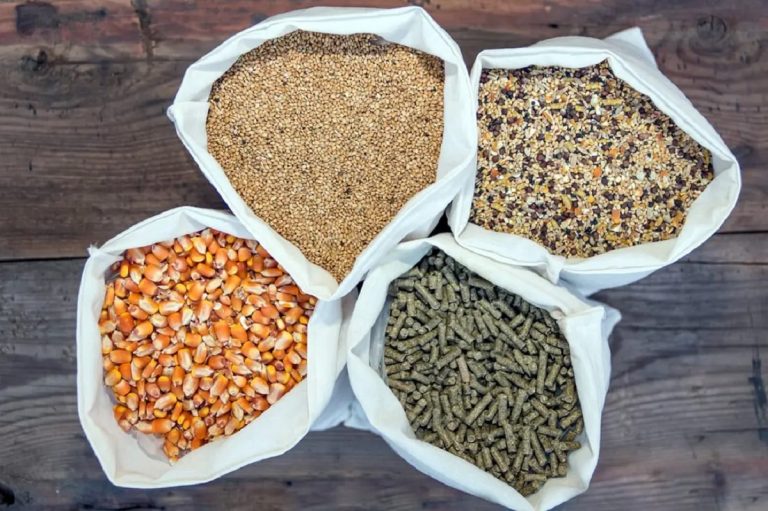
Concentrates and grains are designed to provide energy-dense nutrition, particularly for horses with higher activity levels. Common options include oats, barley, corn, and commercially prepared pelleted feeds. Each type has a distinct nutrient profile and energy content. Oats are easily digestible and often fed to moderate-performance horses, while corn and barley provide higher caloric content for intense workloads.
Commercial pelleted or textured concentrates often combine grains with vitamins, minerals, and sometimes probiotics to support overall health. These feeds are convenient and balanced but may be more expensive than individual grains. High-performance horses or those in heavy training often require a combination of grains and commercial concentrates to meet energy demands without overfeeding volume.
The type of concentrate chosen can significantly impact monthly expenses. Horses with lower energy requirements may need only minimal supplementation, whereas active or growing horses may consume several pounds daily, increasing costs. Selecting the appropriate feed based on activity, age, and weight ensures horses get sufficient nutrition while controlling spending.
Role of Supplements
Supplements are often added to a horse’s diet to target specific nutritional needs that hay and grains cannot fully provide. Common supplements include vitamins, minerals, joint-support compounds, digestive aids, and coat enhancers. For example, biotin supports hoof health, while glucosamine and chondroitin help maintain joint flexibility in performance horses.
The need for supplements depends on the horse’s age, workload, and health status. Horses with deficiencies, senior horses, or those recovering from illness may require additional supplementation. While supplements can increase feeding costs, they often prevent long-term health issues, reduce veterinary expenses, and improve overall performance and comfort.
Supplement form also influences cost. Powdered or pelleted options may be mixed with feed, while liquids or paste supplements can be more expensive and used for specific purposes. Understanding which supplements are necessary versus optional helps owners make informed decisions, maintaining both horse health and budget control.
Feeding Strategies and Cost Management
Managing the cost of concentrates, grains, and supplements requires careful planning. Calculating the horse’s daily caloric and nutrient requirements ensures appropriate feeding without overuse. Overfeeding can lead to weight gain, digestive issues, and unnecessary expenses, while underfeeding can compromise health and performance.
Purchasing in bulk or using a combination of grains and commercial feeds can reduce costs per serving. Additionally, monitoring the horse’s condition and adjusting portions based on workload or seasonal changes prevents waste and maintains optimal nutrition. Integrating supplements strategically, only when required, also minimizes unnecessary spending while supporting health needs.
By understanding the role of concentrates, grains, and supplements in a horse’s diet, you can balance nutritional requirements with cost management. Thoughtful planning ensures horses receive the energy and nutrients they need for growth, performance, and overall health while keeping feeding expenses predictable and sustainable.
Pasture Grazing and Its Expenses
Pasture grazing is a natural and cost-effective way to feed horses, providing fresh forage and promoting exercise. While it can reduce reliance on hay and concentrates, it comes with its own set of expenses. Understanding the costs involved in pasture maintenance, management, and supplemental feeding helps owners make informed decisions about incorporating grazing into a horse’s diet.
Cost of Maintaining Pasture
Maintaining a healthy pasture requires careful management to ensure a consistent supply of nutritious forage. Expenses include soil testing, fertilization, seeding, mowing, and weed control. Fertilizers improve grass growth and nutrient content, while reseeding prevents bare patches and supports long-term pasture productivity.
Mowing helps maintain grass height and encourages regrowth, promoting more consistent grazing. Weed control prevents toxic plants from threatening horse health, which is a critical safety consideration. Labor costs for these activities, as well as equipment purchase or rental, add to the overall expense of pasture maintenance.
Seasonal variations also affect costs. During dry or cold months, grass growth may slow, requiring supplemental hay or grain, while wet conditions can damage pasture and necessitate repairs. Understanding these factors allows owners to budget for pasture upkeep and avoid unexpected costs while providing safe, nutritious grazing.
Fencing and Infrastructure
A secure and well-designed fencing system is essential for pasture grazing, and it represents a significant upfront and ongoing expense. Options include wooden, electric, or mesh fencing, each with its own installation and maintenance costs. Proper fencing prevents horses from wandering, protects them from external hazards, and ensures controlled grazing areas.
Gates, water access points, and shelter structures add to infrastructure costs. Horses need constant access to clean water while grazing, and shelters provide shade and protection from weather. Maintenance of these structures, including repairs, replacements, and seasonal adjustments, must be factored into the cost of pasture grazing.
Well-maintained fencing and infrastructure reduce the risk of injury, prevent escapes, and enhance the overall effectiveness of grazing. Investing in durable materials and planning for routine maintenance ensures safety and minimizes long-term expenses.
Supplemental Feeding and Seasonal Considerations
Even with quality pasture, supplemental feeding is often necessary, especially during winter or drought periods when grass is scarce or nutrient content is insufficient. Hay, concentrates, and mineral supplements may be added to ensure horses meet daily nutritional requirements, adding to the cost of pasture grazing.
Pasture quality varies by season, soil fertility, and grass type. Overgrazing can reduce productivity and necessitate additional feed. Rotational grazing, dividing the pasture into sections and allowing grass to regrow, is a common strategy that balances nutrition with cost-efficiency.
Monitoring body condition and adjusting supplemental feed helps prevent weight loss, overfeeding, and health issues. By planning seasonal feeding strategies, you can maintain horses’ health while minimizing unnecessary expenses and ensuring the pasture remains productive year-round.
Benefits and Cost Management
Pasture grazing provides both nutritional and mental benefits. Horses enjoy fresh forage, natural movement, and social interaction, which reduces stress and behavioral issues. Economically, grazing reduces reliance on purchased hay, lowering monthly feeding costs when managed properly.
Strategic management, including proper pasture maintenance, infrastructure investment, and supplemental feeding planning, allows owners to balance costs with the benefits of natural grazing. While pasture grazing involves upfront and ongoing expenses, the long-term nutritional and behavioral advantages often outweigh the costs. Efficient management ensures sustainable feeding and a healthy, happy horse.
Feeding Equipment and Miscellaneous Costs
Beyond feed itself, horse ownership involves additional expenses for feeding equipment and other related items. Proper tools and accessories ensure that horses eat safely, reduce feed waste, and support hygiene. Understanding these costs is essential for budgeting accurately, maintaining a healthy feeding routine, and minimizing unnecessary expenditures while caring for your horse.
Types of Feeding Equipment
Feeding equipment varies depending on the horse’s needs and feeding practices. Common items include feed buckets, hay nets, slow feeders, grain scoops, and automatic waterers. Feed buckets are essential for controlled feeding, and selecting durable, non-toxic materials reduces the risk of injury. Hay nets and slow feeders help manage hay consumption, slow eating, and reduce waste.
Slow feeders are particularly useful for horses that tend to eat too quickly, preventing digestive issues like colic and providing longer-lasting forage. Grain scoops and measuring containers ensure accurate portions, avoiding overfeeding and unnecessary costs. Automatic waterers and troughs provide clean, constant water access, crucial for digestion and overall health.
Investing in high-quality equipment may involve higher upfront costs, but it reduces long-term replacements, prevents injuries, and maintains feed quality. Proper selection and regular maintenance of feeding tools enhance efficiency and safety during daily feeding routines.
Cost of Feed Storage and Handling
Proper storage is vital for preserving feed quality and preventing spoilage. Hay barns, storage bins, silos, and covered areas protect hay and grains from moisture, pests, and contamination. Poor storage leads to mold, dust, and nutrient loss, which not only affects horse health but increases feeding costs due to waste.
Handling equipment, such as wheelbarrows, pitchforks, and shovels, is necessary for transporting feed from storage to stalls or pastures. These tools require initial investment and occasional replacement, adding to overall feeding expenses. Storage solutions vary in cost depending on size, materials, and location, but investing in efficient systems prevents frequent repurchasing of spoiled feed.
For multiple horses, storage capacity must accommodate sufficient quantities of hay and grain to last between deliveries. Proper organization and labeling of feeds also save time, reduce errors, and ensure horses receive the correct diet consistently. Well-planned feed storage contributes to both cost savings and healthier horses.
Cleaning and Sanitation Costs
Maintaining clean feeding areas is essential for preventing contamination and disease. Feed tubs, buckets, hay racks, and water containers must be cleaned regularly to avoid mold, bacteria, or residue buildup. Brushes, scrubbers, disinfectants, and water hoses are often required, representing ongoing miscellaneous costs.
Dirty or improperly maintained equipment can lead to digestive issues, respiratory problems, or nutrient deficiencies, which may result in higher veterinary bills. Establishing a consistent cleaning routine protects horse health and reduces long-term expenses. Plastic or stainless-steel containers are preferred for ease of cleaning and durability, minimizing replacement costs over time.
Proper sanitation also includes the surrounding environment. Stalls, feeding areas, and storage zones should be kept dry and free of debris. Investment in mats, gutters, or drainage systems may be necessary to maintain a clean, safe feeding environment. While these costs are often overlooked, they contribute significantly to overall horse care expenses.
Miscellaneous Feeding Expenses
Other feeding-related costs include supplements, vitamin mixes, specialty feeds, and delivery fees. For example, high-performance horses may require additional energy feeds or joint-support supplements, which can be costly. Seasonal changes, such as winter when pastures are limited, also increase reliance on purchased hay and feed.
Transporting feed, whether from a supplier or local farm, can add delivery charges, particularly for bulk orders or distant sources. Feed testing, purchasing quality forage, and monitoring nutritional content are additional considerations. While these miscellaneous expenses vary by horse number, type, and activity, accounting for them ensures realistic budgeting.
Insurance for feed storage, replacement costs for damaged equipment, and emergency feed purchases during supply shortages also contribute to the overall expense. Planning for these factors helps prevent unexpected costs while maintaining a consistent, safe feeding routine for your horse.
Planning and Budgeting for Equipment and Miscellaneous Costs
Effective budgeting for feeding equipment and miscellaneous expenses begins with evaluating the horse’s daily feeding needs, storage capacity, and environmental conditions. Prioritizing essential tools like buckets, feeders, and waterers ensures a safe and hygienic feeding routine while preventing waste.
Bulk purchasing of supplies, investing in durable equipment, and implementing preventive maintenance reduces replacement frequency and long-term costs. Routine inspections of feed storage, cleaning protocols, and handling procedures also help maintain efficiency and safety.
By considering all feeding-related expenses—not just feed itself—owners can create a realistic monthly and annual budget. Proper planning ensures that horses receive adequate nutrition, that feed remains safe and high-quality, and that unexpected costs are minimized, supporting both horse health and financial stability.
People Also Asked
How Much Does It Cost To Feed A Horse Per Month?
The monthly cost of feeding a horse depends on its size, age, and activity level. On average, a typical adult horse may cost between $150 to $400 per month for hay, grains, and supplements. Horses with higher activity levels or performance requirements often consume more feed, increasing the cost.
You also need to consider seasonal changes. During winter, pasture may be unavailable, requiring additional hay purchases, which raises monthly expenses. Monitoring consumption and adjusting feed according to workload helps you manage costs effectively without compromising your horse’s nutrition.
What Factors Affect The Cost Of Feeding A Horse?
Several factors influence how much it costs to feed a horse. Age, size, activity level, and health all play a role. Young, growing horses and high-performance horses require more concentrated feeds, grains, and supplements, which increases expenses.
Other considerations include the type and quality of hay or forage, pasture availability, and seasonal fluctuations in feed prices. Health issues may also require specialized diets or supplements. Understanding these factors allows you to budget more accurately and ensure your horse receives adequate nutrition without overspending.
How Much Do Forage And Hay Contribute To Costs?
Forage and hay are the foundation of a horse’s diet and often make up the largest portion of feeding expenses. Horses typically eat 1.5%–2.5% of their body weight in hay daily, which can translate to hundreds of pounds per month. Premium hay is more expensive but provides better nutrition and reduces health risks.
Pasture access may lower hay costs, but poor-quality pastures or seasonal shortages often require supplemental hay. Proper storage and waste prevention are essential for minimizing expenses while maintaining healthy nutrition.
Are Grains And Concentrates Expensive To Feed Horses?
Grains and concentrates add energy and nutrients that hay alone cannot provide. The cost depends on the type, brand, and quantity fed. Performance horses or those in heavy training may require several pounds per day, which can significantly increase monthly expenses.
Commercial feeds often include added vitamins and minerals, which reduce the need for separate supplements but are more costly. Managing portion sizes carefully and selecting feeds tailored to your horse’s workload helps control costs while meeting nutritional requirements.
How Do Supplements Affect Feeding Costs?
Supplements can raise feeding expenses considerably, especially for horses with specific needs like joint health, digestion support, or hoof and coat maintenance. Daily use of vitamins, minerals, or specialized compounds adds both convenience and cost.
Supplements are often necessary for performance horses, seniors, or those recovering from illness. You can manage costs by selecting only the essential supplements your horse needs and incorporating them efficiently into the daily feeding routine, avoiding unnecessary expenditure.
Does Pasture Grazing Reduce Feeding Costs?
Pasture grazing can lower costs by providing fresh forage, reducing reliance on purchased hay. Well-managed pastures can meet a significant portion of a horse’s daily nutritional needs, especially during growing seasons.
However, pasture costs include fencing, maintenance, and seasonal management. Winter or drought periods may require supplemental hay, so grazing does not eliminate feeding expenses entirely. Proper pasture rotation and planning maximize cost savings while keeping horses healthy.
How Can I Budget Accurately For Horse Feeding?
Accurate budgeting begins with understanding your horse’s daily intake, including hay, grains, supplements, and water. Consider seasonal variations, activity level, and potential health-related needs when estimating monthly expenses.
Tracking feed consumption, investing in durable storage, and monitoring pasture quality prevent waste and reduce unnecessary costs. By combining careful planning with realistic cost estimates, you ensure your horse receives proper nutrition consistently while maintaining a sustainable budget.
Final Words
Feeding a horse involves more than just providing hay or grain; it requires careful planning, consistent monitoring, and attention to their specific nutritional needs. Costs can vary widely depending on the horse’s size, breed, workload, and health requirements. Understanding these factors allows you to budget effectively and provide a balanced diet that supports overall well-being.
When considering how much does it cost to feed a horse, it’s important to account for forage, concentrates, supplements, and seasonal variations. Pasture maintenance, water supply, and feeding equipment also contribute to the overall expense. Horses with special dietary needs, performance horses, or older animals may require additional supplements, which can further impact costs.
Ultimately, knowing how much does it cost to feed a horse helps you make informed financial decisions while ensuring your horse receives proper nutrition. By planning carefully and managing resources wisely, you can maintain a healthy, happy horse without unnecessary financial strain.