What To Feed Horses: Complete Guide for Healthy Nutrition
Providing proper nutrition is one of the most important responsibilities of horse ownership. Understanding what to feed horses ensures they maintain health, energy, and overall well-being. Horses require a balanced diet that includes fiber, protein, vitamins, and minerals to support digestion, growth, and daily activity. The right feed contributes to strong muscles, healthy hooves, and a shiny coat, while also preventing common health issues such as colic or weight fluctuations.
Different horses have different nutritional requirements based on age, workload, and health status. Young, growing horses may need additional protein and energy for development, while older horses may require easily digestible feeds to maintain condition. Performance horses have higher calorie demands to support stamina and muscle recovery.
Choosing the right combination of forage, grains, concentrates, and supplements allows you to meet your horse’s individual needs. Observing body condition, appetite, and behavior helps adjust feeding practices to ensure the horse receives balanced nutrition.
By planning meals carefully and understanding dietary needs, you provide your horse with the foundation for long-term health, performance, and happiness. Establishing a consistent feeding routine fosters both physical well-being and a trusting relationship between you and your horse.
Essential Components of a Horse’s Diet
Feeding your horse a balanced diet is critical to maintaining health, energy, and performance. Essential components of a horse’s diet provide the nutrients necessary for growth, muscle development, digestion, and overall well-being. Understanding these components allows you to create a feeding plan that meets your horse’s specific needs, supports daily activity, and prevents common health problems. Proper nutrition includes a combination of forage, concentrates, supplements, and fresh water.
Forage: The Foundation of Nutrition
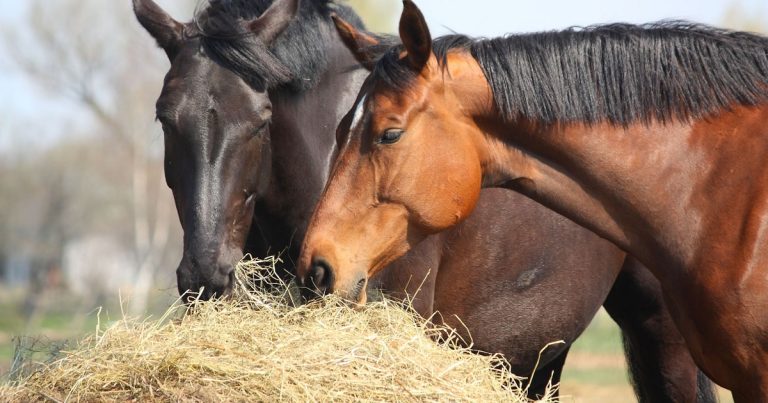
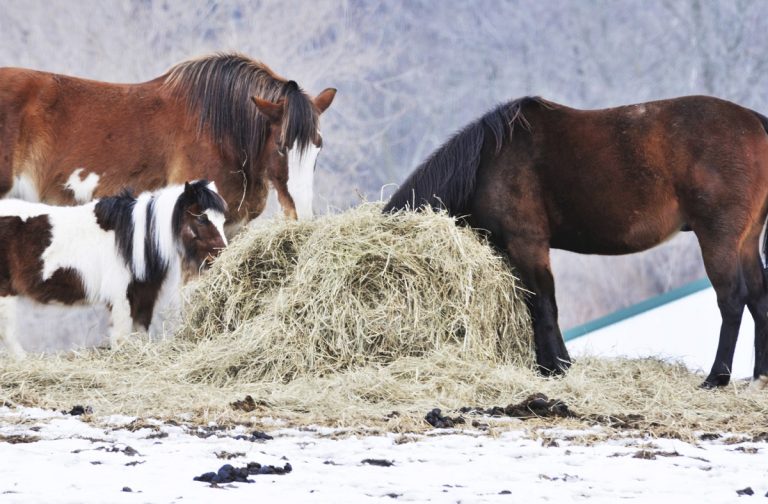
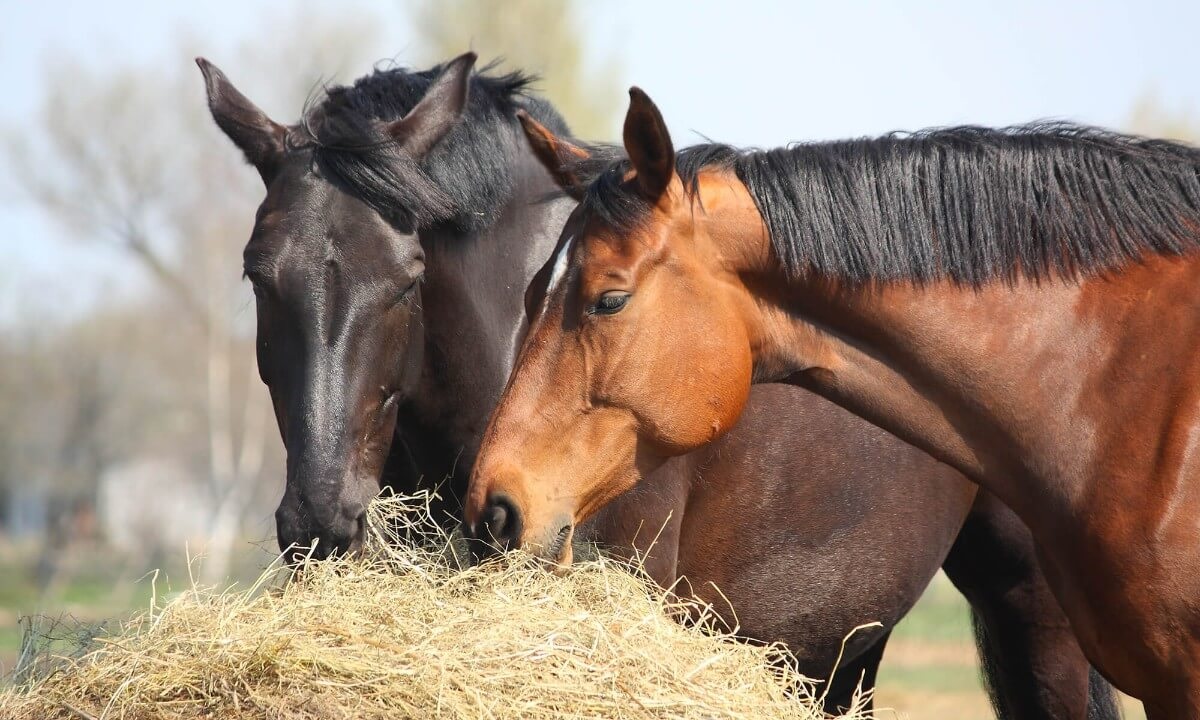
Forage, such as hay and pasture grass, forms the foundation of a horse’s diet. Horses are natural grazers and require fiber to maintain proper digestive function. Adequate forage supports gut health, promotes healthy chewing and saliva production, and prevents digestive disorders like colic. High-quality hay or pasture provides essential nutrients, including vitamins, minerals, and protein.
The type of forage should match your horse’s age, size, and activity level. Young, growing horses and performance horses may benefit from alfalfa or mixed grass hay with higher protein content. Monitoring forage intake ensures your horse receives enough fiber to satisfy hunger and support energy levels. Dividing hay into multiple feedings or providing continuous access to pasture promotes natural grazing behavior and steady nutrient absorption.
Concentrates and Grains
Concentrates, including grains and commercial pelleted feeds, supplement forage by providing additional energy, protein, and micronutrients. These are particularly important for horses with high energy demands, such as athletes, working horses, or growing foals. Grains like oats, barley, and corn offer digestible calories, while commercial feeds are formulated to balance essential vitamins and minerals.
Feeding concentrates requires careful calculation to prevent overfeeding or digestive upset. Dividing meals into smaller portions and monitoring weight and energy levels ensures that your horse receives appropriate nutrition. Combining concentrates with forage rather than replacing hay maintains digestive health while meeting higher caloric needs. Proper selection and portion control optimize performance, support muscle development, and maintain overall condition.
Vitamins and Minerals
Vitamins and minerals are vital components that support bodily functions, including bone development, immune function, and metabolic processes. Common supplements include calcium, phosphorus, salt, and trace minerals such as zinc, copper, and selenium. A well-balanced diet with high-quality forage and properly formulated concentrates usually provides sufficient vitamins and minerals.
However, supplementation may be necessary for horses with specialized needs, deficiencies, or specific health conditions. Providing a free-choice mineral block or adding supplements to feed ensures your horse receives adequate micronutrients. Monitoring coat condition, hoof health, and overall vitality helps determine whether additional supplementation is needed. Correct balance prevents deficiencies and supports optimal growth, performance, and long-term health.
Fresh Water and Hydration
Access to clean, fresh water is a fundamental, often overlooked, component of a horse’s diet. Horses require significant amounts of water daily to support digestion, circulation, temperature regulation, and metabolic functions. Water intake increases during hot weather, heavy exercise, or when feeding dry forage such as hay or pellets.
Regularly checking water sources for cleanliness and accessibility is crucial. Providing fresh water in troughs or buckets encourages consistent hydration. Monitoring water consumption also helps detect early signs of health problems, such as dehydration, illness, or changes in appetite. Ensuring adequate hydration enhances nutrient absorption, prevents colic, and supports overall well-being.
Supplements and Specialized Feeds
Supplements and specialized feeds play a vital role in meeting the unique nutritional needs of individual horses. While forage and concentrates provide the foundation of a horse’s diet, supplements help address deficiencies, support specific health conditions, and enhance performance. Understanding when and how to use these products ensures that your horse receives a balanced diet, supports long-term health, and performs at its best. Proper use prevents overfeeding or nutrient imbalances.
Common Types of Supplements
There are several types of supplements available for horses, each targeting specific nutritional or health needs. Vitamins and minerals such as calcium, phosphorus, selenium, and zinc support bone growth, immune function, and metabolic processes. Protein supplements, often derived from soy or alfalfa, help support muscle development and recovery in growing or performance horses. Fat supplements, such as vegetable oils or rice bran, provide concentrated energy for horses with high caloric needs.
Other supplements include joint-supporting products containing glucosamine, chondroitin, or MSM, which help maintain joint health and mobility. Digestive aids, including probiotics and prebiotics, promote gut health and improve nutrient absorption. Choosing the right supplement requires assessing your horse’s diet, workload, and health status. Consulting a veterinarian or equine nutritionist ensures that supplements enhance your horse’s diet safely and effectively.
Specialized Feeds for Performance and Health
Specialized feeds are formulated to meet the demands of horses with unique activity levels or health conditions. Performance horses often require feeds that provide additional energy, balanced protein, and vitamins for stamina, muscle recovery, and overall endurance. Senior horses may benefit from feeds designed for easier digestion, enhanced fiber, and added vitamins and minerals to support aging bodies.
Horses with metabolic disorders, such as insulin resistance or Cushing’s disease, require low-starch, low-sugar feeds to maintain proper blood glucose levels. Selecting the appropriate specialized feed involves evaluating your horse’s workload, body condition, and health status. Observing digestion, energy levels, and overall performance helps determine whether the feed is meeting the horse’s unique needs without causing weight gain or digestive upset.
Proper Feeding and Integration
Integrating supplements and specialized feeds into your horse’s diet requires careful planning. Gradually introducing new feeds or supplements allows the digestive system to adjust and prevents colic, diarrhea, or other digestive issues. Dividing supplements into multiple small meals ensures more consistent nutrient absorption.
Monitoring your horse’s response to new supplements or feeds is essential. Look for improvements in coat condition, energy, muscle tone, or joint mobility, and adjust feeding amounts as needed. Avoid over-supplementing, as excessive vitamins, minerals, or protein can cause health issues. Maintaining a well-balanced diet with forage, concentrates, and the right supplements ensures your horse receives complete nutrition.
Selecting Quality Products
Not all supplements and specialized feeds are created equal. Choosing high-quality products from reputable manufacturers guarantees accurate labeling, safety, and consistency. Check for certification, ingredient transparency, and suitability for your horse’s age, activity level, and health status.
Regularly reviewing your horse’s diet and supplement routine with a veterinarian or equine nutritionist ensures that each product contributes to overall health and performance. Proper selection and usage of supplements and specialized feeds prevent nutrient imbalances, support long-term well-being, and optimize your horse’s diet for both maintenance and high-performance needs.
Feeding Practices and Scheduling
Establishing proper feeding practices and a consistent schedule is essential for maintaining your horse’s health, digestion, and performance. Horses thrive on routine, and irregular feeding can lead to digestive problems, stress, and behavioral issues. Implementing effective feeding strategies ensures balanced nutrient intake, prevents overfeeding or underfeeding, and supports overall well-being. Understanding portion control, meal timing, and safe feeding techniques allows you to optimize your horse’s nutrition efficiently.
Consistent Feeding Times
Feeding horses at consistent times every day helps regulate digestion and maintain steady energy levels. Horses are natural grazers and rely on routine to reduce stress and avoid digestive disturbances. Providing feed at the same times daily encourages predictable eating behavior and helps prevent sudden hunger-related behaviors, such as cribbing or pawing.
For most horses, dividing meals into two to three feedings per day is ideal, especially when feeding concentrates or pellets. Smaller, more frequent meals mimic natural grazing patterns and reduce the risk of colic or rapid consumption. Observing how your horse responds to the schedule allows you to adjust meal timing for optimal digestion and comfort, supporting a healthy feeding routine.
Portion Control and Balanced Feeding
Controlling portion sizes is critical to preventing overfeeding, obesity, or nutritional deficiencies. Assessing your horse’s body condition, age, workload, and metabolic rate helps determine how much forage, grain, or supplement they require each day. Dividing the total daily intake into smaller meals ensures consistent nutrient delivery and reduces the risk of digestive upset.
Balancing forage with concentrates or supplements according to your horse’s individual needs supports optimal energy levels and muscle development. Monitoring weight, coat quality, and energy can help identify when adjustments are necessary. Proper portion control allows you to meet nutritional requirements while avoiding unnecessary waste or health risks associated with overfeeding.
Safe Feeding Techniques
Feeding practices that prioritize safety prevent choking, colic, and other feeding-related issues. Horses should always have access to clean, fresh water alongside meals to aid digestion and nutrient absorption. Soaking pellets or using slow feeders can help horses with dental issues or those prone to eating too quickly.
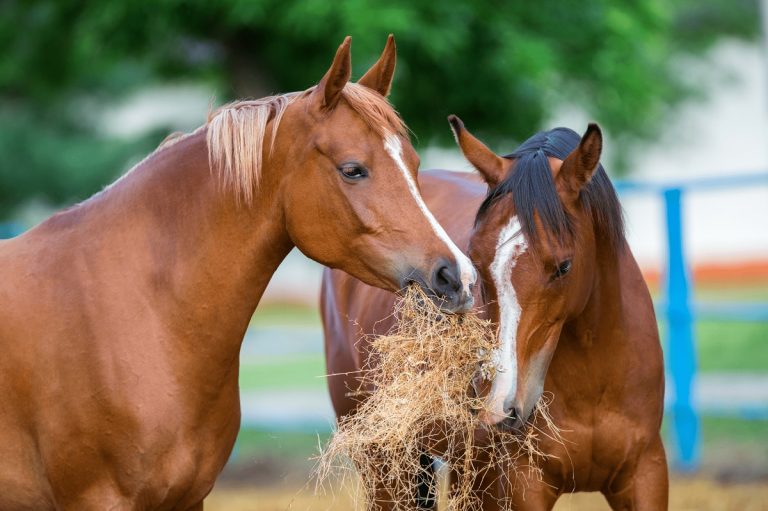
Providing feed in clean containers or troughs and maintaining proper hygiene minimizes contamination and mold growth. For multiple-horse setups, using separate feeders prevents competition and ensures each horse receives its allotted portion. Observing eating behavior during feeding times allows you to detect potential issues early and adjust feeding practices for safety and effectiveness.
Adjusting Schedules for Activity and Life Stage
Feeding schedules should adapt to your horse’s activity level and life stage. Performance horses may benefit from pre- or post-training meals to support energy needs and recovery. Young, growing horses require more frequent meals to meet protein and nutrient demands for proper growth. Senior horses may benefit from smaller, more digestible portions spread throughout the day to accommodate slower digestion and dental concerns.
Monitoring your horse’s response to schedule adjustments, including changes in behavior, energy, or body condition, ensures the feeding routine remains appropriate. Flexibility in timing, combined with consistency in portion control, supports long-term health and keeps your horse comfortable and well-nourished throughout life stages and varying activity levels.
Monitoring and Refining Feeding Practices
Ongoing observation is key to optimizing feeding practices. Track your horse’s body condition, stool consistency, and overall health to determine if the current schedule and portions are effective. Adjustments may be necessary with seasonal changes, growth phases, or shifts in activity.
Keeping a feeding log that records types of feed, amounts, and timing helps identify trends or issues early. Regularly reviewing and refining your feeding practices ensures consistent nutrition, prevents digestive problems, and allows you to maintain a stable, healthy routine that meets your horse’s evolving needs.
Frequently Asked Questions
What Are The Best Forage Options For Horses?
High-quality forage forms the foundation of a horse’s diet. Hay and pasture grass provide fiber essential for proper digestion, gut health, and natural grazing behavior. Good-quality timothy, orchard grass, or mixed hay supplies protein, vitamins, and minerals needed for overall health. Pasture access also supports mental stimulation and natural chewing.
Choosing forage depends on your horse’s age, size, and activity level. Young or performance horses may benefit from alfalfa or higher-protein hay. Monitoring forage intake ensures your horse maintains body condition, energy, and digestive health while avoiding overfeeding or nutritional deficiencies.
How Much Grain Or Concentrate Should I Feed My Horse?
Grains and concentrates supplement forage to provide additional energy, protein, and nutrients. The amount depends on your horse’s weight, workload, and age. For example, a light-work horse may need minimal grain, while performance or growing horses require larger portions to meet calorie demands.
Divide concentrates into multiple meals to prevent digestive upset and mimic natural grazing patterns. Always combine grain with sufficient forage to maintain healthy digestion. Monitoring body condition, energy, and stool consistency helps you adjust portions safely, ensuring your horse receives proper nutrition without causing weight gain or colic.
Are Supplements Necessary For Horses?
Supplements are not always required but can be helpful in specific situations. Vitamins, minerals, joint support, or digestive aids can address deficiencies, support performance, or promote recovery in older or high-activity horses. Choosing supplements depends on your horse’s diet, age, workload, and health.
Monitoring your horse’s body condition, coat quality, and energy levels helps determine whether supplements are beneficial. Working with a veterinarian or equine nutritionist ensures safe, appropriate use. Proper supplementation complements forage and concentrates, supporting long-term health and preventing nutrient imbalances.
Can Horses Eat Fruits And Vegetables?
Fruits and vegetables can be fed as treats but should never replace forage or concentrate. Apples, carrots, and small amounts of squash provide vitamins, minerals, and enrichment for your horse. Moderation is key to avoid digestive upset or excess sugar intake.
Always wash produce thoroughly and cut into manageable pieces to prevent choking. Offering occasional treats supports bonding and encourages natural foraging behavior. Observing how your horse reacts to new foods ensures safe and enjoyable supplementation while maintaining overall dietary balance.
How Do I Adjust Feeding For Young Or Growing Horses?
Young horses require higher protein, energy, and mineral intake to support growth and development. Forage should be high-quality, and concentrates may need to be increased to meet caloric needs. Monitoring body condition and growth rate is essential for proper nutrition.
Supplements containing calcium, phosphorus, and vitamins can help prevent developmental issues. Feeding multiple small meals promotes digestion and nutrient absorption. Regular consultation with a veterinarian or equine nutritionist ensures your young horse receives a balanced diet to support healthy bones, muscles, and overall development.
How Should Feeding Change For Senior Horses?
Senior horses often require specialized feeding to address dental issues, slower digestion, and nutrient absorption. Soaked hay, pelleted feeds, or high-fiber senior diets make eating easier while maintaining proper nutrition. Supplements may be added to support joint health, immunity, or weight management.
Feeding smaller, more frequent meals helps senior horses digest food efficiently. Regular monitoring of body condition, weight, and stool ensures that dietary adjustments meet changing needs. Maintaining consistent feeding routines supports overall health, prevents weight loss, and helps older horses remain comfortable and active.
Final Words
Providing proper nutrition is essential for a horse’s health, performance, and overall well-being. Each horse has unique needs based on age, size, workload, and health conditions, so a balanced diet combining forage, grains, and supplements is crucial. Monitoring body condition, behavior, and energy levels helps ensure that feeding practices meet the horse’s nutritional requirements.
Introducing new feeds gradually and dividing daily portions into smaller meals can prevent digestive issues such as colic or bloating. Fresh, clean water should always be available, and special considerations may be needed for horses with metabolic or health concerns. Using high-quality hay, carefully measured grains, and appropriate supplements contributes to a strong, healthy, and energetic horse.
Understanding [what to feed horses] goes beyond choosing individual feed types—it’s about creating a balanced, consistent, and safe feeding routine. By observing your horse, adjusting rations as needed, and prioritizing nutrition, you can maintain optimal health and ensure a long, active, and happy life for your equine companion.