Lifespan of a Horse
You can expect a horse’s lifespan to range from 25 to 30 years, though wild horses often live closer to 15 years. Smaller breeds tend to live longer, sometimes into their 40s, while larger breeds like draft horses typically live shorter lives.
Genetics, health care, nutrition, and environment heavily influence longevity. Proper management, including hoof, dental, and veterinary care, can extend healthy years considerably. Explore these factors further to understand what truly affects your horse’s lifespan.
What Is the Average Lifespan of a Horse?
The average lifespan of a horse ranges from 25 to 30 years, depending largely on its environment and care. When you consider horses in domesticated settings, they typically live longer due to consistent veterinary care and optimized nutrition.
In contrast, wild horses face harsher conditions and have an average lifespan closer to 15 years.
While smaller breeds such as ponies can often live into their 40s or beyond, the general average lifespan for most horses remains within the 25-30 year range.
Exceptional cases exist, with the oldest recorded horse living up to 62 years, demonstrating that lifespan can extend with proper management.
Understanding these averages helps you set realistic expectations for horse care and longevity.
How Breed and Size Affect Horse Longevity
Although breed itself doesn’t drastically alter a horse’s lifespan, you’ll find that size plays a critical role in longevity. Smaller breeds, such as ponies, Icelandic horses, and Fjords, typically live longer, often reaching 30 to 40 years.
Size, more than breed, significantly influences horse lifespan, with smaller breeds often living 30 to 40 years.
In contrast, larger breeds, especially draft horses, tend to have shorter lifespans averaging around 18 years due to increased bodily strain and higher health risks.
Thoroughbreds usually fall in between, living approximately 25 years.
When evaluating how breed and size affect horse longevity, size is the more influential factor. While breed variations exist, they don’t substantially impact lifespan compared to the pronounced effects of a horse’s physical size and associated physiological demands.
Understanding this distinction helps in anticipating the expected longevity based on the horse’s breed and size.
How Genetics and Health Issues Impact Lifespan
You’ll find that a horse’s genetics play a big role in how long they live. Some horses are more likely to inherit chronic illnesses or congenital conditions because of their genes.
When it comes to keeping your horse healthy, managing these issues well—including injuries—is key to making sure they don’t shorten their life.
Getting a good grasp on how genetics and health problems work together can really help you take better care of your horse. That way, you can do what’s needed to help your horse live a longer, healthier life.
Genetic Influence On Longevity
Since genetics shape a horse’s predisposition to hereditary diseases and congenital defects, they play a significant role in determining lifespan. Your horse’s genetic background influences susceptibility to conditions like insulin resistance and certain cancers, which can reduce longevity.
Genetic abnormalities may cause early health issues, impacting lifespan negatively. However, genetics aren’t the sole factor; proper care and medical management can mitigate risks.
| Genetic Factor | Impact on Lifespan |
|---|---|
| Hereditary diseases | Increased health risks |
| Congenital defects | Early onset health problems |
| Breed predispositions | Variable disease susceptibility |
| Genetic abnormalities | Potential lifespan reduction |
Understanding the genetic influence helps you optimize care strategies to extend your horse’s healthy lifespan effectively.
Chronic Illness Effects
How do chronic illnesses and genetic factors combine to influence a horse’s lifespan? Genetic abnormalities increase susceptibility to chronic illnesses like laminitis, metabolic disorders, and respiratory issues, which contribute to lifespan reduction.
Horses genetically predisposed to melanoma or certain cancers typically experience earlier decline. These chronic illnesses cause persistent pain and discomfort, reducing activity levels and accelerating morbidity.
However, you can mitigate these effects through proactive veterinary care. Regular health monitoring and targeted treatments help manage symptoms and slow disease progression, ultimately extending lifespan.
Understanding the interplay between genetics and chronic health issues allows you to implement effective care strategies, minimizing lifespan reduction and improving quality of life for affected horses. Early detection and consistent management remain critical to maintaining longevity despite chronic illness challenges.
Injury Impact On Lifespan
Genetic factors not only influence chronic illnesses but also affect a horse’s vulnerability to injuries that can shorten its lifespan. You should understand that hereditary health issues, such as crooked legs or respiratory abnormalities, increase the risk of injuries and complicate recovery.
When injuries like broken limbs or tendon damage occur, they often lead to chronic pain and reduced mobility, which negatively impact longevity. If these injuries and associated health issues remain untreated or poorly managed, they can cause progressive deterioration, further shortening the horse’s lifespan.
However, with prompt veterinary intervention, appropriate therapy, and diligent management of genetic predispositions, you can markedly mitigate these risks. Ensuring extensive care helps preserve mobility and overall health, ultimately supporting greater longevity despite genetic and injury-related challenges.
Horse Life Stages: Growth, Prime, and Senior Years
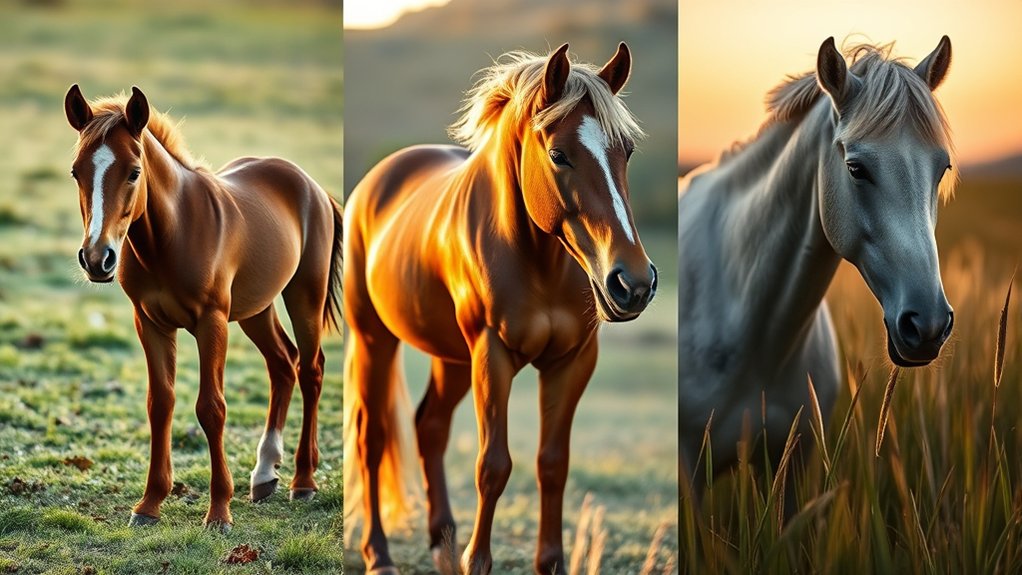
You’ll notice that a horse’s growth phase wraps up around age three, when those growth plates close and the skeleton is fully mature.
Then, from about three to fifteen years old, your horse is in its prime — at its peak physically and reproductively.
As your horse moves into its senior years, you’ll start to see signs of aging. That means it’s time to adjust nutrition and healthcare to keep your horse feeling its best.
Developmental Growth Phases
Although horses progress through several distinct life stages, understanding their developmental growth phases is essential for effective management and care. During foalhood and youth, rapid bone and muscle development occurs, with growth plates closing around age 3.
The prime years, from 3 to 15, mark peak physical performance. Afterward, senior horses enter a phase characterized by aging-related physiological changes requiring tailored management.
| Life Stage | Age Range | Key Characteristics |
|---|---|---|
| Foalhood | Birth to weaning | Rapid growth, dependence on mare |
| Youth | Weaning to 3 | Growth plate closure, increased activity |
| Prime | 3 to 15 | Peak athletic ability, stable health |
| Senior | 15+ | Aging signs, decreased performance |
Recognizing these phases helps you optimize care throughout a horse’s lifespan.
Aging Signs And Care
As horses move beyond their prime years, you’ll begin to notice distinct physical and physiological changes that signal aging. Typical aging signs in senior horses include sagging backs, muscle wasting, cloudy eyes, and greying hair.
Dental issues such as slower chewing and tooth loss require regular floating and dental care. Osteoarthritis and hormonal shifts often cause joint stiffness and reduced activity. Increased water intake and a dull coat also indicate advancing age.
To support senior horses effectively, you must implement tailored diets and maintain consistent veterinary care. Regular checkups help monitor musculoskeletal health and address emerging conditions promptly.
Appropriate exercise adapted to their capabilities preserves mobility and quality of life. Attentive management during this stage guarantees your horse ages with comfort and dignity.
Nutrition’s Role in Extending Horse Lifespan
When you provide a balanced, age-appropriate diet rich in fiber and fat, you directly support your horse’s overall health and longevity. Proper nutrition plays a critical role in extending your horse’s lifespan by maintaining digestive health and ideal body condition.
Feeding high-quality hay or grass consistently, alongside carefully managed grain intake, prevents digestive disturbances that can shorten life expectancy.
For senior horses, adapting the diet with soaked feeds and targeted supplements helps mitigate age-related decline, enhancing quality of life.
Avoid sudden diet changes to prevent digestive upset, which negatively impacts lifespan.
Furthermore, ensuring constant access to clean water and essential mineral supplements supports metabolic functions essential for longevity.
Your precise management of nutrition directly influences your horse’s health span and lifespan.
Why Regular Exercise Is Essential for Longevity
You need to make regular exercise a priority to keep your horse’s muscles strong and joints healthy.
When your horse stays active consistently, it helps slow down age-related issues like arthritis by keeping them mobile and flexible.
If your horse doesn’t get enough exercise, it could lead to decreased function and even a shorter lifespan.
Muscle Strength Maintenance
Although horses naturally lose muscle mass with age, maintaining regular exercise is essential to preserve their muscle strength and overall mobility. Regular exercise stimulates circulation, promotes healthy muscle tissue, and prevents atrophy and stiffness.
By engaging your horse in consistent physical activity tailored to its age and health status, you support muscle strength critical for sustaining mobility and reducing injury risk. Studies confirm that horses involved in regular exercise typically enjoy increased longevity due to enhanced overall health and a lower incidence of age-related conditions.
In contrast, inactivity leads to muscle wasting, diminished stamina, and greater vulnerability to injuries. Incorporating light, routine exercise helps you maintain your horse’s muscle integrity, directly contributing to a longer, healthier life.
Joint Health Preservation
Because joint health directly influences a horse’s mobility and comfort, maintaining regular exercise is essential for preserving joint function as your horse ages. Consistent activity supports cartilage integrity and synovial fluid circulation, which are vital for joint nourishment and preventing degeneration.
To optimize joint health and extend your horse’s lifespan, focus on:
- Implementing moderate, regular exercise to maintain joint mobility and reduce arthritis risk.
- Encouraging movement that promotes healthy synovial fluid flow, essential for tissue nutrition.
- Preventing inactivity to avoid joint stiffness and muscle atrophy, which can accelerate joint damage.
- Strengthening muscles around joints to enhance support and minimize the likelihood of injury.
Environmental Factors That Affect Horse Lifespan
How does the environment influence a horse’s lifespan? The environment plays a critical role in maintaining your horse’s health and longevity. Proper shelter protects from extreme weather, reducing stress and preventing illnesses.
Ensuring access to clean, fresh water and adequate shelter from heat, cold, and rain supports overall health.
Effective environmental management, including regular manure removal and pest control, minimizes disease risks such as parasites and infections.
Providing a safe, secure pasture encourages natural movement, which is essential for joint and muscle health while lowering injury risk.
Moreover, stables with adequate ventilation and temperature regulation prevent respiratory problems and enhance comfort.
Hoof and Dental Care for a Longer-Lived Horse
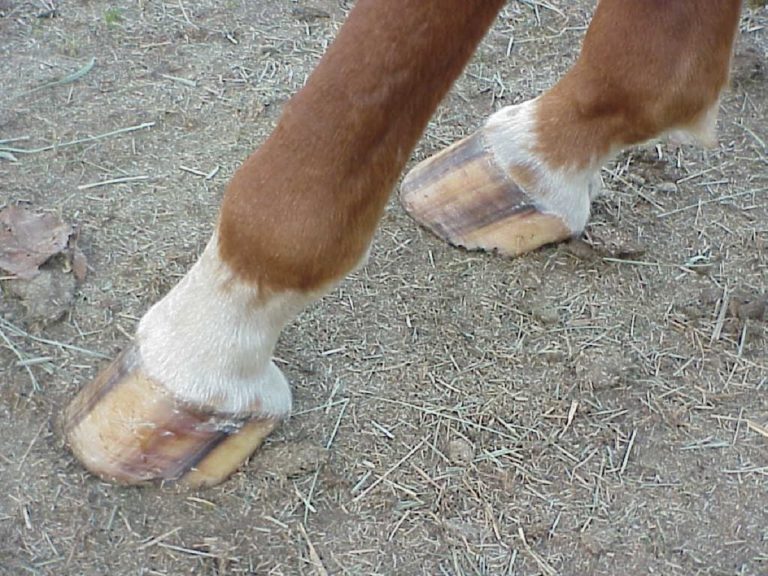
When you prioritize regular hoof trimming and dental care, you markedly enhance your horse’s health and longevity. Effective hoof care and dental floating play vital roles in extending your horse lifespan by preventing pain and maintaining functionality.
Key practices include:
- Schedule hoof trimming every 6-8 weeks to avoid thrush, cracks, and lameness.
- Perform dental floating annually or biannually to rasp sharp points and ensure even tooth wear.
- Monitor for signs of discomfort indicating dental or hoof problems.
- Maintain consistent care to support efficient chewing, digestion, and mobility.
Neglecting these can cause chronic pain, reduced mobility, and early health decline, shortening your horse’s lifespan.
Prioritizing precise hoof and dental care safeguards your horse’s overall health and quality of life.
Veterinary Care and Disease Prevention Tips
Although you manage daily care diligently, maintaining regular veterinary checkups and preventive measures is essential to safeguarding your horse’s health. Consistent veterinary care supports early illness detection, while vaccinations and deworming protocols are critical for effective disease prevention. Proper dental care and stable hygiene also contribute to your horse’s health and longevity.
| Preventive Measure | Purpose |
|---|---|
| Vaccinations | Protect against infectious diseases |
| Deworming | Control parasitic infections |
| Dental Floating | Prevent uneven wear, choking, digestive issues |
| Stable Hygiene | Reduce bacterial and fungal infections |
| Regular Checkups | Early illness detection and treatment |
Common Causes of Horse Death and How to Prevent Them
Maintaining routine veterinary care and preventive measures substantially lowers the risk of common fatal conditions in horses.
To effectively prevent death caused by colic, lameness, and injury, focus on these key areas:
Preventing death from colic, lameness, and injury requires focused care on key health and safety areas.
- Monitor diet and hydration closely to prevent colic, the leading cause of death, especially in horses under 20 years.
- Schedule regular veterinary checkups to promptly identify and treat digestive or musculoskeletal issues.
- Guarantee a safe environment to minimize traumatic injuries, particularly in younger horses prone to accidents.
- Maintain dental health and proper nutrition to reduce risks associated with age-related illnesses and weight loss.
Frequently Asked Questions
How Can I Mentally Stimulate My Aging Horse?
You can mentally stimulate your aging horse by enhancing horse nutrition with treat-based puzzle feeders that encourage problem-solving.
Keep the stable environment dynamic by introducing new safe objects or scents regularly.
Facilitate social interactions by arranging time with other horses or caregivers to reduce cognitive decline.
Furthermore, vary pasture locations and incorporate gentle groundwork exercises to maintain mental sharpness and promote overall well-being effectively.
What Are Signs of Cognitive Decline in Older Horses?
You might notice your senior horse behavior shifting, like wandering aimlessly or showing confusion. These are classic signs of age-related memory loss.
Cognitive assessment tools can help identify decreased responsiveness to familiar commands and difficulty adapting to new routines.
Watch for changes in sleep patterns or social withdrawal, as these indicate cognitive decline.
Regular evaluations guarantee you address mental deterioration promptly. This helps maintain your horse’s quality of life with precise, informed care tailored to aging cognitive function.
How Does Horse Temperament Change With Age?
You’ll notice horse personality often becomes calmer with age, showing temperament shifts toward predictability and reduced reactivity.
Behavioral changes include decreased sensitivity as their nervous system adapts, making them less excitable.
However, health issues can trigger stubbornness or anxiety, altering temperament negatively.
Can Alternative Therapies Improve Senior Horse Quality of Life?
Like a well-tuned engine, alternative therapies can profoundly improve your senior horse’s quality of life. Incorporating equine acupuncture benefits reduces pain and enhances mobility.
Horse dietary supplements support joint health and overall well-being.
Senior horse grooming complements these treatments by maintaining circulation and skin condition.
Together, these approaches reduce reliance on medications, easing age-related discomfort and promoting a more active, comfortable lifestyle for your aging equine companion.
What Are the Best Ways to Manage Arthritis in Horses?
To manage arthritis in horses effectively, you should incorporate joint supplements like glucosamine and chondroitin to support cartilage health.
Implement dietary adjustments by including omega-3 rich feeds to reduce inflammation.
Design controlled exercise routines focusing on low-impact activities, such as swimming or light riding, to maintain joint mobility without overloading.
Regular veterinary check-ups will help tailor treatments, ensuring you address pain and joint deterioration promptly for maximum equine comfort and function.
Conclusion
Think of your horse’s lifespan as a finely tuned clock, where every gear—breed, nutrition, care, and environment—must align perfectly. By understanding how genetics, health, and proper maintenance influence longevity, you’re not just watching time pass; you’re actively prolonging it.
With precise hoof and dental care, vigilant veterinary attention, and balanced nutrition, you guarantee your horse’s gears keep turning smoothly, maximizing its years and quality of life.