Is Horse Riding A Sport? Exploring Competitive And Recreational Riding
Horse riding has captivated people for centuries, blending skill, athleticism, and a unique connection between human and animal. It is an activity that challenges balance, coordination, and physical strength while requiring mental focus, patience, and clear communication with the horse. Many enthusiasts and observers often wonder about its classification, asking whether it should be considered a sport.
The question is more than just semantics; it explores how horse riding tests endurance, agility, and technique in competitive and recreational settings. Understanding its physical and mental demands highlights the rigor involved, from maintaining proper posture and controlling speed to navigating jumps or performing dressage routines. Recognizing these challenges helps answer the question is horse riding a sport and shows why it is celebrated in competitive arenas worldwide, from Olympic events to local equestrian competitions, as a true test of skill, precision, and partnership.
Competitive Horse Riding Disciplines
Competitive horse riding encompasses a wide range of disciplines, each testing the skills of both horse and rider in unique ways. These disciplines combine athletic ability, precision, and teamwork, requiring years of training and experience. From speed and agility events to carefully choreographed routines, each category challenges participants differently. Understanding these competitive disciplines helps highlight the physical and mental demands of equestrian sports, showcasing why horse riding is widely recognized as a legitimate and challenging sport that tests both human and equine abilities.
Show Jumping
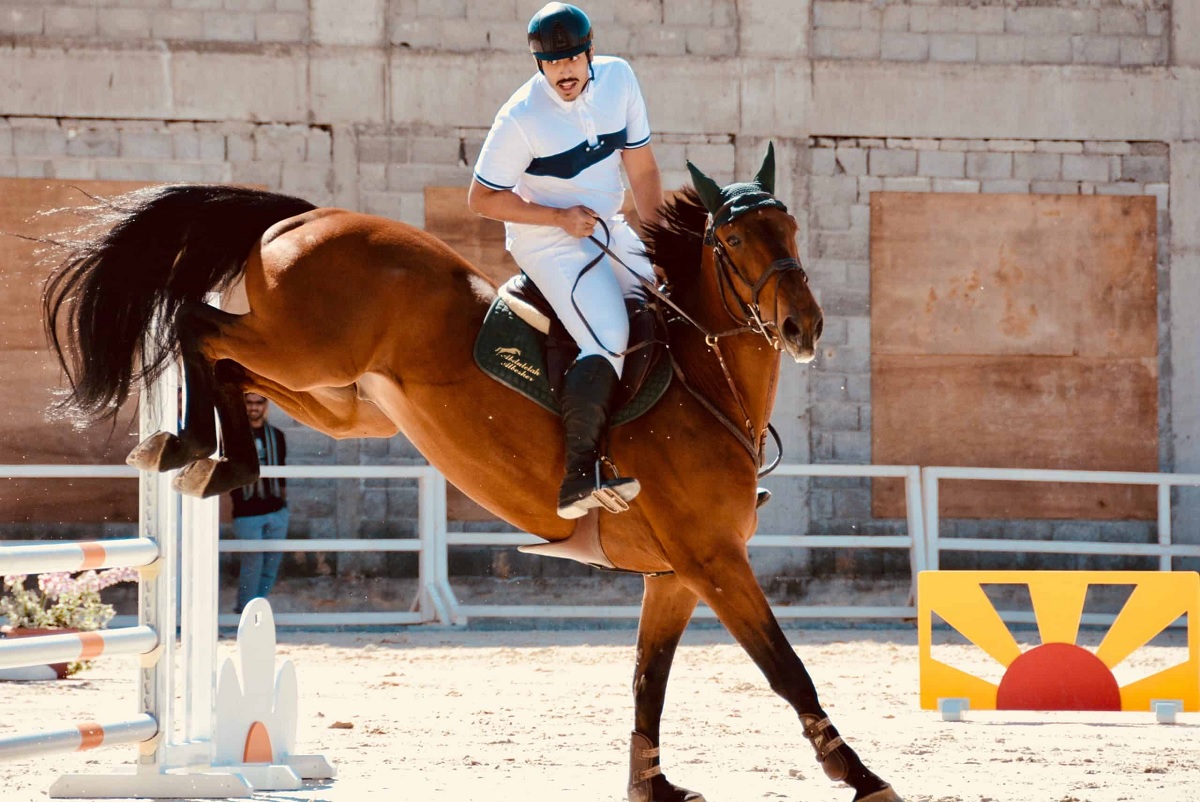
Show jumping is one of the most popular equestrian disciplines, focusing on speed, accuracy, and coordination. Riders guide their horses over a series of obstacles, including fences, walls, and water jumps, all within a set time limit. Each knockdown or refusal incurs penalty points, making precision essential. Riders must maintain a balanced seat, anticipate the horse’s movements, and choose the most efficient path between jumps to minimize time and penalties.
Horses require agility, strength, and trust in their rider to successfully complete courses. Training involves repetitive practice over various jumps to improve timing, rhythm, and responsiveness. The sport demands a unique partnership where the rider communicates subtly through cues and weight shifts, while the horse interprets and executes the movements. Show jumping is both a mental and physical challenge, testing the concentration, reflexes, and athleticism of horse and rider alike. Success requires not just technical skill but an understanding of the horse’s capabilities and temperament.
Dressage
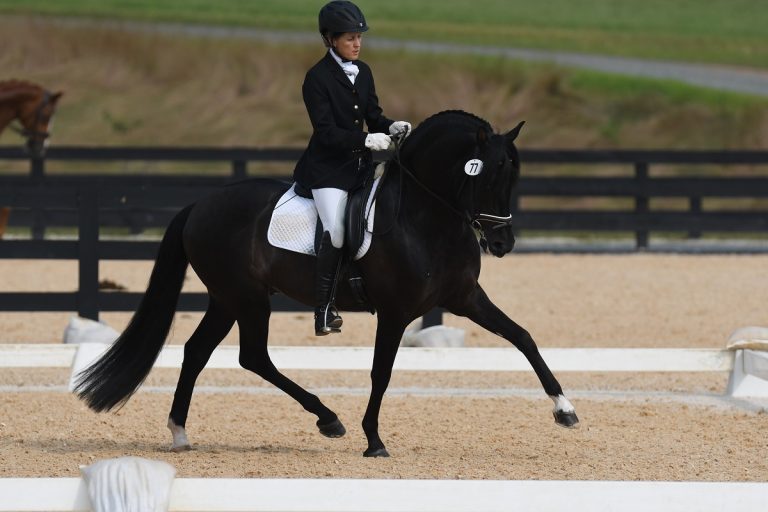
Dressage is often described as the art of horse riding, emphasizing precision, grace, and harmony between horse and rider. Competitors perform a series of predetermined movements, called “tests,” which showcase the horse’s training, flexibility, and responsiveness. Judges score each movement based on accuracy, fluidity, and the horse’s natural elegance. Riders must maintain perfect posture, subtle hand control, and precise leg cues while keeping the horse relaxed and balanced throughout.
Training for dressage focuses on developing strength, flexibility, and communication between horse and rider. Movements such as piaffe, passage, and flying changes require years of consistent practice and patience. Dressage challenges mental focus as much as physical skill, requiring both partners to anticipate and respond seamlessly to each cue. The discipline demonstrates how subtle coordination and trust between horse and rider can produce performances of remarkable beauty and technical excellence.
Eventing
Eventing, often referred to as the equestrian triathlon, combines dressage, cross-country, and show jumping into a single competition. This discipline tests versatility, stamina, and adaptability of both horse and rider. Dressage showcases precision and control, cross-country evaluates endurance and bravery over natural obstacles, and show jumping examines agility and technique in a timed arena course.
Success in eventing requires comprehensive training in multiple skills, including jumping, pacing, and problem-solving. Horses must be athletic, responsive, and courageous, while riders must balance speed with strategy and maintain clear communication throughout all phases. Eventing is physically demanding and mentally challenging, pushing both partners to perform under pressure while demonstrating trust, timing, and resilience. It exemplifies the broad spectrum of abilities required in competitive horse riding.
Endurance Riding
Endurance riding focuses on long-distance competitions that test the stamina and fitness of both horse and rider. Races can cover dozens of miles in a single day, often through varied terrain such as trails, hills, and open fields. Horses are monitored for heart rate, hydration, and overall condition to ensure they are fit to continue, emphasizing the importance of pacing and strategic management.
Riders must carefully balance speed with the horse’s well-being, making strategic decisions about rest, water breaks, and nutrition along the course. Horses require strong cardiovascular endurance, sound hooves, and mental resilience to navigate long distances efficiently. Endurance riding demands careful planning, physical conditioning, and deep understanding of the horse’s capabilities. It highlights the partnership between horse and rider in managing energy, terrain, and performance over extended periods.
Physical Demands Of Horse Riding
Horse riding is far more physically challenging than it appears, requiring strength, balance, coordination, and endurance. Riders must maintain proper posture, control the horse, and respond quickly to changes in movement, all while ensuring harmony with the animal. The sport engages multiple muscle groups and demands cardiovascular fitness, flexibility, and core stability. Understanding these physical demands highlights why horse riding is recognized as a legitimate sport and explains the rigorous training needed to perform safely and effectively at any level.
Core Strength And Balance
Core strength is essential for horse riding, providing the foundation for balance, stability, and effective communication with the horse. Riders engage abdominal muscles, obliques, and lower back to maintain an upright, centered posture while absorbing the horse’s movements. A strong core allows riders to stay connected with the horse, control their position during jumps or sudden changes in pace, and minimize strain on the legs and arms.
Balance is closely tied to core engagement, as even slight shifts can affect the horse’s movement and performance. Riders must constantly adjust to uneven terrain, sudden stops, or quick turns, requiring fine-tuned muscle coordination. Maintaining this balance over long periods, especially during training or competitive events, demands endurance and focus. Without core strength, riders are more prone to fatigue, misalignment, and injuries, making targeted exercises essential for safe and effective riding.
Leg And Lower Body Strength
Leg and lower body strength play a critical role in horse riding, providing stability, control, and effective communication with the horse. Riders use thighs, calves, and inner legs to grip the horse and provide cues for movement, speed, and direction. Proper leg positioning is essential for absorbing impact during jumps, transitions, and uneven gaits. Strong leg muscles also help maintain a secure seat, reducing the likelihood of slipping or over-relying on reins for balance.
Lower body strength contributes to endurance, allowing riders to maintain correct posture over extended periods. Weak legs can lead to fatigue, instability, and poor coordination, which can affect both the rider’s safety and the horse’s performance. Riders often perform targeted exercises such as squats, lunges, and resistance training to strengthen leg muscles. Developing these areas ensures the rider can apply subtle cues effectively, respond to unexpected movements, and stay balanced through physically demanding riding sessions.
Upper Body And Arm Strength
Upper body and arm strength are equally important in horse riding, supporting reins control, posture, and shock absorption. Riders use shoulder, arm, and upper back muscles to guide the horse, maintain balance, and respond to sudden changes in movement. These muscles also help absorb motion during jumps or gallops, reducing strain on joints and preventing fatigue.
Effective rein control relies on subtle, precise movements rather than force, making muscular endurance and fine motor control essential. Weak upper body muscles can result in over-gripping, pulling on the horse’s mouth, or losing stability, which may compromise performance and safety. Riders often incorporate strength training for arms, shoulders, and back into their routines to build endurance, control, and proper posture, ensuring they can maintain effective communication and stability during long or intense riding sessions.
Cardiovascular Endurance And Stamina
Horse riding demands significant cardiovascular endurance, especially in competitive disciplines or extended training sessions. Maintaining posture, controlling the horse, and executing maneuvers over time requires consistent energy output and stamina. Cardiovascular fitness supports muscular endurance, reducing fatigue and helping the rider remain focused and responsive.
Stamina is particularly important in disciplines such as eventing, endurance riding, or cross-country courses, where prolonged physical exertion and rapid adjustments are required. Riders must pace themselves and maintain energy levels while ensuring the horse also performs safely. Regular cardiovascular exercises like running, cycling, or swimming complement riding practice, improving lung capacity, heart efficiency, and overall endurance. Developing these areas allows riders to sustain physical and mental performance, ensuring safe, effective, and competitive riding over extended periods.
Mental And Psychological Skills
Horse riding is not only a physical endeavor but also a mentally and psychologically demanding sport. Riders must stay focused, make split-second decisions, and maintain composure while coordinating with a powerful and unpredictable animal. Mental skills such as concentration, confidence, patience, and emotional awareness are critical for both safety and performance. Understanding the psychological demands highlights the importance of mental training alongside physical preparation, showcasing how success in horse riding relies equally on the mind as it does on the body.
Focus And Concentration
Focus and concentration are essential mental skills for successful horse riding. Riders must maintain awareness of the horse’s movements, terrain, obstacles, and timing while executing precise cues. Even small lapses in attention can lead to mistakes, miscommunication, or accidents. Maintaining concentration requires training the mind to stay present, anticipate challenges, and respond effectively without hesitation.
Distractions in the environment, such as sudden noises, other horses, or spectators, can disrupt focus. Riders learn to block out external stimuli and remain fully engaged with the horse and the task at hand. This level of mental discipline allows for smoother coordination, accurate execution of movements, and enhanced communication with the horse. Consistent practice and mindfulness techniques can help strengthen focus, improving both safety and performance during training and competitions.
Confidence And Decision Making
Confidence is a crucial psychological skill in horse riding, as hesitation can directly impact performance and safety. Riders must trust their abilities and the horse’s responsiveness when making split-second decisions, whether navigating jumps, turns, or unexpected movements. Confidence grows through experience, repetition, and gradual exposure to new challenges.
Decision-making is closely linked to confidence. Riders constantly assess situations, anticipate obstacles, and choose the best course of action to maintain control and performance. Poor decision-making can result in errors or increased risk of injury. Developing strong judgment skills involves learning from experience, observing other riders, and understanding the horse’s behavior. A confident rider makes clear, decisive choices that support both the horse’s well-being and competitive success.
Emotional Awareness And Patience
Emotional awareness is another vital component of horse riding. Horses are sensitive to a rider’s mood, tension, and energy, which can affect responsiveness and cooperation. Riders must recognize their own emotions, regulate stress, and project calm, confident signals to maintain harmony with the horse.
Patience is equally important, especially during training, problem-solving, or when working with young or challenging horses. Progress may be slow, requiring repeated practice and careful adjustment of techniques. Riders who cultivate patience and emotional control foster trust and cooperation, creating a stronger partnership with their horse. Emotional intelligence and self-regulation enhance both safety and performance, highlighting the psychological complexity of horse riding.
Mental Resilience And Stress Management
Horse riding often involves high-pressure situations, such as competitions, long training sessions, or navigating unpredictable environments. Mental resilience allows riders to cope with stress, recover from mistakes, and maintain performance under challenging conditions. Developing resilience involves building confidence, practicing mindfulness, and learning to adapt to changing circumstances.
Stress management techniques, including deep breathing, visualization, and positive self-talk, help riders remain calm and focused. Mental toughness supports decision-making, communication, and physical coordination during critical moments. Riders who strengthen resilience and stress management skills can handle setbacks, maintain composure, and continue improving performance over time, demonstrating the crucial interplay between psychological and physical abilities in equestrian sports.
Training And Preparation For Riders
Proper training and preparation are essential for riders to perform effectively and safely in horse riding. Beyond learning basic techniques, riders must develop strength, balance, endurance, and mental acuity. Preparation includes physical conditioning, skill development, and understanding horse behavior. Consistent practice, targeted exercises, and exposure to varied riding scenarios help riders build confidence, coordination, and responsiveness. A structured training regimen ensures that both rider and horse work harmoniously, optimizing performance and reducing the risk of injuries during practice or competition.
Physical Conditioning And Fitness
Physical conditioning is a cornerstone of rider preparation, as horse riding demands strength, flexibility, and endurance. Core stability, leg strength, and upper body power are critical for maintaining balance and proper posture while controlling the horse. Riders often engage in exercises such as Pilates, yoga, or resistance training to enhance muscular endurance and coordination.
Cardiovascular fitness is equally important, particularly for disciplines like endurance riding or eventing. Riders must sustain energy over long sessions while reacting to rapid movements and environmental changes. Regular conditioning reduces fatigue, improves reaction time, and minimizes strain on joints and muscles. Physical preparedness allows riders to communicate effectively with their horses, maintain stability during jumps or sudden movements, and perform consistently under competitive or challenging conditions.
Skill Development And Technique
Skill development is crucial for riders to execute precise movements and maintain control. Learning to apply subtle cues through reins, legs, and body shifts requires time, patience, and repetitive practice. Riders work on mounting, posture, balance, and steering techniques, gradually progressing to more advanced maneuvers such as jumping, dressage routines, or cross-country navigation.
Consistency in skill training strengthens the rider’s ability to anticipate the horse’s movements and respond appropriately. Developing these techniques also builds confidence, ensuring riders can maintain control even under stress or unexpected scenarios. Proper instruction, regular practice, and constructive feedback are key to refining skills and achieving seamless communication with the horse, ultimately enhancing safety and performance.
Understanding Horse Behavior
A well-prepared rider must also understand horse behavior and psychology. Awareness of a horse’s body language, temperament, and responses allows riders to anticipate reactions and prevent accidents. Knowledge of behavior patterns is crucial during training, competition, and daily riding.
Riders learn to build trust, encourage cooperation, and respond to stress or discomfort in the horse. Effective communication relies on consistency, timing, and subtle cues, all of which are informed by behavioral understanding. By recognizing and adapting to a horse’s signals, riders can enhance performance, maintain harmony, and ensure safety for both themselves and the horse.
Mental Preparation And Focus
Mental preparation is as important as physical training for riders. Visualization, concentration exercises, and goal-setting help riders anticipate challenges and stay focused during riding sessions. Maintaining composure under pressure is critical, particularly in competitive environments where split-second decisions can affect outcomes.
Building mental resilience allows riders to handle unexpected situations, recover from errors, and maintain effective communication with the horse. Techniques such as deep breathing, mindfulness, and stress management improve focus, confidence, and decision-making abilities. A strong mental foundation complements physical skills, creating a well-rounded rider capable of responding effectively to the demands of horse riding.
People Also Asked
Is Horse Riding Considered A Sport?
Yes, horse riding is considered a sport because it requires physical skill, mental focus, and coordination between rider and horse. Riders must maintain balance, control speed, and execute precise movements while responding to the horse’s behavior. Competitive disciplines like show jumping, dressage, and eventing demonstrate athleticism and skill at high levels. Horse riding tests strength, endurance, and mental resilience, making it a true sport rather than a recreational activity. You participate in a sport where success depends on both human and equine performance.
What Physical Skills Are Required In Horse Riding?
Horse riding demands a range of physical skills including balance, core strength, flexibility, and coordination. You need strong leg and core muscles to maintain posture and control the horse’s movements effectively. Upper body strength helps manage reins and absorb motion during jumps or fast gaits. Cardiovascular endurance is also essential, especially for long training sessions or endurance riding. These physical demands demonstrate that horse riding is an athletic activity, requiring preparation, fitness, and practice just like other recognized sports.
How Does Horse Riding Test Mental Abilities?
Horse riding tests your mental abilities through focus, decision-making, and emotional control. You must stay alert, anticipate the horse’s reactions, and respond instantly to changes in speed, direction, or terrain. Confidence and composure are essential, especially during competitions or challenging courses. Emotional awareness allows you to communicate effectively with the horse and maintain harmony. These mental demands highlight the complexity of horse riding and support the argument that it is a sport requiring both physical and psychological skill.
Are There Competitive Horse Riding Disciplines?
Yes, horse riding includes numerous competitive disciplines such as show jumping, dressage, eventing, endurance riding, and polo. Each discipline tests different aspects of skill, speed, coordination, and teamwork between rider and horse. Competitions range from local events to international contests, including the Olympics, where riders demonstrate athleticism, precision, and control. Participating in these disciplines requires training, strategy, and dedication, confirming that horse riding meets the criteria of a sport through competition, skill development, and performance measurement.
How Does Horse Riding Build Athleticism?
Horse riding builds athleticism by engaging multiple muscle groups, improving flexibility, balance, and cardiovascular endurance. You develop core stability, leg strength, and upper body control, all while coordinating movements with the horse. The sport also improves reflexes and reaction time, as you must adapt instantly to unexpected movements. Riding challenges both physical and mental endurance, making it a full-body workout that combines strength, skill, and stamina, further supporting its classification as a legitimate sport.
Why Is Horse Riding Recognized Internationally As A Sport?
Horse riding is recognized internationally as a sport because it meets global criteria for competition, skill, and athletic performance. The International Federation for Equestrian Sports (FEI) governs competitive events, including Olympic disciplines like dressage, show jumping, and eventing. You compete under standardized rules, judged on technique, timing, and performance quality. Recognition at international levels validates horse riding as a sport, emphasizing the athleticism, strategy, and skill required from both rider and horse to achieve success in competitive settings.
Final Thoughts
Horse riding combines physical strength, mental focus, and a unique partnership between human and horse, making it a demanding and rewarding activity. The sport challenges balance, coordination, endurance, and decision-making while requiring clear communication and trust with the horse. Competitive disciplines like show jumping, dressage, and eventing showcase the skill, precision, and athleticism involved, highlighting how riders must train both their bodies and minds.
Understanding these demands provides clarity on questions about whether it qualifies as a sport. When people ask is horse riding a sport, the answer becomes clear through its structured competitions, international recognition, and the high level of skill required. Riders must demonstrate both technical ability and strategic thinking, while also maintaining harmony with their horse. The combination of physical exertion, mental challenge, and competitive achievement firmly establishes horse riding as a legitimate and respected sport worldwide.