Do Horses Eat Hay? Understanding Their Feeding Habits and Nutrition
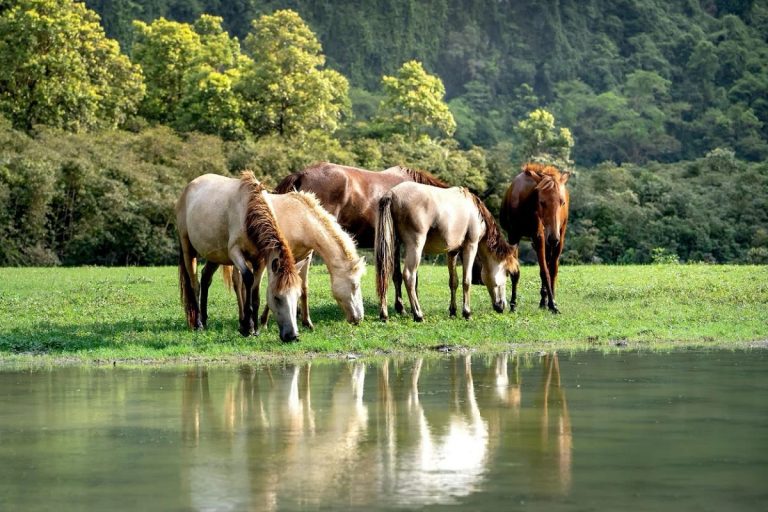
Horses are grazing animals by nature, relying on forage to meet much of their nutritional needs. Understanding their feeding habits is essential for responsible care, whether you are a new horse owner or an experienced equestrian. One common question many people have is do horses eat hay, and the answer highlights an important aspect of equine nutrition. Hay serves as a primary source of fiber, energy, and essential nutrients, especially when pasture grazing is limited.
Providing the right type and amount of hay supports healthy digestion, maintains proper weight, and ensures consistent energy levels throughout the day. Observing how your horse consumes and responds to hay allows you to monitor health, adjust portions, and create a feeding routine that aligns with its size, age, workload, and dietary needs, ensuring long-term well-being and vitality.
Types of Hay Horses Typically Eat
Horses consume different types of hay depending on their nutritional needs, age, workload, and health. Understanding the varieties available helps you provide the best diet for your horse’s well-being. The main categories of hay—grass hay, legume hay, and mixed hay—offer varying levels of fiber, protein, and calories. Choosing the right type ensures your horse maintains energy, healthy digestion, and optimal body condition, while also supporting growth, performance, or maintenance goals effectively.
Grass Hay
Grass hay, including varieties such as Timothy, Bermuda, and Orchard grass, is one of the most common types fed to horses. It typically has moderate fiber and calorie content, making it suitable for horses of all ages and activity levels, particularly those with lighter workloads or maintenance diets. Grass hay supports digestion due to its high fiber content, which encourages proper gut motility and prevents digestive problems such as colic or ulcers.
Horses may consume larger quantities of grass hay compared to nutrient-dense hays because it contains fewer calories per pound. The palatability of grass hay can vary depending on cutting, freshness, and storage, but most horses readily accept clean, dry hay. Feeding grass hay in multiple small portions or free-choice helps mimic natural grazing patterns, providing consistent energy throughout the day and promoting overall digestive health. Monitoring intake ensures that horses maintain proper body condition and receive sufficient nutrients for energy and well-being.
Legume Hay
Legume hay, such as alfalfa and clover, is nutrient-rich and higher in protein, calcium, and calories than most grass hays. This type of hay is particularly beneficial for young, growing horses, lactating mares, and horses with higher energy demands, such as those in training or performance work. Because of its density, horses often consume smaller amounts of legume hay to meet energy requirements.
Legume hay also supports muscle development, bone health, and recovery for active horses. While it is highly palatable and encourages consistent consumption, overfeeding can lead to excessive weight gain or digestive disturbances. Balancing legume hay with grass hay, or carefully monitoring portions, ensures that horses receive adequate nutrition without overconsuming calories. Choosing high-quality legume hay enhances energy levels, supports performance, and contributes to long-term health and vitality.
Mixed and Specialty Hays
Mixed hay combines grass and legume varieties, providing a balanced blend of fiber, protein, and calories. It offers a moderate energy profile suitable for horses that require a well-rounded diet without the extremes of high- or low-calorie forage. Horses eating mixed hay benefit from both sustained fiber intake and enhanced palatability, supporting digestion and consistent energy.
Specialty hays, such as low-sugar, high-fiber, or nutrient-specific formulations, cater to horses with metabolic issues, obesity risks, or specific dietary needs. These hays allow you to provide sufficient forage while managing calorie intake or avoiding sugar-related complications. Offering mixed or specialty hays ensures horses receive appropriate nutrients, maintain healthy body condition, and enjoy a varied and satisfying diet that supports their overall well-being.
How Horses Eat Hay
Horses have unique eating habits that reflect their natural grazing instincts. Understanding how horses eat hay helps you provide it in a way that supports digestion, prevents waste, and maintains overall health. They consume hay slowly, using their teeth and lips to pick up small amounts at a time, and their digestive system is designed for continuous fiber intake. Observing these behaviors ensures you feed efficiently, maintain proper body condition, and support natural eating patterns.
Grazing Behavior and Chewing
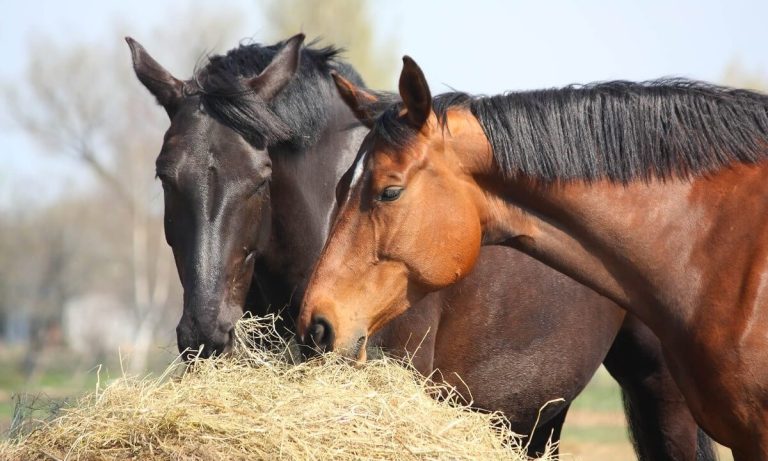
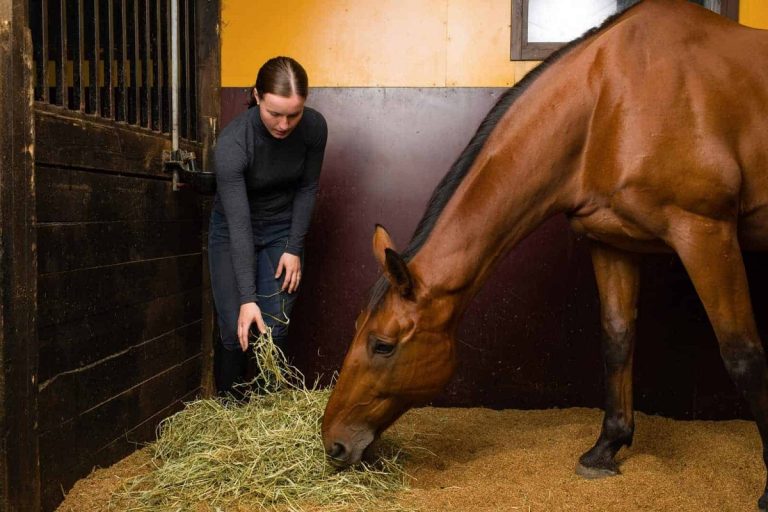
Horses are natural grazers, designed to eat small amounts throughout the day. When eating hay, they use their incisors to clip pieces from the bale or pile and their molars to grind the forage thoroughly. Proper chewing is essential because it breaks down fiber into smaller particles, aiding digestion and nutrient absorption. Horses produce significant saliva during this process, which helps buffer stomach acid and supports gastrointestinal health.
Feeding hay in multiple small portions or using slow feeders mimics natural grazing patterns. This reduces the risk of digestive disturbances such as colic or ulcers and encourages steady energy levels. Watching how your horse consumes hay also provides insight into appetite, health, and any potential dental issues that may interfere with efficient chewing. Consistent observation ensures that feeding practices support long-term well-being.
Body Position and Eating Posture
The posture horses adopt while eating hay affects digestion and comfort. Horses often lower their heads close to the ground, similar to grazing in pastures. This head position facilitates proper swallowing and esophageal function while reducing stress on the neck and back. Elevated hay feeders can be used for convenience or cleanliness, but the feeding height should not force unnatural postures that interfere with digestion.
Correct posture ensures that hay moves efficiently through the digestive tract and reduces the risk of choke or other feeding-related problems. Observing your horse while it eats allows you to adjust feeding arrangements, such as the height of the hay rack, the size of the bale, or the method of delivery, to maintain comfort and promote healthy eating habits.
Social Dynamics and Feeding Environment
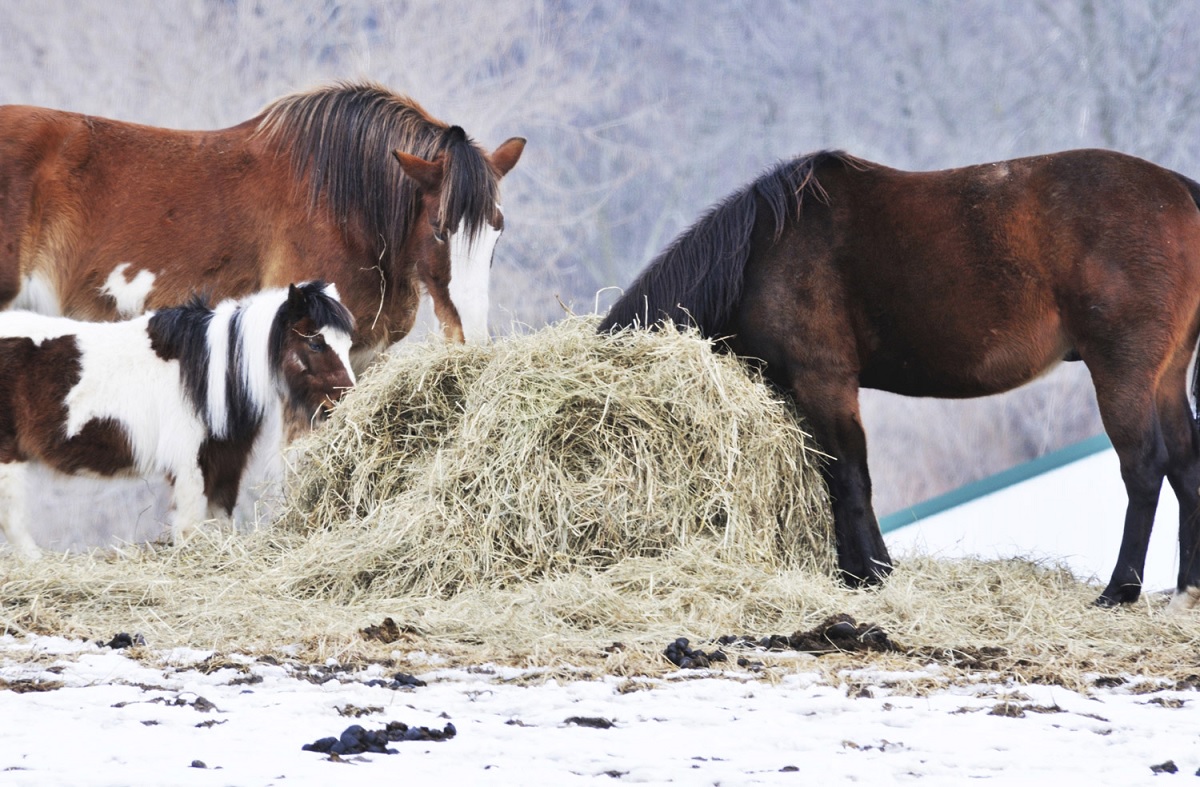
Horses are herd animals, and social dynamics influence how they eat hay. Dominant horses may try to consume more quickly or push others away from shared feed, while submissive horses may eat slower or take smaller portions. Providing adequate space, multiple feeding stations, or separated areas can reduce competition and stress, allowing each horse to eat comfortably and consume the right amount.
Feeding environment also affects hay consumption. Clean, dry, and free-choice hay encourages natural eating behaviors, while dusty, moldy, or poorly stored hay may discourage consumption or cause health issues. Ensuring a proper feeding environment supports both physical and psychological well-being, promoting consistent hay intake, stable digestion, and overall health.
How Much Hay Horses Generally Consume
The amount of hay a horse eats daily varies based on factors such as size, age, workload, and metabolism. Understanding general consumption guidelines helps you plan feeding routines, maintain proper body condition, and prevent digestive issues. On average, horses consume about 1.5% to 2.5% of their body weight in hay each day. Monitoring intake, adjusting portions, and observing your horse’s body condition ensures adequate nutrition, supports energy levels, and promotes long-term health.
Average Consumption by Weight
Horses typically consume between 1.5% and 2.5% of their body weight in hay daily. For a 1,000-pound horse, this translates to roughly 15 to 25 pounds of hay per day. Smaller horses and ponies require less, often around 6 to 16 pounds daily, while larger horses may eat 20 to 30 pounds or more depending on activity level. These general guidelines provide a starting point, but individual needs may vary based on metabolism, age, and overall health.
Adjusting portions according to observed body condition ensures your horse maintains a healthy weight. Horses that are underweight may need slightly higher intake, while those prone to obesity should have controlled portions. Monitoring eating habits and adjusting hay amounts as necessary helps maintain optimal energy levels and digestive function. This approach ensures your horse receives sufficient fiber and nutrients without overfeeding.
Factors Influencing Hay Intake
Several factors influence how much hay a horse consumes. Workload is a major determinant; horses in training or performance work burn more calories and require additional forage. Age also affects intake, as growing horses often need more hay relative to body weight, while senior horses may eat less due to slower metabolism or dental issues. Health conditions, such as metabolic disorders or gastrointestinal sensitivity, can also impact consumption.
Environmental factors, such as weather and pasture availability, may further affect how much hay is eaten. Cold weather increases energy requirements, prompting higher hay intake, while hot, humid conditions may slightly reduce appetite. Observing your horse’s eating patterns, body condition, and behavior allows you to tailor hay portions to meet daily nutritional needs effectively. Regular monitoring ensures that horses maintain energy, weight, and overall well-being.
Adjusting Hay for Special Needs
Horses with special dietary needs, such as performance horses, lactating mares, or those recovering from illness, may require more precise hay portions. High-energy horses may need extra forage to support stamina and recovery, while horses prone to obesity or metabolic disorders benefit from controlled, low-calorie hay.
Using slow feeders or dividing hay into multiple small meals helps manage intake and mimics natural grazing patterns. Monitoring body condition, energy, and digestive health allows you to adjust feeding strategies for individual horses. By understanding general consumption patterns and tailoring hay amounts to your horse’s specific needs, you ensure proper nutrition, maintain digestive health, and support long-term overall well-being.
Health Considerations When Feeding Hay
Feeding hay is essential for a horse’s diet, but it comes with important health considerations. The type, quality, and quantity of hay can impact digestion, weight management, and overall well-being. Poor feeding practices may lead to colic, ulcers, or obesity, while high-quality hay supports energy, nutrient intake, and gut health. Understanding the health implications of hay feeding ensures you provide a safe, balanced diet that promotes long-term vitality and prevents common equine health issues.
Digestive Health and Fiber Intake
Hay is a primary source of fiber, which is crucial for proper digestive function. Adequate fiber supports gut motility, encourages regular manure production, and helps maintain a healthy balance of intestinal bacteria. Insufficient or poor-quality hay can disrupt digestion, increasing the risk of colic, impaction, or diarrhea.
Horses are designed to eat small amounts continuously, so providing hay in multiple feedings or free-choice helps mimic natural grazing patterns. This steady fiber intake stabilizes stomach acid, reducing the likelihood of ulcers. Observing manure consistency, appetite, and overall digestive comfort allows you to assess whether hay intake is adequate. Proper fiber management is essential to maintain a healthy gastrointestinal system and prevent long-term complications.
Weight Management and Nutrient Balance
The quality and quantity of hay directly affect a horse’s weight and overall health. High-calorie or nutrient-dense hay, such as alfalfa, can lead to excessive weight gain if portions are not monitored. Conversely, low-quality or insufficient hay may result in underweight horses lacking necessary energy and nutrients.
Balancing hay type with portion size helps maintain optimal body condition. Monitoring your horse’s weight, muscle tone, and coat quality provides insight into whether hay is meeting nutritional needs. Combining hay with other dietary components, such as supplements or pasture grazing, ensures balanced nutrient intake. Proper management of hay feeding prevents obesity, malnutrition, and related health problems, supporting long-term vitality.
Dental and Respiratory Considerations
Dental health influences how efficiently a horse consumes and digests hay. Horses with worn or damaged teeth may struggle to chew hay thoroughly, leading to choking, poor digestion, or nutrient deficiencies. Regular dental care, including floating, ensures that horses can process hay properly and maintain adequate fiber intake.
Hay quality also impacts respiratory health. Dusty, moldy, or improperly stored hay can cause allergies, coughing, or respiratory irritation. Choosing clean, well-cured hay and providing adequate ventilation in feeding areas reduces these risks. Paying attention to dental and respiratory factors ensures your horse can safely consume hay, digest it efficiently, and maintain overall health.
Frequently Asked Question
Do Horses Naturally Eat Hay?
Horses are grazing animals, and hay mimics the forage they would consume in pastures. While they naturally graze on grass, hay provides a reliable source of fiber and nutrients, especially when fresh pasture is unavailable. Feeding hay ensures that horses receive continuous fiber intake, supporting digestive health and stable energy levels. You should provide clean, high-quality hay in amounts appropriate to your horse’s size, workload, and age to maintain body condition and overall well-being, allowing them to fulfill their natural grazing instincts even in confined or seasonal environments.
How Much Hay Does A Horse Need Daily?
Daily hay intake depends on a horse’s size, age, workload, and metabolism. On average, horses consume about 1.5% to 2.5% of their body weight in hay. For example, a 1,000-pound horse may eat 15 to 25 pounds daily. Dividing this amount into multiple feedings helps mimic natural grazing patterns and supports digestive health. Monitoring body condition, energy, and manure consistency ensures your horse receives sufficient fiber and nutrients without overeating, maintaining overall health and stable weight.
What Types Of Hay Do Horses Eat?
Horses commonly eat grass hay, legume hay, and mixed hay. Grass hay, such as Timothy or Bermuda, is moderate in fiber and calories, suitable for maintenance or light work. Legume hay, like alfalfa, is nutrient-dense, high in protein and energy, ideal for growing, lactating, or performance horses. Mixed hay offers a balance of fiber and protein. The type of hay affects how much a horse eats and its overall nutrition, so you should select hay based on your horse’s age, workload, and health to ensure proper energy intake and digestion.
Can Horses Eat Hay Exclusively?
Yes, horses can survive on hay alone, provided it meets their fiber and nutritional needs. High-quality hay contains essential nutrients, fiber, and energy for maintenance, growth, or light work. However, some horses may require supplements, grains, or additional forage depending on age, activity level, or health conditions. Monitoring body condition, weight, and overall health ensures that the hay-only diet is sufficient. You should adjust quantities and types of hay to provide balanced nutrition and maintain energy levels without causing digestive problems or nutrient deficiencies.
How Should Hay Be Fed To Horses?
Hay should be offered in multiple small feedings or as free-choice to mimic natural grazing. Feeding in one large portion can cause digestive upset, colic, or boredom. Using hay nets or feeders can slow intake and reduce waste while promoting natural eating behavior. You should provide clean, dust-free hay in a well-ventilated area to prevent respiratory issues. Observing eating patterns and adjusting portions according to body condition ensures your horse receives adequate fiber, maintains energy, and supports long-term digestive and overall health.
What Are Signs A Horse Is Eating Enough Hay?
Signs that your horse is consuming enough hay include maintaining a healthy weight, steady energy levels, and normal manure production. A well-fed horse displays a shiny coat, good muscle tone, and calm behavior while eating. Horses that finish their hay gradually or leave small amounts throughout the day are likely meeting their fiber needs. Observing these indicators allows you to adjust hay quantities and feeding routines to maintain optimal body condition, digestive health, and energy levels, ensuring your horse thrives on a consistent and balanced forage-based diet.
Final Thoughts
Hay plays a crucial role in a horse’s diet, providing essential fiber, nutrients, and energy needed for overall health and proper digestion. Observing a horse’s eating habits and behavior helps ensure it is consuming the right type and amount of hay for its size, age, and activity level. Different varieties of hay offer varying nutritional benefits, so selecting quality hay and monitoring its condition is important to prevent digestive issues or health problems.
Feeding practices, including portioning and frequency, also influence how well a horse thrives on hay. By combining careful observation with knowledge of dietary needs, owners can create a balanced feeding routine that supports their horse’s well-being. Understanding do horses eat hay confirms that hay is not just a supplement but a fundamental part of a horse’s daily nutrition and overall care strategy.