What Are The Four Groups Of Feed For Horses: Benefits, Uses, And Management
Horses require a well-balanced diet to maintain energy, support growth, and sustain overall health, and understanding the types of feed available plays a crucial role in achieving that balance. Knowing what are the four groups of feed for horses helps you provide the right nutrients for different life stages, workloads, and health conditions. These feed groups—roughages, concentrates, supplements, and water—each serve distinct purposes in a horse’s diet. Roughages, such as hay and pasture, provide fiber for healthy digestion.
Concentrates supply additional energy through grains and pelleted feeds. Supplements offer vitamins and minerals to fill nutritional gaps, while clean water ensures proper hydration and metabolic function. By understanding these four groups, you can create feeding routines that maintain body condition, enhance performance, and promote overall wellbeing. Proper management of each feed group ensures your horse receives a balanced and nutritious diet.
The Four Groups Of Feed For Horses
Horses require a combination of different feed types to meet their nutritional needs and maintain overall health. Understanding the four groups of feed for horses helps ensure that each horse receives the right balance of energy, protein, fiber, vitamins, and minerals. These groups—roughages, concentrates, supplements, and water—play distinct roles in supporting growth, performance, and digestive health. By properly managing these feeds, you can maintain body condition, support muscle development, and improve overall vitality, creating a balanced diet that meets the needs of horses at every stage of life.
Roughages
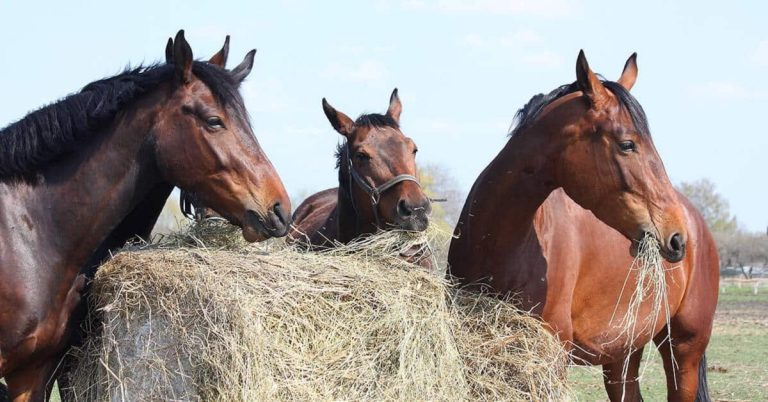
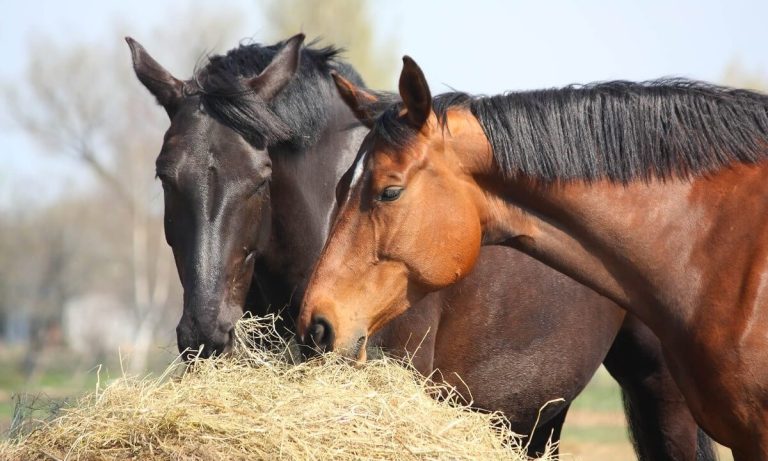
Roughages, including hay, pasture, and other fibrous forages, form the cornerstone of a horse’s diet. They provide essential fiber, which supports healthy gut function and promotes proper digestive transit. Fiber helps maintain stable blood sugar levels, reduces the risk of colic, and encourages natural chewing behavior that keeps teeth and jaws healthy. Horses can consume roughages almost continuously, which mimics natural grazing patterns and provides mental stimulation.
In addition to digestive benefits, roughages contribute protein, vitamins, and minerals, though in lower concentrations than concentrated feeds. They are particularly important for horses with lower energy demands, as they provide bulk without excessive calories. The quality of roughage is critical; well-cured, clean hay or nutrient-rich pasture ensures the horse receives adequate nutrition while minimizing exposure to dust, mold, or weeds. Balancing roughage with other feed groups allows horses to maintain weight, develop muscle properly, and sustain overall health.
Concentrates
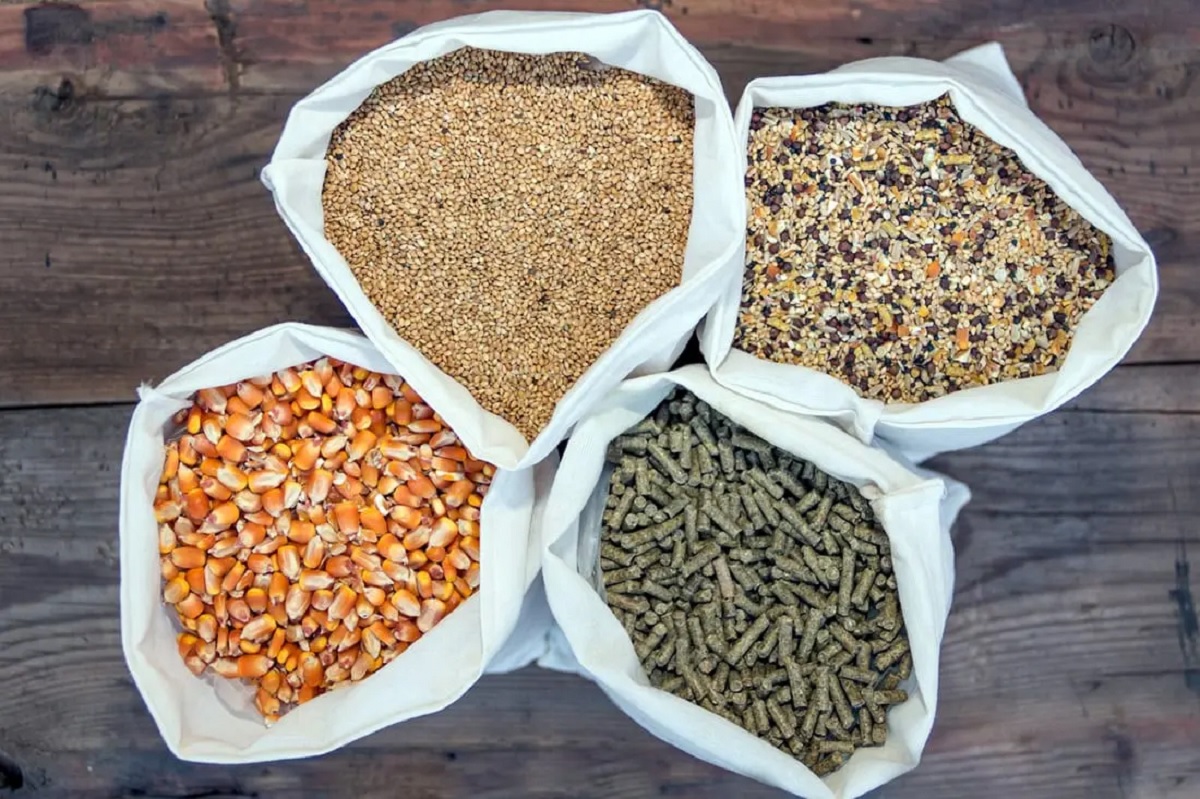
Concentrates, including grains and commercially prepared pelleted feeds, provide a concentrated source of energy and nutrients that roughages alone cannot supply. Horses with higher energy requirements, such as performance animals, lactating mares, or growing foals, often need concentrates to meet their caloric and protein needs. Concentrates are rich in carbohydrates and sometimes fat, which fuel physical activity, support growth, and promote recovery after exercise.
When feeding concentrates, it is important to adjust portion sizes according to the horse’s workload and body condition. Overfeeding can lead to obesity, digestive upset, or metabolic disorders. Mixing concentrates with roughage slows digestion and reduces the risk of colic or laminitis. Many commercial concentrates are also fortified with vitamins and minerals, helping fill nutritional gaps and ensuring that horses meet their daily requirements. By integrating concentrates thoughtfully, you can support stamina, weight maintenance, and optimal performance.
Supplements
Supplements are used to provide vitamins, minerals, or additional nutrients that may be lacking in a horse’s primary diet. They are especially useful for horses consuming predominantly hay or pasture, which may vary in nutrient content depending on quality and season. Common supplements include salt, calcium, phosphorus, and trace minerals such as zinc and copper, which are essential for bone strength, immune function, and metabolic health.
Protein and vitamin supplements are also used for horses with increased demands, such as growing foals or those in heavy training. When selecting supplements, it is important to consider the horse’s overall diet, health status, and specific needs to prevent over-supplementation, which can be harmful. Supplements allow you to fine-tune the diet, address deficiencies, and support optimal growth, performance, and general wellbeing, ensuring that each horse receives a nutritionally balanced diet.
Water
Water is the most critical component of a horse’s diet, as it supports digestion, nutrient absorption, and metabolic processes. Horses require access to clean, fresh water at all times, and daily intake can vary depending on activity level, diet, and environmental conditions. Roughages and concentrates contain some moisture, but they cannot replace free access to water.
Dehydration can lead to serious health problems, including colic, kidney issues, and impaired thermoregulation.
Cold, hot, or heavily worked horses may require additional monitoring to ensure adequate hydration. Providing water in multiple locations and keeping it clean and accessible encourages regular drinking. Proper hydration supports muscle function, digestion, and overall physiological health, making water an indispensable part of a balanced feeding program. Regular monitoring and management of water intake ensures horses remain healthy, active, and well-nourished.
Frequently Asked Questions
What Are The Four Groups Of Feed For Horses?
The four groups of feed for horses include concentrates, roughages, supplements, and by-products. You see concentrates providing energy and nutrients for performance horses, while roughages like hay and grass supply fiber essential for healthy digestion. Supplements give targeted vitamins, minerals, or amino acids for specific needs, and by-products serve as additional feed options that complement traditional diets. Understanding these groups helps you balance nutrition according to your horse’s age, workload, and health, ensuring she maintains optimal energy, body condition, and overall well-being. Each group plays a unique role in supporting her diet effectively.
Why Are Concentrates Important In A Horse’s Diet?
Concentrates are energy-dense feeds that provide your horse with carbohydrates, proteins, and fats necessary for growth, performance, and recovery. You rely on them when roughage alone cannot meet the energy demands, especially for active or working horses. She benefits from carefully measured portions, as overfeeding can lead to digestive issues or weight gain. Concentrates include grains, pellets, and mixes designed to boost energy intake efficiently. By monitoring intake and combining concentrates with roughage, you ensure your horse receives balanced nutrition while minimizing the risk of digestive upset or nutrient imbalances.
How Do Roughages Benefit Horses?
Roughages, including hay, grass, and forage, are vital for your horse’s digestive health because they provide fiber that keeps the gut functioning properly. You notice that they help prevent colic and support normal chewing, saliva production, and dental health. She also gains slow-release energy, making roughages essential for horses with low to moderate workloads. By combining roughages with concentrates or supplements, you ensure balanced nutrition. Regularly offering high-quality roughage supports her overall body condition, energy levels, and well-being, making this group of feed a foundation of any equine diet.
What Role Do Supplements Play In Equine Nutrition?
Supplements provide targeted nutrients that your horse may not get sufficiently from her regular feed. You can use them to address deficiencies in vitamins, minerals, or amino acids, supporting joint health, coat quality, and overall performance. She benefits from supplements when natural forage or concentrates lack specific nutrients, particularly in intensive training or specialized diets. Careful selection and correct dosages are important, as over-supplementation can cause harm. By incorporating supplements thoughtfully into her feeding plan, you enhance nutritional balance and help maintain long-term health and optimal performance.
When Should You Include By-Products In Your Horse’s Diet?
By-products, such as beet pulp, soybean hulls, or rice bran, can supplement your horse’s regular feed to provide additional energy or fiber. You use them when she requires extra calories without increasing grain intake, or when roughage quality is low. He benefits from by-products because they are digestible, palatable, and can help maintain weight or support performance. Careful integration with other feed groups ensures balanced nutrition, preventing digestive upset. By monitoring her response and adjusting amounts, you can safely use by-products to complement her diet and improve overall condition, energy, and health.
Final Thoughts
A balanced and well-planned diet is essential for maintaining a horse’s health, performance, and overall wellbeing. Understanding what are the four groups of feed for horses allows you to provide the proper combination of nutrients, energy, and hydration for horses at every stage of life. Roughages supply fiber for healthy digestion, concentrates provide energy and protein, supplements fill nutritional gaps, and water supports metabolism and hydration.
By thoughtfully managing these feed groups according to a horse’s age, workload, and condition, you can promote muscle development, maintain body weight, and support long-term vitality. Regular monitoring of body condition, digestion, and overall health ensures that each horse receives the right balance of nutrients from these four groups. Applying this knowledge creates a sustainable feeding strategy that fosters strong, healthy, and active horses throughout their lives.