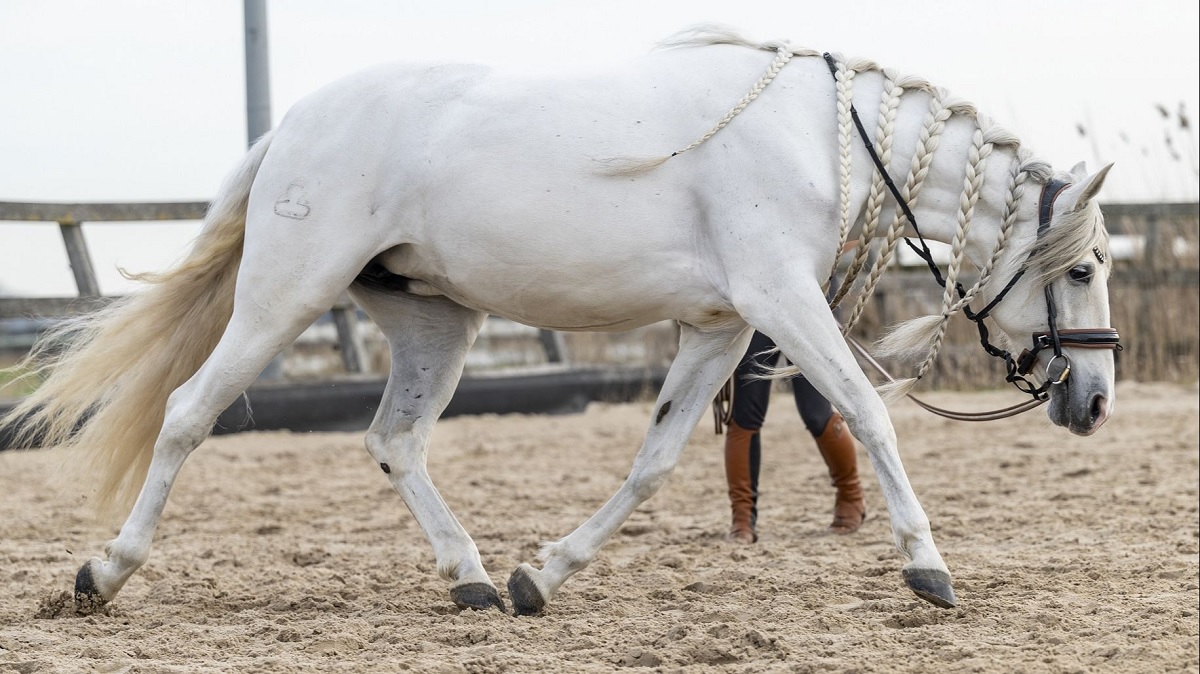
Do Horses Have Feet? The Clear Answer Backed by Anatomy
Horses are often admired for their strength, speed, and graceful movement, yet many people pause when describing the lower part of their legs. Everyday language sometimes creates confusion about whether those hard, sturdy structures are feet or something entirely different. This curiosity leads to a common question that deserves a clear and engaging explanation: do horses have feet. Understanding the answer requires looking closely at how a horse’s legs are built, how they support massive body weight, and how evolution shaped them for running across open land.
The structure at the end of a horse’s leg is not just a simple covering but a complex system that protects bones, absorbs shock, and allows powerful motion. Exploring this topic helps you better appreciate why proper hoof care is essential and how these animals stay sound and balanced. By learning how anatomy and terminology connect, you gain a deeper respect for the remarkable design that keeps horses moving comfortably and efficiently every day.
Horse Feet Vs Hooves Explained
Understanding the difference between horse feet and hooves helps clear up a very common misunderstanding in equine anatomy. These terms are often used as though they mean the same thing, but they describe different aspects of the horse’s lower limb. Clear definitions make it easier to understand movement, health issues, and daily care needs. By separating what belongs to the foot and what belongs to the hoof, you gain a more accurate picture of how horses stay balanced and sound throughout their lives.
What People Mean When They Say Horse Feet
When most people say horse feet, they are usually referring to the entire lower portion of the leg that touches the ground. This meaning is broad and informal, covering everything from the bones and joints to the outer hoof surface. In everyday conversation, this wording feels natural and easy to understand.
From an anatomical perspective, the horse’s foot is a complex structure that begins below the fetlock joint. It contains bones, tendons, ligaments, nerves, and blood vessels that work together to support weight and motion. These internal components absorb shock every time the horse walks, trots, or runs.
The horse’s foot is designed around a single toe, unlike the multi-toed feet of humans or dogs. This unique design allows efficient forward movement and speed. While the term horse feet is not incorrect, it lacks precision, which is why professionals often use more specific language.
What Exactly Is a Hoof
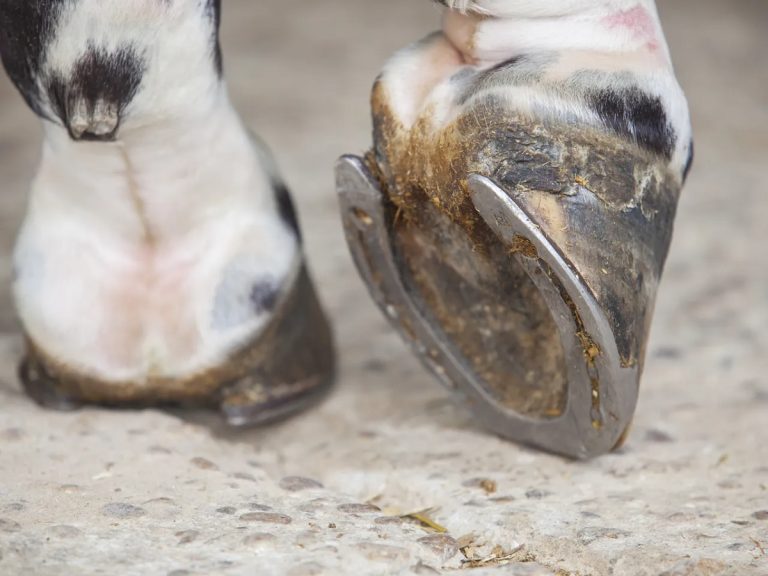
The hoof is the hard, protective outer layer that surrounds and shields the internal foot structures. It is made of keratin, the same protein found in human hair and nails, and it grows continuously throughout the horse’s life. Because of this growth, regular trimming is necessary to maintain balance.
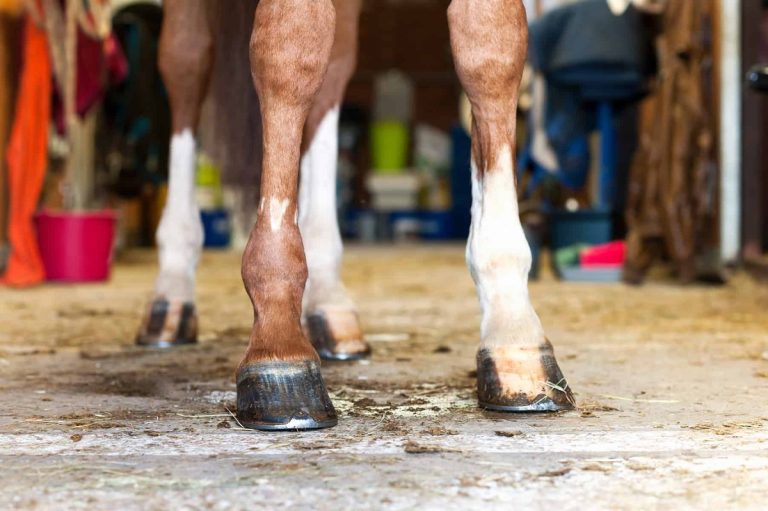
Several parts make up the hoof, including the hoof wall, sole, frog, and heel. Each part has a specific role. The hoof wall bears most of the horse’s weight, while the frog helps with traction and blood circulation within the foot.
Although the hoof looks solid and simple from the outside, it is only one part of a much larger system. Calling the hoof the foot is similar to calling a shoe a foot. The hoof protects what lies beneath, but it cannot function properly without the internal structures supporting it.
Key Structural Differences Between Feet and Hooves
The most important difference between horse feet and hooves is their scope. The foot includes both internal and external components, while the hoof refers only to the outer shell. Inside the foot are sensitive tissues that cannot be seen without imaging or examination.
Structures such as the digital cushion, laminae, and navicular area help absorb impact and stabilize movement. These parts are essential for comfort and soundness, especially during athletic activity. Damage inside the foot can cause serious pain even when the hoof appears normal.
The hoof’s job is mainly protection and support against the ground. Cracks, chips, or uneven wear affect the hoof directly, but deeper foot issues may show only as lameness. Understanding this difference helps explain why some problems are not visible on the surface.
Why the Difference Matters in Horse Care
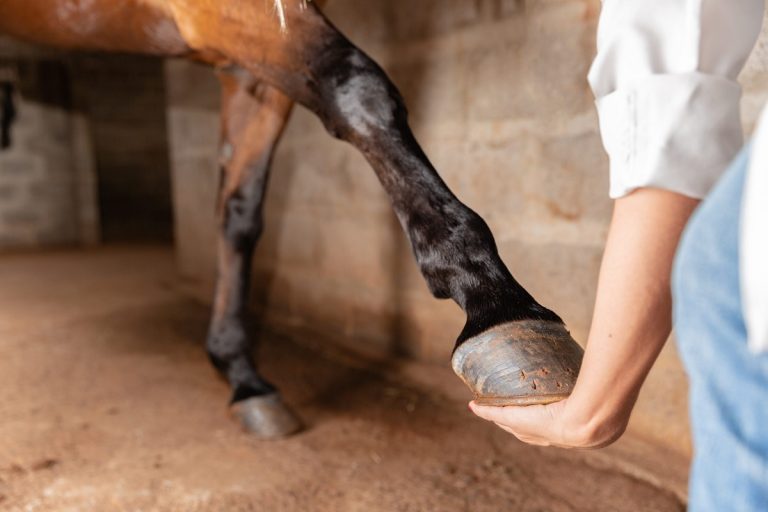
Knowing the difference between horse feet and hooves plays a major role in proper care. Regular hoof trimming focuses on balance and shape, but it does not automatically ensure that the entire foot is healthy. Internal structures also need attention and monitoring.
Signs like uneven movement, stiffness, or reluctance to work may point to problems inside the foot rather than the hoof itself. Recognizing this encourages earlier veterinary involvement instead of relying only on trimming or shoeing adjustments.
Using correct terminology also improves communication with farriers and veterinarians. When owners understand that the hoof is part of a larger foot system, they can describe issues more accurately. This awareness supports better decisions, improved comfort, and long-term soundness for the horse.
How Horse Feet Function In Movement
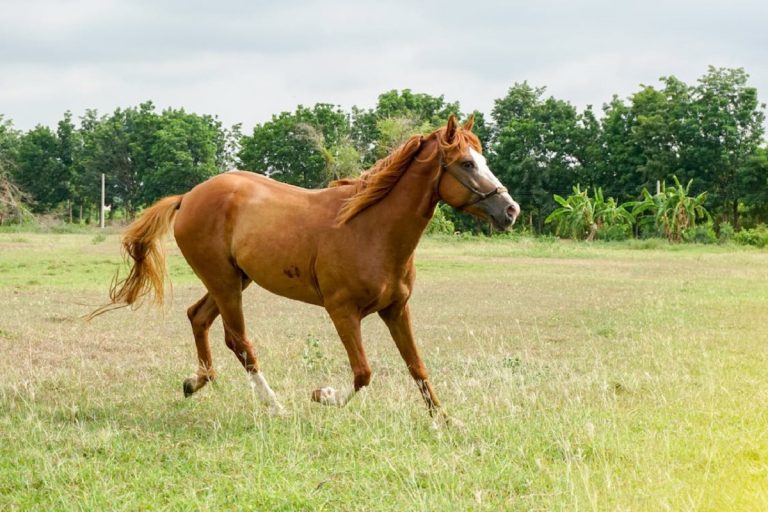
Horse feet play a critical role in every step, turn, and stride a horse takes. They are designed to support heavy weight while allowing speed, balance, and flexibility across different terrains. From slow walking to powerful galloping, the foot absorbs impact and transfers energy efficiently through the leg. Understanding how horse feet function in movement helps explain why proper balance, trimming, and surface conditions are essential for sound, comfortable motion.
Weight Bearing And Balance During Motion
When a horse moves, its feet are responsible for carrying and distributing the animal’s entire body weight. Each foot must absorb force as it strikes the ground and then release that energy as the horse pushes forward. This constant cycle of loading and unloading happens with every step, placing tremendous demands on the foot.
The internal structures of the foot work together to spread pressure evenly. Bones align to support weight, while soft tissues compress to reduce shock. This balance prevents excessive strain on any single area and helps maintain stability during motion.
Proper balance within the foot is essential for smooth movement. Uneven weight distribution can lead to stress injuries or altered gait patterns. Understanding this process highlights why even small imbalances in trimming or shoeing can affect overall performance.
Shock Absorption And Energy Transfer
One of the most important functions of horse feet in movement is shock absorption. As the hoof meets the ground, structures like the digital cushion and frog compress to soften impact. This reduces stress on bones, joints, and tendons higher up the leg.
At the same time, the foot plays a role in energy transfer. After absorbing impact, it helps convert stored energy into forward motion. This efficient transfer allows horses to move powerfully without wasting effort, especially at faster gaits.
Surfaces also influence how shock absorption works. Softer footing allows more natural compression, while hard ground increases stress. Understanding this interaction explains why footing choice matters in training and daily turnout, supporting healthier movement over time.
Flexibility And Traction On Different Surfaces
Horse feet must adapt to a wide range of surfaces, from soft soil to firm ground. Flexibility within the hoof allows it to expand slightly when weight is applied. This expansion improves grip and helps maintain balance, especially during turns or sudden stops.
Traction is provided by the shape of the hoof and the texture of the ground. The frog and hoof wall work together to prevent slipping while still allowing smooth movement. In some situations, shoes or traction devices are used to enhance grip.
This adaptability is key to safe movement. Without proper flexibility and traction, a horse may struggle to move confidently. Understanding how the foot responds to different surfaces highlights the importance of appropriate trimming and surface management.
Coordination With Legs And Joints
Horse feet do not function in isolation. They work closely with the joints, muscles, and tendons of the leg to create coordinated movement. Each step involves precise timing between foot placement and leg motion.
As the foot leaves the ground, tendons and muscles store and release energy, contributing to efficient stride length and rhythm. Proper foot function supports joint alignment, reducing strain on knees, hocks, and shoulders.
When foot function is compromised, the entire movement pattern can change. Subtle issues in the foot may lead to stiffness or uneven motion elsewhere in the body. Understanding this coordination emphasizes the foot’s foundational role in overall movement and soundness.
FAQs
Do Horses Have Feet Or Hooves?
You may hear people say horses have feet, but anatomically, they have hooves. When you look closely, a horse stands on a single hardened structure made of keratin, not toes like humans. This hoof protects internal bones, tendons, and soft tissue while supporting the animal’s full body weight. In everyday language, people casually say feet, which creates confusion. From a biological and veterinary standpoint, hooves are specialized structures that perform the role of feet but are not classified as feet in the human sense.
Why Do People Say Horses Have Feet?
You often hear the phrase horse feet because it feels natural in conversation. Humans relate animal body parts to their own, so feet becomes a convenient word. When someone talks about shoeing or cleaning a horse, feet sounds familiar and easy to understand. However, professionals like veterinarians and farriers use the word hooves because it is more accurate. The habit of using feet comes from tradition and simplicity, not from scientific correctness or anatomical precision.
Are Horse Hooves Considered Feet Scientifically?
From a scientific perspective, hooves are a modified form of a mammalian toe rather than a full foot. When you study anatomy, you learn that a horse walks on the tip of a single digit encased in a tough outer shell. This makes hooves very different from human feet, which have multiple bones and toes touching the ground. Scientists avoid calling hooves feet because the structure, function, and movement mechanics are distinct, knowing this helps you understand horse biology better.
How Do Horse Hooves Support Their Body?
When you watch a horse move, each hoof absorbs shock and distributes weight efficiently. Inside the hoof, bones, tendons, and connective tissues work together to support running, jumping, and standing for long periods. You might not realize that a horse’s entire body weight rests on a relatively small surface area. This design allows speed and endurance but also means hooves need proper care. Without healthy hooves, a horse cannot move comfortably or perform daily activities.
Do All Horses Have The Same Type Of Feet?
Although all horses have hooves, you will notice differences in size, shape, and strength. These variations depend on breed, environment, workload, and genetics. A working horse often has tougher, thicker hooves, while a lightly used horse may have softer ones. Terrain also matters, horses raised on rocky ground develop stronger hooves than those on soft pasture. Understanding these differences helps you see why hoof care is not one size fits all for every horse.
Is It Correct To Say Do Horses Have Feet?
If you ask do horses have feet, people will understand what you mean, but the accurate answer is no, they have hooves. In casual conversation, using feet is acceptable and common. In educational, veterinary, or professional contexts, hooves is the correct term. Knowing when to use each word helps you communicate clearly. When accuracy matters, especially in learning or animal care, choosing hooves shows better understanding of horse anatomy.
Conclusion
Understanding equine anatomy becomes much clearer when you look closely at how horses are built from the ground up. The structures at the end of a horse’s legs are more than simple coverings, combining bones, soft tissues, and a strong outer layer that work together for balance and movement. This explanation helps clear up common confusion and shows why accurate terms matter in everyday care and professional settings. When people ask do horses have feet, the answer connects anatomy with function, not just language.
Recognizing the difference between the whole foot and the hoof improves communication with farriers and veterinarians and supports better health decisions. A deeper awareness of this topic also highlights why regular maintenance, proper footing, and early attention to changes are essential. Knowing how these structures work together allows you to better appreciate the strength, design, and resilience that keep horses moving comfortably.