Do Horses Have Phalanges? Understanding Their Hoof And Leg Structure
Horses’ anatomy fascinates anyone who studies their movement and structure. Their legs, in particular, show a remarkable combination of strength and precision. Understanding the bones that make up a horse’s limbs helps you appreciate how they run, jump, and balance so efficiently. One question that often comes up is do horses have phalanges, and the answer reveals interesting details about equine skeletal design.
Phalanges are the bones found in the fingers and toes of many mammals. In horses, these bones are adapted to support a single weight-bearing hoof. Though the structure is simplified compared to humans, the underlying bone arrangement is similar. Each hoof contains a set of phalanges that play a critical role in movement and shock absorption.
When you study a horse’s leg, you notice the alignment of these bones contributes to speed and stability. The phalanges allow subtle flexion and extension that help the horse distribute weight evenly.
Recognizing the presence and function of phalanges enhances your understanding of equine health, hoof care, and biomechanics. It also explains why proper hoof maintenance and leg protection are essential for overall performance and comfort.
Anatomy Of A Horse’s Leg
A horse’s leg is a complex structure designed for speed, endurance, and strength. Each component—from the shoulder or hip down to the hoof—works in harmony to support movement and balance. Understanding the anatomy of a horse’s leg helps you care for them properly, identify issues early, and improve performance through training and conditioning. The leg’s skeletal, muscular, and connective structures all play unique roles in daily function.
Bones And Joints Of The Horse’s Leg
The skeletal system forms the foundation of a horse’s leg. You will notice that the leg consists of long, strong bones such as the cannon, radius, tibia, and metacarpals or metatarsals. These bones are supported by multiple joints, including the fetlock, knee or hock, and pastern, which allow flexion, extension, and shock absorption.
The phalanges—commonly known as the coffin, middle, and long pastern bones—are crucial in the lower leg. They bear the horse’s weight and connect directly to the hoof. Each joint between these bones absorbs impact during movement, helping prevent injury while maintaining agility.
Ligaments and tendons link the bones together. Strong tendons like the superficial and deep digital flexor tendons help control movement, while ligaments stabilize joints. Any imbalance, injury, or weakness in these structures affects gait and performance.
Proper knowledge of bone alignment and joint function guides farrier work, shoeing, and veterinary care. Recognizing subtle changes in stance or movement can reveal issues before they escalate, making early intervention more effective.
Muscles And Tendons Supporting Movement
Muscles and tendons give the horse’s leg power and flexibility. Major muscle groups, including the flexors and extensors, enable the horse to lift, extend, and flex its limbs. These muscles work with tendons to transmit force efficiently while maintaining stability.
Tendons act like elastic bands, storing and releasing energy with each stride. The suspensory ligament in the lower leg supports the fetlock, preventing overextension during fast movement. Similarly, the deep digital flexor tendon controls the coffin bone and aids hoof movement, helping the horse balance and absorb shock.
Muscle tone and strength directly affect performance. Horses trained on uneven terrain, with varied exercises, develop better muscular support, reducing the risk of strain. You can often see the definition of major muscles along the forearm and gaskin, indicating healthy development.
Stretching, proper conditioning, and rest are essential. Overworked or fatigued muscles lead to tendon and ligament strain. Maintaining balanced training routines preserves leg health and optimizes natural movement efficiency.
Hoof And Lower Leg Structure
The hoof is the most critical part of the horse’s leg in terms of weight-bearing and shock absorption. Inside the hoof, the coffin bone, navicular bone, and lower phalanges form the core structure. These bones are cushioned by the digital cushion, laminae, and soft tissues, which absorb impact during movement.
The hoof wall protects the internal structures while providing traction. The sole, frog, and bars play a role in distributing pressure evenly. Healthy hoof growth and balance are essential to prevent lameness or chronic strain. You will notice that uneven wear or cracks often correlate with altered gait or discomfort.
Lower leg health relies heavily on correct hoof care. Farriers maintain hoof shape, trimming length and balance, while veterinarians address internal issues such as abscesses or laminitis. Observing hoof condition regularly gives early warning signs of pain or biomechanical problems.
Ligaments, Cartilage, And Shock Absorption
Ligaments, cartilage, and other connective tissues complete the leg’s anatomy by supporting joints and absorbing impact. Cartilage cushions the joints, while ligaments connect bones and maintain stability during motion. Without these structures, even a strong skeleton would be prone to injury.
You will notice the fetlock joint is particularly supported by ligaments that prevent overextension during galloping or jumping. Shock absorption occurs not only in the joints but also through tendons and digital cushions in the hoof, which spread forces throughout the leg.
Regular exercise on appropriate surfaces strengthens ligaments and maintains joint flexibility. Poor footing, repetitive stress, or sudden impacts increase the risk of ligament strains or cartilage wear. Early detection through observation of swelling, heat, or lameness allows timely treatment.
Healthy connective tissues ensure a horse moves efficiently and safely. By understanding the anatomy of bones, muscles, tendons, and ligaments, you can optimize care, training, and performance while minimizing the risk of injury.
Function And Importance Of Phalanges
The phalanges in horses are essential components of the lower limbs, playing a central role in movement, balance, and weight-bearing. These bones allow the horse to move efficiently, absorb shock, and maintain stability during activities ranging from walking to high-speed galloping. Understanding their function helps you appreciate how critical phalanges are for overall equine health and performance. Proper care of these bones ensures the horse’s legs remain strong and resilient.
Weight-Bearing And Support
Phalanges are the primary bones responsible for supporting the horse’s body weight. The distal phalanx, or coffin bone, sits within the hoof and provides a solid foundation that distributes forces evenly across the lower limb. The middle and proximal phalanges connect to the fetlock and pastern joints, forming a framework that absorbs pressure with each step.
You will notice that proper alignment of the phalanges ensures efficient weight transfer. When the horse moves, the bones work in coordination with ligaments, tendons, and the digital cushion to prevent excessive strain on higher limb structures. Even minor misalignment can lead to uneven pressure distribution, causing joint stress, lameness, or discomfort.
Supporting body weight effectively allows horses to carry riders, pull loads, or engage in athletic activities without compromising limb integrity. Healthy phalanges reduce fatigue and minimize injury risk, which is crucial for both performance and daily movement.
Shock Absorption And Impact Management
Phalanges play a critical role in absorbing the impact forces generated during movement. Each step generates considerable stress, which is mitigated by the coordinated action of the pastern, coffin, and fetlock joints. The joints, along with surrounding tendons and ligaments, function as a natural shock-absorbing system.
You will notice that during running or jumping, the pastern and coffin bones flex slightly to distribute impact forces evenly. The digital cushion beneath the distal phalanx compresses and rebounds, reducing concussion to the bones and soft tissues above. This mechanism prevents long-term damage to the cannon, radius, and shoulder or hip structures.
Proper shock absorption allows horses to perform repetitive or high-impact activities safely. Inadequate support or injury to the phalanges compromises the entire limb, resulting in altered gait, uneven weight distribution, and increased risk of musculoskeletal disorders.
Facilitation Of Efficient Locomotion
The phalanges enable precise and coordinated movement in the horse’s lower limbs. Their alignment and flexibility allow extension and flexion, which contribute to smooth stride cycles. This coordination is essential for walking, trotting, cantering, and galloping.
You will see that each joint between the phalanges—the coffin, short pastern, and long pastern joints—acts like a hinge, permitting controlled movement while maintaining stability. Tendons and ligaments surrounding the phalanges transmit muscular force efficiently, allowing energy to flow from the upper limb to the hoof. This system supports speed, agility, and endurance.
Efficient locomotion reduces unnecessary stress on muscles and joints, improving stamina and overall performance. Horses with healthy phalanges move more freely, respond better to training, and are less likely to develop compensatory injuries due to improper gait mechanics.
Protection Of Internal Hoof Structures
Phalanges also serve a protective function within the hoof. The distal phalanx provides a rigid base for soft tissues, including the laminae, digital cushion, and blood vessels. This support shields delicate structures from excessive compression and trauma during weight-bearing and movement.
You will notice that the coffin bone’s shape and placement maintain hoof integrity while aiding circulation within the hoof capsule. Proper alignment ensures the horse can absorb impact without damage to internal tissues, which is critical for long-term hoof health.
Maintaining strong and healthy phalanges prevents structural problems like laminitis or navicular disease. Supporting these bones through hoof care, nutrition, and regular veterinary check-ups ensures the internal structures remain protected and functional.
Role In Athletic Performance And Longevity
The combined functions of phalanges—weight-bearing, shock absorption, locomotion, and protection—make them essential for athletic performance and long-term limb health. Horses rely on these bones for stability, strength, and agility across a wide range of activities.
You will find that performance horses, such as jumpers, racehorses, or eventers, place significant demands on the phalanges. Proper care ensures these bones continue to support rigorous activity without fatigue or injury. Healthy phalanges contribute to endurance, balance, and efficient energy transfer.
Understanding their importance highlights why attention to hoof care, joint support, and limb conditioning is critical. Strong phalanges improve a horse’s movement quality, reduce injury risk, and enhance overall quality of life throughout its athletic and daily routines.
Common Phalange-Related Issues
The phalanges in a horse’s leg, while small, are critical for movement, balance, and shock absorption. Because they bear weight and support the hoof, these bones are susceptible to injury and disease. Understanding common phalange-related issues helps you identify early signs of discomfort, manage treatment, and maintain long-term leg health. Awareness of these problems improves performance and reduces the risk of chronic lameness.
Fractures And Trauma
Phalangeal fractures occur when excessive force or trauma affects the lower limb. You might see this after a fall, collision, or accident during high-impact activities like jumping or racing. Fractures can involve any of the three phalanges, with the distal phalanx (coffin bone) being the most commonly affected due to its direct connection to the hoof.
Signs of a fracture include sudden lameness, swelling, heat in the hoof, and reluctance to bear weight. Subtle fractures may cause intermittent lameness or changes in gait that are easily overlooked without careful observation. Diagnostic tools such as X-rays are necessary to confirm the location and severity of the injury.
Treatment often involves immobilization with specialized shoeing, stall rest, and in severe cases, surgical intervention. Prompt veterinary attention ensures proper healing, reduces the risk of permanent damage, and helps the horse regain full mobility.
Laminitis And Coffin Bone Problems
Laminitis is a serious condition that directly affects the distal phalanx. In this condition, inflammation damages the laminae connecting the coffin bone to the hoof wall, causing pain and potential rotation of the bone. You will notice signs like heat in the hoof, reluctance to move, and characteristic stance changes where the horse shifts weight to its hind legs.
Laminitis can result from metabolic issues, excessive grain intake, or prolonged stress on the hooves. The distal phalanx bears the brunt of damage, making timely diagnosis essential. X-rays help evaluate bone alignment and rotation.
Treatment focuses on relieving pressure, stabilizing the hoof, and addressing underlying causes. Corrective shoeing, anti-inflammatory medications, and dietary management are common interventions. Understanding the connection between phalanges and laminitis emphasizes the importance of routine hoof care and monitoring for early warning signs.
Joint Inflammation And Degenerative Issues
Phalangeal joints, including the pastern and coffin joints, can develop inflammation due to overuse, age, or injury. Osteoarthritis in these joints reduces flexibility, causes pain, and affects gait. You may notice stiffness, heat, swelling, or uneven hoof wear when these joints are compromised.
Chronic stress from repetitive training, poor conformation, or inadequate hoof balance increases the likelihood of degenerative joint disease. The phalanges, being integral to joint function, are directly impacted by cartilage wear and ligament strain. Early signs often appear as subtle changes in stride length or reluctance to move.
Management includes anti-inflammatory treatments, joint supplements, controlled exercise, and corrective shoeing to relieve stress. Veterinary intervention and regular monitoring help preserve joint health and prevent progression to severe lameness.
Navicular Syndrome And Tendon Strain
Navicular syndrome is closely linked to phalangeal function, particularly the distal phalanx and surrounding structures. Degeneration of the navicular bone or its supporting tissues causes pain in the hoof, often resulting in short, choppy strides and repeated shifting of weight.
Tendon strain around the phalanges, including the deep digital flexor tendon, can also affect lower limb movement. Overstretching or sudden impact causes inflammation, which translates to uneven gait or lameness. You may notice heat, swelling, or tenderness around the pastern and coffin area.
Treatment combines rest, corrective shoeing, anti-inflammatory medications, and sometimes advanced therapies like shockwave treatment. Preventative care, including proper conditioning, hoof balance, and controlled exercise, reduces risk and maintains optimal phalangeal function.
Early Detection And Prevention
Recognizing common phalange-related issues early is crucial for maintaining limb health. Regular observation of gait, stance, and hoof condition helps identify subtle problems before they escalate. Changes in weight distribution, heat, swelling, or altered movement are often the first indicators of phalangeal stress.
Routine veterinary check-ups, consistent farrier visits, and proper hoof care prevent many phalange-related complications. Attention to environmental factors, workload, and nutrition also supports healthy bones, joints, and connective tissues. Early intervention improves recovery, ensures comfort, and preserves long-term performance.
FAQs
Do Horses Have Phalanges?
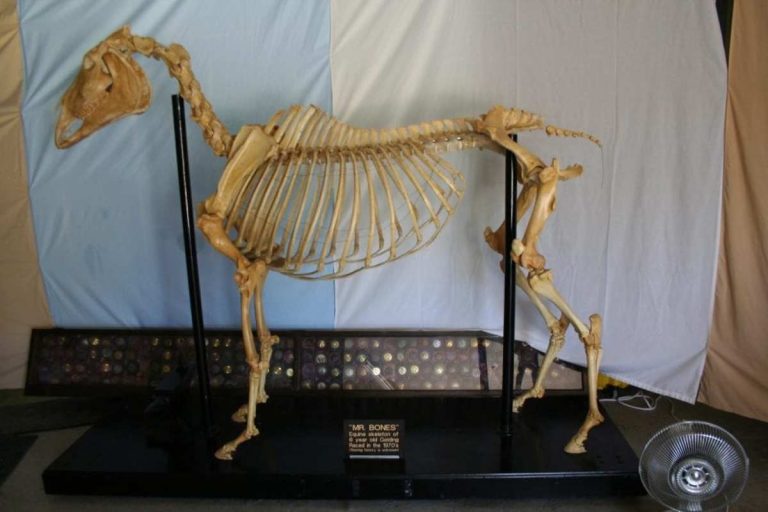
Yes, horses do have phalanges. These are the bones located in the lower limbs, forming the structure within the hoof. In each leg, a horse has three main phalanges: the proximal phalanx (long pastern), the middle phalanx (short pastern), and the distal phalanx (coffin bone).
You will notice that these bones are critical for weight-bearing, shock absorption, and smooth movement. Even though horses have a single hoof per limb, the phalanges maintain the basic structure similar to fingers or toes in other mammals. They play a key role in locomotion and overall limb health.
How Many Phalanges Does A Horse Have In Each Leg?
Each horse leg contains three phalanges: the proximal, middle, and distal phalanges. These bones work together to support the hoof and facilitate movement. The proximal phalanx connects to the cannon bone, while the distal phalanx forms the foundation of the hoof.
Understanding the arrangement of these bones helps you appreciate how weight is distributed and absorbed during walking, trotting, or galloping. Proper alignment ensures smooth motion and reduces the risk of strain or injury, highlighting the importance of regular hoof and leg care.
What Is The Function Of The Phalanges In Horses?
Phalanges serve multiple functions in a horse’s lower limb. They support body weight, allow flexion and extension at the joints, and help absorb shock during movement. The distal phalanx, encased in the hoof, stabilizes the hoof and distributes forces evenly.
You will notice that the phalanges also work in conjunction with tendons, ligaments, and cartilage to facilitate smooth locomotion. Any misalignment or injury can compromise movement, making proper care, hoof balance, and monitoring of gait essential for maintaining healthy phalanges.
Can Phalanges Be Injured Or Diseased In Horses?
Yes, phalanges can be injured or affected by diseases. Common issues include fractures, coffin bone problems, arthritis, and laminitis. Trauma, repetitive stress, or poor hoof care often leads to discomfort and altered gait.
You might notice signs like limping, heat, swelling, or reluctance to move when phalanges are affected. Early detection through observation and veterinary care is crucial. Treatment may include rest, corrective shoeing, medication, or surgery depending on the severity of the condition.
How Are Phalanges Protected In Horses?
Phalanges are protected by the hoof, tendons, ligaments, and cartilage surrounding them. The hoof wall, sole, frog, and digital cushion work together to absorb shock and reduce impact on these bones during movement.
You will see that proper hoof care, balanced trimming, and routine farrier visits are critical to maintaining protection. Healthy phalanges rely on both external support from the hoof and internal support from connective tissues to function effectively without injury.
Why Are Phalanges Important For Horse Performance?
Phalanges are vital for performance because they support weight, maintain stability, and allow efficient movement. Strong, healthy phalanges enable a horse to run, jump, and perform athletic activities without strain.
You will notice that proper alignment and flexibility reduce stress on joints, tendons, and ligaments. When phalanges are well-maintained through hoof care, nutrition, and conditioning, the horse can move efficiently, respond to training, and sustain long-term performance with minimal risk of injury.
Final Thoughts
The structure of a horse’s leg is a remarkable combination of strength, flexibility, and precision. Each component plays a critical role in supporting the horse’s weight, enabling smooth movement, and absorbing impact during activities like running, jumping, or turning. Paying attention to the bones in the lower limb helps owners and riders understand how to maintain proper care and prevent injuries.
Many people are curious about do horses have phalanges, and the answer highlights an essential part of their anatomy. Horses do possess phalanges, specifically in the form of proximal, middle, and distal bones within their pastern and hoof. These bones are crucial for movement, balance, and shock absorption, making them key to a horse’s overall soundness and athletic ability.
Understanding do horses have phalanges allows you to better recognize signs of discomfort or lameness. Proper hoof care, regular veterinary checks, and careful observation of gait ensure the phalanges remain healthy, supporting the horse’s performance, longevity, and well-being.