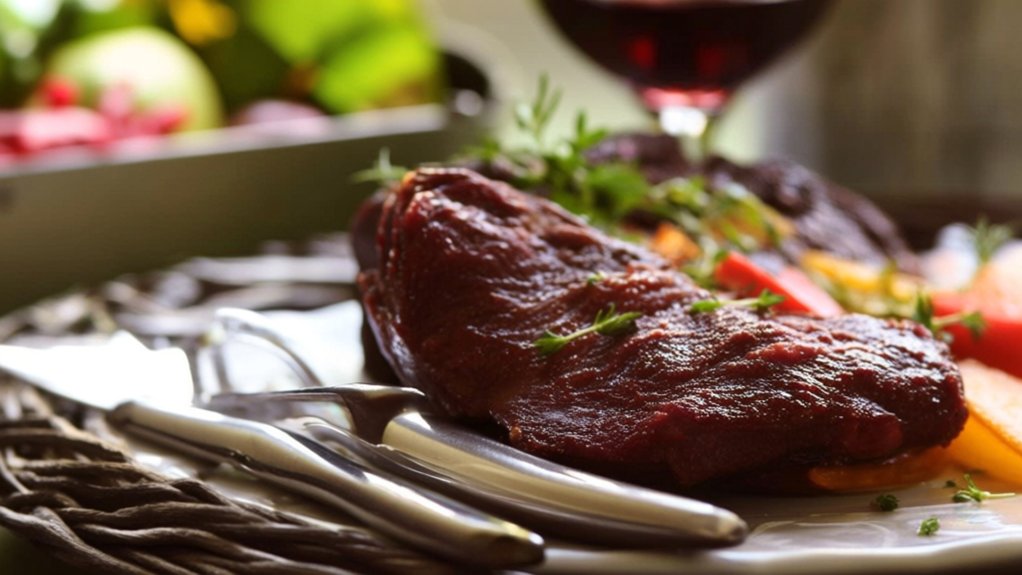
Is Horse Meat Good For You – The Real Answer
If you choose properly sourced horse meat, you get a lean, nutrient-rich protein packed with essential amino acids, vitamins like B12, and heart-healthy fats. It’s generally lower in cholesterol and saturated fat than many other red meats, supporting muscle health and weight management.
However, safety depends on strict handling to avoid contaminants or drug residues. How your horse meat is sourced, prepared, and its quality can affect health benefits and risks. There’s a lot more to explore.
What Nutrients Does Horse Meat Provide Compared to Other Meats?
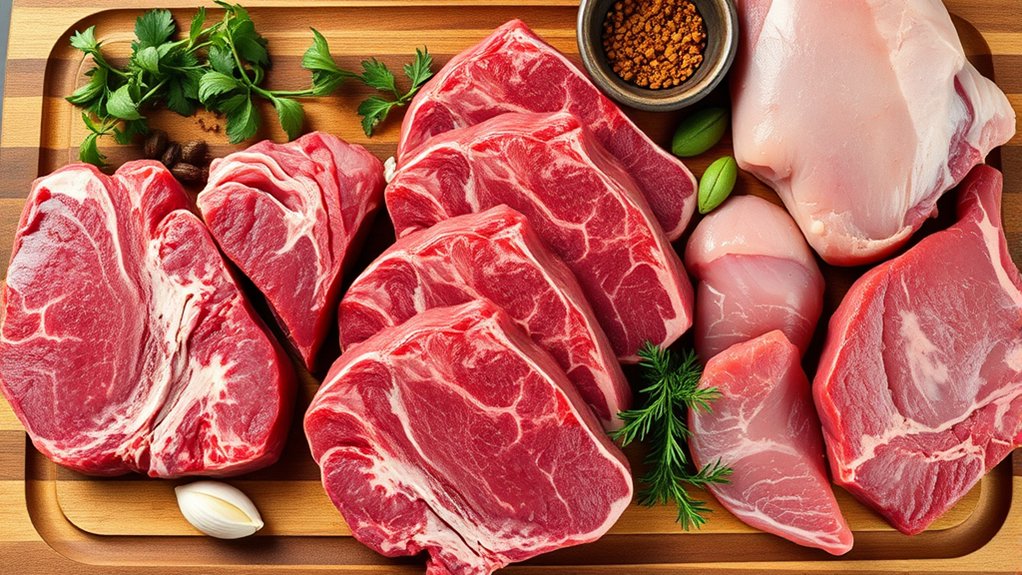
While horse meat mightn’t be as common on your plate as beef or lamb, it offers a nutrient profile that’s worth considering. You’ll find it’s a rich source of high-quality protein, supporting muscle growth and repair just like other red meats. Horse meat contains all essential amino acids and tends to be lower in fat, especially saturated fat, compared to some alternatives.
It also provides key vitamins such as B12, B6, niacin, and riboflavin, which help with energy metabolism and nervous system health.
In addition, horse meat supplies important minerals like iron, zinc, and selenium that boost immune function and oxygen transport.
Its fatty acid profile includes beneficial polyunsaturated fats and omega-3s, known for promoting heart health, making it a nutrient-dense option to consider.
How Does Horse Meat Fat and Cholesterol Affect Health?
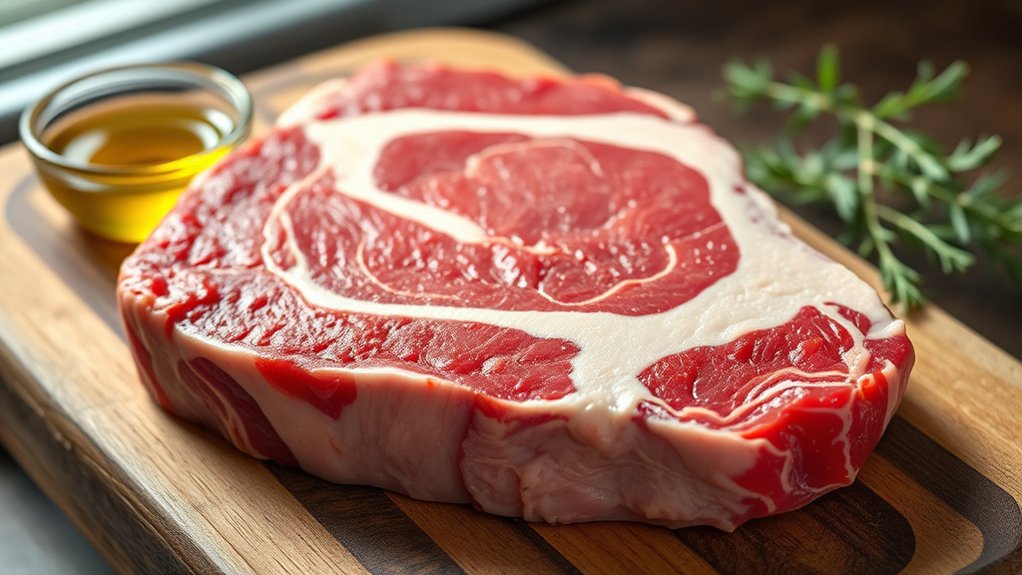
Beyond its nutrient richness, horse meat’s fat and cholesterol content plays a significant role in how it impacts your health. With cholesterol levels around 50-70 mg per 100 grams and fat content averaging just 2-4 grams, horse meat is noticeably leaner than many other red meats.
This moderate cholesterol and low fat profile means it can support healthy blood cholesterol levels and potentially reduce cardiovascular risk when eaten in moderation.
Additionally, horse meat contains beneficial polyunsaturated fats that promote heart health.
However, it’s important to remember that overconsuming any meat high in cholesterol and saturated fats could still raise heart-related health concerns.
Is Horse Meat a Good Protein Source for a Balanced Diet?
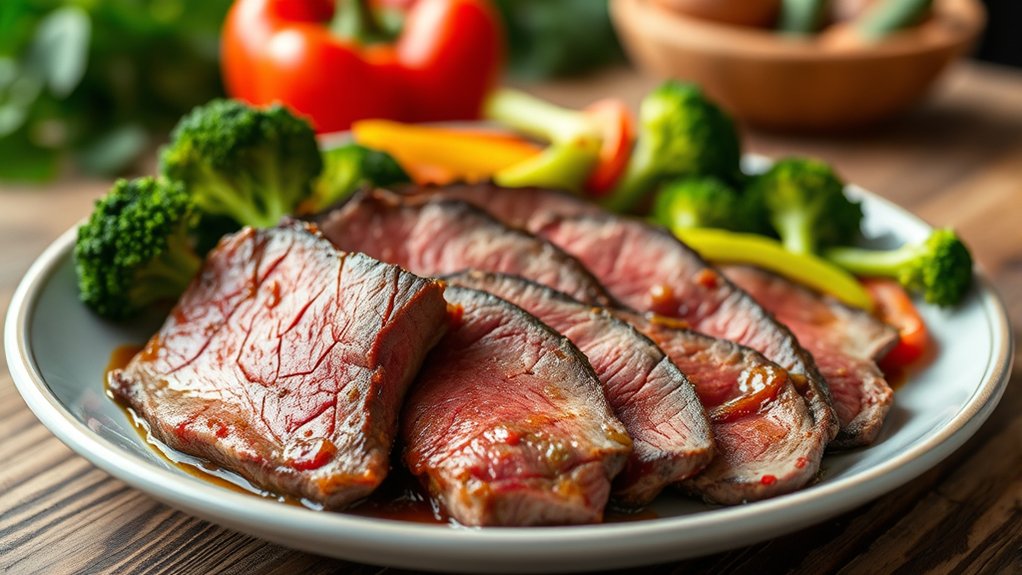
You’ll find that horse meat offers about 20-22 grams of high-quality protein per 100 grams. It’s packed with essential amino acids your body needs for muscle growth and repair.
Plus, it has a low fat content, especially when it comes to saturated fat, which is great for supporting heart health if you eat it in moderation.
High Protein Content
Horse meat contains about 20-22 grams of protein per 100 grams, making it a potent source for anyone looking to boost their protein intake. This protein provides all essential amino acids your body needs for muscle growth and repair.
Including horse meat in your diet can help you meet daily protein requirements without excess saturated fat. It’s a great option if you want to add variety to your protein sources.
| Benefit | Detail |
|---|---|
| Protein Content | 20-22 grams per 100 grams |
| Amino Acids | Complete profile for muscle repair |
| Diet Support | Helps meet daily protein needs |
| Fat Content | Relatively low (discussed later) |
| Balanced Diet | Complements varied protein sources |
Low Fat Benefits
Although many red meats are high in fat, horse meat stands out as a lean alternative, containing only about 2-4% fat. This low fat content makes it an excellent protein source if you’re aiming for a balanced diet without excess calories from fat.
Compared to beef or pork, horse meat’s lean profile supports weight management and can reduce the risk of cardiovascular issues linked to high fat intake.
When you include horse meat in your meals, you’re getting a high-protein option that aids muscle growth and tissue repair while limiting unhealthy fat consumption.
By choosing horse meat, you can enjoy a nutrient-dense protein source that fits well within a health-conscious eating plan focused on maintaining overall wellness.
It’s a smart choice for anyone looking to eat well without sacrificing flavor or nutrition.
Essential Amino Acids
Since your body requires all essential amino acids to build and repair tissues effectively, choosing a protein source that provides a complete amino acid profile is crucial. Horse meat offers around 21% high-quality protein, comparable to lean meats like beef and chicken.
It supplies all essential amino acids, including leucine, lysine, and valine, which play key roles in muscle maintenance and immune support.
By incorporating horse meat into your diet, you benefit from these complete proteins, aiding tissue growth and repair. Its balanced amino acid content makes it a valuable addition, especially when eaten alongside other nutrient-rich foods.
What Are Common Myths and Facts About Horse Meat Nutrition?
When you consider alternative protein sources, you might come across several myths about horse meat that don’t hold up under scientific scrutiny. For example, some people believe horse meat is unhealthy or high in cholesterol. But in reality, it’s generally lower in cholesterol than many other red meats.
You’ll find horse meat rich in high-quality protein and essential amino acids, making it a nutritious choice. It also contains beneficial omega-3 and omega-6 fatty acids that support heart health.
A lot of the negative perceptions about horse meat come from cultural biases rather than actual nutritional facts.
As long as it’s properly sourced from healthy animals, horse meat offers a safe and nutritious alternative to more common meats like beef or pork.
Understanding these facts helps you make informed dietary choices.
What Risks Does Eating Horse Meat Pose?
When you eat horse meat, it’s important to be aware of some potential health risks. For example, contaminants like veterinary drugs can sometimes be present.
Plus, if the meat comes from unsafe slaughter practices, that can also pose a problem.
These factors might increase your chances of foodborne illnesses or exposure to harmful substances.
Potential Health Concerns
Although horse meat can offer nutritional benefits, you should be aware of several potential health concerns before including it in your diet.
Horse meat may contain residues of veterinary medicines, some of which are carcinogenic, posing health risks. Consuming meat from unregulated sources increases the chance of exposure to illegal or unapproved drugs, which can trigger blood disorders or allergic reactions.
Additionally, improper handling and slaughtering practices can introduce harmful bacteria, elevating food safety risks.
Be cautious, as horse meat is sometimes injected with water or fillers to increase weight, reducing its nutritional value and possibly compromising safety.
To minimize these risks, it’s essential to source horse meat from reputable suppliers who adhere to strict regulations and quality controls. This way, you can enjoy the benefits while keeping your health in check.
Contamination And Safety
Health risks linked to horse meat go beyond just veterinary drug residues and poor handling. If you eat horse meat contaminated with banned veterinary medicines, like phenylbutazone, you could face serious health problems. These might include carcinogenic effects or blood disorders.
Unregulated slaughter and weak inspections might let meat from unhealthy animals slip into the food chain. This increases your chance of getting foodborne illnesses.
Processed products, such as horse meat burgers, might’ve fillers or parts that passed inspection but still carry contamination risks.
On top of that, poor labeling and traceability in the supply chain make it tough for you to check the meat’s safety and origin. To keep yourself safe, it’s important to stick to properly regulated sources.
Always be cautious about the horse meat products you choose to consume.
How Do Regulations Keep Horse Meat Safe to Eat?
Strict regulations play a crucial role in keeping horse meat safe for you to eat. These rules guarantee that the meat meets high safety standards before it reaches your plate.
Strict regulations ensure horse meat is safe and meets high standards before reaching your plate.
Key regulatory measures include mandatory identification and health passports for horses, confirming they’re free from banned medications. Veterinary inspections at licensed slaughterhouses help prevent contamination and detect harmful drug residues.
Slaughter facilities must be licensed, which means they follow strict hygiene and safety protocols. Plus, there’s ongoing monitoring and testing to catch illegal drug residues and contaminants before the meat is distributed.
All these steps work together to make sure the horse meat you eat is safe and healthy.
How Should You Handle and Cook Horse Meat Safely?
When handling horse meat, you should always start by sourcing it from reputable suppliers who provide proper health and origin documentation to minimize contamination risks.
Store the meat at temperatures below 4°C (39°F) and consume it within a few days, or freeze it for longer storage.
Use separate cutting boards and utensils to prevent cross-contamination with other foods.
When cooking, make certain the meat reaches an internal temperature of at least 70°C (158°F) to effectively eliminate harmful bacteria and parasites.
Also, be mindful that horse meat may contain veterinary medicines or substances, so proper regulation and sourcing are essential to avoid health risks.
Following these steps helps guarantee that you handle and cook horse meat safely and responsibly.
It’s all about being careful with where you get it from and how you prepare it, so you can enjoy it without worries.
How Do Age and Gender of Horses Influence Meat Quality?
When you think about horse meat quality, age and gender each have their own effects. For example, older horses might’ve a bit more protein in their meat.
On the other hand, stallions usually show higher pH levels and their meat looks a little different in color compared to mares and geldings.
But here’s the thing—these differences don’t make a big impact on how tender the meat is or its fatty acid profile.
Age Effects On Meat
Although you mightn’t always notice, the age of a horse plays a crucial role in determining the tenderness of its meat. Younger horses generally provide more tender meat because their collagen hasn’t fully cross-linked.
As horses age, their meat contains more hydroxyproline, an indicator of increased collagen, which can make the meat tougher.
Despite variations in chemical makeup between ages 3 and 21, basic protein and fat levels remain stable.
Post-slaughter aging further tenderizes meat, lowering shear force values regardless of age.
So, to keep it simple: younger horses yield more tender meat due to less collagen cross-linking. Older horses have higher collagen, leading to a tougher texture.
Age doesn’t really affect protein and fat content much. And no matter the age, aging the meat after slaughter improves tenderness.
Gender Differences Impact
Age plays a role in horse meat tenderness and composition, but gender has an even stronger influence on certain quality traits. Research shows stallions have higher meat pH and darker, less red meat compared to mares and geldings. This difference in pH affects meat’s chemical environment, influencing qualities like freshness and shelf life.
While age-related changes are visible, older horses tend to have slightly more protein and varied fat content. These shifts are less marked than gender-based differences.
Young stallions, for example, exhibit distinct pH and color traits, confirming that both age and gender influence meat’s visual and chemical properties.
Texture And Composition
Since the texture and composition of horse meat directly affect your eating experience, it’s important to understand how factors like the horse’s age and gender come into play.
Younger horses usually offer more tender meat due to less connective tissue, while older horses tend to have higher muscle dry matter and fat content.
Gender differences also matter. Stallions typically show higher pH levels and distinct color traits compared to mares and geldings.
Additionally, carcass weight influences texture, sometimes altering springiness and chewiness.
Despite these variations, key quality measures like shear force and fatty acid profiles remain fairly consistent.
- Younger horses produce more tender meat
- Older horses have increased muscle dry matter and fat
- Stallions show higher pH and different color parameters
- Carcass weight affects texture variations
This knowledge helps you appreciate horse meat’s complex nature.
Who Traditionally Eats Horse Meat, and Why?
When you explore different cultures, you’ll find that many have embraced horse meat as a traditional food, each for distinct reasons. In Japan, it’s a delicacy served as basashi, reflecting cultural acceptance and culinary preference.
Across Europe, countries like France, Italy, and Belgium have long valued horse meat as a nutritious alternative protein.
In Europe, nations like France, Italy, and Belgium appreciate horse meat as a healthy protein choice.
In China, it’s commonly used in traditional dishes, prized for its flavor and availability.
Historically, economic factors influenced consumption, especially where other meats were scarce or costly, making horse meat a practical choice.
However, in countries such as the United States and the UK, cultural taboos and animal welfare concerns have led to prohibitions.
Understanding these contexts helps you appreciate the diverse perspectives on horse meat worldwide.
It’s pretty interesting how food traditions can vary so much depending on history and culture, right?
Where Can You Find Ethically Sourced and Regulated Horse Meat?
Although horse meat remains controversial in some regions, you can find ethically sourced and regulated options in countries where consumption is culturally accepted and legally controlled. These countries have strict regulations and certification systems guaranteeing humane treatment and food safety.
Here’s where to look for ethical horse meat:
- Japan – Horse meat (basashi) is served as sashimi, sourced from licensed facilities meeting health standards.
- France – Official slaughterhouses and certifications guarantee ethical production.
- Italy – Similar to France, regulated processing and certification ensure safety and welfare.
- United States and Ireland – Strict laws limit legal sourcing, making ethical horse meat rare.
Always choose products with certified labels to ensure compliance with animal welfare and food safety standards. That way, you know you’re getting meat that’s both safe and responsibly produced.
Frequently Asked Questions
How Does Horse Meat Taste Compared to Beef or Pork?
You’ll find horse meat tastes milder and slightly sweeter than beef or pork, with a leaner, less greasy texture. It’s tender yet chewy, offering a richer, more intense flavor that varies by cut and preparation.
It’s kind of like a mix between the two, but with its own unique twist. Depending on how it’s cooked, you might notice different flavors coming through. So, it’s definitely worth trying if you’re curious about something a little different!
Can Horse Meat Be Used in Popular Recipes or Cuisines?
You can use horse meat in popular recipes. It’s as versatile as a culinary chameleon. From stews to sashimi, it fits well in many cuisines.
It offers a unique taste and texture that complements traditional dishes beautifully. So, don’t hesitate to give it a try in your favorite meals. You might discover a new go-to ingredient!
What Is the Cultural History Behind Eating Horse Meat?
You’ll find horse meat has deep roots in cultures like Mongolia, Japan, and parts of Europe. In these places, it’s valued as traditional, ritualistic, or alternative protein.
Perceptions about eating horse meat vary quite a bit. This reflects the diverse historical and ethical views people hold worldwide. It’s interesting how food can tell us so much about culture and history.
Are There Environmental Benefits to Consuming Horse Meat?
You might worry about ethics, but choosing horse meat can actually lower environmental impact. It’s lean, requires fewer resources than beef, and helps manage horse populations.
This makes your meal more sustainable and environmentally friendly. So, it’s not just about taste—it’s about making a smarter choice for the planet too.
How Does Horse Meat Price Compare to Other Red Meats?
You’ll find horse meat generally costs less than beef and lamb but can be pricier than some pork cuts. Prices vary by country, making it a cost-effective red meat alternative where culturally accepted and widely available.
It’s a good option if you’re looking to try something different without spending too much. Just keep in mind that availability might be limited depending on where you live.
Conclusion
You’ll find horse meat offers lean protein, essential nutrients, and lower fat than many meats. You should weigh its benefits against potential risks, like sourcing and safety concerns. You’ll want to cook it properly and choose ethically raised options.
You’ll see that myths often overshadow facts, but understanding nutrition, handling, and tradition helps you make informed choices. You’ll appreciate horse meat’s role in diverse diets when you approach it thoughtfully and responsibly.