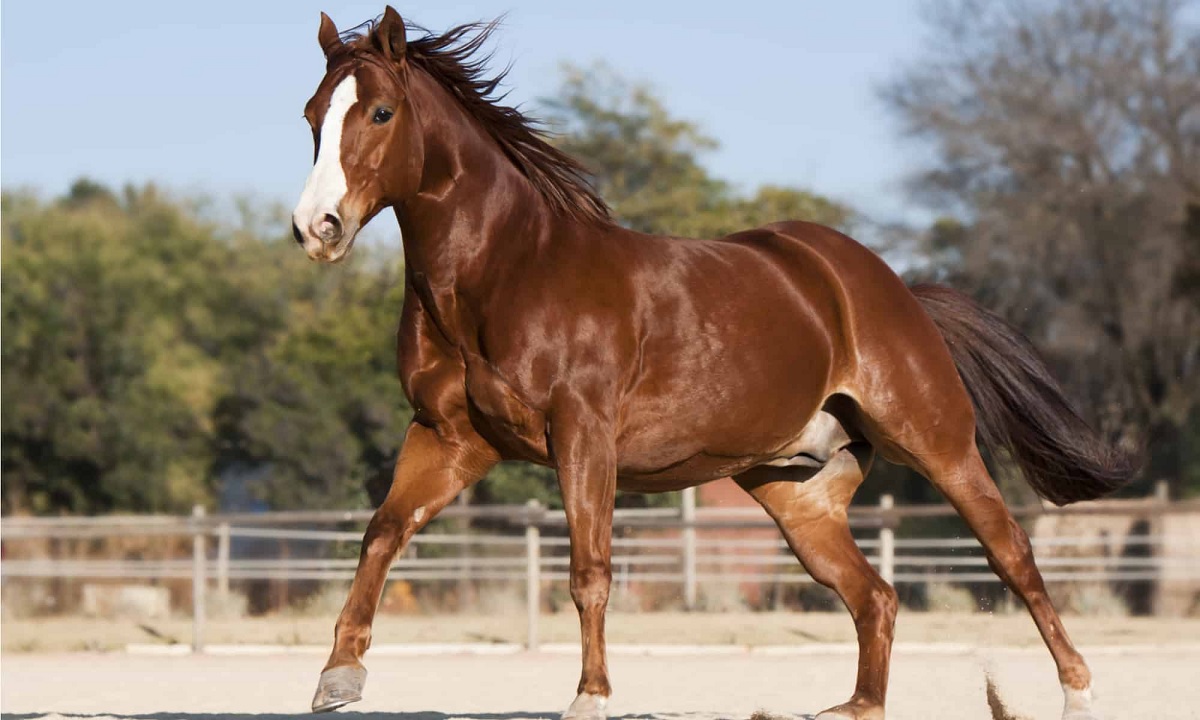
American Quarter Horse vs Thoroughbred: Key Differences You Need to Know
When it comes to choosing the right horse for riding, racing, or ranch work, understanding the differences between breeds is essential. Two of the most popular and widely recognized breeds in the equestrian world are the American Quarter Horse and the Thoroughbred. Each breed has distinct characteristics, strengths, and temperaments that make them suited for different activities. The American Quarter Horse is renowned for its agility, calm demeanor, and incredible speed over short distances, making it a favorite in rodeos and ranch work.
On the other hand, the Thoroughbred is celebrated for its endurance, athleticism, and spirited energy, excelling in long-distance racing and competitive equestrian sports. Comparing these breeds helps riders, trainers, and enthusiasts make informed decisions based on performance, personality, and suitability. Exploring the nuances of the American Quarter Horse vs Thoroughbred sheds light on their unique qualities, training needs, and overall versatility in the horse world.
Physical Differences Between American Quarter Horses and Thoroughbreds
Understanding the physical differences between American Quarter Horses and Thoroughbreds is essential for anyone interested in riding, racing, or breeding. While both breeds share equine athleticism, their body structures are designed for different purposes. American Quarter Horses are built for short bursts of speed, agility, and work on ranches, whereas Thoroughbreds are designed for endurance, racing, and competitive sports. Recognizing these differences helps in selecting the right breed for your riding style, activities, and training needs.
Build and Musculature
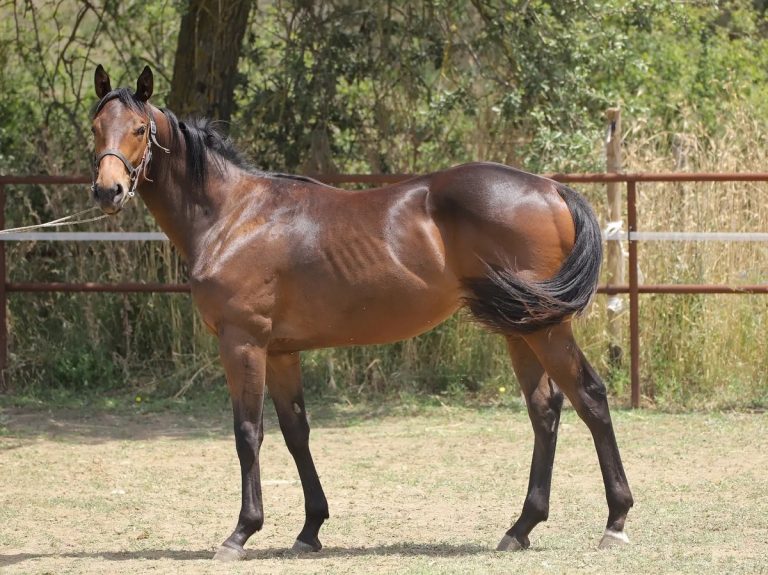
American Quarter Horses are known for their compact, muscular build. They have broad chests, strong hindquarters, and a lower center of gravity, which allows them to accelerate quickly over short distances and perform agile maneuvers. This muscular structure makes them ideal for rodeo events, ranch work, and activities that require sudden stops, turns, and bursts of speed. Their strong, stocky legs and sturdy bone structure provide balance and durability, allowing them to handle heavy workloads efficiently.
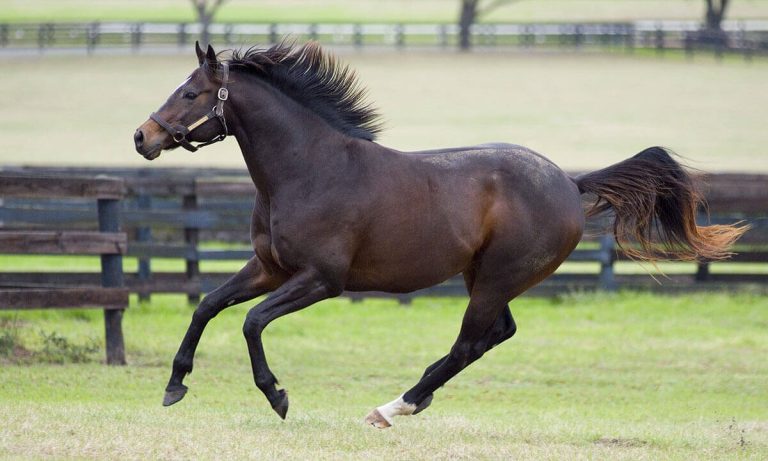
Thoroughbreds, in contrast, have a taller, leaner frame with long, slender legs and a narrow chest. Their build is optimized for sustained speed and stamina, making them perfect for racing and endurance events. The longer stride and lighter musculature allow them to cover more ground quickly, although they may not have the same explosive power or compact agility as American Quarter Horses. Understanding these physical differences helps you appreciate how each breed is naturally suited to its specific activities.
Head, Neck, and Overall Appearance
The head and neck of these breeds also reflect their functional differences. American Quarter Horses typically have a shorter, more refined head with a straight or slightly convex profile. Their necks are muscular and well-arched, supporting the strong shoulders and hindquarters needed for quick movements and sudden stops. This gives them a powerful and balanced appearance, emphasizing strength and agility.
Thoroughbreds tend to have a longer, more elegant head with a slightly concave profile and larger eyes. Their necks are long and slim, designed for aerodynamic efficiency and fluid motion during racing. This combination of features contributes to a sleek, athletic look that emphasizes speed and endurance over raw power. Observing these differences can help you distinguish between the breeds at a glance and understand the types of physical tasks each is naturally built to perform.
Height, Weight, and Proportions
Height and overall proportions vary between the two breeds as well. American Quarter Horses generally stand between 14 and 16 hands high and weigh around 950 to 1,200 pounds. Their compact, muscular bodies allow for a solid presence and strong performance in short-distance, high-intensity tasks. They have a balanced body-to-leg ratio that enhances agility and strength.
Thoroughbreds are usually taller, ranging from 15 to 17 hands, and weigh between 1,000 and 1,200 pounds. Their lighter, longer frames give them a more aerodynamic build, which supports high-speed galloping over long distances. This structural difference affects not only speed and endurance but also how each breed responds to training, riding styles, and workload demands. Knowing these physical distinctions helps you select the right breed for your goals and ensures compatibility with the horse’s natural abilities.
Speed and Performance Comparison
Comparing speed and performance between the American Quarter Horse and Thoroughbred highlights how each breed’s physical traits and training adapt to different equestrian activities. While both are athletic and fast, their abilities shine in distinct ways. American Quarter Horses excel in short-distance bursts and agile maneuvers, making them ideal for rodeos and ranch work. Thoroughbreds, on the other hand, are built for sustained speed over longer distances, dominating racetracks and endurance events. Understanding these differences helps riders and trainers match a horse to their specific goals.
Short-Distance Speed of American Quarter Horses
American Quarter Horses are famous for their explosive speed over short distances, typically up to a quarter-mile. Their muscular build, strong hindquarters, and compact frame allow them to accelerate quickly from a standing start. This makes them exceptional in sprint racing, barrel racing, and other activities requiring sudden bursts of energy and quick directional changes.
Their agility is equally impressive. The breed can perform rapid stops, tight turns, and sharp maneuvers with minimal effort, which is why they are popular in rodeo events, cattle work, and Western riding disciplines. The combination of power and control gives riders confidence when performing precision-based tasks or navigating obstacles. For short-distance performance, few breeds can match the American Quarter Horse’s explosive speed and adaptability, making them highly efficient for work and competitive events that demand quick, agile movement.
Endurance and Racing Strength of Thoroughbreds
Thoroughbreds are designed for speed over longer distances rather than short sprints. Their lean build, long legs, and extended stride allow them to maintain high speeds over races of one mile or more. This makes them the top choice for flat racing, steeplechase, and endurance competitions where sustained performance is essential.
While they may not have the explosive power of an American Quarter Horse, Thoroughbreds excel in stamina, covering ground efficiently without quickly tiring. Their light musculature and streamlined body enhance endurance, allowing them to sustain a consistent pace throughout a race. For riders focused on competitive racing or long-distance events, Thoroughbreds offer the perfect combination of speed, endurance, and agility suited to open tracks and racing arenas. Recognizing these differences ensures you can select a breed that aligns with the performance demands of your riding or competitive goals.
Temperament and Behavior
Temperament and behavior play a significant role in how horses interact with riders, trainers, and their environment. Understanding these traits in the American Quarter Horse and Thoroughbred helps determine which breed is better suited for specific activities and handling styles. While both breeds are intelligent and responsive, their personalities differ due to breeding, purpose, and energy levels. Examining these differences provides insight into training methods, rider expectations, and daily care practices.
American Quarter Horse Temperament
American Quarter Horses are widely recognized for their calm, steady, and friendly demeanor. They tend to be patient, willing, and easy to handle, which makes them ideal for beginners, casual riders, and ranch work. Their stable temperament allows them to adapt well to new environments, making them less reactive to sudden noises or movements.
This breed is also highly intelligent and quick to learn, responding well to consistent training methods and positive reinforcement. Their cooperative nature makes them excellent partners in Western riding, barrel racing, and other disciplines that require precision and teamwork. While energetic when active, they generally maintain a balanced, relaxed attitude, which reduces stress for both horse and rider. The approachable temperament of the American Quarter Horse contributes to their popularity among riders of all skill levels and ensures safer interactions during handling and training.
Thoroughbred Temperament
Thoroughbreds, in contrast, are known for their spirited and high-energy nature. Bred primarily for racing and performance, they often exhibit alertness, sensitivity, and a strong drive to work. This energetic disposition can make them highly responsive, but it also requires experienced handling to manage their intensity.
They tend to react quickly to stimuli and may become anxious or excitable in unfamiliar situations, which can affect training and daily management. Thoroughbreds excel in competitive environments where agility, speed, and focus are needed, but their spirited temperament means they often need patient, consistent training and confident riders. Understanding their energy levels and behavioral tendencies helps ensure a safe and productive partnership. When managed correctly, their intelligence and willingness to perform make Thoroughbreds exceptional athletes capable of impressive achievements in racing, jumping, and endurance disciplines.
Riding and Sport Specialties
Different horse breeds excel in varying riding disciplines and sporting events based on their physical attributes, temperament, and training adaptability. The American Quarter Horse and Thoroughbred each have strengths suited to specific activities. Understanding their specialties helps riders, trainers, and equestrian enthusiasts choose the right breed for performance, recreation, or competition. By examining how each breed performs in various riding styles and sports, you can align your equestrian goals with a horse that maximizes potential, safety, and enjoyment.
American Quarter Horse Riding and Sport Specialties
American Quarter Horses are highly versatile and excel in a range of Western riding disciplines. Their compact, muscular build and calm temperament make them ideal for ranch work, reining, cutting, and barrel racing. These activities require agility, speed, and precision over short distances—areas where the breed naturally thrives.
They also perform well in English riding disciplines like trail riding and low-level jumping, particularly for beginners or casual riders seeking a reliable and steady mount. Their quick acceleration and nimble movements allow them to handle tight turns and sudden stops effectively. The breed’s intelligence and willingness to cooperate make training for these sports straightforward and enjoyable. Riders often appreciate the American Quarter Horse for its balance of power, speed, and responsiveness, which enhances performance in both competitive and recreational settings. Their adaptability allows them to shine in multiple equestrian arenas, from rodeo events to local horse shows.
Thoroughbred Riding and Sport Specialties
Thoroughbreds are best known for racing and other high-performance sports requiring endurance and speed. Their lean, tall frame and long legs allow them to cover large distances quickly, making them exceptional for flat racing, steeplechase, and endurance competitions. Beyond racing, Thoroughbreds also excel in jumping disciplines such as eventing and show jumping, where their athleticism, agility, and stamina are crucial.
These horses thrive under structured, consistent training and often display intense focus and drive in competitive environments. While their spirited temperament requires careful handling, it also contributes to outstanding performance in sports that demand energy, speed, and responsiveness. Thoroughbreds are less suited for casual or slow-paced riding but offer exceptional abilities in professional or competitive contexts. Riders who understand their strengths can capitalize on the breed’s natural athleticism, making them ideal partners for racing, jumping, and endurance sports that test both skill and stamina.
Health and Longevity Considerations
Health and longevity are important factors when choosing between the American Quarter Horse and Thoroughbred. Both breeds have unique care requirements influenced by their build, metabolism, and activity levels. Understanding these considerations helps you maintain a horse’s well-being, prevent common health issues, and plan for long-term care. Examining differences in lifespan, susceptibility to certain conditions, and general management needs provides insight into how each breed thrives in both competitive and recreational environments.
American Quarter Horse Health and Longevity
American Quarter Horses are generally known for their robust health and relatively long lifespan, often living between 25 and 30 years with proper care. Their sturdy build and strong musculature make them resilient to many physical stresses, particularly in ranch work and short-distance activities. Regular exercise, balanced nutrition, and routine veterinary care are essential to maintain their muscle tone, joint health, and overall fitness.
While generally hardy, American Quarter Horses can be prone to specific conditions such as hereditary diseases like HYPP (Hyperkalemic Periodic Paralysis) and some joint issues if overworked. Preventive care, including genetic testing, proper hoof maintenance, and monitoring weight, helps reduce these risks. Their calm temperament and adaptability often make them easier to manage, contributing to fewer stress-related health problems. With attention to diet, exercise, and preventive health measures, American Quarter Horses tend to enjoy long, active lives, making them reliable partners for both work and leisure.
Thoroughbred Health and Longevity
Thoroughbreds have a slightly shorter average lifespan, typically ranging from 20 to 25 years, and require careful management due to their athletic build and high energy levels. Their lean frame and long legs make them more susceptible to injuries, particularly in racing and high-intensity training. Joint stress, tendon injuries, and hoof problems are common concerns that demand consistent veterinary attention and proper conditioning.
Thoroughbreds also have higher metabolic needs, requiring carefully balanced nutrition to support their performance and prevent digestive or weight-related issues. Their spirited temperament can increase the risk of stress-related conditions if not managed with consistent routines and safe handling practices. Despite these challenges, Thoroughbreds can remain healthy and active with structured care, regular check-ups, and exercise tailored to their abilities. Understanding the health and longevity differences between these breeds allows owners to make informed choices about training, workload, and preventive measures to ensure a long, productive, and happy life for their horse.
Frequently Asked Questions
What Are the Main Physical Differences Between American Quarter Horses and Thoroughbreds?
American Quarter Horses have a compact, muscular build with strong hindquarters, a broad chest, and a lower center of gravity. This makes them ideal for short bursts of speed, agility, and ranch work. Thoroughbreds, on the other hand, are taller, leaner, and built for endurance. They have long legs, narrow chests, and a lighter frame, allowing them to sustain high speeds over longer distances. Understanding these physical differences helps you choose a breed suited to your riding goals, whether it’s sprinting, jumping, or long-distance performance.
Which Breed Is Faster Over Short Distances?
American Quarter Horses excel at short-distance speed, particularly races up to a quarter-mile. Their muscular build, strong hindquarters, and compact frame allow rapid acceleration and agile movements. They can stop and turn quickly, making them perfect for rodeo events, barrel racing, and other short-burst activities. Thoroughbreds, while fast, are better suited for sustained speed over long distances rather than explosive sprints. Choosing the right breed depends on your focus—if you prioritize quick, agile performance over short distances, the American Quarter Horse is often the preferred choice.
Which Breed Is Better for Endurance and Long-Distance Racing?
Thoroughbreds are built for endurance and long-distance racing due to their lean, tall frame and long stride. Their lightweight build allows them to maintain high speeds over extended distances, making them ideal for flat racing, steeplechase, and endurance competitions. American Quarter Horses, while strong and fast in short bursts, lack the stamina needed for sustained long-distance racing. If your primary goal is endurance sports, competitive racing, or events requiring prolonged speed, a Thoroughbred is generally better suited for these high-performance, long-distance challenges.
How Do Their Temperaments Differ?
American Quarter Horses are known for their calm, steady, and friendly temperament. They are patient, intelligent, and easy to handle, which makes them suitable for beginners and casual riders. Thoroughbreds are spirited, high-energy, and more sensitive, requiring experienced handling and consistent training. While Thoroughbreds excel in competitive settings, their intensity can be challenging for inexperienced riders. Understanding these temperament differences helps you select a breed that matches your experience level, riding style, and training approach, ensuring a safer and more enjoyable partnership.
Which Breed Is More Versatile for Riding Disciplines?
American Quarter Horses are highly versatile, performing well in Western disciplines like reining, cutting, and barrel racing, as well as beginner-friendly English riding, trail riding, and light jumping. Thoroughbreds specialize in racing, eventing, and jumping disciplines that require speed, agility, and stamina. While Thoroughbreds can adapt to other sports, they generally require more advanced training and handling. If versatility across multiple riding disciplines is important, the American Quarter Horse often provides a broader range of options for riders of varying skill levels.
How Do Health and Longevity Compare Between the Two Breeds?
American Quarter Horses tend to have a longer lifespan, averaging 25 to 30 years, and are generally hardy with strong musculature and good joint health. They are prone to specific genetic conditions like HYPP but are otherwise resilient. Thoroughbreds have a slightly shorter lifespan, around 20 to 25 years, and require careful management due to a leaner build and higher susceptibility to joint and tendon injuries. Proper care, diet, and exercise are essential for both breeds to ensure long, healthy, and active lives.
Which Breed Is Better for Beginners or Casual Riders?
American Quarter Horses are generally better suited for beginners and casual riders due to their calm temperament, steady nature, and manageable energy levels. They are easier to train and adapt well to different environments. Thoroughbreds, while athletic and capable, are more spirited, sensitive, and energetic, requiring experienced handling and consistent training. If you are new to riding or prefer a horse that is patient and reliable, the American Quarter Horse often provides a safer and more enjoyable experience.
Final Thoughts
When choosing the right horse for riding, racing, or performance, understanding the distinct qualities of each breed is essential. American Quarter Horses are known for their powerful build, explosive speed over short distances, and calm, versatile temperament, making them ideal for ranch work, rodeo events, and short sprints. Thoroughbreds, on the other hand, excel in endurance, long-distance racing, and competitive sports that demand agility and stamina, paired with a spirited and energetic personality.
Considering factors such as riding style, intended use, and maintenance needs can help ensure a suitable match between horse and rider. By comparing their physical traits, performance abilities, and temperaments, riders can make informed decisions. Overall, exploring the differences in american quarter horse vs thoroughbred highlights that each breed brings unique strengths, and the choice ultimately depends on the rider’s goals and experience level.