What Is Horse Meat Used For – Quick Answer
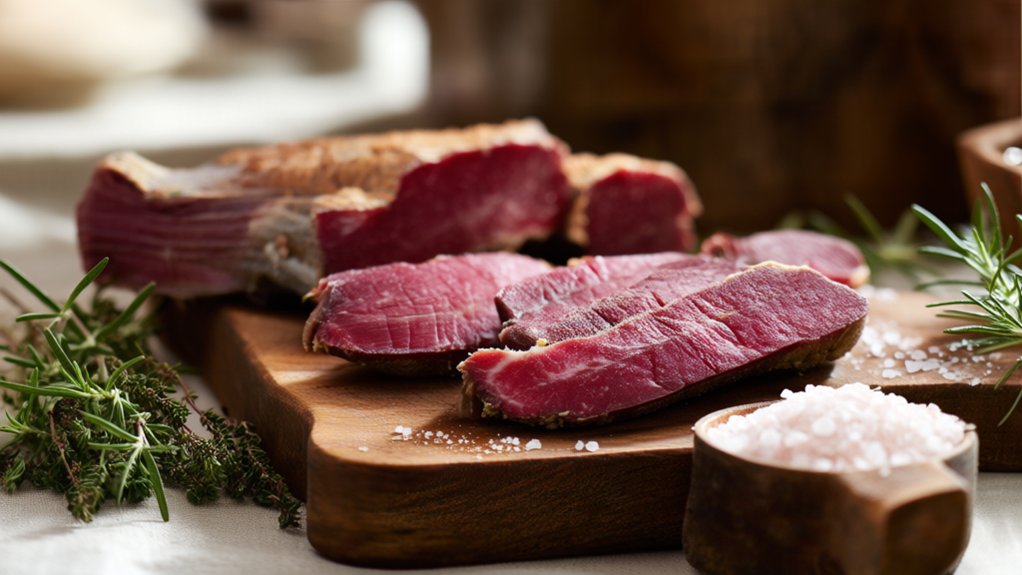
You can use horse meat in many ways, from eating it raw with soy sauce and garlic to grilling, stir-frying, or slow-cooking for tenderness. It works well in skewers, braises, and regional dishes. It offers a unique, slightly gamey flavor and is a lean, nutrient-rich protein source.
The texture and taste vary with the horse’s age, which affects how you cook it. Exploring its culinary uses reveals cultural traditions and safety tips you might find interesting. Give it a try if you’re curious about something different in the kitchen!
Common Culinary Uses and Preparation of Horse Meat
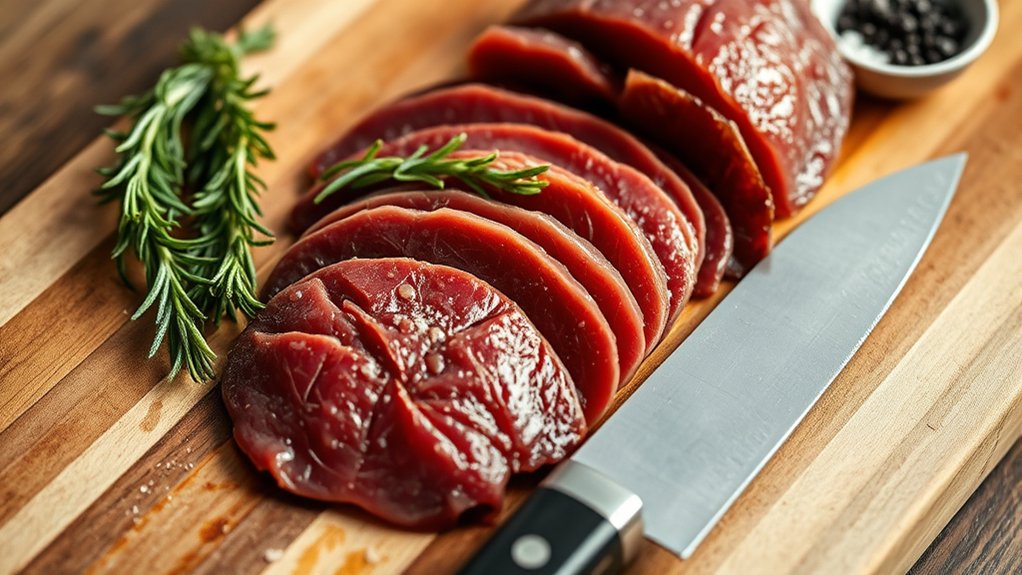
Although horse meat may not be as common as beef or pork, it plays a significant role in various regional cuisines. You’ll find it served raw in some dishes, often dipped in thick soy sauce mixed with minced garlic, which really brings out its unique qualities.
In places like Huihui County in Qiannan, it’s popular in stir-fried recipes such as Huixiu stir-fried horse meat. You can also barbecue horse meat, but be mindful because it tends to be tough and needs careful cooking due to its coarse texture.
In many traditional recipes, horse meat substitutes for beef or donkey meat, adapting to local preferences.
The age of the horse affects how you cook it; older animals yield tougher meat that’s better suited for slow cooking or stewing to tenderize it effectively.
Flavor and Texture Characteristics of Horse Meat
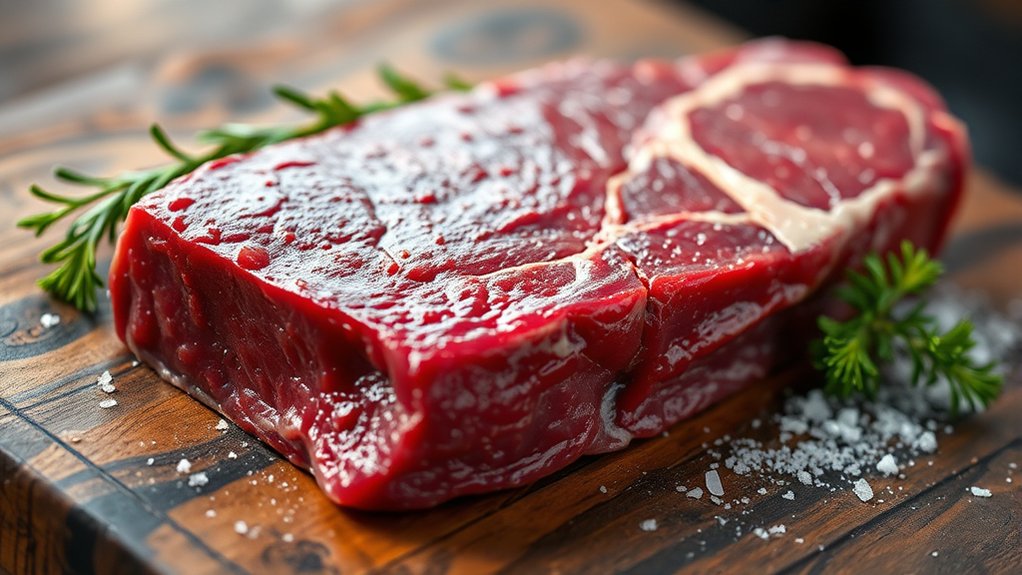
When you try horse meat, you’ll notice its texture is a bit coarser and slightly rougher than beef. It’s not as smooth, but that’s part of its unique charm.
The flavor has a distinctive, gamey note that some describe as having a fishy smell. And interestingly, that smell can stick around even if you use sauces.
Also, it’s good to keep in mind that the age of the horse really plays a role in how tough and textured the meat turns out.
Younger horses tend to have more tender meat, while older ones can be a bit tougher.
Texture Compared To Beef
Because horse meat has a coarser texture than beef, you’ll notice it feels rougher and more fibrous when you eat it. This coarseness comes from the muscle structure, which is denser and less tender than traditional beef.
The texture also varies with the horse’s age. Meat from older horses tends to be tougher and harder.
You might find it more challenging to cook horse meat, especially when barbecuing, as it can easily become half-cooked or overly tough. Unlike the generally tender consistency of beef, horse meat demands careful preparation to avoid a chewy result.
If you’re used to beef’s smooth texture, expect horse meat to feel distinctly firmer and less yielding on your palate.
Distinctive Flavor Notes
If you’re trying horse meat for the first time, you’ll notice its flavor is quite different from beef. It has a somewhat bland taste, kind of like old beef or donkey meat. It often carries a fishy smell that can linger even after dipping it in sauce.
The texture is coarse and a bit tougher than beef, which changes how you experience the flavor. While many don’t find it particularly delicious, horse meat is still accepted in certain regional cuisines.
The flavor and texture you get mostly depend on the age and quality of the horse. Older animals usually have tougher meat.
Impact Of Animal Age
The age of the horse plays a significant role in shaping both the flavor and texture of its meat. When you cook meat from older horses, you’ll notice it tends to be tougher with a coarser texture, making it harder to barbecue or cook evenly.
The flavor often carries a more pronounced fishy smell and resembles aged beef or donkey meat.
On the other hand, meat from younger horses offers a more tender, finer texture, which suits a variety of dishes and cooking methods.
Understanding the age of the horse helps you anticipate the meat’s cooking requirements and flavor profile. This way, you can choose the right preparation to maximize taste and tenderness.
Age truly influences both the eating experience and the culinary use of horse meat.
Raw and Cooked Horse Meat Preparation Methods
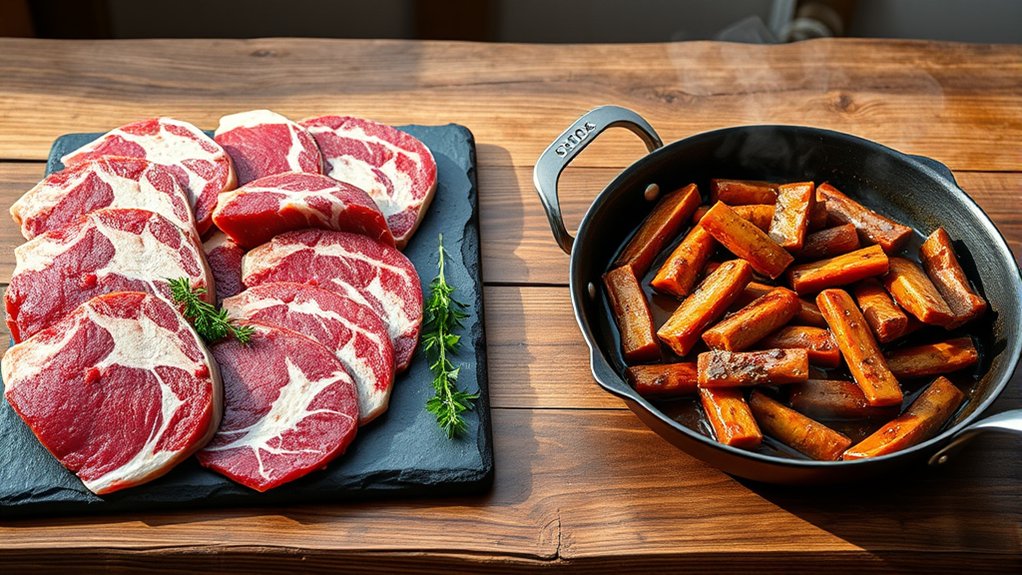
When you prepare horse meat, you’ll find it can be served raw with dipping sauces like thick soy sauce and minced garlic. This style is popular in certain regional cuisines. It offers a delicate, fresh taste that’s quite unique.
Horse meat can be enjoyed raw with thick soy sauce and garlic, offering a fresh, delicate flavor unique to certain regions.
For cooked preparations, marinating is key. It helps enhance tenderness and flavor since the meat has a coarse texture. Cooking methods often vary to address toughness, especially in older animals.
Here are four common preparation methods:
- Serve raw with dipping sauces for a delicate, fresh taste.
- Stir-fry quickly with vegetables and spices, as in Huixiu dishes.
- Slow-cook or braise to tenderize tougher cuts.
- Grill or barbecue, often as a communal activity despite the meat’s natural fishy smell.
These approaches help you enjoy horse meat’s unique qualities safely and deliciously. Give them a try and see which one suits your taste best!
Traditional Regional Dishes Featuring Horse Meat
You’ll find horse meat featured in popular stir-fried recipes like Huixiu from Huihui County. Its unique flavor really stands out in these dishes.
Then, there are regional barbecue traditions that also highlight horse meat. Often, you’ll find it served in specialty restaurants dedicated to this distinct ingredient.
Exploring these dishes gives you a glimpse of how local customs shape the use of horse meat across different cultures.
Popular Stir-Fried Recipes
Although horse meat might be unfamiliar in many cuisines, regions like Qiannan and Qi Zhong have perfected stir-fried recipes that showcase its tender texture and rich flavor. You’ll find these dishes often feature thinly sliced horse meat combined with fresh vegetables and spices, reflecting local culinary traditions.
In Qiannan, the Huixiu stir-fried horse meat is especially famous for its tenderness and robust taste. Meanwhile, in Huihui County, stir-fried horse meat is a staple in local eateries.
Here are key points to know about popular stir-fried horse meat recipes:
- Slices are thin for quicker cooking and enhanced tenderness.
- Vegetables and regional spices complement the meat’s flavor.
- Some recipes substitute donkey meat, showing local variations.
- These dishes are central to communal meals and festive occasions.
Regional Barbecue Traditions
Because horse meat offers a unique texture and flavor, many regions have developed rich barbecue traditions centered around it. You’ll find horse meat commonly prepared as skewers or grilled cuts, often dipped in thick soy or garlic sauces to enhance the taste.
In places like Qiannan, traditional dishes such as Huihui stir-fried horse meat are especially popular, showcasing local culinary heritage. These barbecue traditions often take center stage during festivals and culinary events, where grilling and roasting horse meat highlight cultural identity.
The texture and flavor can vary depending on the horse’s age and type, influencing how you might enjoy it. If you explore these regional dishes, you’ll notice how horse meat plays an essential role in diverse grilling customs.
Specialty Horse Meat Restaurants
When you visit specialty horse meat restaurants, you’ll find a range of traditional regional dishes that highlight the unique flavors of horse meat. These restaurants emphasize local culinary techniques and cultural traditions, offering you an authentic taste experience.
Here are four popular dishes you might encounter:
- Stir-fried horse meat, especially famous in Huihui County, Qiannan, drawing diners from the Qi Zhong region.
- Huixiu-style horse meat, a regional delicacy with distinctive seasoning.
- Raw horse meat served with soy sauce and minced garlic for dipping.
- Other traditional recipes showcasing horse meat’s versatility and cultural significance.
You’ll find that each dish tells a story and reflects the rich heritage behind these culinary choices. It’s definitely worth trying if you’re curious about something different and flavorful!
Nutritional Benefits of Eating Horse Meat
If you’re looking for a lean, nutrient-dense protein, horse meat offers several advantages. It’s rich in high-quality protein, supplying essential amino acids that help with muscle growth and repair.
Horse meat also contains key minerals like iron, zinc, and phosphorus, which support healthy blood and strong bones.
Compared to beef, it’s lower in fat and calories, making it a leaner option. You’ll get plenty of B-vitamins, especially B12 and niacin, which are vital for energy metabolism and nerve function.
This nutritional profile makes horse meat a smart choice for a balanced diet, especially in areas where it’s traditionally eaten.
Including horse meat can help you meet your protein and micronutrient needs without excess fat or calories.
Cultural Attitudes and Ethical Considerations Around Horse Meat
Although horse meat is prized in some cultures, many people have strong emotional and ethical reservations about eating it. You’ll find that attitudes vary widely depending on cultural norms and the role horses play in society.
In places like the UK and the US, horses are often seen as companions or work animals, making horse meat consumption controversial.
Meanwhile, in parts of Asia and Europe, it’s a respected dish.
When considering this topic, keep in mind these factors:
- Horses’ symbolic and emotional value influences acceptance.
- Ethical concerns focus on animal welfare and respect.
- Cultural history shapes legal and social restrictions.
- Perceptions differ, reflecting diverse moral frameworks worldwide.
Understanding these nuances helps you grasp why horse meat remains a sensitive subject.
Where to Find Horse Meat Today: Markets and Restaurants
Cultural acceptance directly affects where you can find horse meat today. In regions like parts of Europe and Asia, specialized markets and butcher shops regularly offer horse meat. You’ll also find certain restaurants in countries such as China, Mongolia, and Italy serving horse meat dishes as traditional or delicacy options.
These dishes often come stir-fried, grilled, or raw with sauces. However, in countries like the UK, cultural taboos and legal restrictions have reduced horse meat availability in mainstream markets.
Also, because of past food scandals, many markets now require clear labeling of horse meat to guarantee transparency.
Sourcing and Cooking Horse Meat Safely at Home
When you decide to cook horse meat at home, sourcing it from reputable suppliers who provide certified, high-quality products is essential to guarantee safety. Proper handling and cooking are equally important to avoid health risks. Follow these key steps:
Store horse meat at or below 4°C (39°F) and use it within a few days to prevent spoilage. Rinse and inspect the meat for discoloration or off odors before cooking.
Cook horse meat to an internal temperature of at least 70°C (160°F) to kill harmful pathogens. Use separate utensils and cutting boards for horse meat to avoid cross-contamination with other foods.
Frequently Asked Questions
Is Horse Meat Legal to Sell and Consume Worldwide?
You can’t legally sell or eat horse meat everywhere. Some countries allow it but with regulations, while others ban or restrict it because of cultural, ethical, or health reasons.
How Is Horse Meat Regulated for Safety Standards?
You might worry about safety, but horse meat is strictly regulated with mandatory drug residue testing, hygiene standards, and traceability.
Authorities enforce inspections and certifications to guarantee it meets national and international food safety requirements before reaching you.
What Are the Environmental Impacts of Horse Meat Production?
You’ll find horse meat production uses less land, water, and produces fewer methane emissions than beef. That’s a big win for the environment compared to traditional cattle farming.
However, intensive farming can still harm habitats if not managed carefully. It’s important to balance production with preserving natural areas.
Feeding horses by-products is a smart way to reduce waste. But, you’ve got to be careful with carcass disposal to avoid environmental contamination. It’s all about managing the process responsibly.
Can Horses Raised for Riding Be Used for Meat?
Yes, you can use horses raised for riding as meat, but their tougher, leaner muscle contrasts with meat-specific breeds. Cultural views and health rules often limit this practice, so you’ll need to check local regulations carefully.
It’s definitely something to consider if you’re thinking about it, but make sure you’re aware of the rules in your area before going ahead.
Are There Any Health Risks Specific to Eating Horse Meat?
Yes, eating horse meat can pose health risks if it contains drug residues, parasites, or contaminants. You should guarantee it’s properly regulated and tested to avoid allergic reactions or exposure to harmful substances.
It’s really important to make sure the meat comes from a safe source. That way, you reduce the chances of any health issues. Always check that it’s been handled correctly before eating.
Conclusion
Now that you know horse meat’s uses, flavors, and cultural significance, you can confidently explore this unique protein. Whether you’re preparing a traditional dish or trying it raw, remember to source it safely and respect local attitudes. Just like knights once relied on their trusty steeds, you can rely on horse meat’s rich nutrients and distinct taste to add variety to your meals.
With the right approach, horse meat can be a delicious, nutritious choice in today’s culinary world. Give it a try and see how it can bring something different to your table. It’s all about being open to new flavors and experiences!