How Long Do Horses Live?
You can expect your horse to live around 25 to 30 years, but with proper care, some can surpass 40 years or more. Smaller breeds like ponies often live longer than larger draft horses, who tend to face more health challenges.
Managing diet, exercise, regular veterinary visits, and monitoring for age-related changes will help extend their lifespan and quality of life. To support your horse’s well-being at every stage, understanding their needs as they age is essential.
Average Lifespan of Horses: What to Expect
Although the average horse lives between 25 to 30 years, you should know that with proper care, some horses can surpass 40 years. The life expectancy of a horse depends heavily on factors like diet, genetics, veterinary attention, and environment.
Proper care extends their longevity and improves quality of life. While the average lifespan sets a general guideline, exceptional cases exist. Old Billy, the oldest horse recorded, lived 62 years.
Different horse breeds also influence lifespan, though you’ll explore that further later. By understanding these elements, you can better anticipate your horse’s needs and lifespan.
Providing consistent care and monitoring health closely will help your horse reach or even exceed the expected life expectancy, ensuring they thrive throughout their years.
How Breed and Size Affect Horse Longevity
When you consider how breed and size impact a horse’s longevity, it becomes clear that smaller horses generally outlive their larger counterparts.
While breed itself doesn’t substantially determine lifespan, size plays a vital role.
Size is a key factor influencing a horse’s lifespan, more so than breed alone.
Smaller breeds like ponies and Icelandic horses often live into their 40s, benefiting from greater longevity.
In contrast, larger horses, especially heavyweight draft breeds, average around 18 to 30 years due to size-related health challenges.
Hardy pony breeds, despite some vulnerabilities like insulin resistance, tend to enjoy longer lifespans, with some reaching exceptional ages beyond 40.
Understanding these factors helps you better anticipate the care and expectations for horses of various breeds and sizes, ultimately supporting their well-being and maximizing their lifespan.
Life Stages of a Horse: From Foal to Senior
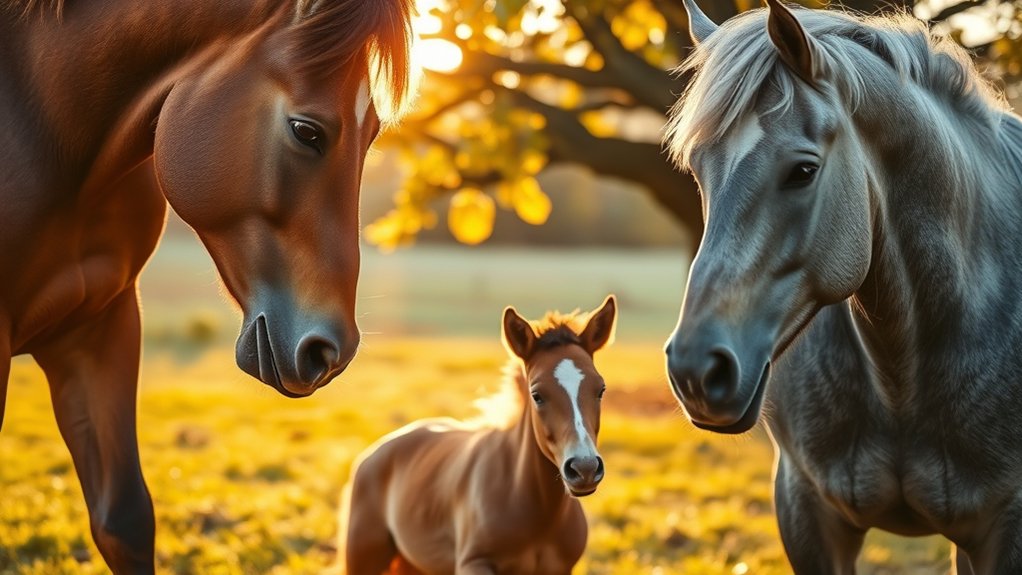
As a horse progresses through its life, it passes distinct stages that each require different care and attention. From birth until weaning at 4 to 7 months, your horse is a foal, experiencing rapid growth that sets the foundation for its life span.
Between weaning and 3 years old, the youth stage involves continued growth and early training, essential for overall health and development.
Adult horses, aged 3 to 15 years, reach peak maturity and performance, demanding consistent care to maintain vitality.
Once horses enter the senior stage around 15 years, they often slow down and need specialized health support to address age-related changes.
Understanding these life stages helps you provide appropriate care, enhancing your horse’s quality of life throughout its life span.
Signs Your Horse Is Getting Older
You’ll notice several physical and behavioral changes that signal your horse is getting older. Recognizing these aging signs is essential for providing proper care to senior horses.
Common indicators include:
- Sagging back due to muscle loss and weakened support
- Cloudy eyes and graying hairs on the coat
- Dental issues such as worn teeth or slower chewing
- Joint stiffness and decreased mobility from arthritis
- Behavioral changes like reduced activity and increased rest
Common Causes of Death and Health Risks in Horses
Although horses can live well into their twenties and beyond, various health risks and conditions considerably impact their lifespan. Colic remains the leading cause of death in horses under 20, often linked to lipomas or fatty tumors.
Injuries, particularly traumatic ones, are common in younger horses.
Age-related health issues such as weight loss and neurological problems increase with age.
Infectious diseases contribute to 10-15% of deaths, but vaccination and vigilant health monitoring help reduce this risk.
Lameness, often caused by joint problems or injuries, accounts for about 7% of mortality across all ages.
Overall, colic, cardiac arrest, and age-related conditions are the primary causes of death, with only a small percentage of horses dying naturally from old age.
Understanding these risks helps you manage your horse’s longevity effectively.
Feeding Your Horse for a Longer Life
When you tailor your horse’s diet to its age and specific needs, you considerably boost its chances of living a longer, healthier life. Good care in old age means adapting the diet to support digestion and nutrient absorption, which is vital for extending your horse’s lifespan. Focus on maintaining digestive stability and preventing common age-related issues.
Key feeding strategies include:
- Providing age-appropriate, softer, soaked feeds for easier digestion
- Ensuring a balanced intake of fiber, fats, and essential nutrients
- Maintaining regular feeding schedules and avoiding sudden diet changes
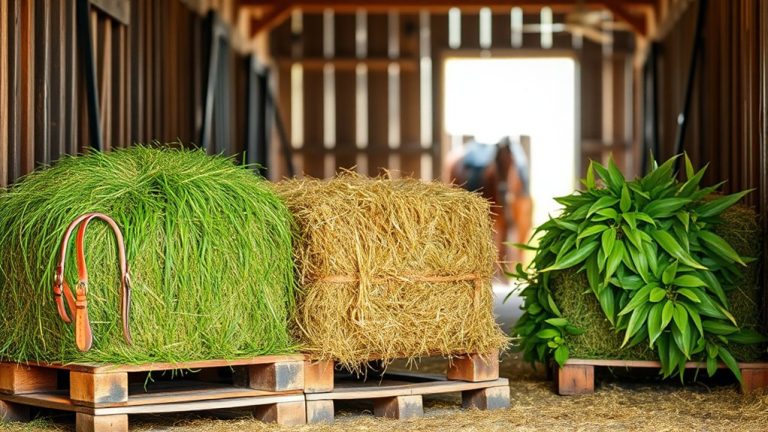
- Using high-quality hay and complete feeds formulated for senior horses
- Offering adequate water and mineral supplements to support hydration and electrolyte balance
These diet adjustments optimize your horse’s health and longevity through every stage of life.
How Regular Exercise Supports Horse Longevity
Because regular exercise maintains muscle tone and joint flexibility, it plays an essential role in extending your horse’s lifespan. Incorporating regular exercise into your horse’s routine supports cardiovascular health, reducing the risk of age-related issues such as arthritis and laminitis.
Regular exercise boosts muscle tone, joint flexibility, and cardiovascular health, helping prevent arthritis and laminitis in horses.
This consistent activity also aids in weight management and improves digestion, both critical for your horse’s overall health and well-being.
Beyond physical benefits, regular exercise stimulates mental alertness and lowers stress levels, further enhancing longevity.
Studies show horses that stay active tend to live longer, often reaching their 30s or beyond.
Hoof and Dental Care to Extend Your Horse’s Life
Even if your horse seems healthy, neglecting regular hoof and dental care can quickly lead to serious health problems that shorten their lifespan. Consistent hoof care, including trimming every 6-8 weeks, prevents lameness and infections like thrush. This supports overall health and longevity.
Proper dental care, such as routine floating of sharp points, guarantees your horse chews effectively. This reduces risks of weight loss and colic. Maintaining healthy hooves and teeth prevents pain, discomfort, and activity decline.
All of these are essential for extending your horse’s lifespan.
Key practices to support your horse’s longevity include:
- Scheduling professional hoof trims regularly
- Monitoring for signs of hoof infections
- Providing routine dental exams and floating
- Ensuring efficient chewing and digestion
- Addressing any dental or hoof issues promptly
Creating a Healthy Environment for Your Horse
Make certain your horse has constant access to fresh water and a balanced diet tailored to their age and activity level, which supports ideal health. Maintain a safe, clean turnout area to encourage regular physical activity and minimize injury risks.
Consistent hoof trimming and dental care are essential to prevent discomfort and related health complications.
Managing environmental stressors within this healthy environment further reduces the chance of stress-induced illnesses.
Why Regular Veterinary Care Matters for Horse Longevity
When you commit to regular veterinary care, you considerably boost your horse’s chances of a long, healthy life. Timely medical attention helps detect health issues early, enabling preventive measures that can notably extend your horse’s lifespan.
Consistent check-ups also monitor age-related conditions, ensuring prompt interventions and maintaining quality of life.
Key benefits of veterinary care include:
- Early detection and treatment of health issues
- Routine vaccinations and deworming to prevent diseases
- Regular dental exams to support proper digestion
- Preventive hoof trimming and chiropractic care for mobility
- Monitoring and managing age-related medical conditions
Frequently Asked Questions
Can Horses Live Longer Than 30 Years in Captivity?
Yes, horses can live longer than 30 years in captivity if you focus on proper horse diet, consistent veterinary care, and tailored exercise routines.
Breeding practices also influence longevity, so selecting resilient breeds helps.
Managing environmental factors, like shelter and stress reduction, supports their health.
How Do Genetics Influence a Horse’s Lifespan?
Think of genetics as a blueprint shaping your horse’s “building.” Genetic traits influence lifespan determination by marking longevity markers.
Some breeds carry hereditary diseases that shorten life.
For example, larger breeds often face more genetic challenges than smaller ones because of breeding impact. Understanding these inherited risks helps you manage care better.
This allows you to offset genetic hurdles and support your horse’s health and longevity effectively.
What Are the Best Supplements for Aging Horses?
For the best supplements for aging horses, focus on joint supplements containing glucosamine, chondroitin, and MSM to support joint health.
Include omega-3 fatty acids for nutritional support and inflammation reduction.
Add antioxidant immune boosters like vitamins E and C to strengthen their immune system.
Don’t forget minerals such as calcium and magnesium to maintain bone density.
These components are essential for effective aging management and helping your horse stay healthy and active.
How Does Stress Affect a Horse’s Longevity?
Stress shortens your horse’s life by weakening its immune system and accelerating aging. High training intensity, stall confinement, and environmental stress raise cortisol levels, increasing illness risk.
Poor horse diet worsens this, while inconsistent veterinary care can miss early signs of stress-related issues.
To boost longevity, manage these factors carefully. Provide balanced nutrition, reduce confinement, moderate training, and guarantee regular veterinary check-ups to minimize stress and support your horse’s health.
Are There Differences in Lifespan Between Wild and Domestic Horses?
Yes, you’ll notice differences in lifespan between wild and domestic horses. Domestic horses benefit from a controlled diet and regular veterinary care, which helps prevent equine diseases and supports foal development.
Stallion longevity tends to increase with these interventions.
Wild horses face harsher conditions and limited care, which reduces their lifespan.
Conclusion
You might wonder if managing all these aspects feels overwhelming, but it’s simpler than it seems. By understanding your horse’s lifespan, recognizing aging signs, and prioritizing exercise, care, and veterinary visits, you guarantee a longer, healthier life for your companion.
Each step you take makes a real difference, helping you enjoy many more years together. With consistent care, your horse’s longevity isn’t just possible; it’s within your reach.