Are Morgan Horses Gaited – Straight Answer
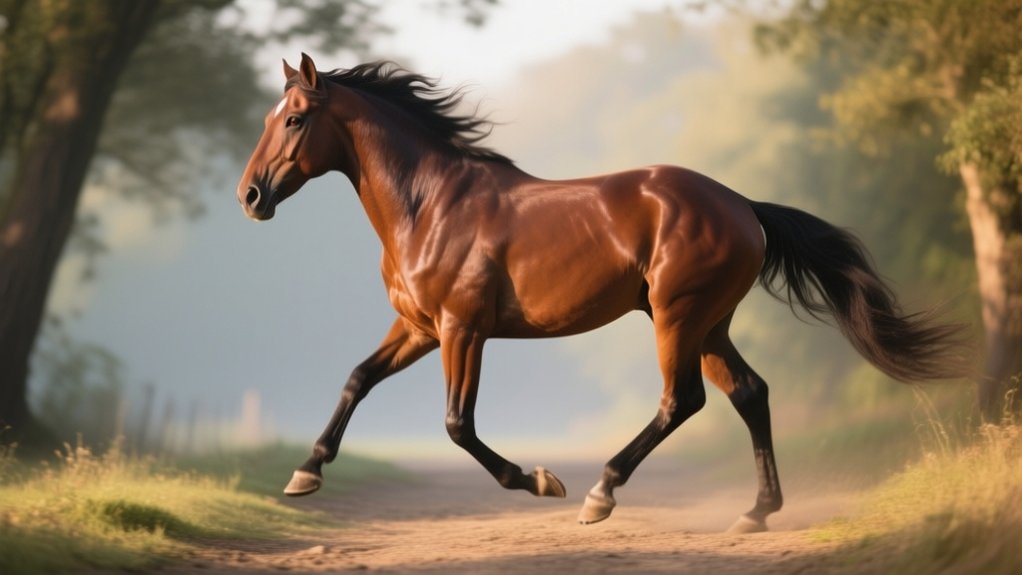
Morgan horses aren’t naturally gaited like some breeds, but a small percentage carry a special gene that lets them perform smooth, four-beat ambling gaits like the Fox Trot and Rack. These gaited Morgans combine the breed’s versatility with comfortable, fluid movement, thanks to targeted breeding and DNA testing.
While most Morgans stick to walk, trot, and canter, the gaited trait is rare and exciting. If you want to understand how genetics and training shape these unique gaits, there’s more to explore.
What Being Gaited Means for Gaited Morgans
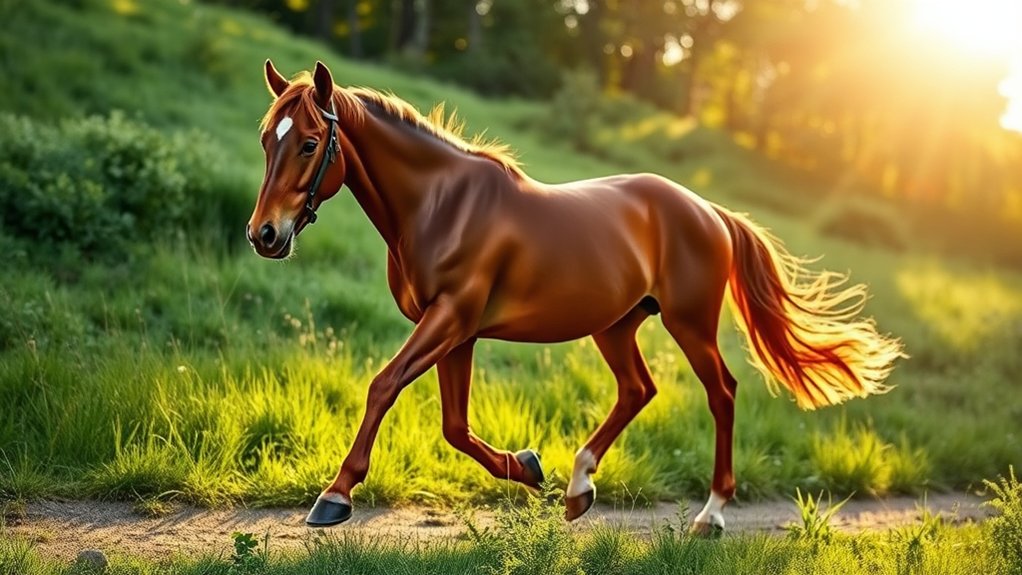
While not all Morgans naturally perform them, gaited Morgans can deliver smooth, four-beat ambling gaits beyond the typical walk, trot, and canter. This makes your ride considerably more comfortable.
These gaits, such as the Fox Trot, Running Walk, Rack, or Stepping Pace, provide a fluid motion that reduces jarring impacts.
This trait comes from selective breeding and genetic factors, including markers identified through DNA testing like SynchroGait Gene A. Not every Morgan carries this trait, but it shows up across various bloodlines.
Some breeders purposefully select for it to enhance smoothness and versatility.
Trainers look at gaited Morgans to see how well they perform these specific gaits. They want to ensure both comfort and performance.
Are Morgan Horses Naturally Gaited?
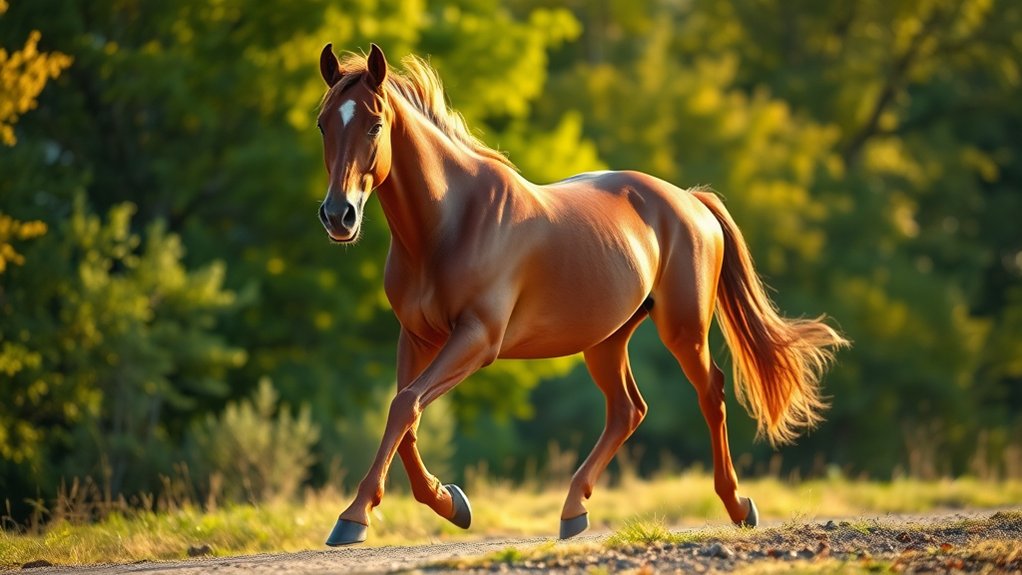
You’ll find that most Morgan horses naturally perform walk, trot, and canter gaits, rather than smooth, four-beat ambling gaits.
The gaited trait is pretty rare and usually tied to certain bloodlines that have been selected for this ability.
Gaited Trait Prevalence
How common is natural gaiting among Morgan horses? While gaited Morgans are uncommon, some individuals naturally display smooth, ambling gaits thanks to their genetics.
This trait isn’t confined to any specific bloodline but appears across the breed. However, it’s important to know that not all Morgans gait.
Only a select subset shows this ability.
You’ll find a small percentage of Morgans with natural gaiting tendencies. Gaited traits are found throughout all Morgan bloodlines.
Plus, modern breeding techniques, including DNA testing, help enhance these traits.
Bloodline Gait Distribution
Although gaited Morgan horses remain relatively rare, you can find individuals across various bloodlines that naturally exhibit smooth, single-footed gaits. This gaiting ability isn’t limited to specific pedigrees but appears sporadically throughout the breed.
Many gaited Morgans test as AA homozygous for the SynchroGait gene, which genetically predisposes them to these smooth gaits.
Selective breeding has played a key role in enhancing gait traits by focusing on smoothness and natural gait expression. However, it’s important to recognize that while some Morgans display these gaited characteristics, the breed as a whole is prized for its versatility, including both gaited and non-gaited movement styles.
Understanding this distribution helps clarify that gaited Morgans can emerge from diverse bloodline backgrounds. So, if you’re interested in a gaited Morgan, it’s worth exploring different lines since the trait isn’t confined to just a few pedigrees.
Natural Gait Expression
While not every Morgan horse naturally exhibits gaited movement, many do display smooth, four-beat ambling gaits like the rack or running walk. You’ll find that gaited traits in Morgans come down to more than just bloodlines. Individual variation plays a key role.
Breeders have long focused on enhancing these traits, using modern tools like DNA testing to identify and promote natural gait expression. Here’s what you should know about Morgan horses and their gaits:
- Many Morgans inherit smooth, comfortable gaits that make riding enjoyable and less jarring.
- Specific Morgan bloodlines are selectively bred to pass down these four-beat ambling gaits.
- Not all Morgans are gaited, so observing individual horses is essential to understanding their natural movement.
This mix of genetics and careful breeding explains why you’ll see both gaited and non-gaited Morgans.
Common Gaits Found in Gaited Morgans
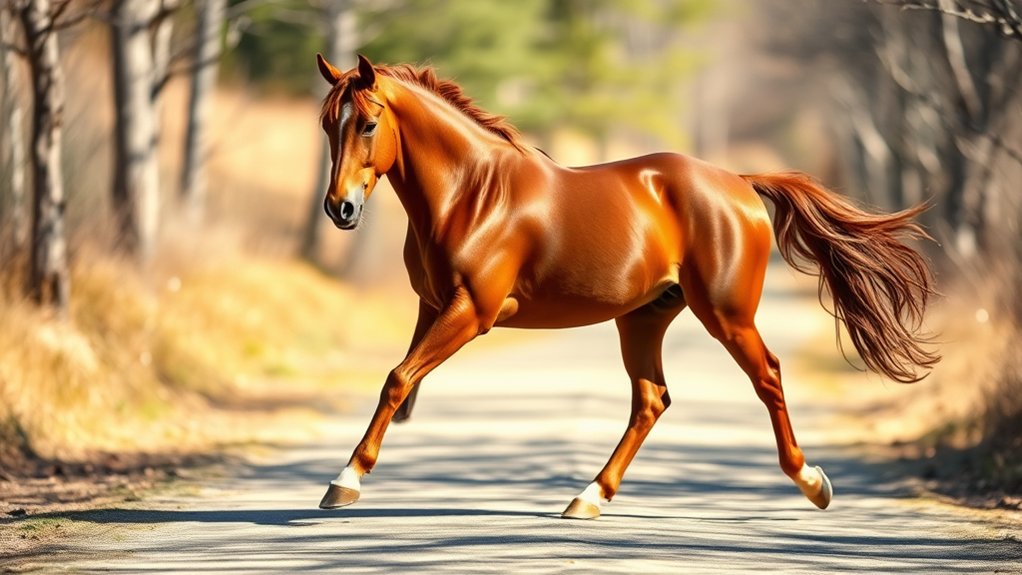
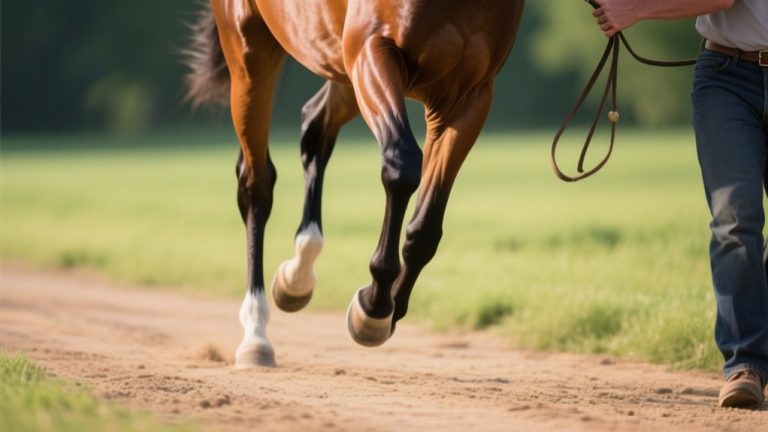
When you observe gaited Morgans, you’ll notice they can perform up to four distinct single-foot gaits: the Fox Trot, Running Walk, Rack, and Stepping Pace.
The Fox Trot features diagonal hoof movement where the front hoof lands just before the rear, creating a smooth, four-beat rhythm.
The Running Walk is a faster four-beat gait with hooves striking singly, providing an exceptionally smooth ride.
The Rack, a lateral gait, showcases high-stepping action with single-hoof contact, allowing for greater speed than the Running Walk.
Finally, the Stepping Pace is a broken, two-beat lateral gait where the hind hoof hits just before the front, producing a distinctive stepping motion.
These gaits highlight the versatility and smoothness typical of gaited Morgans.
How Gaited Morgans Differ From Other Breeds
If you’re comparing gaited Morgans to other breeds, you’ll notice they stand out for their smooth, four-beat ambling gaits like the rack or running walk, which aren’t typical of standard Morgan horses.
Unlike other gaited breeds, gaited Morgans are specifically bred using genetic testing to guarantee reliable gait consistency. Their unique combination of Morgan traits and natural gaiting ability creates a versatile horse.
Gaited Morgans use genetic testing to ensure consistent, natural gaiting combined with classic Morgan versatility.
Here’s how gaited Morgans differ from other breeds:
- They blend Morgan breed versatility with specialized gaiting, offering comfort and performance.
- Their gaiting traits are less common and selectively enhanced rather than breed-wide.
- They provide a smooth ride comparable to Missouri Fox Trotters or Tennessee Walking Horses but retain distinct Morgan characteristics.
This makes gaited Morgans a rare, refined option for riders seeking gait and versatility.
How Morgan Bloodlines Influence Gait
You’ll notice that gait traits show up across different Morgan families—they’re not just tied to one specific bloodline. Genetics definitely play a big part in how these horses move, but it’s not just about inheriting traits from a single lineage.
Instead, these movement patterns have been shaped over time through selective breeding. So, when you understand this, it’s easier to see how gaited Morgans stay versatile while still showing unique ways of moving.
Gait Traits Across Families
Although Morgan horses come from diverse bloodlines, gaited ability isn’t confined to any specific family within the breed. You’ll find gait traits appearing across the board, thanks to the breed’s rich genetic diversity. This means even Morgans from non-gaited lines can surprise you with smooth, comfortable four-beat gaits.
When evaluating gait traits, consider these key points:
- Gaited ability can surface in any Morgan, regardless of lineage, highlighting the breed’s versatility.
- Some non-gaited families may produce gaited offspring, so lineage alone doesn’t guarantee gait type.
- DNA testing, like the SynchroGait gene A test, helps identify gait potential beyond pedigree.
Genetic Influence On Movement
Because gaited Morgan horses carry specific genetic markers, understanding their bloodlines can help you predict their movement abilities more accurately. These horses often possess the SynchroGait Gene A, which you can identify through DNA testing.
If a Morgan is homozygous AA for this gene, it guarantees consistent and smooth gait performance.
Breeders focus on selecting mares and stallions with these desirable gaited traits to reinforce the trait in future generations. While gaiting ability isn’t confined to a single bloodline, the genetic factors influencing it are reliably detectable, making informed breeding decisions possible.
Breeding Practices That Shape Gaited Morgans
When you want to develop consistent gait traits in Morgan horses, the process starts in the breeding shed. Breeders use selective mating of gaited bloodlines and integrate DNA testing, such as the SynchroGait Gene A test, to guarantee offspring inherit smooth, four-beat gaits.
To help you understand, here are three key breeding practices that shape gaited Morgans:
- Selective Breeding: Pairing horses confirmed as AA homozygous for gait ensures predictable gaited traits.
- Expert Analysis: Specialists like Brenda Imus evaluate conformation and gait potential before mating decisions.
- Genetic Testing: Using DNA tests removes guesswork and secures consistent gait expression.
Modern Uses and Competitions for Gaited Morgans
As gaited Morgans continue gaining recognition, you’ll find them competing in specialized classes outlined in the USEF/Morgan rulebook. These classes highlight their smooth, natural gaits and versatility.
You can also see gaited Morgans excel in pleasure trail rides, endurance events, and competitive trail rides, where their effortless movement and stamina stand out.
Beyond competition, cattle ranchers rely on gaited Morgans for work due to their durable build and efficient, comfortable gait. This reduces rider fatigue over long hours, making them a practical choice.
If you’re interested in national recognition, gaited Morgans can earn awards in show classes specifically for their gait quality. Organizations like the Gaited Morgan Horse Organization actively promote these horses across a variety of disciplines.
This helps ensure the breed’s continued success in both competitive and recreational settings.
Resources for Gaited Morgan Horses
Although gaited Morgan horses have gained popularity, finding reliable resources is essential to fully understand and support the breed. You’ll want to connect with trusted organizations and communities that focus on gaited Morgans to guarantee accurate information and support.
Connecting with trusted gaited Morgan communities ensures accurate information and meaningful support for this popular breed.
Here are three key resources to guide you:
- The Gaited Morgan Horse Organization offers expert advice, educational materials, and community support.
- Jellico Gaited Morgans provides videos, breeding stock, and sales listings focused on gait demonstration and preservation.
- Online platforms, including Facebook groups and dedicated websites, foster engagement and share up-to-date knowledge about gaited Morgan horses.
Additionally, US Equestrian’s judging rules help standardize competitions, while breeding practices like DNA testing ensure gait consistency. Use these resources to deepen your understanding and care for gaited Morgans.
Frequently Asked Questions
What Is the Average Lifespan of a Morgan Horse?
The average lifespan of a Morgan horse is over 30 years. With proper care, including good nutrition and regular vet visits, you can expect your Morgan to live into its mid- to late-30s. Sometimes, they even live beyond 35 years.
Taking good care of your horse really makes a difference. It’s all about giving them the right food, keeping up with check-ups, and making sure they get plenty of exercise. When you do that, your Morgan can enjoy a long, healthy life.
How Much Does a Morgan Horse Typically Cost?
Wondering how much a Morgan horse typically costs? You’ll find prices usually range from $3,000 to $10,000. But well-trained or gaited Morgans can exceed $15,000, depending on training, pedigree, and location.
What Are Common Health Issues in Morgan Horses?
You’ll find Morgans prone to genetic issues like cerebellar abiotrophy and respiratory heaves. Aging horses often face osteoarthritis, while skin conditions and dental problems need monitoring.
Regular vet care and a good diet keep them healthy and strong. It’s all about staying on top of these common concerns to help your Morgan thrive.
How Do You Groom a Morgan Horse Properly?
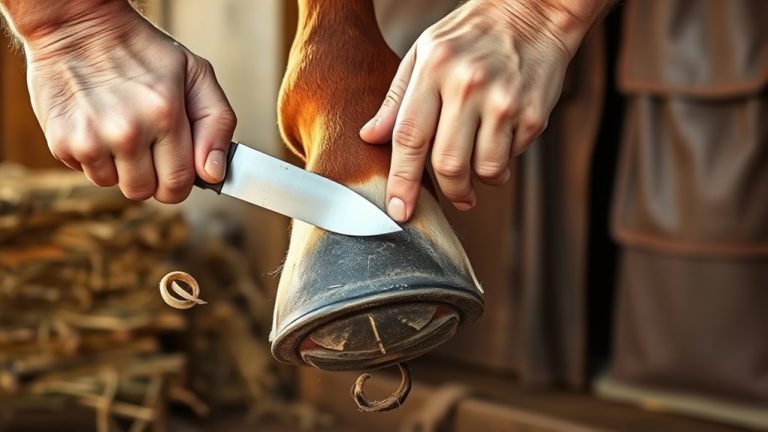
You groom a Morgan horse by currying its coat to loosen dirt. Then, brush thoroughly to get everything off. Cleaning the hooves daily with a pick is a must.
Don’t forget to wipe the face gently so it stays clean without irritation. Regularly detangle the mane and tail too. This keeps them healthy and looking tidy.
What Is the Temperament of Morgan Horses Like?
You’ll find Morgan horses friendly, intelligent, and willing, with a calm, gentle nature. They’re energetic yet cooperative, making them easy to train and handle.
Their loyal, courageous temperament suits riders of all experience levels.
Conclusion
If you’re seeking a horse that blends versatility with smooth movement, gaited Morgans might just be your perfect match. Their unique gaits aren’t magic, they’re the result of thoughtful breeding and rich bloodlines. Imagine the harmony of tradition and performance in every stride.
So, whether you’re riding for pleasure or competition, understanding gaited Morgans opens the door to a world where grace meets function in every step. Ready to explore further?