Will Pasturing Horses Reduce Stable Vices: Benefits, Management, and Best Practices
Stable vices such as cribbing, weaving, and stall walking are common behavioral issues in horses, often linked to boredom, stress, and limited movement. Pasturing provides horses with a natural environment where they can graze, socialize, and move freely, offering both mental stimulation and physical activity. Understanding will pasturing horses reduce stable vices helps horse owners make informed decisions about management strategies that improve behavior and overall wellbeing.
Regular turnout in a pasture allows horses to engage in instinctive behaviors, relieving tension and reducing frustration caused by confinement. Beyond behavior, pasturing also promotes digestive health, strengthens muscles, and enhances overall fitness. Observing how horses respond to extended pasture time can provide insights into the effectiveness of this approach in minimizing undesirable behaviors, making it a practical consideration for maintaining happier, healthier, and more content horses.
How Pasturing Impacts Horse Behavior
Pasturing offers horses the opportunity to move freely, socialize, and engage in natural behaviors, which can significantly influence their overall temperament and mental wellbeing. Horses confined to stalls often develop stress-related behaviors, while access to pasture allows them to satisfy grazing instincts, interact with herd mates, and exercise voluntarily. Understanding how pasturing impacts horse behavior helps owners implement management strategies that reduce stress, improve mental health, and minimize the development of stable vices. Regular turnout supports both physical and psychological health.
Reduction Of Stress-Related Behaviors
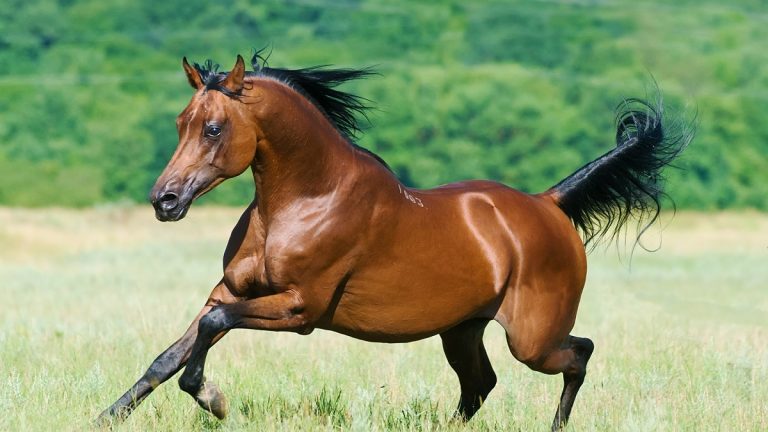
Horses kept in stalls for extended periods often develop stress-related behaviors such as cribbing, weaving, and stall walking. These behaviors arise from boredom, lack of movement, and social isolation. Pasturing provides horses with freedom to move and graze at will, which naturally reduces tension and allows them to express normal behaviors. Movement in a pasture stimulates circulation, supports joint health, and engages muscles that remain underused in confined spaces.
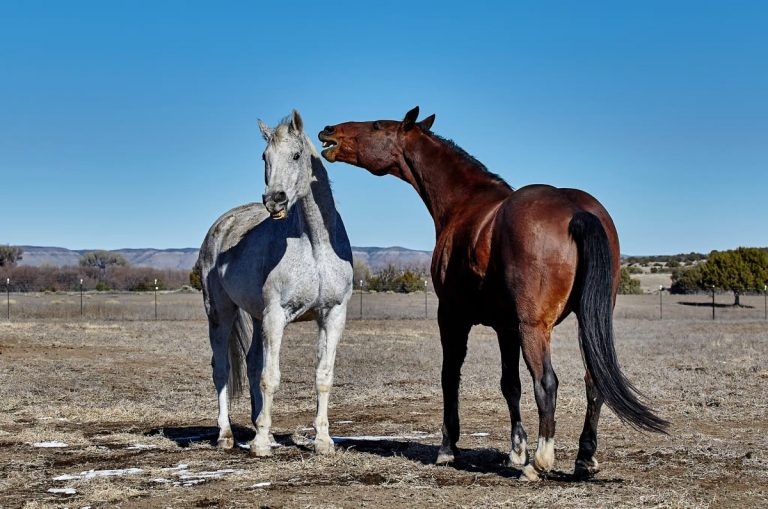
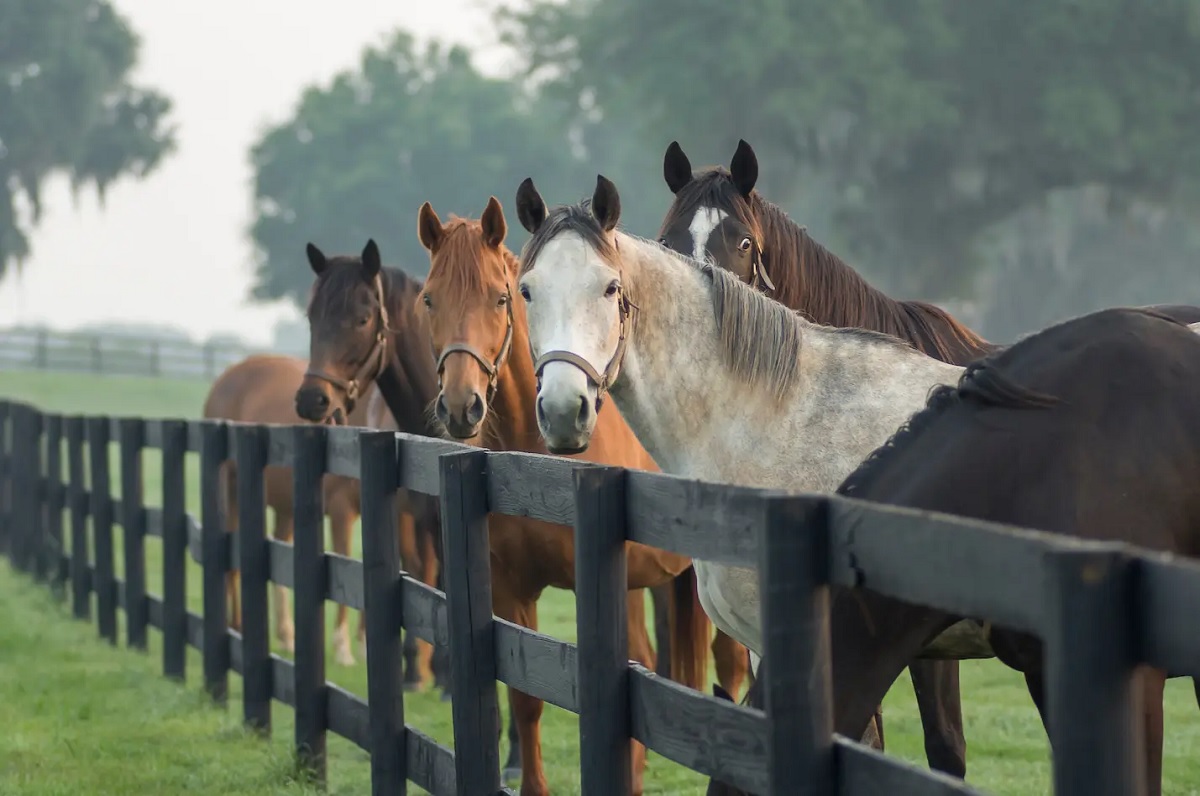
Social interaction is another key factor. Horses are herd animals, and pasturing allows them to establish social bonds, communicate, and maintain a stable social hierarchy. This interaction reduces anxiety and promotes a sense of security, lowering the likelihood of frustration-driven vices. Horses that spend more time outdoors in a dynamic environment tend to exhibit calmer, more relaxed behavior when returned to stalls, demonstrating that pasture access directly contributes to improved mental wellbeing.
Encouragement Of Natural Foraging And Grazing Patterns
Access to pasture allows horses to graze for several hours a day, encouraging natural foraging behaviors that help maintain digestive health and reduce stress. Constant access to forage prevents long periods without food, which can trigger nervous habits such as cribbing. When horses are engaged in grazing, their attention is focused on a productive activity rather than repetitive or destructive behaviors.
The ability to move and forage simultaneously supports both physical and mental health. Walking, trotting, and exploring a pasture stimulate circulation and strengthen muscles, while grazing satisfies their instinctual need to nibble throughout the day. This combination of movement and mental engagement reduces boredom and frustration, key contributors to stable vices. Pasturing provides a natural outlet for energy, offering horses a healthier lifestyle that aligns with their behavioral and physiological needs.
Social Interaction And Mental Stimulation
Pasturing gives horses the chance to interact with herd mates, which is crucial for mental stimulation and behavioral development. Horses learn to communicate, establish social hierarchies, and engage in cooperative behaviors that are impossible in isolation. This social exposure reduces anxiety and fosters a sense of safety, minimizing stress-related habits that can develop in confined spaces.
Environmental enrichment in a pasture, such as varied terrain, obstacles, and natural forage, further engages horses mentally. Exploration and problem-solving in a natural environment provide challenges that stimulate curiosity and reduce boredom. Horses kept on pasture often display fewer repetitive behaviors and show improved focus, temperament, and contentment. By allowing horses to live in a more natural setting, pasturing directly contributes to improved behavior and reduces the likelihood of stable vices developing or persisting.
Common Stable Vices Reduced By Pasturing
Stable vices are repetitive, unwanted behaviors that often develop due to confinement, boredom, or stress. Providing horses with access to pasture can significantly reduce the occurrence of these behaviors by offering mental stimulation, freedom of movement, and social interaction. Understanding which stable vices are most affected by pasturing helps owners create management strategies that improve overall horse welfare. Turnout time in a natural environment allows horses to engage in instinctive behaviors, promoting calmer temperaments and healthier routines.
Cribbing And Wood Chewing
Cribbing, or wind-sucking, is a common stable vice where horses grasp a solid object with their teeth and inhale air. This behavior is often linked to stress, boredom, and lack of movement. Pasturing provides horses with continuous access to forage, satisfying their natural grazing instincts and reducing the need for oral stimulation through cribbing. When horses can graze freely, they remain occupied for extended periods, lowering the desire to engage in destructive oral behaviors.
Wood chewing is another oral vice often linked to confinement and lack of stimulation. Pasture access allows horses to interact with a dynamic environment, engage in natural foraging, and chew grass instead of stall materials. Social interaction within a herd also provides mental enrichment, further decreasing stress-driven oral habits. By addressing both physical and psychological needs, pasturing helps reduce cribbing and wood-chewing behaviors, contributing to healthier, calmer horses.
Weaving And Stall Walking
Weaving, where a horse rocks back and forth repetitively, and stall walking are stress-related behaviors caused by confinement, isolation, or lack of mental stimulation. Pasturing offers horses the ability to move freely and express natural locomotion, which reduces the energy and frustration that often manifest as weaving or pacing in a stall. Regular turnout provides a mental break from the limitations of confinement, helping horses release tension in a productive and natural way.
Movement in the pasture strengthens muscles, improves circulation, and promotes joint health, which further discourages stall-bound repetitive behaviors. Social interaction with other horses also helps satisfy instinctual herd behaviors, decreasing anxiety and the desire to pace or rock in stalls. Horses with consistent pasture access often return to stalls calmer and more relaxed, demonstrating that turnout is an effective method to mitigate weaving and stall walking over time.
Pawing And Bedding Destruction
Pawing is a common stable vice caused by impatience, boredom, or stress. Horses confined for long periods may paw at the floor, causing damage to bedding and stalls. Pasturing provides a natural outlet for movement and exploration, reducing frustration and the tendency to paw. Grazing and roaming keep horses occupied and mentally engaged, minimizing the energy that leads to destructive behaviors in stalls.
Bedding destruction often occurs when horses are confined with limited mental stimulation. By turning horses out to pasture, owners give them a dynamic environment that encourages natural behaviors, such as grazing, walking, and interacting with other horses. This engagement reduces boredom and the inclination to dig, paw, or chew bedding materials. Regular pasture access addresses the underlying causes of these vices, promoting calmer, more content horses while preserving stall integrity and creating a healthier living environment.
Factors That Affect Effectiveness
The success of pasturing in reducing stable vices depends on several key factors that influence a horse’s behavior and overall wellbeing. While turnout provides freedom and mental stimulation, the effectiveness varies based on herd dynamics, pasture quality, turnout duration, and individual horse temperament. Understanding these factors helps owners tailor pasturing strategies to maximize behavioral benefits, minimize stress, and improve overall health. Thoughtful management ensures that pasturing is a practical and effective tool for reducing undesirable stable behaviors.
Herd Dynamics And Social Structure
The composition and stability of the herd play a significant role in how effectively pasturing reduces stable vices. Horses are social animals, and proper interaction within a herd promotes mental stimulation and reduces stress. A well-balanced herd with compatible personalities encourages natural behaviors such as grazing, mutual grooming, and movement, which help prevent boredom-related behaviors like cribbing or weaving.
Conversely, introducing incompatible horses or frequently changing the group can create tension, aggression, or anxiety, reducing the positive effects of turnout. Dominant horses may restrict access to food or space, leading to frustration in more submissive individuals. Observing herd interactions and managing group stability ensures that each horse benefits from social engagement. By carefully considering herd dynamics, you can maximize the behavioral benefits of pasturing and provide a safe, enriched environment that discourages stable vices.
Pasture Quality And Environmental Enrichment
The quality and characteristics of the pasture significantly impact how effectively it reduces stable vices. Nutrient-rich forage encourages prolonged grazing, which occupies the horse both physically and mentally, reducing boredom and stress. A varied environment with natural features such as trees, slight elevation changes, or obstacles can further stimulate movement and exploration, promoting overall wellbeing.
Poor-quality pasture with limited forage or lack of space may not provide sufficient engagement, potentially leading to frustration or the persistence of undesirable behaviors. Rotational grazing, maintaining adequate forage, and providing shade or shelter enhance turnout effectiveness. By ensuring a high-quality, stimulating environment, owners can support natural behaviors, satisfy nutritional and behavioral needs, and increase the overall success of pasturing as a strategy to minimize stable vices.
Turnout Duration And Individual Temperament
The length of time a horse spends on pasture and its individual personality traits influence the success of turnout in reducing stable vices. Longer turnout periods allow horses to engage in natural behaviors, socialize, and expend excess energy, decreasing the likelihood of developing stress-related habits. Short or inconsistent turnout may limit these benefits, leaving horses bored and frustrated.
Individual temperament also plays a role. Some horses are naturally more anxious or excitable, requiring careful management and gradual introduction to pasture. Others may adapt quickly and benefit greatly from extended turnout. Observing how each horse reacts to pasture time, adjusting duration, and monitoring behavior ensures maximum effectiveness. Matching turnout schedules to both the environment and the horse’s personality supports better mental health, reduces stress, and decreases the frequency of stable vices.
Management Strategies For Pasturing
Effective pasturing requires careful planning and management to maximize benefits and ensure horse safety. Proper strategies involve monitoring pasture quality, managing herd dynamics, providing adequate turnout time, and considering individual horse needs. By implementing structured pasturing practices, owners can reduce stress, prevent stable vices, and promote natural behaviors. Thoughtful management also protects the pasture environment, supports nutritional needs, and maintains overall horse wellbeing, creating a balanced approach to turnout that benefits both horses and their living conditions.
Monitoring Pasture Quality And Maintenance
Maintaining high-quality pasture is essential for successful turnout. Regularly inspect pastures for toxic plants, overgrazed areas, and uneven terrain to prevent injuries and digestive issues. Rotational grazing is a key strategy, allowing forage to regenerate and preventing soil compaction while providing fresh grazing areas. Adequate grass height and density ensure horses have consistent access to nutritious forage, supporting natural grazing patterns and reducing boredom-related behaviors.
Providing shelter, shade, and clean water is equally important, especially during extreme weather conditions. Well-maintained pastures encourage movement, exploration, and social interaction while reducing frustration and stress. Monitoring pasture quality also includes soil testing and occasional supplementation to maintain nutrient balance. By keeping the pasture safe, abundant, and stimulating, owners create an environment that enhances mental wellbeing and supports healthy behavioral expression.
Managing Herd Dynamics And Turnout Schedules
Herd management is crucial for safe and effective pasturing. Stable social groups with compatible personalities minimize aggression and stress, allowing horses to graze, play, and interact naturally. Introducing new horses gradually and observing their interactions helps prevent dominance-related disputes and ensures all horses can access forage and water without restriction.
Turnout schedules should align with the horse’s workload, temperament, and daily routine. Longer turnout periods allow for more natural behavior, while consistent daily access reduces stress and helps mitigate stable vices. For anxious or excitable horses, gradual introduction to pasture and careful monitoring improve adaptation. By balancing herd composition with appropriate turnout duration, owners can foster a calm, productive environment that promotes both physical activity and mental stimulation.
Tailoring Strategies To Individual Needs
Each horse has unique requirements that affect how they respond to pasture. Age, workload, body condition, and temperament determine the ideal duration, forage availability, and social grouping for turnout. Younger horses or performance animals may need more time on pasture to expend energy and develop muscles, while easy keepers might require controlled grazing to prevent weight gain.
Observing individual behaviors helps identify horses that may need extra attention, such as separating overly dominant or anxious animals or providing additional supplements to meet nutritional demands. Adjusting pasture access based on health, stress levels, or seasonal changes ensures that turnout remains beneficial without causing harm. Personalized management strategies optimize pasture use, maintain horse wellbeing, and effectively reduce the occurrence of stable vices.
Frequently Asked Questions
Will Pasturing Horses Reduce Stable Vices?
Pasturing horses often reduces stable vices by providing freedom, movement, and mental stimulation. Horses confined to stalls develop behaviors such as cribbing, weaving, or stall walking due to boredom and stress. When turned out to pasture, they can graze, move naturally, and interact socially, which relieves tension and redirects energy. While pasturing may not eliminate all vices entirely, regular turnout helps decrease their frequency and intensity. By observing how your horse responds to pasture access, you can create a management plan that supports calmer behavior and improved overall wellbeing.
How Much Pasture Time Is Needed To Reduce Stable Vices?
The amount of pasture time required varies based on your horse’s temperament, workload, and herd dynamics. Generally, several hours of daily turnout provide significant behavioral benefits. Longer, consistent pasture access encourages grazing, social interaction, and movement, which reduce stress and repetitive stall behaviors. Horses with severe vices may need gradual increases in turnout to adapt safely. Monitoring your horse’s energy levels, manure consistency, and interactions with herd mates helps determine the optimal pasture duration for minimizing stable vices while maintaining physical and mental health.
Do All Horses Benefit Equally From Pasturing?
Not all horses respond the same way to pasture access. While most benefit from increased movement and social interaction, horses with anxious or excitable temperaments may need careful introduction. Dominant horses may restrict access to forage or space for submissive herd members, affecting the overall benefit. Age, workload, and prior confinement also influence outcomes. By observing each horse’s behavior and adjusting turnout time, pasture size, and herd composition, you can maximize the positive effects. Tailoring pasture management ensures that every horse receives mental stimulation, reduces stress, and minimizes the risk of developing or maintaining stable vices.
Can Pasturing Completely Eliminate Cribbing Or Weaving?
Pasturing can reduce the frequency and severity of cribbing or weaving, but it may not completely eliminate these behaviors. Horses that have developed long-term habits may continue under certain conditions. Regular turnout provides mental stimulation and encourages natural grazing and movement, which often decreases stress-driven behaviors. Combining pasture access with environmental enrichment, proper diet, and management of stall time increases effectiveness. Observing your horse’s responses and gradually extending pasture access can significantly improve behavior, making cribbing and weaving less frequent and less intense over time.
How Does Herd Interaction Affect Stable Vices?
Horses are social animals, and herd interaction plays a vital role in reducing stable vices. Turnout in compatible groups encourages natural behaviors such as grazing, mutual grooming, and movement, which relieve boredom and stress. Positive social engagement reduces frustration, aggression, and repetitive behaviors like stall walking or cribbing. Conversely, poor herd dynamics or incompatible horses may increase tension and counteract the benefits of pasturing. Carefully managing herd composition and monitoring interactions ensures that pasture time provides mental stimulation, encourages healthy social behavior, and effectively reduces the occurrence of stable vices.
Are There Any Risks Associated With Pasturing Horses To Reduce Vices?
While pasturing has many behavioral benefits, it carries potential risks that must be managed. Horses may encounter injuries from uneven terrain, overexertion, or conflicts with herd mates. Overgrazing or poor pasture management can also affect nutrition. Horses prone to obesity may gain weight if forage is abundant. To maximize benefits and minimize risks, monitor pasture quality, herd dynamics, turnout duration, and individual horse needs. Proper management ensures horses receive mental stimulation, natural movement, and social interaction while reducing stable vices safely and effectively.
Final Thoughts
Providing horses with regular pasture access often leads to noticeable improvements in behavior and overall well-being. You see that increased movement, natural grazing, and social interaction help alleviate boredom and stress, which are major contributors to stable vices. While not every horse will completely stop habits like cribbing, weaving, or stall walking, thoughtful management of turnout time, pasture size, and herd dynamics significantly reduces their frequency.
Monitoring individual responses, ensuring adequate forage, and combining pasturing with enrichment or training further supports positive outcomes. By understanding your horse’s needs and adjusting management practices accordingly, you can create an environment that promotes mental and physical health. Considering all these factors, you can realistically expect that will pasturing horses reduce stable vices, improving both their behavior and quality of life while fostering a calmer, healthier, and more content horse.