How Much Grain To Feed A Horse Per Day? Guidelines, Calculations, and Tips
Feeding a horse the right amount of grain is essential for maintaining its health, energy levels, and performance. Grain provides concentrated energy, protein, and essential nutrients that complement forage, supporting growth, activity, and overall well-being. Understanding proper feeding practices helps you avoid overfeeding, which can lead to digestive issues, or underfeeding, which can affect stamina and weight.
Determining how much grain to feed a horse per day depends on several factors, including the horse’s age, weight, activity level, and overall diet. Young or growing horses, as well as those in heavy training, generally require more grain to meet their energy needs. Mature horses at maintenance levels may need only minimal amounts, as their forage intake supplies most of the required nutrients.
The type and quality of grain also influence daily amounts. Concentrated feeds with added vitamins and minerals may reduce the need for additional supplements, whereas plain grains may require careful balancing with hay and pasture.
Monitoring body condition, energy levels, and digestive health is key to adjusting feeding routines. Knowing how much grain to feed a horse per day allows you to provide balanced nutrition safely and effectively, ensuring your horse remains healthy and active.
actors Influencing Grain Amount
Determining the right grain amount for a horse requires considering multiple factors that affect its energy requirements, health, and performance. Feeding too much or too little grain can cause digestive problems, weight fluctuations, and reduced stamina. Understanding these influencing factors helps owners and riders provide a balanced diet that meets nutritional needs safely and efficiently.
Age and Growth Stage
The age and growth stage of a horse significantly influence how much grain is required. Foals and young horses need nutrient-dense feeds to support rapid growth and skeletal development. Their diets often include grains with higher protein content and fortified vitamins and minerals to prevent deficiencies.
Mature horses in maintenance typically require smaller amounts of grain since most of their energy needs are met through forage. Performance horses, regardless of age, often need additional grain to sustain energy for training and competition. Senior horses may have special requirements due to reduced digestive efficiency or dental issues, sometimes necessitating softer, more digestible grains or supplements.
Understanding the horse’s developmental stage ensures appropriate portioning. Overfeeding young horses can lead to developmental bone disorders, while underfeeding reduces growth and energy levels. Tailoring grain amounts to age and growth stage promotes health, proper development, and longevity.
Activity Level and Workload
A horse’s activity level directly impacts its daily grain requirements. Horses engaged in light riding or pasture exercise need significantly less grain than those involved in intense training, jumping, or racing. High-performance horses burn more calories and require additional energy-dense grains to maintain body condition and stamina.
The type and duration of work also matter. Short, low-intensity rides may only require supplemental grain, whereas long sessions or frequent competitions demand higher quantities of energy-rich feed. Monitoring body condition, weight, and performance helps adjust grain intake to match workload, preventing overfeeding or underfeeding.
Activity fluctuations due to seasonal training or competition schedules also influence daily grain amounts. Gradually adjusting feed based on workload ensures proper energy balance and supports optimal performance without causing digestive upset or unnecessary weight gain.
Body Weight and Condition
A horse’s body weight and overall condition play a crucial role in determining grain amounts. Heavier horses or those prone to weight loss may need more grain to maintain energy and body condition. Conversely, overweight horses require reduced grain intake to prevent obesity and related health issues.
Regularly assessing body condition, such as using the body condition scoring system, allows owners to adjust grain portions according to energy needs. Proper monitoring ensures horses maintain a healthy weight while meeting nutritional requirements. Sudden changes in weight, whether gain or loss, may indicate the need to reevaluate feeding practices or consult a veterinarian.
Balancing grain with forage intake is essential. Forage provides fiber and bulk, reducing the need for excessive grain while promoting digestive health. By considering weight and condition, owners can optimize nutrition, maintain healthy energy levels, and reduce the risk of metabolic or gastrointestinal problems.
Type and Quality of Grain
The type and quality of grain fed also affect daily amounts. Energy-dense grains, such as corn or commercial concentrates, may require smaller portions than lower-calorie options like oats. Nutrient-rich grains often contain added vitamins, minerals, and protein, which can reduce the need for additional supplements.
Poor-quality grains or those low in digestible energy may require larger amounts to meet energy requirements, increasing costs and potential digestive stress. High-quality grains not only provide more energy per pound but also improve digestibility, support performance, and reduce the risk of colic or other digestive disturbances.
Understanding the nutritional profile of each grain type ensures accurate portioning and a balanced diet. Combining high-quality grain with forage and appropriate supplements allows owners to meet energy and nutrient needs while maintaining safety and cost efficiency.
Health Status and Special Needs
A horse’s health can influence how much grain it requires. Digestive issues, metabolic conditions, or dental problems may necessitate softer, easier-to-digest grains or smaller, more frequent feedings. Horses recovering from illness or injury often need increased calories to regain weight and maintain energy.
Certain conditions, like insulin resistance or obesity, require careful monitoring and restricted grain intake to prevent health complications. Supplements or fortified grains may be necessary to address deficiencies without increasing bulk, providing targeted nutrition while accommodating health concerns.
Regular veterinary check-ups and close observation allow adjustments in grain feeding according to changing health needs. By aligning grain amounts with health status, you ensure proper nutrition, maintain energy levels, and prevent feeding-related health issues.
Types of Grain and Their Nutritional Value
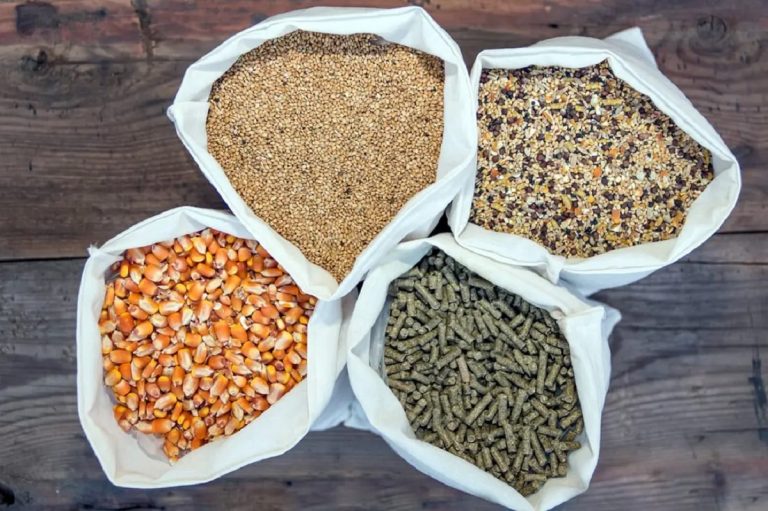
Grains are an important part of a horse’s diet, supplying concentrated energy, protein, and essential nutrients that forage alone may not provide. Different grains offer varying nutritional profiles, which affect how much to feed and the overall health of your horse. Understanding the types of grain and their nutritional content helps you create a balanced feeding program tailored to your horse’s needs.
Oats
Oats are one of the most commonly fed grains to horses due to their digestibility and moderate energy content. They provide a good balance of carbohydrates and fiber, making them ideal for horses with moderate activity levels. Oats are slower to digest compared to corn, reducing the risk of digestive upset and colic.
Nutritionally, oats contain protein, B vitamins, and essential minerals such as manganese and phosphorus. They are suitable for young horses, broodmares, and performance horses needing sustained energy without excessive calorie intake. Oats also complement hay-based diets, supplying energy while maintaining digestive health.
Oats are relatively safe for overweight or easy-keeping horses because their caloric density is lower than corn or barley. However, portion control is essential, as excessive amounts can still lead to weight gain or digestive problems. Feeding oats with soaked hay or mixed grains ensures a balanced intake of nutrients.
Oats are versatile and can be fed whole, rolled, or crimped. Rolling or crimping improves digestibility, particularly for older horses or those with dental issues. Overall, oats are a reliable, moderate-energy grain suitable for many types of horses.
Corn
Corn is a high-energy grain commonly used for horses requiring extra calories, such as performance or hard-working animals. It is dense in carbohydrates and provides rapid energy, which is useful during intense training, competition, or cold weather when horses need additional calories to maintain weight.
Nutritionally, corn is rich in starch but relatively low in fiber, making it highly digestible. It also contains some protein, essential fatty acids, and vitamins like thiamine and niacin. Because of its energy density, corn should be fed in moderation, divided into smaller meals to prevent digestive upset or colic.
Corn is less suitable for easy-keeping horses or those prone to obesity because even small amounts provide a significant number of calories. Pairing corn with fiber-rich forage helps slow digestion and reduces the risk of gastrointestinal issues. Feeding strategies may include mixing corn with oats or commercial concentrates to balance energy and nutrient intake.
When introducing corn into a horse’s diet, gradual increases are essential to prevent sudden starch overload, which can disrupt gut flora. Overall, corn is a powerful energy source when managed carefully.
Barley
Barley is another energy-rich grain, slightly lower in starch than corn but higher than oats, making it a middle-ground option for horses needing supplemental calories. It is often used in performance horse diets to provide sustained energy over longer periods.
Nutritionally, barley contains carbohydrates, moderate protein, and essential minerals such as magnesium, phosphorus, and selenium. It also provides B vitamins, supporting metabolism and overall health. Barley is best processed, either rolled or crushed, to improve digestibility and reduce the risk of choking or digestive disturbances.
Barley’s energy profile makes it suitable for horses in light to moderate work who require extra calories but cannot tolerate high-corn diets. Feeding it with adequate forage ensures a balanced intake and supports healthy digestion. Overfeeding can lead to weight gain or digestive issues, so careful portion control is essential.
Like other grains, barley should be introduced gradually and monitored for tolerance. When combined with oats or commercial pelleted feeds, barley contributes to a nutritionally balanced diet that meets energy needs without overloading the digestive system.
Commercial Concentrates and Mixed Grains
Commercial concentrates and mixed grains combine several types of grains with added vitamins, minerals, and sometimes probiotics or digestive aids. These products are designed to meet the nutritional requirements of horses at various life stages, activity levels, or performance needs.
Nutritionally, commercial feeds offer consistent energy content, protein, and essential minerals like calcium, phosphorus, and selenium. They reduce the need for additional supplements and simplify feeding routines. Many concentrates are formulated to support growth, reproduction, performance, or senior horse health.
Mixed grains or pelleted feeds are convenient for owners managing multiple horses, as they provide a complete, balanced diet in a controlled portion. They also help prevent selective feeding, where horses pick out preferred grains and leave essential nutrients behind.
While commercial concentrates may cost more than individual grains, they offer reliable nutrition and reduce the risk of deficiencies or overfeeding. Feeding programs can be tailored based on the horse’s weight, age, workload, and health, ensuring energy and nutrient needs are met efficiently.
Daily Grain Feeding Guidelines
Grain is an essential part of a horse’s diet, providing concentrated energy, protein, and nutrients that complement forage. Proper daily feeding guidelines help maintain health, prevent digestive issues, and ensure sufficient energy for growth, maintenance, or performance. Understanding portion sizes, feeding frequency, and adjustments for individual needs allows owners to feed safely and effectively.
Determining Daily Amounts
The amount of grain to feed a horse daily depends on its weight, age, activity level, and overall diet. As a general rule, grains should not exceed 50% of the total daily caloric intake, with the remainder coming from forage such as hay or pasture. Horses in light work may need only small portions, while performance or working horses require higher energy intake.
For example, a 1,000-pound horse in maintenance might consume 2–4 pounds of grain per day, whereas the same horse in moderate to heavy work may require 5–8 pounds or more. Dividing the total daily amount into multiple feedings helps reduce the risk of colic, digestive upset, or rapid starch overload.
Adjusting grain amounts based on body condition, weight changes, and energy needs ensures that horses receive sufficient nutrition without gaining excess weight. Regular monitoring is essential to maintain balance between energy intake and expenditure.
Feeding Frequency and Scheduling
Feeding frequency significantly affects digestion and health. Horses are designed to eat small amounts frequently, so splitting daily grain into two or three feedings is recommended. This practice prevents large, single meals that can overwhelm the digestive system and cause colic or laminitis.
Consistency is key. Feeding at the same times each day helps regulate the digestive system and reduces stress or anxiety in horses. For performance horses, feeding small portions before and after training can support energy levels and recovery.
Timing also depends on forage availability. Grain should complement hay or pasture, not replace it entirely. Feeding grain after hay allows the fiber to buffer starch digestion, promoting better nutrient absorption and reducing gastrointestinal risks.
Special Considerations for Young and Senior Horses
Young, growing horses need nutrient-dense grains with higher protein and vitamins to support skeletal development and muscle growth. Portion sizes should be carefully monitored to prevent overfeeding, which can cause developmental bone disorders. Smaller, frequent meals are ideal for young horses to maintain digestive comfort.
Senior horses may have dental issues or decreased digestive efficiency, requiring softer, more digestible grains or soaked feeds. Supplements may be added to provide essential vitamins and minerals that may be lacking in regular forage or grain. Adjusting grain texture, frequency, and amount ensures older horses meet their energy needs without digestive strain.
Monitoring growth, body condition, and health in young and senior horses helps tailor daily grain intake, ensuring appropriate energy and nutrient balance throughout all life stages.
Monitoring and Adjusting Intake
Regular monitoring is essential to ensure daily grain feeding meets a horse’s nutritional needs. Body condition scoring, weight checks, and observation of energy levels provide insight into whether grain amounts should be increased, decreased, or maintained.
Environmental factors, seasonal changes, and workload fluctuations may require adjustments to feeding routines. For instance, horses may need more grain during winter months when pasture is scarce or during periods of increased training intensity.
Using a structured feeding plan that combines careful portioning, frequent feedings, and ongoing monitoring ensures horses maintain healthy weight, energy levels, and digestive function. Adjustments based on observed needs optimize nutrition while minimizing waste and preventing overfeeding.
Combining Grain with Forage
A balanced horse diet relies on both grain and forage to meet energy, protein, fiber, and micronutrient requirements. Grain provides concentrated energy and nutrients, while forage supplies essential fiber and supports digestive health. Combining the two properly ensures horses receive optimal nutrition, maintain healthy weight, and avoid digestive disturbances such as colic or laminitis.
Importance of Forage in the Diet
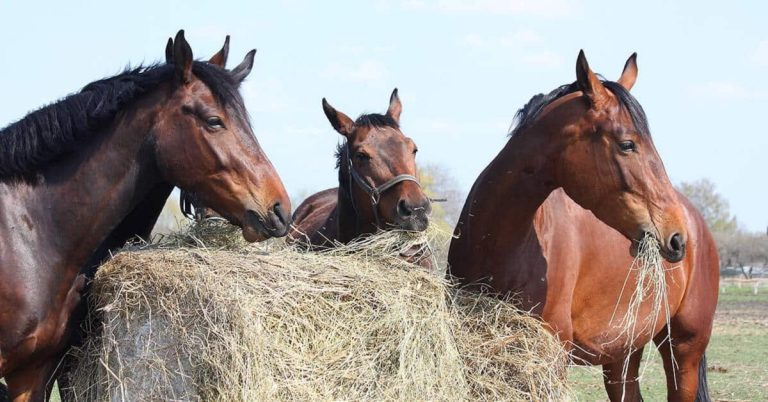
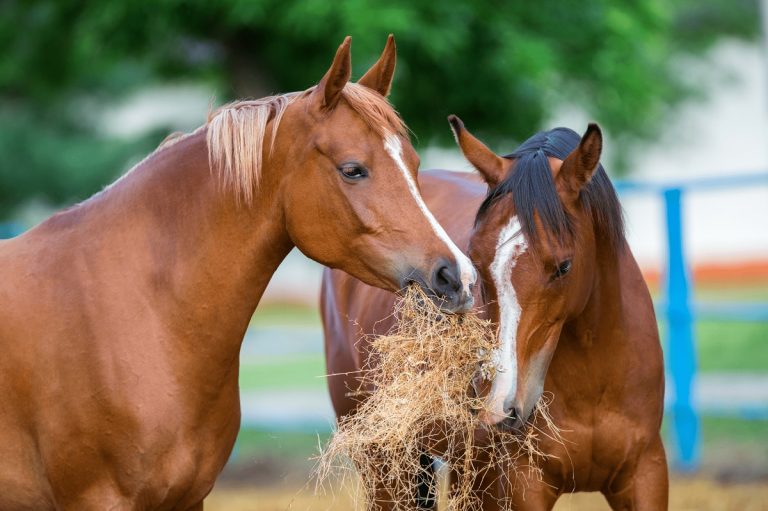
Forage, including hay and pasture, is the cornerstone of a horse’s diet. It supplies fiber that promotes healthy gut motility and supports the beneficial bacteria in the hindgut. Adequate fiber also slows digestion, helping horses process grains safely and reducing the risk of sudden spikes in blood sugar.
Feeding horses sufficient forage before grain is crucial. When horses consume fiber first, it acts as a buffer to starch digestion, preventing digestive upset and improving nutrient absorption. Horses typically consume 1.5%–2.5% of their body weight in forage daily, which should form the majority of the diet.
Properly combining forage with grain also enhances satiety and reduces boredom. Horses left without enough fiber may develop undesirable behaviors, such as cribbing or excessive chewing. Providing forage ensures mental well-being while supporting digestive health.
Guidelines for Grain and Forage Ratios
Determining the right balance of grain and forage depends on the horse’s age, weight, activity level, and overall health. For most horses, forage should provide the bulk of daily calories, with grain serving as a supplement to meet energy or nutrient gaps. Typically, grain should not exceed 50% of total daily caloric intake.
Performance horses or growing foals may require higher grain amounts to meet energy demands, while pasture pets or retired horses often need little to no grain. Gradually introducing grain alongside forage is essential to prevent digestive upset, especially for horses not accustomed to concentrated feeds.
Monitoring body condition and energy levels helps adjust grain and forage proportions. Weight loss or low energy may indicate the need for additional grain, while excess weight may require reducing grain portions while maintaining sufficient forage.
Timing and Feeding Practices
The timing of grain relative to forage plays a key role in safe feeding practices. Feeding grain after hay allows fiber to coat the stomach lining, reducing the risk of ulcers and colic. Dividing grain into two or three smaller meals daily further minimizes digestive stress and prevents rapid starch overload.
Providing free-choice forage alongside grain meals helps maintain healthy gut function and allows horses to eat according to their natural grazing instincts. Using slow feeders or hay nets can control intake, prolong feeding, and prevent overeating.
Regular observation of the horse during feeding times ensures they are consuming the correct amounts and not leaving uneaten forage behind, which could indicate an imbalance or preference issue.
Benefits of Proper Combination
Combining grain with forage properly supports balanced nutrition, healthy digestion, and sustained energy levels. Fiber from forage helps regulate blood sugar and supports gut microbiota, while grain supplies the concentrated energy required for growth, performance, or increased workload.
This combination reduces the risk of colic, founder, and digestive upset, promotes proper body condition, and supports overall well-being. By tailoring grain amounts to complement forage intake, owners provide a diet that aligns with a horse’s natural feeding behavior and physiological needs. Proper management of this balance ensures long-term health, energy, and performance while minimizing feeding-related issues.
Monitoring Horse Health and Weight
Monitoring a horse’s health and weight is crucial for maintaining overall well-being and ensuring the diet meets its nutritional requirements. Regular observation helps detect early signs of illness, imbalances, or overfeeding. By combining weight tracking with health checks, owners can make informed adjustments to feeding routines, exercise plans, and veterinary care.
Importance of Weight Monitoring
Keeping track of a horse’s weight allows you to assess body condition and adjust feeding accordingly. Horses that gain excess weight may become prone to obesity-related issues, including laminitis, insulin resistance, and joint stress. Conversely, weight loss or a thin body condition could indicate inadequate nutrition, illness, or dental problems.
Body condition scoring (BCS) is a practical method for evaluating weight and fat coverage. Scores typically range from 1 (emaciated) to 9 (obese), providing a visual guide for determining whether a horse’s diet and exercise are appropriate. Combining BCS with weight tape measurements offers a more accurate assessment of overall health.
Monitoring weight over time helps identify trends that require dietary adjustments. A sudden increase or decrease may signal an underlying health problem, allowing early intervention to prevent more serious complications.
Observing Health Indicators
Beyond weight, monitoring overall health indicators is essential. A healthy coat, bright eyes, alert behavior, and normal eating habits are signs of good nutrition and well-being. Changes in these indicators can reveal dietary deficiencies, stress, or disease.
Digestive health is particularly important. Regularly observing manure consistency and frequency helps detect digestive upset, colic risk, or improper fiber intake. Horses experiencing digestive issues may require diet adjustments, including altering grain amounts or supplementing forage.
Monitoring heart rate, respiration, and temperature during exercise or hot weather also provides insight into a horse’s cardiovascular and metabolic health. Maintaining a health log that tracks daily feed, activity, and observations ensures accurate records for making feeding and care decisions.
Adjusting Diet Based on Weight and Health
Adjustments to feeding should be based on observed weight changes and overall health. Overweight horses may need reduced grain portions, additional exercise, or lower-calorie feed options. Horses losing weight may require higher-energy grains, supplements, or increased forage intake.
For performance horses, monitoring weight and condition ensures energy levels match training demands. Growth, lactation, or recovery from illness often necessitates temporary dietary changes, emphasizing the importance of regular monitoring. Veterinary guidance is recommended for specialized diets, particularly for horses with metabolic or digestive conditions.
Combining consistent observation, proper weight tracking, and dietary adjustments ensures that horses maintain optimal body condition, energy, and overall health. This proactive approach minimizes risks, supports performance, and promotes long-term well-being.
FAQs
How Much Grain Should I Feed My Horse Per Day?
The amount of grain you feed your horse depends on its weight, age, and activity level. On average, adult horses in light work may need 2–4 pounds of grain daily, while performance or working horses can require 5–8 pounds or more. Grain should supplement forage, not replace it, and should never exceed 50% of total daily calories.
Monitoring your horse’s body condition and energy level helps you adjust portions appropriately. Regular evaluation ensures the horse receives sufficient energy without overeating, which can lead to weight gain or digestive issues.
Does The Type Of Grain Affect Daily Feeding Amounts?
Yes, the type of grain significantly impacts how much you should feed. Oats are moderate in energy and can be fed in larger quantities safely, while corn is high in calories and should be fed in smaller portions. Commercial pelleted feeds often contain added vitamins and minerals, allowing you to reduce the total quantity fed.
Selecting the right grain type ensures your horse gets balanced nutrition while avoiding digestive upset. Gradually introducing new grains also prevents sudden changes that could stress the digestive system.
How Do Age and Life Stage Influence Grain Requirements?
Young, growing horses typically need nutrient-dense grains with higher protein to support growth and skeletal development. Older horses may require softer, more digestible grains due to dental issues or decreased digestive efficiency. Maintenance horses usually need minimal grain, as forage provides most of their nutrients.
Feeding according to age and life stage ensures horses receive adequate nutrition while avoiding overfeeding or underfeeding. Careful portioning and regular monitoring of body condition are key to maintaining health throughout all life stages.
How Does Activity Level Affect Daily Grain Intake?
A horse’s workload directly influences its grain requirements. Horses in light work or retired pasture horses need smaller grain portions, while performance, race, or heavy-work horses require additional energy from grains to maintain stamina and body condition.
Adjusting feed according to workload helps prevent weight loss in active horses and obesity in less active horses. Observing energy levels, recovery, and body condition ensures that grain amounts align with actual energy expenditure.
Can Feeding Too Much Grain Be Harmful?
Yes, overfeeding grain can lead to digestive issues such as colic, laminitis, or gastric ulcers. High starch content in large grain meals can disrupt hindgut bacteria, causing discomfort or serious health problems.
Splitting daily grain into multiple smaller feedings and providing ample forage helps reduce risks. Monitoring body condition and digestive health ensures your horse receives adequate energy without negative side effects from overfeeding.
How Do I Adjust Grain During Seasonal or Dietary Changes?
Seasonal changes, such as winter when pasture is scarce, may require increasing grain to maintain weight and energy. Conversely, lush pasture during spring and summer may reduce the need for grain. Changes in activity, illness, or pregnancy also affect daily grain requirements.
Gradual adjustments are crucial to prevent digestive upset. Regular monitoring of body condition, weight, and energy levels ensures the horse’s diet remains balanced and appropriate for changing circumstances.
Conclusion
Feeding grain to a horse requires careful consideration to ensure proper nutrition, energy, and overall health. The amount of grain depends on factors such as the horse’s weight, age, workload, and health condition. Providing too much grain can lead to digestive issues like colic or obesity, while too little may leave the horse lacking essential energy and nutrients.
When determining how much grain to feed a horse per day, it’s important to balance it with high-quality forage, such as hay or pasture. Dividing the grain into multiple small meals can improve digestion and prevent spikes in energy levels. Monitoring your horse’s body condition, weight, and overall behavior helps adjust daily grain intake for optimal health and performance.
Ultimately, knowing how much grain to feed a horse per day allows you to provide a safe, balanced diet that supports energy, growth, and well-being. With proper planning and observation, you can maintain a healthy, happy horse without overfeeding or underfeeding.