Do Horses Eat Meat And How To Ensure Their Diet Remains Safe And Balanced
Horses are commonly known as herbivores, thriving on diets of grass, hay, and other plant-based feeds. However, questions sometimes arise about their curiosity or potential consumption of animal products, prompting owners and enthusiasts to ask do horses eat meat. Understanding a horse’s digestive system, natural dietary habits, and nutritional requirements provides clarity on this topic.
Horses have evolved to graze for many hours each day, relying on fibrous plant material to maintain gut health and energy levels. While occasional nibbling on unusual items may occur due to boredom or nutritional deficiency, meat is not a natural or suitable part of their diet. Exploring why horses typically avoid meat and how their bodies process food helps owners make informed feeding decisions and maintain optimal health for these large, sensitive herbivores.
Natural Diet And Feeding Behavior
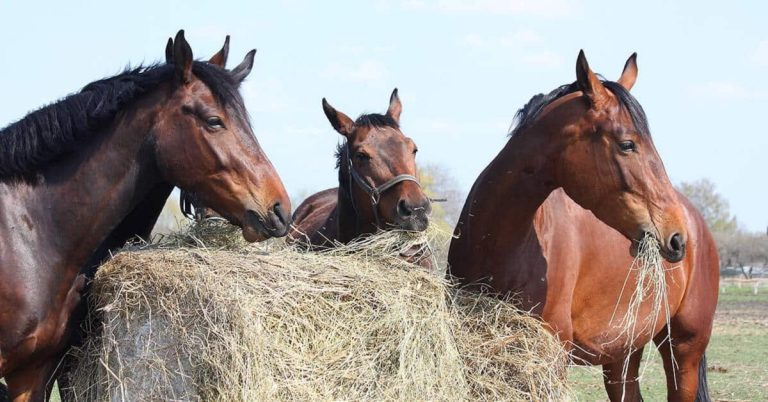
Horses have evolved as grazing herbivores, naturally consuming grasses, leaves, and other fibrous plants throughout the day. Their feeding behavior is adapted to frequent, small meals that maintain digestive efficiency and overall health. Understanding a horse’s natural diet and feeding patterns helps owners provide appropriate forage and minimize digestive disturbances. By aligning feeding practices with instinctive behaviors, you support gut health, maintain energy levels, and promote mental well-being, ensuring that horses thrive both physically and behaviorally.
Grazing Patterns And Digestive Adaptations
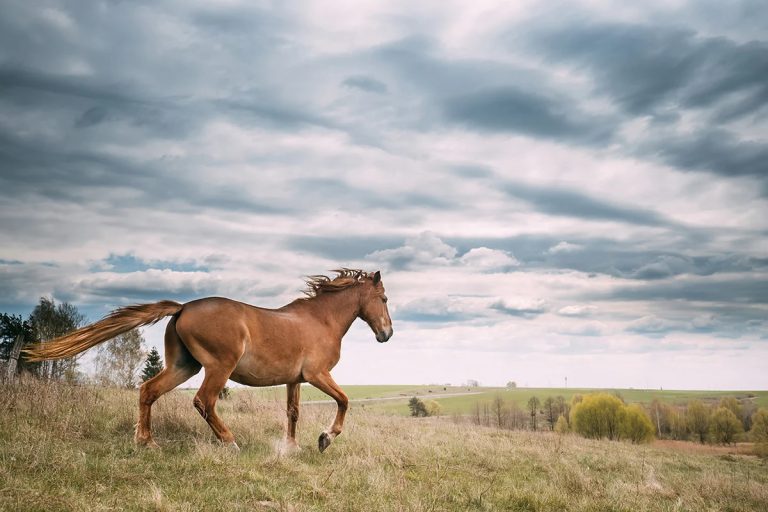
Horses are continuous grazers, naturally consuming small amounts of forage over 16 to 20 hours daily. This grazing behavior keeps the digestive system active, supporting the fermentation process in the hindgut and promoting efficient nutrient absorption. The horse’s stomach is relatively small, so frequent grazing prevents excessive acid buildup and reduces the risk of colic or gastric ulcers. Fiber from grasses and hay also encourages healthy gut motility and microbial balance, which are essential for digestion and overall health.
Their digestive system is specifically designed to process fibrous plant material, extracting energy from cellulose through microbial fermentation. Unlike carnivores, horses lack a multi-chambered stomach for protein digestion or strong acidic environments suited to meat consumption. Occasional exploration or nibbling on non-plant items is usually behavioral rather than dietary. Maintaining access to high-quality forage that mimics natural grazing supports healthy digestion, provides mental stimulation, and aligns with the horse’s evolutionary feeding behavior.
Nutritional Requirements From Plant-Based Diets
Horses obtain the majority of their essential nutrients from grasses, hays, and other forage. Fiber supplies energy through fermentation in the cecum and colon, while vitamins, minerals, and trace elements from plants support metabolic functions, bone health, and immune systems. Protein from plant sources is usually adequate for maintenance and growth when the forage quality is high.
Feeding concentrates, such as grains or fortified pellets, complements forage by providing additional energy, vitamins, and minerals when required. Understanding the horse’s natural diet emphasizes the importance of plant-based nutrition and the limited role of animal products. Providing a variety of forage types encourages selective grazing, satisfies instinctual behaviors, and prevents boredom. Aligning feeding practices with natural nutritional requirements helps maintain energy balance, optimal weight, and overall wellbeing without introducing unnecessary or harmful foods like meat.
Behavioral Aspects Of Feeding
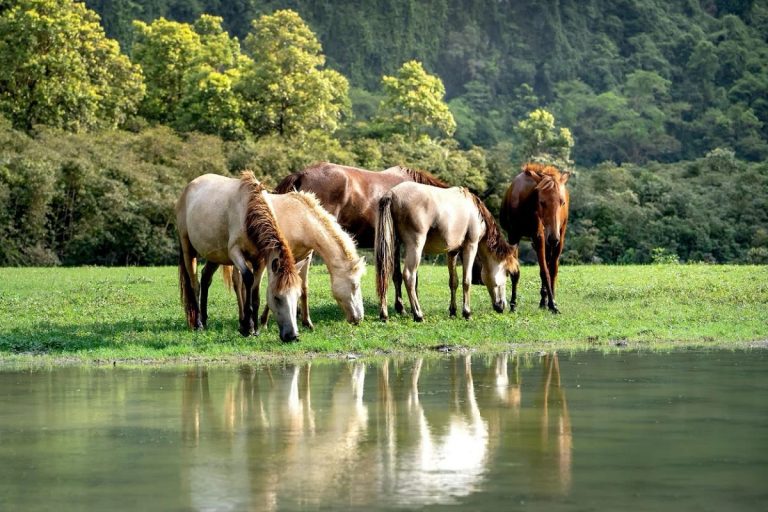
Feeding behavior in horses is closely linked to their mental health and social interactions. Horses naturally graze in herds, which provides social enrichment, reduces stress, and promotes consistent feeding routines. Allowing horses to eat throughout the day in a structured yet natural environment satisfies their instinctual need to forage, preventing the development of vices such as cribbing or wood chewing.
Foraging behaviors also encourage physical activity and mental stimulation, supporting both muscular health and cognitive engagement. Disrupting natural feeding patterns through restricted feeding times or inappropriate foods can cause digestive issues, frustration, and behavioral problems. By providing continuous access to appropriate forage and encouraging natural grazing patterns, you ensure that horses meet both their nutritional and behavioral needs while thriving physically and psychologically.
Natural Diet And Feeding Behavior
Horses have evolved as grazing herbivores, naturally consuming grasses, leaves, and other fibrous plants throughout the day. Their feeding behavior is adapted to frequent, small meals that maintain digestive efficiency and overall health. Understanding a horse’s natural diet and feeding patterns helps owners provide appropriate forage and minimize digestive disturbances. By aligning feeding practices with instinctive behaviors, you support gut health, maintain energy levels, and promote mental well-being, ensuring that horses thrive both physically and behaviorally.
Grazing Patterns And Digestive Adaptations
Horses are continuous grazers, naturally consuming small amounts of forage over 16 to 20 hours daily. This grazing behavior keeps the digestive system active, supporting the fermentation process in the hindgut and promoting efficient nutrient absorption. The horse’s stomach is relatively small, so frequent grazing prevents excessive acid buildup and reduces the risk of colic or gastric ulcers. Fiber from grasses and hay also encourages healthy gut motility and microbial balance, which are essential for digestion and overall health.
Their digestive system is specifically designed to process fibrous plant material, extracting energy from cellulose through microbial fermentation. Unlike carnivores, horses lack a multi-chambered stomach for protein digestion or strong acidic environments suited to meat consumption. Occasional exploration or nibbling on non-plant items is usually behavioral rather than dietary. Maintaining access to high-quality forage that mimics natural grazing supports healthy digestion, provides mental stimulation, and aligns with the horse’s evolutionary feeding behavior.
Nutritional Requirements From Plant-Based Diets
Horses obtain the majority of their essential nutrients from grasses, hays, and other forage. Fiber supplies energy through fermentation in the cecum and colon, while vitamins, minerals, and trace elements from plants support metabolic functions, bone health, and immune systems. Protein from plant sources is usually adequate for maintenance and growth when the forage quality is high.
Feeding concentrates, such as grains or fortified pellets, complements forage by providing additional energy, vitamins, and minerals when required. Understanding the horse’s natural diet emphasizes the importance of plant-based nutrition and the limited role of animal products. Providing a variety of forage types encourages selective grazing, satisfies instinctual behaviors, and prevents boredom. Aligning feeding practices with natural nutritional requirements helps maintain energy balance, optimal weight, and overall wellbeing without introducing unnecessary or harmful foods like meat.
Behavioral Aspects Of Feeding
Feeding behavior in horses is closely linked to their mental health and social interactions. Horses naturally graze in herds, which provides social enrichment, reduces stress, and promotes consistent feeding routines. Allowing horses to eat throughout the day in a structured yet natural environment satisfies their instinctual need to forage, preventing the development of vices such as cribbing or wood chewing.
Foraging behaviors also encourage physical activity and mental stimulation, supporting both muscular health and cognitive engagement. Disrupting natural feeding patterns through restricted feeding times or inappropriate foods can cause digestive issues, frustration, and behavioral problems. By providing continuous access to appropriate forage and encouraging natural grazing patterns, you ensure that horses meet both their nutritional and behavioral needs while thriving physically and psychologically.
write a blog section for [Reasons Horses Might Attempt To Eat Meat] with h2 Paragrapgh within 70-90 words and h3 multiple Paragraph format within 450+ words each h3 around 170 to 150 words without any final thoughts
Reasons Horses Might Attempt To Eat Meat
Although horses are naturally herbivores, there are instances where they might show curiosity toward meat. Understanding the reasons horses might attempt to eat meat helps owners address unusual behaviors and ensure proper nutrition. Factors such as boredom, nutritional deficiencies, instinctual exploration, or environmental stress can lead horses to investigate or nibble on non-plant items. Recognizing the underlying causes allows you to manage their diet and environment effectively, keeping them healthy while discouraging unnatural feeding behaviors.
Nutritional Deficiencies And Mineral Cravings
One reason horses might attempt to eat meat is due to nutritional deficiencies, particularly a lack of protein or specific minerals. Horses naturally seek nutrients from their environment, and in the absence of sufficient protein or minerals in their forage, they may experiment with unusual sources, including animal matter. While meat is not appropriate for their digestive system, the behavior may signal that their diet is lacking essential nutrients.
Supplementing with high-quality forage, balanced concentrates, and mineral blocks can address these deficiencies and satisfy nutritional needs. Ensuring that horses receive adequate protein from plant sources and access to minerals such as calcium, phosphorus, and trace elements reduces the likelihood of seeking alternative sources. By monitoring diet quality and correcting deficiencies, owners can prevent this behavior while promoting healthy growth and maintenance.
Boredom And Environmental Factors
Horses confined to stalls or deprived of regular turnout often explore unusual objects out of boredom. Curiosity can lead them to investigate and occasionally taste non-plant items, including meat. Environmental stress, limited enrichment, and lack of social interaction exacerbate these behaviors, as horses seek stimulation to occupy their time.
Providing regular pasture access, companionship, and safe enrichment opportunities such as toys, varied forage, and interactive feeding methods reduces the likelihood of horses attempting to eat inappropriate items. Structured turnout and a stimulating environment help satisfy mental and physical needs, redirecting attention from unusual behaviors. Addressing environmental factors promotes natural grazing behavior, mental engagement, and reduces the risk of exploratory or destructive feeding habits, ensuring the horse’s wellbeing.
Instinctual Exploration And Curiosity
Horses are naturally curious animals and may occasionally nibble on unfamiliar objects as part of exploratory behavior. This instinct helps them investigate potential food sources in their environment. Young horses, in particular, are prone to experimenting with tastes and textures, which can sometimes lead them to nibble on meat or other unusual substances.
While this behavior is generally harmless in small, occasional instances, repeated attempts to eat meat may indicate unmet dietary or enrichment needs. Encouraging natural foraging through access to diverse forage, pasture, and enrichment activities satisfies curiosity while keeping exploration safe and appropriate. Understanding this instinctual drive allows you to design feeding and environmental strategies that align with natural behavior, reducing the risk of unsafe or unhealthy eating patterns.
Safe Feeding Practices And Alternatives
Ensuring a horse’s diet remains safe and balanced is essential, especially when addressing unusual behaviors such as curiosity about meat. Safe feeding practices and alternatives focus on providing sufficient nutrition, enrichment, and variety while preventing harmful habits. By offering appropriate forage, balanced concentrates, and safe treats, owners can meet dietary needs and satisfy natural grazing instincts. Implementing thoughtful feeding strategies reduces stress, encourages healthy behaviors, and supports overall wellbeing, ensuring horses remain both physically and mentally healthy.
Providing Balanced Forage And Concentrates
The foundation of a safe equine diet is high-quality forage, such as grass hay or pasture, which supplies fiber, essential nutrients, and mental stimulation through natural grazing behavior. Concentrates can complement forage when additional energy, protein, or vitamins are required, particularly for performance horses, growing foals, or lactating mares. Feeding measured portions of forage and concentrates ensures nutritional needs are met while minimizing the risk of digestive upset or nutrient imbalances.
Maintaining variety in forage, such as mixing grass hay with legumes like alfalfa, provides a broader nutrient profile and keeps horses engaged during feeding. Consistently monitoring body condition, energy levels, and overall health allows owners to adjust portions or feed types as necessary. By prioritizing forage and controlled concentrates, you meet dietary requirements safely and reduce the likelihood of horses seeking inappropriate foods such as meat.
Safe Treats And Enrichment Options
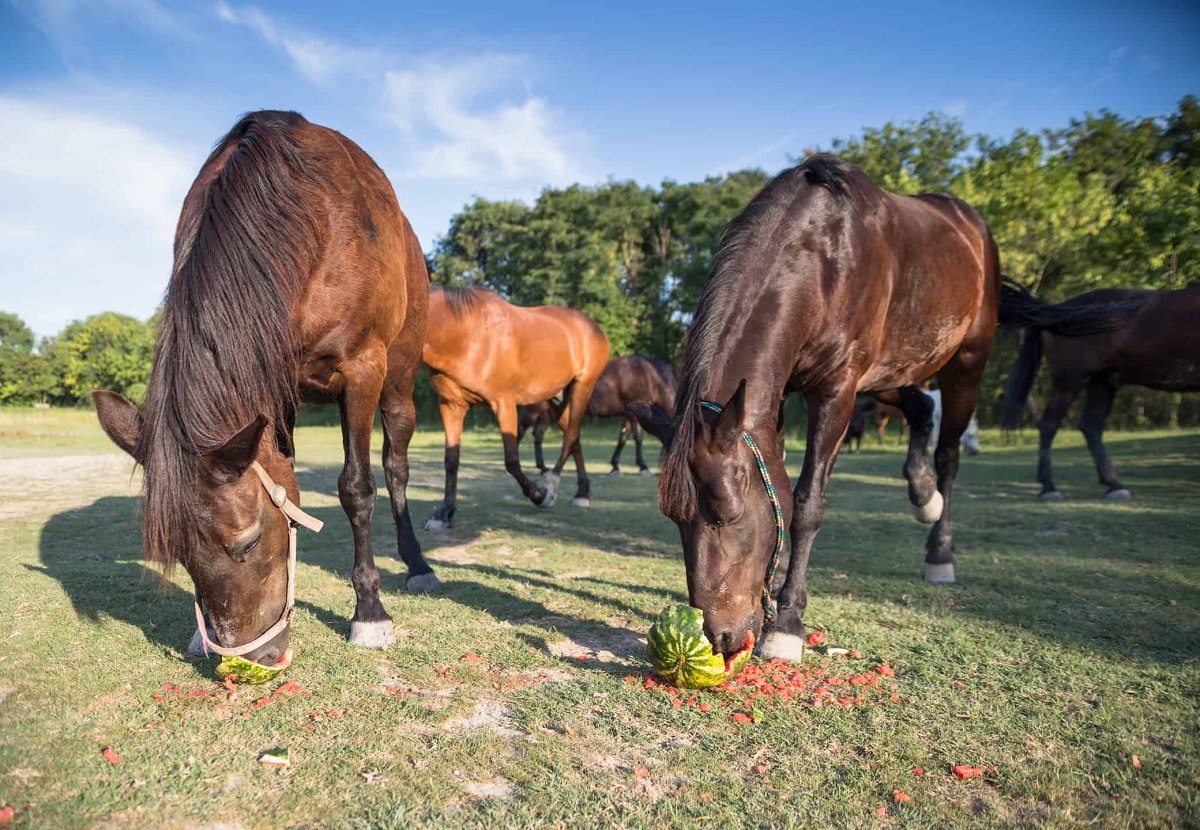
Offering safe treats and enrichment options provides additional stimulation while preventing undesirable behaviors. Vegetables, fruits, and commercially formulated horse treats are suitable alternatives to satisfy curiosity and encourage interaction without compromising health. Providing enrichment such as hay nets, slow feeders, or puzzle feeders mimics natural grazing patterns, keeping horses mentally engaged and reducing boredom-driven behaviors.
Regular turnout and social interaction complement these feeding strategies by allowing horses to move, forage, and interact naturally. Environmental enrichment satisfies instinctual needs for exploration, chewing, and problem-solving. These practices reduce stress, prevent destructive behaviors, and discourage attempts to consume inappropriate items like meat. Combining balanced nutrition with mental and physical enrichment ensures horses remain content, healthy, and behaviorally well-adjusted.
Monitoring And Adjusting Feeding Practices
Continuous observation and adjustment of feeding practices are crucial for maintaining safe and effective diets. Monitor how horses consume forage, concentrates, and treats, noting any signs of selective eating, nutrient deficiencies, or unusual behaviors. Adjust portions, supplement as needed, and rotate forage types to maintain engagement and proper nutrition.
Regular assessment of body condition, coat quality, and digestive health helps identify gaps in the diet before they lead to exploratory or unsafe behaviors. Consulting with a veterinarian or equine nutritionist ensures your feeding plan meets all dietary requirements. Thoughtful monitoring and adaptive feeding strategies provide safe nutrition, discourage harmful behaviors, and support long-term physical and mental health.
People Also Asked
Do Horses Naturally Eat Meat?
Horses are naturally herbivores, and their digestive systems are adapted to process fibrous plant material, not meat. You may see horses show curiosity toward unusual items, but consuming meat is not part of their natural diet. Their small stomachs and hindgut fermentation system are designed for continuous grazing on grasses, hay, and legumes. Introducing meat can lead to digestive upset, including colic or diarrhea. Understanding this helps you provide appropriate nutrition, ensuring your horse thrives on plant-based feeds that meet energy, protein, vitamin, and mineral requirements safely.
Can Eating Meat Harm Horses?
Yes, eating meat can harm horses because their digestive systems are not equipped to process animal protein or fat. You should avoid allowing horses to consume meat, as it may cause stomach upset, colic, or other gastrointestinal issues. Meat also provides nutrients in forms that horses cannot efficiently digest, leading to imbalances. By focusing on high-quality forage, balanced concentrates, and mineral supplements, you ensure that your horse receives all essential nutrients safely. Avoiding meat protects your horse’s digestive health and reduces the risk of illness or discomfort.
Why Might Horses Attempt To Eat Meat?
Horses may attempt to eat meat out of curiosity, boredom, or nutritional deficiencies. You may notice young or anxious horses exploring unusual items in their environment, including animal matter. Sometimes, they seek protein or minerals not sufficiently provided in their diet. Environmental stress, confinement, or lack of forage can also trigger this behavior. You can address it by providing high-quality forage, balanced concentrates, and mineral supplements, as well as enrichment activities and sufficient turnout. Understanding the underlying causes helps you prevent unsafe feeding habits while supporting natural grazing and mental stimulation.
Are There Safe Alternatives To Meat For Horses?
Yes, there are safe alternatives to meet a horse’s nutritional needs. You should provide a diet based on high-quality forage, supplemented with concentrates, vitamins, and minerals when necessary. Safe treats include fruits, vegetables, and commercially formulated horse snacks, which satisfy curiosity and chewing instincts without causing digestive issues. Enrichment items like slow feeders, hay nets, or pasture toys also keep horses mentally stimulated. These alternatives provide both nutrition and engagement, preventing the horse from seeking inappropriate items such as meat while maintaining health, proper digestion, and behavioral wellbeing.
Can Meat Cause Long-Term Health Problems In Horses?
Feeding meat to horses, even occasionally, can contribute to long-term health problems due to digestive stress and nutrient imbalances. You should avoid introducing meat, as horses’ digestive systems are optimized for fiber-rich plant material. Repeated exposure may cause chronic colic, diarrhea, or metabolic disturbances. Providing a well-balanced diet with sufficient forage, concentrates, and supplements ensures that your horse receives energy, protein, and minerals in forms they can digest safely. Maintaining a natural, plant-based diet supports long-term gut health, weight management, and overall vitality.
How Should You Respond If Your Horse Eats Meat?
If your horse consumes meat accidentally, monitor them closely for signs of digestive upset such as colic, diarrhea, or discomfort. You should contact a veterinarian if any symptoms arise. Removing access to meat and providing familiar forage and water helps stabilize their digestive system. To prevent recurrence, ensure your horse’s diet is nutritionally complete, provide mental stimulation through enrichment or turnout, and remove any unsafe items from their environment. Proactive management keeps your horse safe, healthy, and less likely to engage in inappropriate feeding behavior in the future.
Final Thoughts
Horses are naturally herbivores, and their digestive systems are designed to process grasses, hay, and other plant-based feeds. You rarely see them eating meat under normal circumstances, and such behavior is typically linked to nutritional deficiencies, curiosity, or boredom rather than a natural dietary preference. Consuming meat can pose health risks, including digestive upset, bacterial contamination, and imbalance in nutrient absorption.
By providing a well-balanced diet rich in fiber, protein from plant sources, and essential minerals, you can prevent unusual feeding behaviors. Monitoring behavior, maintaining proper forage availability, and offering enrichment help keep horses mentally and physically healthy. Considering these factors, it is clear that do horses eat meat only in rare and unusual circumstances, and maintaining appropriate feeding practices ensures their diet remains safe, supports optimal health, and reinforces their natural herbivorous behavior.