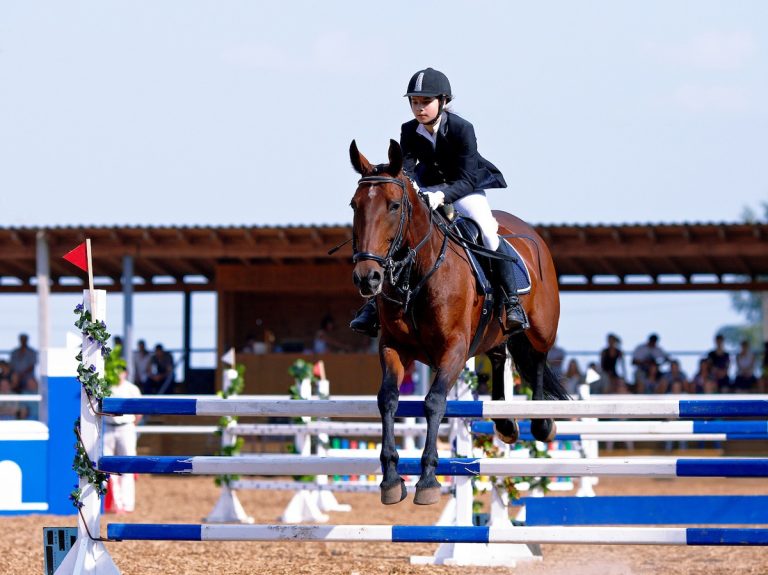
How Much Does a Thoroughbred Horse Cost? Prices, Factors, and Investment Tips
Thoroughbred horses are among the most admired and sought-after breeds in the equestrian world, known for their speed, agility, and athleticism. They dominate racing tracks, show arenas, and even competitive riding disciplines, making them highly desirable for enthusiasts and professionals alike. Understanding the financial aspects of owning one is essential for anyone considering purchasing a thoroughbred.
Many people wonder how much does a thoroughbred horse cost, as prices can vary widely based on factors like pedigree, age, training, and racing history. A young horse with exceptional lineage might command a significantly higher price, while a retired racehorse or a horse in training may have a different valuation.
The cost of a thoroughbred reflects not only the horse itself but also the investment in training, care, and potential performance outcomes. Buyers need to evaluate both short-term expenses and long-term commitments to ensure a successful experience.
Examining market trends, bloodlines, and individual qualities provides a clearer understanding of pricing. Thoroughbreds remain a premium investment due to their exceptional capabilities and potential returns in racing or sport performance.
Factors Affecting Thoroughbred Horse
The cost and value of a thoroughbred horse depend on several interconnected factors, ranging from pedigree to training and overall health. Understanding these influences is essential for prospective buyers and owners, as they determine not only price but also performance potential and long-term investment. By evaluating these key elements, you can make informed decisions about acquiring and managing a thoroughbred horse.
Pedigree and Bloodline
A thoroughbred’s pedigree is one of the most significant factors affecting its cost and desirability. Horses descended from champions or proven racing lines are highly sought after because genetics often influence speed, endurance, and overall athletic potential. You can see that buyers pay premiums for horses with parents, grandparents, or siblings that have demonstrated superior performance on the track.
Bloodlines also affect breeding potential. A well-bred thoroughbred can become a valuable breeding prospect, offering long-term returns beyond racing or competition. Buyers often study lineage, racing records, and the performance of related horses to assess potential. Horses with less distinguished ancestry may still perform well but generally command lower prices, reflecting the perceived risk associated with less proven genetics.
Understanding pedigree helps owners predict not only racing or sport potential but also temperament and trainability, as certain lines are known for specific behavioral traits. The investment in a strong bloodline often provides both immediate performance advantages and future breeding opportunities.
Age and Development
A thoroughbred’s age and stage of development play a crucial role in determining cost and suitability for racing or sport. Young horses, typically two to three years old, may be priced based on potential rather than proven performance. Older horses with established racing records often command higher prices due to demonstrated abilities.
You can observe that younger horses require more training and careful management, which adds to long-term costs. Conversely, mature horses may offer immediate performance potential but may also come with a history of injuries or wear that influences valuation. Understanding developmental stages allows buyers to match expectations with training requirements and investment levels.
Age also affects breeding potential. Younger horses may have longer breeding careers, while older horses may be near or past peak fertility. Evaluating both racing and reproductive value helps owners make informed purchasing decisions based on intended use and long-term goals.
Training, Performance, and Experience
The level of training and previous performance significantly impacts the value of a thoroughbred horse. Horses with advanced training, consistent racing experience, or proven success in competitions are generally more expensive due to their immediate usability and reduced need for extensive preparation.
You can see that buyers pay attention to race records, show results, and training quality when assessing cost. A horse that has competed successfully demonstrates reliability, stamina, and adaptability—traits that reduce risk for the new owner. Horses with limited or inconsistent training may require additional investment to reach competitive standards.
Performance history also influences perception of potential. Even young horses can command higher prices if early training results are promising. Conversely, horses with inconsistent or poor performance may be less expensive but could still excel under new management, depending on training, care, and handling.
Health, Conformation, and Temperament
A thoroughbred’s health and physical structure, or conformation, are critical factors affecting cost and long-term usability. You can see that sound horses with strong bones, good joints, and well-balanced body structure are less prone to injury and more capable of performing at high levels.
Temperament also matters. Calm, trainable, and focused horses are easier to manage and more likely to succeed in racing or competitive disciplines. Horses with behavioral challenges may require additional training and handling, increasing overall investment. Regular veterinary evaluations, vaccination history, and preventive care all contribute to assessing value.
Health issues, even minor ones, can impact pricing. Buyers consider risks associated with previous injuries, genetic predispositions, and overall durability. A thorough assessment ensures that the horse’s current condition aligns with performance expectations and potential future returns.
Market Demand and Economic Factors
The market demand for thoroughbreds fluctuates based on trends in racing, sport, and breeding industries. You can observe that high demand for specific bloodlines, successful trainers, or popular disciplines can drive prices upward. Conversely, economic downturns or oversupply in certain categories may reduce costs.
Regional variations also influence pricing. Horses bred or trained in areas known for competitive racing circuits or prestigious events often command higher prices due to perceived quality and exposure. Buyers must consider both local and global trends when evaluating value.
Market dynamics, combined with the horse’s individual traits—pedigree, age, health, and training—determine its price range and investment potential. Understanding these factors allows you to make informed decisions, balancing immediate usability with long-term expectations in ownership, racing, or breeding.
Average Cost of a Thoroughbred Horse
The cost of a thoroughbred horse varies widely depending on factors such as pedigree, age, training, and purpose. Understanding average prices helps prospective buyers set realistic expectations and plan for both initial investment and ongoing expenses. Thoroughbreds can range from affordable prospects to high-priced champions, reflecting their performance potential and market demand.
Prices for Young and Unproven Thoroughbreds
Young, unproven thoroughbreds, typically two to three years old, are often sold based on potential rather than performance. You can see that these horses are generally less expensive than those with established racing records, but prices can still vary dramatically depending on bloodlines.
Prospective buyers may expect to pay anywhere from a few thousand dollars to tens of thousands for a promising young horse. Horses with exceptional pedigrees, early training success, or strong conformation command higher prices. While these horses may not yet have proven themselves on the track, their potential for racing or breeding often justifies the investment.
Purchasing a young thoroughbred involves additional costs, such as training, veterinary care, and conditioning programs, which can significantly increase the overall investment. Understanding market averages and potential expenses helps buyers plan effectively for both short-term preparation and long-term success.
Cost of Proven Racehorses
Thoroughbreds with established racing records or successful performance in competitions command significantly higher prices. You can observe that horses with a history of wins, consistent placement, or notable pedigree often sell for tens or even hundreds of thousands of dollars.
These horses offer immediate performance potential, reducing the time and investment required for training compared to younger or unproven prospects. Buyers often value proven horses for both racing and breeding purposes, as their track record provides insight into athletic ability, stamina, and temperament.
The price also reflects market demand for top-performing bloodlines. Horses that have excelled in prestigious events or come from famous sires often attract attention from competitive buyers, driving prices upward. Investing in proven racehorses offers both prestige and the potential for financial return, especially in the racing and breeding industries.
Costs Related to Training and Preparation
Training and conditioning have a direct impact on a thoroughbred’s overall value. You can see that a horse trained by reputable professionals or already conditioned for competition is more expensive due to the time, expertise, and resources invested.
Training costs can include exercise programs, stabling, feeding, veterinary care, and regular assessment of performance. Horses that have undergone intensive race training or specialized discipline preparation are priced higher because they require less adjustment before entering competitive events.
Owners must consider these added expenses alongside the purchase price. While a less expensive horse may appear affordable initially, the cumulative cost of bringing it to peak performance can rival that of purchasing a proven competitor. Evaluating training history and current readiness is essential for understanding the true investment in a thoroughbred.
Regional Variations in Pricing
Geography also influences the cost of thoroughbred horses. You can notice that horses bred or trained in regions with prestigious racing circuits or high-quality breeding programs tend to be more expensive.
For example, thoroughbreds from well-known racing states or countries often command premium prices due to reputation, competitive exposure, and access to elite trainers. Conversely, horses from less competitive areas may be more affordable but could require additional training to reach top performance levels.
Regional trends also reflect local demand and market saturation. Areas with active racing communities or high competition often see inflated prices for top-quality horses. Prospective buyers must research local and international markets to make informed purchasing decisions and identify realistic price ranges.
Long-Term Investment Considerations
Purchasing a thoroughbred horse is not just about the initial price; it involves long-term investment in training, care, and competition readiness. You can observe that maintenance costs, veterinary care, feed, and equipment add significantly to the total financial commitment.
For competitive racing, additional expenditures such as entry fees, transportation, and specialized trainers must be accounted for. Even retired or non-competitive thoroughbreds require proper care, which contributes to ongoing costs. Evaluating average costs alongside long-term expenses provides a realistic perspective for prospective owners.
Understanding the average cost of a thoroughbred, including price ranges for young prospects, proven racehorses, and trained competitors, helps buyers plan strategically. This knowledge ensures that you can balance initial investment with future potential and manage the financial and logistical responsibilities of thoroughbred ownership effectively.
How Racing and Performance Impact Cost
The cost of a thoroughbred horse is strongly influenced by its racing history and performance record. Horses with proven abilities, consistent results, or potential for competition are often valued much higher than those without a track record. Performance not only demonstrates athletic capability but also signals potential return on investment, particularly for racing, breeding, or competitive equestrian purposes.
Racing Records and Proven Performance
A thoroughbred’s racing record is one of the most important determinants of its cost. You can see that horses with multiple wins, consistent placements, or experience in prestigious races are generally priced higher than those with limited or unproven performance.
Proven performance provides buyers with measurable evidence of speed, endurance, and competitiveness. Horses that have excelled on the track demonstrate both natural ability and effective training, reducing uncertainty for the purchaser. The quality of races—local versus national or international competitions—also impacts value, as success in high-stakes events reflects exceptional skill and enhances reputation.
Additionally, performance records influence breeding potential. A horse with a strong racing history can command higher fees as a sire or dam, extending value beyond personal competition. Buyers often view racing results as a reliable indicator of long-term investment potential, justifying higher initial costs.
Training and Conditioning Influence Value
Training and conditioning directly affect performance, which in turn impacts cost. Horses that are well-trained, physically fit, and conditioned for specific competitions are typically more expensive due to the time, expertise, and resources required to prepare them.
You can observe that a horse with professional training demonstrates better stamina, responsiveness, and consistency on the track. Those with specialized training for racing, show jumping, or eventing reduce the need for extensive preparation, making them immediately competitive. Buyers are willing to pay a premium for horses that arrive competition-ready, as this saves time and reduces uncertainty.
The quality of training, combined with natural ability, enhances overall value. Horses that have been carefully conditioned also tend to maintain performance longer and sustain fewer injuries, which supports their financial and athletic worth over time.
Impact of Competition Level on Price
The level of competition a horse has participated in heavily influences its market value. Horses that have competed in high-level races, championship events, or internationally recognized competitions are generally priced higher than those that have only raced locally.
You can see that success against top-tier competitors signals superior athleticism and mental resilience. Such horses are attractive for both continued competition and breeding purposes. Their ability to perform under pressure is highly valued, and the prestige associated with notable victories can significantly inflate market prices.
Even horses that have not won but consistently performed well in competitive fields can maintain high value. Performance relative to competition demonstrates reliability, stamina, and adaptability, making these horses attractive investments for buyers seeking both competitive potential and financial returns.
Performance Potential and Future Earnings
A horse’s potential for future performance is often factored into cost, sometimes even more than past achievements. You can observe that young horses or those with promising traits may command high prices based on expected success in upcoming races or competitions.
Breeders, trainers, and buyers evaluate conformation, pedigree, and early training to estimate potential. Horses with strong lineage and demonstrated ability in practice or minor competitions are viewed as investments that may yield winnings, breeding value, or resale profit. This forward-looking assessment makes performance potential a critical factor in determining price.
The combination of past performance, competition level, and projected potential establishes a framework for understanding a thoroughbred’s market value. By analyzing these aspects, you can see why racing and performance are central to determining cost, as they reflect both immediate capability and long-term investment opportunities.
Influence on Breeding Value
Racing and performance also impact cost through breeding potential. High-performing thoroughbreds are more likely to produce offspring with similar abilities, enhancing their value as sires or dams. You can notice that stallions or mares with exceptional records command premium breeding fees, which adds to overall financial consideration.
Performance indicators, combined with pedigree and conformation, allow breeders to predict offspring quality and competitiveness. Horses with top-tier racing history often attract buyers seeking both race-ready progeny and long-term investment opportunities. The ability to contribute to future generations underscores how performance not only affects immediate price but also long-term value in the thoroughbred market.
Additional Costs Beyond Purchase Price
Owning a thoroughbred horse involves far more than the initial purchase price. Expenses related to care, training, competition, and health management can quickly add up, making long-term financial planning essential. Understanding these additional costs helps prospective owners budget effectively and ensures the horse’s health, performance, and well-being are maintained over time.
Boarding and Stabling Expenses
Boarding and stabling are among the first major costs to consider. You can observe that keeping a horse in a professional facility provides access to pastures, stalls, feeding, and basic care, but these services come at a premium.
Monthly fees can vary depending on location, quality of facilities, and services included. Full-service stables may offer feeding, turnout, grooming, and routine veterinary attention, while partial boarding arrangements might require owners to provide more hands-on care. Costs can range from several hundred to thousands of dollars per month, depending on amenities and regional market rates.
Proper stabling also ensures safety and comfort, reducing the risk of injury or stress-related behaviors. Choosing the right boarding facility is critical, as it affects both the horse’s well-being and potential performance, particularly for competitive thoroughbreds.
Feed, Supplements, and Daily Care
Nutrition is another significant ongoing expense. You can see that thoroughbreds require high-quality feed to maintain energy, muscle tone, and overall health. This includes hay, grains, and sometimes specialized feed blends tailored to their activity level.
Supplements for joint health, coat condition, and digestion may also be necessary, particularly for performance horses. Daily care, including grooming, hoof maintenance, and monitoring for injuries or illness, requires time, attention, and sometimes professional assistance.
Neglecting nutrition or routine care can lead to health issues that impact performance and longevity. Investing in proper feeding and care ensures the horse remains healthy, energetic, and capable of fulfilling its intended role, whether in competition, breeding, or leisure riding.
Veterinary and Medical Costs
Regular veterinary care is essential for the well-being of a thoroughbred horse. You can observe that costs include routine check-ups, vaccinations, dental care, deworming, and emergency medical treatments.
Performance horses may require more specialized care, such as lameness evaluation, joint injections, or conditioning assessments. Injuries, which are common in racing or competition, can lead to significant veterinary bills, including surgery or extended rehabilitation. Preventive care is an investment that reduces the risk of costly emergencies and ensures the horse remains in peak condition.
Insurance may offset some medical expenses, but premiums vary based on the horse’s value, age, and risk factors. Factoring in regular and unexpected medical costs is crucial for budgeting responsibly and maintaining the horse’s long-term health.
Training and Competition Expenses
Training and competition represent another major financial commitment. You can see that professional trainers provide structured exercise programs, riding lessons, and preparation for races or events, which can be costly depending on expertise and location.
Competition-related expenses include entry fees, transportation, stabling at events, and equipment such as saddles, bridles, and protective gear. High-level competition often requires additional support from grooms, transport vehicles, and maintenance of performance records.
Consistent training and competition preparation are necessary for performance horses to reach their potential. Skipping or reducing these elements can compromise results and overall value, emphasizing the importance of budgeting for ongoing performance-related expenditures.
Grooming, Equipment, and Miscellaneous Costs
Daily grooming, tack, and other miscellaneous expenses also contribute to overall ownership costs. You can notice that items like brushes, hoof picks, blankets, saddles, and bridles require regular maintenance or replacement.
Other expenses include transportation to training or events, farrier services for hoof care, and insurance premiums to protect the horse’s value. Even routine maintenance, such as replacing worn equipment or purchasing weather-appropriate gear, can add up significantly over time.
Understanding and planning for these additional costs ensures that a thoroughbred horse is properly cared for and maintained. Accounting for stabling, nutrition, veterinary care, training, and equipment helps owners make informed financial decisions and guarantees that the horse can thrive in its intended role.
Buying Tips and Considerations
Purchasing a thoroughbred horse requires careful planning, research, and evaluation. Beyond price, buyers must consider factors such as health, training, pedigree, and intended use. Making informed decisions helps ensure the horse meets expectations and provides a rewarding experience. These tips and considerations guide prospective owners through the process of selecting a thoroughbred suited to their needs.
Evaluate Pedigree and Bloodline
A horse’s pedigree is one of the most important factors to assess. You can see that bloodlines influence not only potential performance but also temperament, trainability, and long-term breeding value. Thoroughbreds from proven racing families often command higher prices because genetics increase the likelihood of speed, stamina, and success in competition.
When evaluating pedigree, review the racing or performance history of both sire and dam. Look for patterns of consistency in traits such as endurance, agility, or behavioral tendencies. Pedigree analysis can also help predict potential health issues or predispositions to certain injuries. Understanding lineage provides insight into what to expect in training, performance, and future resale or breeding potential, making it a critical consideration before purchase.
Assess Health and Conformation
Health and physical conformation are essential to a thoroughbred’s value and long-term performance. You can observe that sound horses with strong legs, correct posture, and balanced musculature are less prone to injury and more capable of sustained activity.
A thorough veterinary examination is crucial. Check for any signs of past injuries, lameness, or conditions that could affect performance. Conformation, including joint alignment, hoof structure, and overall balance, affects movement efficiency and stamina. Horses with structural flaws may struggle in competition or require costly corrective measures. Evaluating health and conformation ensures that the horse is capable of fulfilling its intended role safely and effectively.
Consider Age and Training Level
Age and training impact both price and usability. You can notice that young horses may offer potential for development but require more time, resources, and guidance before reaching full performance capacity. Older, proven horses provide immediate results but may carry higher costs and a history of wear.
Training level also influences suitability for your intended purpose. Horses already trained for racing, competition, or riding can save time and reduce uncertainty. Assess the horse’s responsiveness, behavior under saddle, and familiarity with commands. Matching age and training level with your goals ensures a smoother transition into ownership and maximizes the horse’s potential.
Budget for Long-Term Costs
Owning a thoroughbred involves ongoing expenses beyond the purchase price. You can see that boarding, feed, veterinary care, farrier services, equipment, and training all contribute to the total financial commitment. Careful budgeting ensures the horse receives proper maintenance, support, and training over its lifetime.
Consider both predictable and unexpected costs, such as emergency medical treatment or travel for competitions. Planning for these expenses prevents financial strain and ensures the horse’s well-being is prioritized. By understanding long-term commitments, buyers can make informed choices and maintain a successful, sustainable relationship with their thoroughbred.
Match the Horse to Your Goals
Finally, consider your intended use and long-term goals when selecting a thoroughbred. You can observe that horses suited for racing may differ in training, temperament, and physical needs from those intended for show jumping, eventing, or recreational riding.
Evaluate factors such as stamina, temperament, and adaptability to ensure alignment with your objectives. Choosing a horse that matches your goals improves training success, performance outcomes, and overall satisfaction. By considering purpose, experience level, and long-term plans, buyers can select a thoroughbred that meets both immediate and future expectations.
People Asked Questions
What Is The Average Cost Of A Thoroughbred Horse?
The average cost of a thoroughbred horse varies widely depending on age, pedigree, and training. You can see that young horses with potential but no racing experience may range from a few thousand to tens of thousands of dollars. Horses with proven racing records or competition success can cost tens or even hundreds of thousands.
Price also depends on regional demand and market conditions. Horses from prestigious bloodlines or competitive racing areas are generally more expensive. Considering average costs alongside ongoing expenses helps you plan financially and choose a horse that aligns with your goals.
How Does Pedigree Affect The Price Of A Thoroughbred Horse?
Pedigree plays a critical role in determining cost. You can notice that horses from champion bloodlines or successful racing families are typically priced higher due to inherited traits like speed, stamina, and agility. Buyers value lineage as an indicator of potential performance and breeding capability.
A strong pedigree not only affects immediate racing or competition prospects but also increases future breeding value. Thoroughbreds with proven ancestry can command premium prices, reflecting both athletic potential and long-term investment opportunities. Evaluating pedigree helps you gauge both performance expectations and financial considerations.
Does Age Influence How Much A Thoroughbred Horse Costs?
Age significantly impacts pricing. Young horses, often two to three years old, are usually less expensive because they require training and development, while older, proven horses may be higher priced due to established performance records.
You can observe that younger horses offer potential and long-term investment but also come with additional training and care costs. Older horses provide immediate results but may have wear or health considerations that affect value. Matching age to your goals ensures you select a horse suited for racing, sport, or leisure.
How Do Training And Performance Affect Cost?
Training and performance history directly influence a thoroughbred’s market value. You can see that horses with professional training, race experience, or competition success command higher prices because they require less preparation to compete effectively.
Performance indicates stamina, speed, and reliability. Horses that have excelled in high-level races or competitions are particularly sought after, increasing their cost. Even young horses with promising early results can be more expensive due to perceived potential. Evaluating training and performance helps you assess both immediate usability and long-term investment.
Are Regional Factors Important In Determining Cost?
Yes, regional factors impact pricing significantly. You can notice that horses bred or trained in areas with prestigious racing circuits or high competition exposure often command higher prices due to reputation, quality, and availability.
Local market demand, economic conditions, and competition density influence what buyers are willing to pay. Horses from well-known regions with active racing communities often cost more than similar horses in less competitive areas. Understanding regional trends helps you set realistic expectations and identify fair pricing when purchasing a thoroughbred.
What Additional Costs Should I Consider Beyond Purchase Price?
The purchase price is only one part of ownership. You can see that ongoing costs such as boarding, feeding, veterinary care, farrier services, training, and equipment contribute significantly to total investment.
Competitive or performance horses may require additional spending for competitions, transportation, and specialized care. Even routine maintenance, grooming, and preventive healthcare add up over time. Budgeting for these expenses ensures that your thoroughbred remains healthy, performs optimally, and delivers long-term value.
How Does Racing Potential Influence A Horse’s Value?
Racing potential heavily affects cost because it determines both performance and future earning opportunities. You can notice that thoroughbreds with promising speed, endurance, or training results command higher prices, even if they are young and untested in major races.
Successful racing potential increases value for competition and breeding purposes. Buyers pay premiums for horses likely to win races, earn prize money, or produce high-quality offspring. Assessing potential requires careful evaluation of pedigree, conformation, and early training to estimate performance expectations and justify the investment.
Final Words
Purchasing a Thoroughbred horse requires careful consideration of many factors, as prices can vary widely based on age, training, pedigree, and performance history. A young untrained horse may cost significantly less than a seasoned racehorse or performance-ready competitor, but additional expenses like training, veterinary care, and equipment can quickly add up. Understanding the full financial commitment is essential before making any purchase.
Market demand, bloodlines, and competition results also play a crucial role in determining price. Horses with proven success in racing or sports disciplines often command premium rates, while less experienced or lower-performing horses are more affordable. These dynamics help explain the wide range in answering the question of how much does a thoroughbred horse cost.
In conclusion, determining how much does a thoroughbred horse cost involves more than just the purchase price. Evaluating the horse’s potential, ongoing maintenance, and long-term investment ensures that buyers make informed decisions while balancing both financial and performance considerations.