How to Understand a Horse’s Lifespan
To understand a horse’s lifespan, consider its breed, size, genetics, and care routine, as each plays a key role. Smaller breeds like ponies often live longer than large draft horses.
Proper nutrition, regular exercise, and consistent veterinary, hoof, and dental care help extend healthy years. Paying attention to aging signs and maintaining a clean, safe environment further supports longevity.
Explore how tailored care and management decisions influence your horse’s quality and length of life.
Typical Lifespan of Horses
Although many factors influence their longevity, domesticated horses typically live between 25 and 30 years. Some even reach their 40s or beyond when given proper care.
Understanding horse lifespan means recognizing key factors like veterinary care, nutrition, and environment. The average age of horses has increased thanks to advances in veterinary medicine. This allows old horses to experience healthy aging.
Maintaining horse health through regular check-ups and a proper diet plays a vital role in extending lifespan. While breed longevity varies, proper management supports longer lives.
You’ll notice that well-maintained horses often reach their late 20s or early 30s, considered their prime years. Paying attention to these factors helps you support your horse’s long, healthy life.
How Breed and Size Affect a Horse’s Lifespan
Two key factors that profoundly influence a horse’s lifespan are its breed and size. Understanding these can help you anticipate longevity and potential health challenges. Here’s what you should know:
Smaller horse breeds, like ponies, often live into their 40s. They benefit from fewer size-related health issues.
Arabians exhibit remarkable longevity, frequently reaching 30 years or more. This is due to robust genetic health and fewer breed predispositions to disease.
Larger draft breeds such as Clydesdales and Shires usually have shorter lifespans around 15 to 20 years. Their size and specific health conditions common in these breeds impact their longevity.
Key Life Stages of a Horse
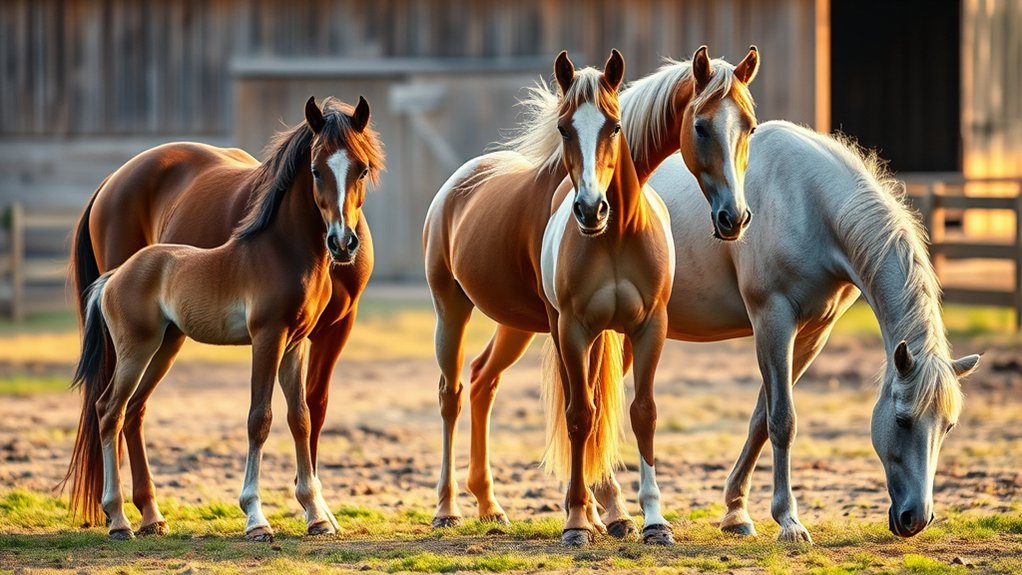
You’ll notice that a horse’s growth and development change quite a bit as they go from foal to adult. This means their care needs will shift too.
Then, as they get older and enter their senior years, you’ll want to tweak how you manage things, especially when it comes to joint health and nutrition.
Getting a good grasp on these key life stages makes it easier to give them the right support throughout their whole life.
Growth And Development
How does a horse grow and develop throughout its life? Understanding a horse’s growth and development by age helps you manage their care effectively. Here are three key stages:
- Foal to Weanling (0-7 months): A foal depends on its mother’s milk. Shifting to forage as a weanling is important. Early nutrition is essential for healthy growth.
- Active Growth (1-3 years): During this period, the horse experiences rapid development. The growth plates close around age 3. This signals the end of skeletal growth.
- Adult Stage (3-15 years): The horse reaches full maturity and peak athletic ability. This makes it the prime age for riding and competition.
Senior Care Needs
What changes should you expect as your horse enters its senior years? Senior horses, typically 15 years and older, face age-related conditions like arthritis, dental wear, and muscle loss. You’ll need to focus on regular veterinary care to monitor health issues and intervene early.
Tailored nutrition, including softer feeds and joint-support supplements, supports their well-being and longevity. Proper dental care and hoof care are vital to maintain comfort and mobility.
| Care Aspect | Importance |
|---|---|
| Regular Veterinary | Early detection of health issues |
| Dental Care | Prevents pain and aids digestion |
| Hoof Care | Supports mobility, prevents lameness |
Prioritize these to enhance your senior horse’s quality of life.
Genetic and Health Factors Affecting Horse Longevity
You need to understand how genetic factors influence a horse’s lifespan. See, certain breeds carry specific risks for health issues that can shorten their life.
For example, common challenges like metabolic disorders and joint problems often have genetic roots. These issues can really affect both longevity and quality of life.
By recognizing these breed-specific vulnerabilities, you can better manage your horse’s health. This way, you’re supporting a longer, healthier life for your horse.
It’s all about knowing what to watch out for and taking the right steps early on.
Genetic Influences On Lifespan
Although environmental factors play an essential role, a horse’s genetics considerably influence its lifespan by predisposing it to specific health conditions such as metabolic disorders or joint problems.
When evaluating a horse’s longevity, consider these genetic aspects:
- Breed differences: Certain breeds, like Arabians, exhibit greater genetic resilience, contributing to longer lifespans.
- Hereditary conditions: Genetic disorders such as congenital defects or hereditary lameness can reduce lifespan.
- Heritability of traits: Lifespan-related traits vary by genetics, and ongoing research aims to clarify these influences.
Understanding the role of genetics helps you appreciate how hereditary factors impact your horse’s health. While genetics set the foundation, good management and veterinary care remain essential for optimizing longevity.
Common Health Challenges
How do genetic and health challenges influence a horse’s lifespan? Genetic predispositions often set the stage for health complications that can shorten a horse’s life. For example, inherited abnormalities like crooked legs or dental issues may lead to early problems.
Chronic illnesses, including metabolic disorders such as equine metabolic syndrome and laminitis, also considerably impact longevity.
As horses age, age-related health conditions like arthritis and dental deterioration become common challenges you’ll need to manage. These issues can reduce mobility and feeding efficiency, affecting overall well-being.
Understanding these common health challenges allows you to implement proactive care strategies. By addressing genetic predispositions and monitoring for chronic illnesses and age-related conditions, you can help maintain your horse’s quality of life and potentially extend its lifespan.
Breed-Specific Longevity Risks
Why do some horse breeds outlive others? Breed-specific longevity risks come from genetic predispositions and health problems unique to each breed. Understanding these factors helps you manage your horse’s lifespan effectively.
Consider these key points:
Larger breeds like draft horses often face health problems related to their size, which limits their lifespan to 15-20 years.
Arabian horses show genetic resilience, allowing them to live into their 30s or 40s. They’ve endurance traits that really boost their longevity.
Some breeds have specific genetic vulnerabilities, like laminitis in Morgans or insulin resistance in ponies. These issues need tailored veterinary care to reduce risks.
Nutrition’s Role in Extending Horse Lifespan
When you provide a balanced, nutrient-rich diet tailored to your horse’s age and health, you actively support its overall longevity. Proper nutrition plays a crucial role in extending horse lifespan by promoting digestive health and preventing metabolic disorders.
Senior horses require softer, soaked feeds and supplements to maintain adequate nutrition and ease chewing. Managing feed to avoid excess grains helps reduce risks like laminitis.
Consistent nutritional assessments and feed management maintain ideal body condition, directly influencing health and longevity.
| Aspect | Importance | Recommendations |
|---|---|---|
| Forage | Supports digestion | High-quality fiber intake |
| Senior Horses | Require adapted nutrition | Soaked feeds, supplements |
| Feed Management | Prevents metabolic disorders | Limit grains, monitor weight |
| Nutritional Checks | Maintain body condition | Regular assessments |
| Health Impact | Extends lifespan | Balanced diet, tailored plans |
How Exercise Supports Horse Health and Lifespan
Although nutrition lays the foundation for a horse’s health, regular exercise plays an equally essential role in extending its lifespan. By incorporating routine movement into your horse’s daily care, you support crucial aspects of horse health that contribute to longevity.
Here’s how exercise benefits your horse:
- Maintains muscle tone, joint mobility, and cardiovascular health, all critical for a longer, healthier lifespan.
- Prevents obesity and metabolic disorders like laminitis, which can reduce lifespan.
- Provides mental stimulation, reducing boredom and promoting overall well-being.
Remember to tailor exercise to your horse’s age and condition to avoid injury. Consistent, moderate activity enhances circulation and helps spot health issues early, reinforcing how exercise positively impacts your horse’s lifespan.
Why Hoof and Dental Care Matter for Older Horses
Alongside regular exercise, maintaining your horse’s hoof and dental health becomes increasingly important as they age.
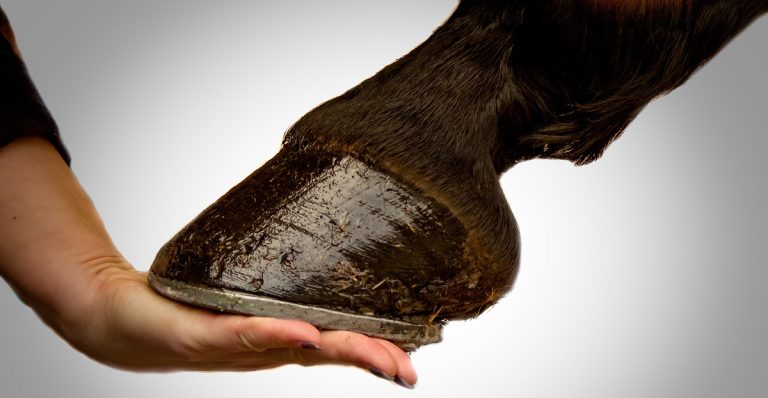
For older horses, routine hoof care prevents lameness, infections, and cracks that can severely impact mobility. Healthy hooves support aging joints, reducing strain and preserving quality of life.
Similarly, dental health is essential. Untreated issues like sharp points or missing teeth can cause pain and lead to nutritional deficiencies through improper chewing and digestion.
By prioritizing regular dental check-ups and consistent hoof trimming, you help guarantee early detection of age-related problems.
This proactive approach not only prevents discomfort but also extends your horse’s active years, helping maintain their overall well-being and longevity.
Impact of Living Conditions on Horse Lifespan
You can really make a big difference in your horse’s lifespan by giving them a stable environment that’s clean, well-ventilated, and roomy. It’s important to make sure they’ve access to pasture along with reliable shelter.
This way, they’re protected from harsh weather and face fewer health risks. All these things combined help support your horse’s overall well-being and help them live longer.
Stable Environment Quality
How does the quality of a horse’s stable environment influence its lifespan? A well-maintained stable environment plays a vital role in promoting longevity by minimizing health risks and stress.
Focus on these three key environmental factors:
- Clean Stable and Ventilation: Make certain the stable is clean and well-ventilated to reduce respiratory issues and infections. Good airflow prevents harmful buildup of ammonia and dust.
- Space for Movement and Shelter: Provide ample room in stalls and paddocks to support physical health and prevent joint problems. Proper shelter protects your horse from extreme weather, reducing stress and illness.
- Bedding and Sanitation: Maintain dry, safe bedding to avoid hoof infections and injuries. Regular sanitation prevents disease transmission and overcrowding-related stress.
Access To Pasture
Why does access to quality pasture matter so much for a horse’s lifespan? Pasture access provides essential forage that supports proper nutrition and digestive health, both vital for longevity. When your horse grazes naturally, it engages in natural behaviors that promote physical activity, helping maintain muscle tone and joint health.
Furthermore, ample pasture reduces environmental stressors, lowering risks of illness and injury. Consistent grazing also contributes to improved mental well-being by reducing stress levels.
However, you must manage pasture carefully to prevent overgrazing or exposure to toxic plants, which can cause nutritional deficiencies or health problems that shorten lifespan.
Prioritizing good pasture conditions ensures your horse benefits from balanced nutrition, physical exercise, and reduced stress. These are key factors in extending its healthy years.
Shelter And Weather Protection
A well-designed shelter plays a crucial role in extending a horse’s lifespan by protecting it from extreme weather conditions and reducing stress. Proper housing and weather protection prevent weather-related health issues like heatstroke, hypothermia, and respiratory diseases.
To guarantee your horse benefits from ideal environmental management, focus on these essentials:
- Provide well-maintained housing that’s dry and well-ventilated to reduce dampness and poor air quality.
- Shield your horse from extreme temperatures by offering adequate shelter during both summer and winter.
- Maintain consistent access to shelter so your horse can rest and recover, lowering injury risk and stress-related problems.
Veterinary Care Tips to Extend Horse Lifespan
While many factors influence a horse’s lifespan, consistent veterinary care plays a crucial role in extending it. You should schedule regular wellness exams to detect health issues early and address them promptly.
Consistent veterinary care and regular wellness exams are key to detecting and addressing health issues early.
A personalized health plan created with your veterinarian ensures timely interventions tailored to your horse’s needs.
Routine dental care is necessary to maintain proper chewing and digestion, preventing weight loss and complications.
Implementing preventative medicine, including vaccinations and parasite control, reduces the risk of infectious diseases.
Managing age-related conditions proactively, such as with joint injections, can improve your horse’s quality of life.
Signs of Aging That Affect Horse Lifespan
As your horse ages, you’ll notice several physical and behavioral changes that can impact their health and lifespan. Recognizing these signs of aging in your senior horse helps you manage their care effectively.
Key indicators include:
- Dental problems: Worn or elongated teeth can lead to poor nutrition and health decline.
- Weight loss and muscle atrophy: These often signal deteriorating health and require dietary adjustments.
- Mobility issues and arthritis: Stiffness, lameness, and joint pain affect your horse’s movement and comfort.
Additionally, behavioral changes like irritability or reduced responsiveness might indicate cognitive decline.
Monitoring these signs of aging closely helps ensure timely intervention, which can maintain your senior horse’s quality of life and potentially extend their lifespan.
Frequently Asked Questions
Can a Horse’s Lifespan Be Predicted by Its Color or Markings?
You can’t predict a horse’s lifespan solely by its color or markings. While coat patterns and markings might hint at certain breed longevity or genetic markers, they don’t provide reliable age prediction.
Instead, horse genetics and breed play a far bigger role in determining lifespan factors. Color influence and markings significance are minimal compared to genetics and quality care.
Focus on overall health and environment to better understand a horse’s lifespan.
How Does a Horse’s Mental Health Impact Its Longevity?
You’ll find that horses with strong social bonds and good anxiety management show up to 30% lower stress levels, directly boosting longevity.
By focusing on behavior patterns and mental stimulation, you enhance their cognitive health and emotional resilience.
Effective training effects reduce chronic stress, supporting better overall health.
When you prioritize mental well-being, your horse stays healthier longer, as improved stress management prevents immune suppression and promotes a longer, happier life.
Are There Specific Supplements Proven to Increase a Horse’s Lifespan?
No specific supplements have proven to increase a horse’s lifespan directly. Instead, focus on thorough care: diet management, exercise routines, and weight maintenance all play essential roles.
Pay attention to veterinary care, dental health, parasite control, and hydration strategies to support overall wellness.
Genetic factors also influence longevity, so combine good management with regular vet consultations to optimize your horse’s health.
Can Retired Horses Live as Long as Active Ones?
Yes, retired horses can live as long as active ones, but it hinges on several key factors. You’ll need to focus on diet management, hydration habits, and housing conditions tailored to their needs.
Incorporate gentle exercise routines to maintain health, and don’t overlook preventive medicine and stress reduction strategies. Veterinary care is essential for monitoring genetic factors and age-related issues.
With this thorough approach, your retired horse can enjoy a long, healthy life.
How Do Seasonal Changes Affect a Horse’s Aging Process?
Seasonal impact directly influences your horse’s aging through metabolic changes and hormonal fluctuations. Temperature effects can increase energy demands in cold or heat, affecting joint health and immune response.
Nutritional shifts during breeding seasons and forage variations alter exercise patterns and recovery. You’ll notice coat variations tied to daylight and hormone levels, signaling aging markers.
Managing these factors helps you support your horse’s longevity despite seasonal challenges.
Conclusion
Understanding your horse’s lifespan isn’t just about numbers; it’s about recognizing the subtle signs that reveal their health and happiness.
You might think you know what’s next, but the real key lies in how you care for them daily, from nutrition to hoof care. Keep a close eye on their changing needs, and you’ll discover the secret to extending their years.
The question is, are you ready to take that next step?