What Does Place Mean In Horse Racing: Understanding Bets and Finishes
Horse racing has its own unique terminology that can be confusing for newcomers, and understanding the term “place” is essential for following races and interpreting results. In racing, the concept of “placing” goes beyond simply winning; it refers to a horse finishing in one of the top positions, which can affect betting outcomes, prize distribution, and overall performance assessment.
Knowing what does place mean in horse racing helps enthusiasts, bettors, and casual fans grasp race results, understand wagering terms, and evaluate a horse’s consistency and competitiveness. This knowledge also allows you to follow commentary more accurately and make informed decisions when analyzing races. By understanding the meaning and implications of placing in horse racing, you gain a clearer perspective on the sport, enhancing both your appreciation of the races and your ability to engage with the competitive and strategic aspects of horse racing.
How Placement Works in Horse Racing
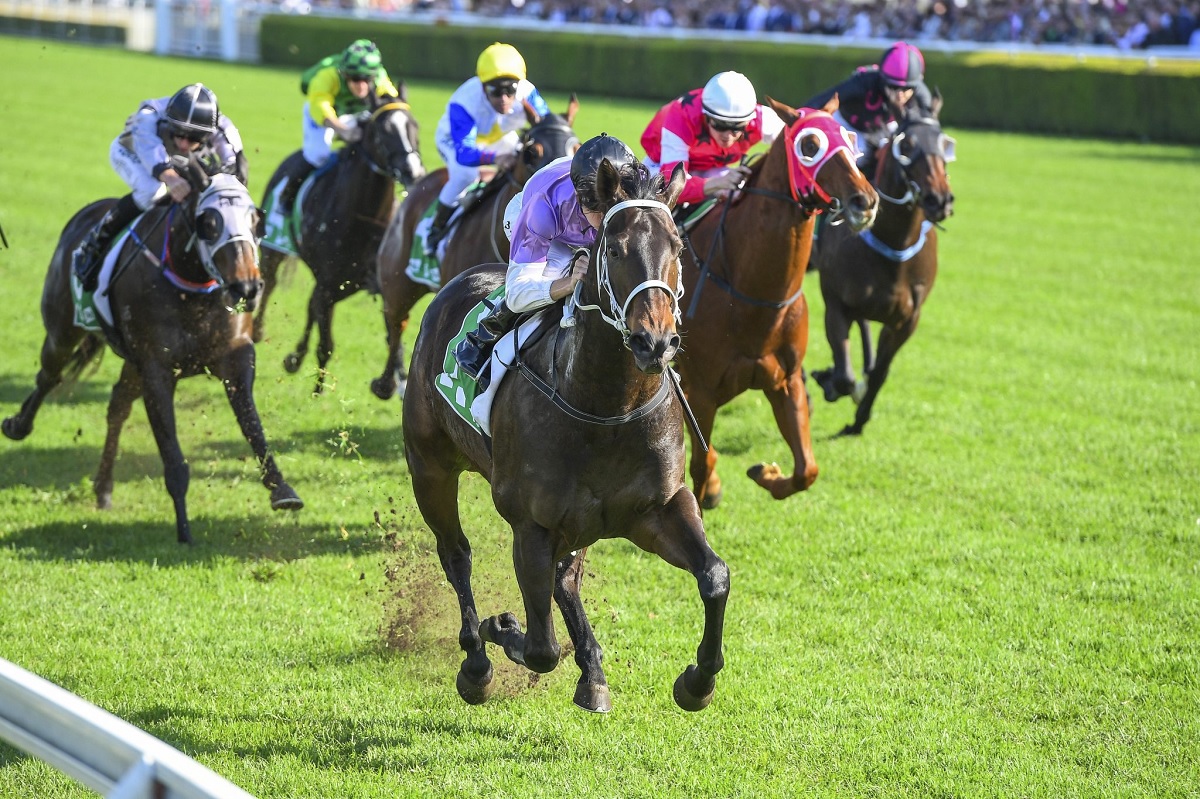
Placement in horse racing refers to the official finishing position of a horse in a race. Understanding how placement works is essential for evaluating performance, calculating payouts, and analyzing competition. Horses can “place” by finishing in top positions such as first, second, or third, depending on the rules of the race and the betting options involved. Knowing how placement is determined helps bettors, trainers, and fans interpret race outcomes, assess horse consistency, and make informed decisions regarding strategy and wagering.
Determining Official Placements
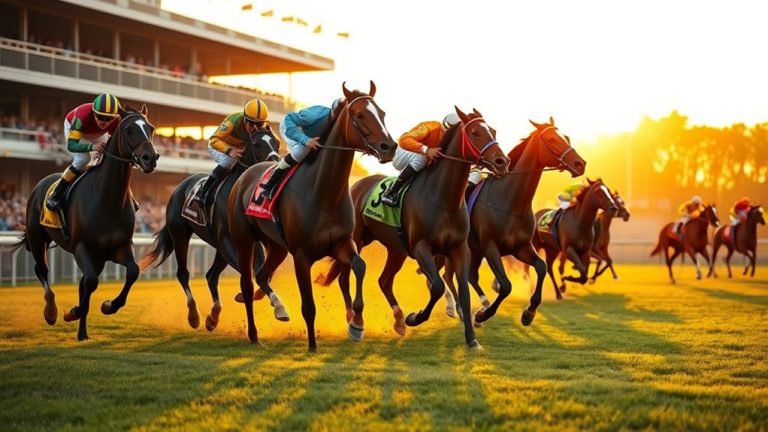
Official placements in horse racing are determined by the order in which horses cross the finish line, with timing equipment and photo finishes ensuring accuracy. Horses that finish first are designated as winners, while those finishing immediately after may be listed as placing or showing, depending on the number of top positions recognized in a particular race. Race stewards and judges confirm results, taking into account any fouls, interference, or disqualifications that may affect final standings.
This official placement impacts both the distribution of prize money and the outcome of wagers. For instance, in “win, place, show” betting, a horse that finishes in second or third position may still result in a payout for those who bet on it to “place” or “show.” Understanding how placements are determined allows trainers to assess their horses’ performance consistently and adjust strategies for future races. Bettors benefit from knowing the rules and nuances that govern official standings, enabling them to make smarter wagers based on historical performance and finishing tendencies. Accurate placement ensures fairness in competition and maintains confidence in race results across all stakeholders in the sport.
Placement and Betting Implications
Placement also plays a critical role in horse racing betting. Many wagering types, including “place” bets, rely on horses finishing within specific top positions. A horse that finishes first or second may fulfill a place bet, even if it does not win outright. This distinction affects potential payouts and can guide betting strategies, helping bettors understand risk and reward.
Trainers and jockeys also consider placement when planning race tactics. A consistent record of placing near the top demonstrates reliability and competitive ability, which can enhance the horse’s value and reputation. By understanding the relationship between placement, performance, and betting outcomes, enthusiasts and professionals alike gain insight into both the competitive and financial aspects of horse racing. This knowledge allows for informed decision-making, whether managing a horse’s career or participating in wagering, and highlights the strategic importance of each finishing position in the sport.
Betting on a Horse to Place
Betting on a horse to place is a popular wagering option that allows you to earn a payout if your chosen horse finishes in one of the top positions, usually first or second. This type of bet reduces risk compared to betting on a horse to win outright while still offering potential rewards. Understanding how betting on a horse to place works helps you make informed decisions, manage expectations, and analyze race strategies more effectively, enhancing your overall horse racing experience.
How Place Bets Work
A place bet is a wager where you predict that a horse will finish within a set top position, typically first or second. The exact number of positions that qualify as “placing” can vary depending on the race size or local regulations. If your horse finishes in any of these designated positions, your bet pays out, usually at lower odds than a win bet due to the increased likelihood of success.
Place bets provide a balance between risk and reward. They are ideal for bettors seeking more consistent returns or those who want to minimize the chance of losing while still participating in the excitement of racing. Analyzing a horse’s past performances, track conditions, and competition is key to predicting successful placements. By understanding the mechanics of place betting, you can better evaluate probabilities, calculate potential payouts, and make strategic wagers that align with your risk tolerance and betting goals.
Strategic Considerations for Place Betting
When betting on a horse to place, strategic analysis is essential. Factors such as the horse’s consistency in previous races, its ability to handle different track surfaces, and its typical finishing speed all influence the likelihood of placing. Jockey experience and racing conditions on the day of the event also play a significant role in determining outcomes.
Place betting allows for flexibility in risk management. Since your horse does not need to win outright, you can focus on selections that have a high probability of finishing near the top, even if they are not the fastest in the field. This strategy can lead to more consistent results over time, helping both casual bettors and professionals build confidence in their wagers. Understanding the nuances of place betting enhances both enjoyment and potential profitability in horse racing.
Factors Affecting a Horse’s Place
A horse’s finishing position in a race, or “place,” is influenced by multiple factors that affect performance, strategy, and outcome. Understanding these factors helps trainers, jockeys, and bettors evaluate a horse’s chances of placing consistently. Elements such as track conditions, the horse’s physical condition, competition level, and race distance all contribute to its performance. Recognizing how these variables interact provides insight into predicting race outcomes and making informed decisions about training, racing strategies, and betting.
Track Conditions and Surface
Track conditions play a significant role in determining a horse’s place in a race. Horses respond differently to various surfaces, such as dirt, turf, or synthetic tracks, and weather conditions like rain or heat can further impact performance. Some horses excel on firm, dry tracks, while others perform better in softer or muddy conditions. Understanding these preferences allows trainers to select suitable races and adjust strategies to maximize the horse’s performance.
Jockeys also consider track conditions when planning race tactics. Adjusting pace, positioning, and when to make a move is often influenced by how the horse handles the surface. For bettors, knowing how a horse performs under specific track conditions helps evaluate the likelihood of placing. Observing historical performance across similar conditions provides predictive insights and can be crucial for making informed decisions about expected outcomes and potential betting success.
Physical Condition and Stamina
A horse’s physical health and stamina significantly influence its ability to place in a race. Fatigue, recent injuries, or inadequate conditioning can reduce performance and hinder the horse’s ability to maintain speed or respond to jockey cues. Proper training, nutrition, and rest are essential to ensure peak performance during races.
Stamina is particularly important in longer races, where conserving energy while maintaining competitive positioning can determine finishing position. A well-conditioned horse can sustain speed through multiple furlongs and respond effectively during critical segments of the race. Observing a horse’s training regimen, past race distances, and recovery rates provides insights into its potential to place. Maintaining optimal physical condition enhances consistency and reliability, increasing the likelihood of achieving top positions in competitive racing environments.
Competition and Race Strategy
The level of competition in a race also impacts a horse’s ability to place. Facing stronger or more experienced horses may affect finishing positions, as the pace, positioning, and tactical decisions become more complex. Race strategy, including starting position, early pace, and timing of acceleration, is crucial in determining placement.
Jockeys must balance the horse’s capabilities with the competition’s strengths and weaknesses. Positioning during turns, responding to other horses’ moves, and choosing when to push for speed all influence the final outcome. By analyzing competition and adjusting strategies accordingly, trainers and jockeys can improve the horse’s chances of placing. Understanding these strategic and competitive factors is essential for predicting performance, enhancing training decisions, and making informed betting choices in horse racing.
Tips for Betting on a Horse to Place
Betting on a horse to place requires strategy, research, and understanding the dynamics of the race. Unlike a win bet, a place bet pays out if the horse finishes in one of the top positions, usually first or second. Knowing how to evaluate a horse’s past performance, track conditions, and competition increases your chances of making informed wagers. Applying practical tips for place betting helps you manage risk, anticipate outcomes, and maximize potential returns while enjoying the excitement of horse racing.
Research Past Performance
One of the most effective tips for betting on a horse to place is analyzing its past performance. Look at recent races, track conditions, and the distances the horse has run. Consistency in finishing near the top is a strong indicator that the horse can place again. Consider the horse’s speed, stamina, and responsiveness to jockey commands, as these factors directly influence its ability to secure a top position.
Studying patterns over multiple races helps you identify horses that perform well under similar circumstances. Pay attention to track surface preferences, competition level, and finishing times. Horses that consistently finish in the top positions, even without winning, are prime candidates for place bets. By focusing on historical performance data, you reduce uncertainty and increase the likelihood of successful wagers, making your betting experience more strategic and informed.
Consider Track Conditions and Competition
Track conditions and the level of competition are also crucial when betting on a horse to place. Some horses perform better on certain surfaces, like turf or dirt, while others excel in specific weather conditions, such as rain or heat. Evaluate the track condition on race day and how it aligns with the horse’s strengths.
Competition is equally important. A horse may have a strong record, but if it faces more experienced or faster horses, its chances of placing may be affected. Assessing both the horse’s abilities and the competitors helps you make informed decisions. Understanding these factors allows you to select horses that are likely to finish in the top positions, increasing the potential for profitable place bets while minimizing risk.
FAQs
What Does Place Mean in Horse Racing?
In horse racing, placing refers to a horse finishing in one of the top positions, usually first or second. When you bet on a horse to place, it doesn’t need to win outright, but it must finish within the designated top spots to earn a payout. Understanding this term is crucial for evaluating performance, interpreting results, and making informed betting decisions. Placing also impacts prize money distribution, with top positions receiving larger portions of the purse. By knowing what placing entails, you gain insight into both competitive outcomes and wagering strategies.
How Is a Horse’s Place Determined?
A horse’s place is determined by its official finishing position at the end of a race. Judges and stewards use timing systems, photo finishes, and race observation to ensure accuracy. Horses that cross the finish line first are winners, while those immediately after may be classified as placing or showing. Any disqualifications, fouls, or interference are also considered when confirming placement. Knowing how places are determined helps you interpret race outcomes accurately, evaluate horse performance, and understand betting results for wagers such as place or show bets.
What Is the Difference Between Win, Place, and Show?
Win, place, and show are common horse racing betting terms. A win bet requires your horse to finish first, a place bet pays out if your horse finishes first or second, and a show bet pays out if it finishes first, second, or third. Understanding the difference allows you to choose the level of risk and potential reward you are comfortable with. Place bets are popular for reducing risk while still offering a chance to earn money. Knowing these distinctions enhances both betting strategy and comprehension of race results.
Can a Horse Place Without Winning?
Yes, a horse can place without winning. In most races, a horse that finishes second (and sometimes third, depending on the betting rules) is considered to have placed. Place bets allow you to earn a payout even if your horse does not win outright. This type of bet is ideal for horses that consistently perform well but may not always secure first place. Understanding that a horse can place without winning helps you make strategic betting decisions while still minimizing risk.
How Does Placing Affect Payouts?
Placing directly influences payouts in horse racing, particularly for place and show bets. The payout for a place bet is usually lower than a win bet because it is easier for a horse to finish in the top positions. However, the chance of winning money is higher. Knowing how placing affects payouts helps you calculate potential earnings, evaluate risk, and make informed betting choices. It also allows you to balance your betting strategy between higher-risk win bets and safer place bets for consistent returns.
Does Track Condition Influence a Horse’s Place?
Yes, track conditions significantly impact a horse’s ability to place. Some horses perform better on dirt, turf, or synthetic surfaces, and weather conditions like rain or heat can affect speed and stamina. Understanding how track conditions influence performance helps you predict which horses are more likely to finish in the top positions. By analyzing past performances under similar conditions, you can make more informed decisions when betting on a horse to place and improve your chances of selecting a horse that will perform well.
Why Is Placing Important for Trainers and Jockeys?
Placing is important for trainers and jockeys because it reflects a horse’s consistency, competitiveness, and overall performance. A horse that consistently places near the top enhances its reputation, value, and earning potential. Trainers use placing data to adjust training strategies, while jockeys study it to plan race tactics effectively. Understanding placing helps both professionals and bettors gauge a horse’s abilities, predict race outcomes, and make informed decisions, making it a critical aspect of evaluating performance and strategy in horse racing.
Conclusion
Understanding the concept of placing in horse racing is essential for both new and experienced bettors. Knowing what does place mean in horse racing helps you make informed decisions when predicting a horse’s finishing position and planning your bets strategically. A place bet offers a balance between risk and reward, as it pays out if the horse finishes in the top two or three positions, depending on the track rules.
By paying attention to a horse’s past performance, track conditions, and the skill of the jockey, you can improve your chances of selecting a horse that is likely to place. Additionally, understanding place bets allows you to diversify your betting strategy, combining them with other bet types to maximize potential returns. Overall, grasping what does place mean in horse racing ensures a smarter, more enjoyable, and potentially profitable experience for anyone participating in horse racing.