What Is a Trail Ride: Tips, Techniques, and Safety Guidelines
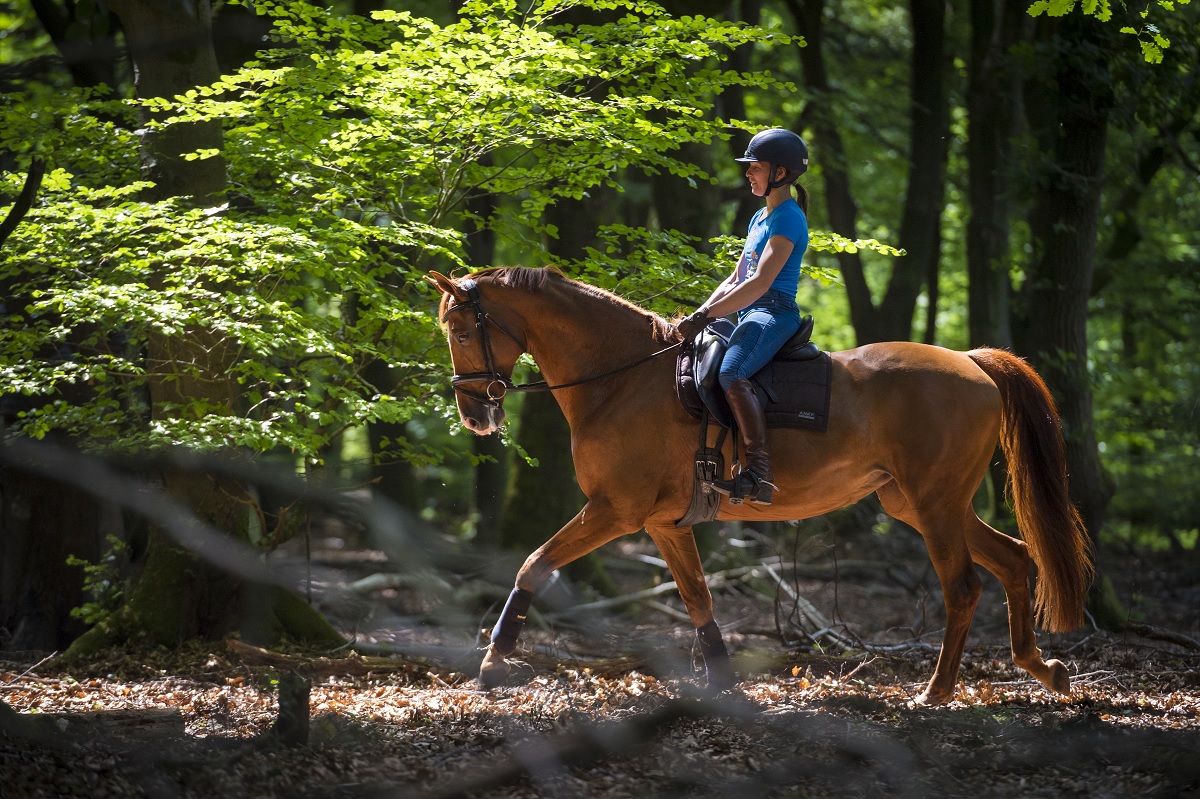
Trail riding is one of the most enjoyable ways to experience nature on horseback, combining the thrill of riding with the beauty of outdoor landscapes. Many riders wonder what is a trail ride, and understanding its essence helps beginners and experienced equestrians alike appreciate this activity. A trail ride involves riding a horse along designated paths, trails, or natural terrain, often through forests, fields, or scenic areas.
Unlike arena riding, trail rides emphasize exploration, connection with the environment, and the partnership between horse and rider. Riders encounter varied terrain, gentle obstacles, and changing scenery, making each ride unique. Trail rides can be leisurely for relaxation, moderate for fitness, or adventurous for challenge. Learning about trail riding provides insight into planning, safety, and horse care, ensuring a rewarding and enjoyable experience for both horse and rider.
Types of Trail Rides
Trail rides come in a variety of types, each offering unique experiences for riders and horses. From leisurely scenic rides to challenging adventure trails, understanding the different styles helps you choose a ride that matches your skill level, fitness, and interests. Trail rides can be short or long, guided or independent, and may involve varying terrain, obstacles, or natural features. Knowing the types of trail rides available allows riders to plan safely, enjoy the journey, and enhance the connection with their horse while exploring the outdoors.
Leisure Trail Rides
Leisure trail rides are designed for relaxation, enjoyment, and sightseeing rather than intense physical activity. These rides typically occur on well-maintained trails with gentle terrain, making them ideal for beginners, families, or riders looking for a calm outdoor experience. Horses move at a comfortable pace, often walking or slow trotting, allowing riders to take in the surrounding scenery, wildlife, and natural features.
Leisure rides prioritize comfort and safety over distance or difficulty, making them accessible for riders of all ages. These rides often include stops for photos, rest, or grazing breaks for the horses. The relaxed pace reduces stress on the horse and rider, ensuring a positive experience. Learning proper riding posture and basic trail etiquette during leisure rides also helps build confidence and prepares riders for more challenging trails in the future.
Adventure and Endurance Trail Rides
Adventure trail rides are more challenging and designed for riders seeking excitement, fitness, and skill development. These rides often cover varied terrain, including hills, rivers, forests, or rocky paths, requiring horses and riders to navigate obstacles and changes in footing. Adventure rides test balance, coordination, and communication between horse and rider, providing a more engaging and physically demanding experience.
Endurance trail rides, a type of adventure ride, focus on covering long distances over several hours or even days. They challenge both stamina and strategic planning, as riders must pace themselves and their horses, manage hydration, and monitor energy levels. These rides often require prior experience and preparation, including conditioning the horse, ensuring proper tack, and understanding trail navigation. Adventure and endurance trail rides reward participants with a sense of accomplishment, enhanced horsemanship skills, and a deeper bond with their horse.
Group and Guided Trail Rides
Group and guided trail rides involve riding with a leader or instructor who knows the trail and manages pace, safety, and navigation. These rides are common for beginners, tourists, or riders unfamiliar with the area. The guide provides instructions, ensures the group stays together, and handles unexpected challenges on the trail.
Group rides also foster social interaction and camaraderie among riders, offering opportunities to share knowledge, observe horse behavior, and enjoy a shared outdoor experience. Guided rides can vary in length and difficulty, from short scenic tours to full-day excursions. For new riders, guided trail rides build confidence and understanding of trail etiquette, horse handling in a group setting, and safe navigation of diverse terrain. These rides provide a structured, enjoyable, and educational experience for all participants.
Preparing for a Trail Ride
Preparation is key to ensuring a safe and enjoyable trail ride for both horse and rider. Proper planning includes checking equipment, understanding the trail, and conditioning both horse and rider for the journey. Preparing ahead of time minimizes risks, prevents injuries, and enhances the overall experience. Being well-prepared allows you to focus on the ride, enjoy the scenery, and maintain control and comfort while navigating various terrains, obstacles, and environmental conditions.
Checking Equipment and Tack
Before a trail ride, inspecting your horse’s equipment is essential. Ensure the saddle fits properly, the bridle is secure, and all straps, buckles, and girths are in good condition. Ill-fitting tack can cause discomfort, sores, or even accidents on the trail. Riders should also wear a helmet, sturdy boots with a heel, and weather-appropriate clothing. Carrying essentials such as water, a first-aid kit, and a small saddlebag can improve comfort and preparedness for unexpected situations.
Properly checking and adjusting tack ensures both horse and rider remain safe and comfortable. Taking time to groom the horse and check hooves for debris or damage also prevents discomfort during the ride. A well-prepared horse responds better to cues, maintains energy levels, and enjoys the ride, creating a safer and more enjoyable experience for the rider.
Conditioning and Familiarization
Conditioning your horse for trail rides is important to prevent fatigue or injury. Gradually increase the horse’s exposure to trails, varied terrain, and different speeds to build stamina, strength, and confidence. Similarly, riders should practice balance, posture, and rein control in safe environments before tackling more challenging trails.
Familiarizing both horse and rider with trail environments reduces stress and anxiety during the ride. Walking or trotting on smaller trails, practicing obstacles, and exposing the horse to natural elements like water, mud, or uneven surfaces prepares them for longer or more difficult excursions. Proper conditioning ensures that both horse and rider can handle the demands of the trail safely and enjoyably, making preparation an essential part of trail riding.
Trail Riding Techniques
Mastering trail riding techniques enhances both safety and enjoyment for horse and rider. Techniques involve proper posture, rein control, speed management, and navigating varied terrain. Understanding how to communicate effectively with your horse and adapt to environmental challenges ensures a smooth, confident ride. Trail riding skills differ from arena riding, emphasizing balance, awareness, and responsiveness while negotiating obstacles, uneven surfaces, and natural features, allowing both horse and rider to move efficiently and comfortably across trails.
Maintaining Proper Posture and Balance
Proper posture is essential for effective trail riding. Keeping a relaxed, upright position with shoulders back and heels down helps maintain balance while navigating uneven terrain. Riders should engage their core muscles and keep a gentle but steady contact with the reins to communicate clearly with the horse.
Adjusting your position according to the terrain is important. Leaning slightly forward when going uphill or shifting weight back on descents supports the horse and prevents strain. Smooth movements and avoiding sudden shifts in balance help the horse maintain steady footing and energy. Practicing posture and balance regularly improves comfort, reduces fatigue, and ensures a safer, more controlled ride, especially during longer or more challenging trail rides.
Controlling Speed and Pace
Controlling speed is a key trail riding technique. Horses should maintain a comfortable pace that suits both the rider’s skill level and the trail conditions. Walking is often the safest pace for rough or narrow paths, while trotting or cantering may be appropriate on open, even terrain. Riders should signal transitions smoothly, allowing the horse to adjust gradually without losing balance.
Maintaining a consistent pace reduces stress on the horse’s joints and hooves, prevents accidents, and ensures endurance over longer trails. Observing the horse’s behavior and energy helps determine when to slow down or rest. Skilled speed management improves safety, promotes horse welfare, and enhances the overall trail riding experience.
Navigating Obstacles and Terrain
Trail rides often involve natural obstacles such as streams, rocks, fallen branches, or hills. Effective trail riding techniques include approaching obstacles confidently, keeping a steady rhythm, and guiding the horse with subtle cues. Riders should assess the footing, adjust their position, and maintain a calm demeanor to help the horse navigate safely.
Practicing obstacle navigation improves the horse’s confidence and responsiveness. It also teaches the rider to read the terrain and anticipate challenges, minimizing the risk of slips or injuries. Proper techniques for navigating diverse surfaces ensure a smooth ride, enhance communication with the horse, and allow both horse and rider to enjoy varied and adventurous trails safely.
Benefits of Trail Riding
Trail riding offers numerous physical, mental, and emotional benefits for both horse and rider. Beyond the enjoyment of exploring nature, it enhances fitness, builds confidence, and strengthens the bond between horse and rider. Riding on varied terrain challenges balance, coordination, and stamina, while exposure to natural environments reduces stress and promotes relaxation. Understanding the benefits of trail riding helps riders appreciate its value as a holistic activity, combining exercise, skill development, and outdoor adventure in a rewarding and engaging way.
Physical Benefits for Riders and Horses
Trail riding provides an effective form of physical exercise for both horse and rider. Riders improve core strength, balance, and posture while navigating uneven terrain and varying speeds. Using different muscles during walking, trotting, or cantering enhances overall fitness and endurance.
Horses also benefit physically from trail riding. Traversing hills, streams, and diverse surfaces strengthens their muscles, joints, and hooves while promoting cardiovascular health. Regular trail riding encourages natural movement patterns, supports hoof wear, and maintains healthy weight. The variety of terrain ensures both horse and rider engage multiple muscle groups, improving coordination and flexibility. Consistent physical activity through trail riding promotes long-term health, energy, and vitality for both participants.
Mental and Emotional Benefits
Trail riding has significant mental and emotional advantages. For riders, spending time outdoors, observing nature, and focusing on the horse promotes relaxation, reduces stress, and enhances mindfulness. Trail rides can serve as a therapeutic activity, boosting mood and overall well-being.
Horses also gain mental stimulation from trail rides. Exposure to different sights, sounds, and terrains encourages problem-solving, confidence, and adaptability. Navigating obstacles and new environments keeps horses alert and engaged, reducing boredom that can occur in stabled settings. The shared experience strengthens trust and communication between horse and rider, fostering a positive emotional connection that benefits both in everyday training and handling.
Social and Experiential Benefits
Trail riding can also offer social and experiential benefits. Group rides or guided excursions provide opportunities to connect with other riders, share knowledge, and enjoy a sense of community. Discussing techniques, trail etiquette, and horse care strengthens social bonds while enhancing riding skills.
The experiential benefits include exploring scenic landscapes, observing wildlife, and experiencing natural challenges that promote problem-solving and confidence. Each trail ride presents unique adventures, making riding enjoyable and memorable. These experiences enrich the relationship between horse and rider, encourage outdoor engagement, and create lasting memories, highlighting trail riding as a multifaceted activity that benefits body, mind, and spirit.
Common Challenges During Trail Rides
Trail rides offer adventure and enjoyment, but they also come with common challenges that riders must anticipate and manage. Uneven terrain, obstacles, weather conditions, and horse behavior can all impact safety and the overall experience. Understanding these potential challenges helps riders prepare appropriately, adapt to changing conditions, and maintain control. By being aware of common issues, riders can ensure a safer, more enjoyable ride while supporting their horse’s comfort and well-being throughout the journey.
Navigating Difficult Terrain
One of the most frequent challenges during trail rides is navigating difficult terrain. Trails may include steep hills, rocky paths, muddy sections, or uneven ground, all of which can affect balance and footing for both horse and rider. Horses may stumble or lose traction, requiring riders to maintain proper posture, rein control, and attentiveness.
Preparation, such as conditioning the horse for varied surfaces and adjusting pace according to trail difficulty, is essential. Assessing each section of the trail before attempting it helps prevent accidents and reduces stress on the horse’s joints and hooves. Skilled navigation improves confidence, ensures smoother travel, and allows riders to tackle trails safely while keeping the horse comfortable.
Managing Horse Behavior
Horse behavior is another common challenge during trail rides. Horses may become spooked by wildlife, unfamiliar objects, or sudden noises, leading to hesitation, bolting, or resistance. Proper training, desensitization, and calm handling are essential to maintaining control. Riders must remain patient, confident, and consistent in giving cues to guide the horse safely.
Group dynamics can also influence behavior, as dominant or nervous horses may affect others on the trail. Observing the horse’s body language, maintaining a safe distance from other horses, and using steady rein control helps manage behavior effectively. Anticipating potential triggers ensures the ride remains safe, enjoyable, and stress-free for both horse and rider.
Environmental and Weather Challenges
Weather and environmental conditions can also pose challenges during trail rides. Rain, wind, or extreme heat can affect footing, visibility, and horse stamina. Muddy trails increase the risk of slipping, while cold or wet conditions may cause discomfort or fatigue. Riders must plan rides according to weather forecasts, bring appropriate gear, and monitor both horse and personal energy levels.
Environmental obstacles, such as fallen branches, streams, or narrow paths, require careful attention and technique. Preparing for these conditions through proper conditioning, equipment checks, and adaptive riding strategies helps riders navigate challenges safely. Awareness and proactive planning ensure that environmental factors do not compromise the trail riding experience.
Frequently Asked Questions
What Is A Trail Ride And How Does It Differ From Regular Riding?
A trail ride is a horseback ride that takes place on designated trails, natural landscapes, or open terrain, rather than within an arena. Unlike regular riding, which often focuses on training, exercises, or competitions, a trail ride emphasizes exploration, leisure, and enjoyment of the surroundings. You move at a pace suited to the trail and the horse, navigating varying terrain like forests, hills, or rivers. Trail rides also offer opportunities to bond with your horse while experiencing nature, making it a unique and rewarding alternative to conventional riding practices.
What Should You Wear On A Trail Ride?
Wearing the right gear is crucial for comfort and safety during a trail ride. You should wear a certified riding helmet to protect your head, sturdy boots with a heel to prevent slipping from the stirrup, and comfortable pants such as breeches or jeans. Layered clothing helps you adjust to temperature changes along the trail, and gloves can provide extra grip on the reins. Bright or reflective clothing may also be useful if you ride near public paths. Proper attire ensures you stay safe and enjoy the ride comfortably.
How Long Does A Typical Trail Ride Last?
The duration of a trail ride can vary widely depending on the trail difficulty, your experience, and the horse’s stamina. Short rides may last 30 minutes to an hour for beginners or leisure outings, while more advanced or endurance-focused rides can last several hours. You should pace the ride to match the horse’s energy levels and take breaks as needed. Preparing for a longer ride includes bringing water, snacks, and checking the trail conditions. By planning appropriately, you ensure both you and your horse can enjoy the ride safely and comfortably.
What Types Of Trails Are Common For Trail Riding?
Trail rides can take place on a variety of terrains, including forest paths, mountains, riversides, deserts, and even beach areas. Each type of trail offers different challenges and scenic experiences. Rocky or uneven terrain tests your horse’s agility, while open fields allow for a steadier pace. You should consider your skill level and your horse’s experience when choosing a trail. Trails may also vary in length and accessibility, so planning ahead ensures you select a route that is both safe and enjoyable for the entire ride.
How Do You Prepare Your Horse For A Trail Ride?
Preparation is key to a safe and enjoyable trail ride. You should ensure your horse is comfortable with tack and has been gradually exposed to outdoor environments and various terrains. Checking the horse’s health, shoes, and hooves before the ride helps prevent injuries. Training your horse to respond calmly to obstacles, wildlife, or sudden noises improves safety. Additionally, warming up before heading onto the trail can prevent stiffness. A well-prepared horse is more confident, responsive, and capable of handling the diverse conditions encountered on a trail ride.
What Safety Measures Should You Take During A Trail Ride?
Safety is critical while trail riding. You should always wear a helmet and appropriate riding gear, keep a first-aid kit accessible, and ride with a partner when possible. Carrying a mobile phone, water, and a map of the trail ensures preparedness for emergencies. Pay attention to weather conditions and the trail environment, maintaining a pace suited to the horse’s ability. You should also follow trail etiquette, avoid overcrowded paths, and be alert for obstacles or wildlife. These precautions help you enjoy the trail ride confidently while minimizing risks.
Can Beginners Go On A Trail Ride?
Yes, beginners can go on trail rides, but it’s important to start with easy trails and experienced guidance. Riding with an instructor or experienced rider helps you learn how to handle your horse on different terrains and navigate obstacles safely. Short rides on well-maintained paths are ideal for building confidence and skill. You should also ensure your horse is suitable for beginners, calm, and responsive. With proper preparation, guidance, and gradual exposure to varied trails, beginners can enjoy trail riding safely while developing both riding skills and a strong bond with their horse.
Final Words
Trail riding offers a unique way to experience the outdoors while strengthening the bond between horse and rider. Understanding what is a trail ride helps you appreciate the combination of adventure, skill, and connection involved in navigating natural terrain. Trail rides vary in length, difficulty, and style, from leisurely scenic rides to challenging endurance trails, providing opportunities for riders of all experience levels. Preparing properly, using correct techniques, and understanding horse behavior ensures safety and enjoyment.
The activity promotes physical fitness, mental relaxation, and emotional well-being for both horse and rider, while exposing participants to beautiful landscapes and natural challenges. Learning about what is a trail ride equips riders to choose suitable trails, plan appropriately, and maximize the experience. Ultimately, trail riding is more than a recreational activity—it’s an enriching experience that combines horsemanship, exploration, and outdoor adventure in a rewarding and memorable way.