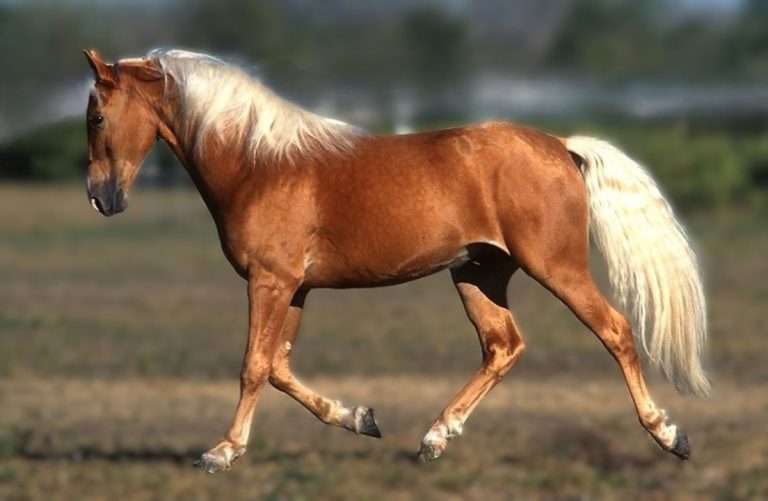
How Much Do Racing Horses Weigh?
Racing horses typically weigh between 450 and 550 kilograms (1,000 to 1,200 pounds), though exact weight varies by breed, age, and training. Breeds like Thoroughbreds average around 500 kg, while Quarter Horses and Standardbreds may differ slightly.
Factors such as gender, diet, and health also affect their weight. During races, horses carry regulated loads, usually 112 to 126 pounds, including jockey and equipment. Understanding these details helps you grasp racehorse performance and management nuances.
What Is the Average Weight of a Racing Horse?

A racing horse typically weighs between 450 and 550 kilograms (1,000 to 1,200 pounds).
Most Thoroughbreds average around 500 kilograms (1,100 pounds).
When you consider racehorse weight, you’ll notice that the average weight of around 470 to 515 kilograms (1,036 to 1,136 pounds) is common across many individuals within this category.
This range accounts for variations in age, gender, and minor breed differences, although Thoroughbreds tend to be on the lighter side compared to draught breeds.
Some racers may weigh up to 570 kilograms (1,257 pounds), but that’s less typical.
In stones, you’re looking at an average racehorse weight of approximately 16.4 to 18.3 stones, which translates to 104 to 116 kilograms of lean muscle mass supporting ideal racing performance.
How Different Breeds Affect Racehorse Weight
You’ll notice that racehorse weight varies quite a bit across different breeds because of their size and muscle makeup.
For instance, Thoroughbreds usually weigh around 1,100 pounds. On the other hand, Standardbreds tend to be lighter, while Shires are much heavier.
These physical traits don’t just change the horse’s weight—they also impact how well the horse performs on the track.
Breed Weight Variations
Although racehorse weight varies widely, breed plays a crucial role in determining these differences. Each breed has evolved specific weight ranges that align with their racing or work functions.
When evaluating breed weight variations, note these distinctions:
Thoroughbreds weigh between 881-1190 lbs, focusing on speed and agility.
Quarter Horses range from 900-1200 lbs, built for powerful short-distance bursts.
Larger breeds like Clydesdales weigh 1800-2430 lbs, designed more for strength than racing.
These breed-specific weight differences arise from genetic and physiological adaptations.
Understanding breed weight variations helps you predict performance capabilities and suitability for racing types.
Physical Traits Impact
Breed differences clearly influence racehorse weight, but the underlying physical traits play a crucial role in shaping these variations. When you examine different breeds, you’ll see that body weight correlates strongly with muscle mass, skeletal structure, and overall build.
For instance, Thoroughbreds weigh between 881 and 1190 lbs due to their sleek, muscular frames optimized for speed.
In contrast, Clydesdales, weighing 1800 to 2200 lbs, have massive, muscular bodies built for strength, markedly increasing their horse’s body weight.
Quarter Horses, with their solid, muscular physique, typically range from 900 to 1200 lbs, balancing power and agility.
Standardbreds are lighter and more compact, averaging 800 to 1000 lbs, reflecting their harness racing specialization.
Shires, the largest, weigh 1870 to 2430 lbs, their substantial skeletal and muscular development dominating their body weight.
Performance and Size
When evaluating racehorse performance, size and weight play essential roles that vary considerably across breeds. The racehorse’s body mass directly influences speed, endurance, and sprint capability. This makes breed-specific weight ranges critical for performance optimization.
For example:
Thoroughbreds weigh 1,050 to 1,200 pounds, emphasizing speed and agility.
Quarter Horses balance muscle mass and speed with weights between 900 and 1,200 pounds.
Arabians maintain a lighter body mass of 800 to 1,000 pounds, enhancing endurance.
These variations stem from differences in muscle structure and body frame, reflecting each breed’s specialization.
Understanding these weight distinctions helps you assess a racehorse’s potential in different racing conditions. This way, you can predict performance outcomes more accurately.
How Age Influences Racehorse Weight
You’ll notice that a racehorse’s weight changes a lot as they grow up, especially during those rapid growth phases from foal to adult.
When they’re young, they tend to be lighter and less muscular. Then, as they become adults, their weight stabilizes more.
But it’s not just a simple steady increase. Even after they’ve matured, things like metabolism and training can cause their weight to go up and down from time to time.
Weight Changes With Age
Although racehorses experience significant weight fluctuations throughout their lifespan, these changes follow predictable patterns tied closely to age. When considering horse breeds, foals start at about 7% of the mare’s weight, roughly 99-121 lbs.
As horses age, rapid growth during adolescence causes notable weight increases. Once adulthood is reached, weight stabilizes but may decline gradually due to metabolic slowdown or health factors.
You’ll notice that young horses rapidly gain mass during adolescence.
Adult racehorses maintain relatively stable weight. Older horses often lose weight due to health or metabolic changes.
Understanding these patterns helps you manage nutrition and training effectively throughout the horse’s life stages, ensuring ideal performance and well-being.
Growth Phases Impact
Since a racehorse’s weight directly influences its speed and endurance, understanding how growth phases affect weight is essential for trainers and breeders.
At birth, a foal’s weight is about 7% of the mare’s weight, typically ranging between 99 and 121 pounds depending on breed.
During adolescence, the horse experiences rapid growth, with significant weight increases as musculoskeletal development progresses.
Between two and five years, the horse’s weight continues to rise steadily, reflecting ongoing physical maturation.
This growth phase demands careful monitoring to optimize nutrition and training, ensuring the horse develops appropriate muscle mass and skeletal strength.
Recognizing how age-related growth impacts weight allows you to tailor management strategies effectively, enhancing performance potential while minimizing injury risk during these critical developmental stages.
Adult Weight Stabilization
When racehorses reach adulthood, their weight typically stabilizes, usually hitting an ideal range between ages four and five. At this stage, a racehorse weighs around its perfect racing weight, which is essential for peak performance.
Growth rates slow considerably after age three, so maintaining consistent weight becomes critical. You’ll notice adult weight stabilization requires vigilant management because metabolic changes influence weight maintenance.
Key factors to monitor include diet adjustments to match metabolic demands, regular health assessments to detect fluctuations, and controlled exercise regimes to prevent unwanted weight changes.
Older racehorses may experience slight weight variations due to health or seasonal factors, but their adult weight remains relatively stable. Monitoring and managing this stability ensures consistent racing performance and longevity in the sport.
How Gender, Diet, and Health Affect Racehorse Weight
Understanding how gender, diet, and health affect a racehorse’s weight is essential for optimizing performance and training strategies. Stallions generally weigh more than mares or geldings because they have greater muscle mass. You must tailor the diet carefully. Overfeeding leads to excess weight, while underfeeding causes loss, and both can impair performance.
Health complications such as illness or injury can rapidly alter weight by impacting appetite and metabolism. Monitoring these factors guarantees the horse stays within ideal weight ranges.
| Factor | Impact on Weight | Management Approach |
|---|---|---|
| Gender | Stallions heavier | Adjust expectations based on sex |
| Diet | Over/underfeeding alters weight | Balanced, activity-specific nutrition |
| Health | Illness/injury causes loss/gain | Regular vet checks for early detection |
Racehorse Weight Limits in Horse Racing

You’ll usually see racehorses carrying somewhere between 112 and 126 pounds. This weight isn’t random—it gets adjusted depending on things like the type of race, the horse’s age, and whether it’s male or female. All these tweaks help keep the competition fair.
On top of that, there are regulations that set strict weight limits. Sometimes these limits are based on a percentage of the horse’s own body weight, which makes sure the horses stay safe and the races stay balanced.
When you understand how these weights are assigned, it’s easier to see how they can actually affect the outcome of a race.
Weight Carrying Regulations
Although racehorse weight limits vary by region and race conditions, regulations in the United States typically require horses to carry between 112 and 126 pounds during a race. The weight in a single race is carefully controlled to ensure fairness and safety.
Race regulations dictate that this weight includes the jockey, saddle, and equipment combined. You’ll notice:
- Most horses carry about 15-20% of their body weight.
- In races without specific weight rules, the limit is generally no more than 10% of the horse’s body weight.
- A 1,000-pound horse typically carries between 112 and 150 pounds, depending on race conditions.
These regulations help maintain competitive balance and protect the horse’s wellbeing throughout the race.
Factors Affecting Assigned Weight
When determining the weight a racehorse must carry, officials consider multiple factors beyond standardized regulations. The assigned weight depends on race regulations specifying limits, typically between 112 and 126 pounds. You’ll find these limits vary with race type, age, sex, and specific race conditions.
In handicap races, better-performing horses carry more weight to balance competition, directly influencing the assigned weight. Regulations often require horses to bear 15-20% of their body weight, which you must factor in when calculating race limits.
Moreover, a horse’s breed, size, and overall health affect the final weight assignment. Understanding these variables helps you grasp how race regulations and individual horse characteristics interact to define the precise assigned weight in horse racing events.
How to Accurately Measure Racehorse Weight
Accurately measuring a racehorse’s weight requires using calibrated electronic scales or specialized weight tapes designed for equine use. When measuring, make sure the horse is calm and standing upright with all tack removed to avoid inaccuracies.
If you use a weight tape, apply it snugly but not tightly around the girth. You can also estimate weight using the formula: weight = [(PT)^2 x L] / 11,000, where PT is thorax perimeter and L is body length.
To improve accuracy, keep these points in mind:
- Regularly calibrate electronic scales to maintain precision.
- Remove all tack and equipment before weighing.
- Seek professional assistance during weighing for consistent results.
Following these procedures ensures precise racehorse weight measurement every time.
Why Managing Racehorse Weight Matters

Because racehorse performance hinges on physical condition, managing their weight plays a critical role in enhancing speed, endurance, and overall competitiveness. Effective weight management ensures the horse maintains an ideal racehorse weight, preventing excess fat that slows speed or underweight conditions that reduce strength.
You must conduct regular weight monitoring to detect deviations promptly. This allows you to adjust diet and exercise regimens precisely, avoiding health complications such as obesity, weakness, dehydration, or increased injury risk.
Inaccurate racehorse weight control not only hinders performance but also jeopardizes career longevity. So, disciplined weight management is crucial to sustain peak physical condition and maximize racing potential throughout a horse’s career.
Racehorse Weight Carrying Limits in Races
Although weight limits vary by race conditions and regulations, racehorses in the United States typically carry between 112 and 126 pounds during competition. The weight a horse carries is a critical factor governed by race rules, designed to maintain fairness and safety.
You should understand that racehorse weight carrying limits depend on race type, which dictates specific weight requirements or handicaps. Horse characteristics such as age and sex also affect assigned weights.
Regulatory maximums ensure the weight a horse carries doesn’t exceed safe thresholds, often around 15-20% of the horse’s body weight. For example, a 1,000-pound horse might carry 120 to 150 pounds including saddle and jockey.
Managing these limits ensures competitive balance while safeguarding the horse’s welfare throughout the race.
Typical Weight Ranges for Popular Racing Breeds
When you examine popular racing breeds, you’ll find distinct weight ranges that reflect their build and racing style. The Thoroughbred racehorse, renowned for speed and endurance, typically weighs between 1,050 and 1,200 pounds (476-544 kg).
Popular racing breeds display unique weight ranges that mirror their build and racing style.
Quarter horses, known for explosive sprinting, vary from 900 to 1,200 pounds (408-544 kg). Arabians, a lighter breed favoring stamina, generally weigh 800 to 1,000 pounds (364-454 kg).
Standardbreds, used primarily in harness racing, share a similar weight range of 800 to 1,000 pounds.
Occasionally, Shire horses, a draft breed rarely seen in racing, can weigh substantially more, ranging from 1,870 to 2,430 pounds (850-1,100 kg).
Understanding these typical weight ranges helps you appreciate how each racehorse breed’s physique suits its specific racing demands.
Safe and Accurate Ways to Weigh Your Racehorse
To weigh your racehorse safely and accurately, start by making sure the animal is calm and standing upright without any tack or restraints.
Use a calibrated electronic scale placed on a level surface for the most precise measurement.
If a scale isn’t available, a weight tape is a practical alternative. Just wrap it snugly around the horse’s girth to get reliable data.
You can also calculate weight using girth and body length measurements, but accuracy depends on recording these dimensions precisely.
Keep in mind: confirm the horse is relaxed to prevent movement errors.
Use only calibrated electronic scales or properly fitted weight tapes.
And it’s a good idea to seek professional assistance for both safety and measurement accuracy.
These methods help you monitor your racehorse’s condition effectively.
Frequently Asked Questions
How Does a Racehorse’s Heart Size Impact Its Racing Performance?
You’ll find that a racehorse’s heart size directly impacts its racing performance by boosting oxygen delivery to muscles, which enhances stamina and endurance.
Bigger hearts improve aerobic capacity, allowing the horse to sustain high speeds longer and recover faster.
Genetics largely determine heart size, meaning horses with larger, more efficient hearts tend to achieve better racing results.
What Is the Daily Water Intake for a Racehorse During Training?
You’ll need to guarantee a racehorse consumes up to 10 gallons of water daily during training. Effective hydration strategies focus on adjusting water consumption based on exercise intensity, weather, and individual needs.
How Do Muscle Mass and Agility Balance Affect a Racehorse’s Speed?
Imagine tuning a sports car. You boost the engine (muscle development) but keep it light to handle curves (agility training).
You’ll see the same with racehorses: muscle mass fuels power and acceleration, but without agility, they can’t navigate sharp turns efficiently.
You balance muscle and agility to maximize speed and endurance. So, your training focuses on building lean muscle, ensuring your horse accelerates quickly while staying nimble on the track.
What Are Common Signs of Dehydration in Racing Horses?
You’ll notice dehydration symptoms in racing horses through dry, sticky gums and sunken eyes. Their skin loses elasticity, staying tented after a pinch, and their pulse becomes rapid but weak.
Dark urine or lack of urination signals electrolyte imbalance. Meeting hydration needs is essential, as dehydration causes fatigue and weakens performance.
Monitoring these signs helps you maintain ideal health and race readiness.
How Do Environmental Factors Influence a Racehorse’s Weight?
Environmental conditions are the puppeteers controlling your racehorse’s weight. When feed quality dips due to seasonal shifts or poor pasture, your horse’s nutrition suffers, causing weight loss or gain.
Hot weather can lead to dehydration, shrinking their weight temporarily.
Cold months often increase fat storage.
Track conditions and humidity influence hydration and appetite, making it essential to monitor these variables closely to maintain ideal weight and performance.
Conclusion
You’ll find a racehorse’s weight is the finely tuned balance beam that keeps speed and stamina aligned. Like a well-oiled machine, every pound matters, influenced by breed, age, gender, and diet.
Managing this weight isn’t just about numbers; it’s about optimizing performance within strict carrying limits. By accurately monitoring your horse’s weight, you guarantee it runs at peak efficiency, turning raw power into winning momentum on the track.