How Much Do Horse Riding Lessons Cost?
You can expect horseback riding lessons to cost anywhere from $35 to $150 per session, depending on where you live and the lesson type. Private lessons usually run $45 to $110 per hour, while group lessons tend to be more affordable at $35 to $70.
Factors like instructor experience, location, lesson length, and facility quality all play a role in pricing. If you want to understand how these details affect costs and what to expect in your first lesson, keep exploring further.
How Much Do Horseback Riding Lessons Usually Cost?
Although prices vary widely depending on where you live and the type of lesson you choose, horseback riding lessons typically cost between $45 and $135 per session.
If you opt for private horse riding lessons, expect to pay between $45 and $80 per hour.
Group lessons usually come at a lower rate, around $35 to $50.
Location plays a big role; urban areas like California or Florida often charge over $100 per session, whereas rural locations may offer lessons for under $50.
Additional factors influencing cost include the instructor’s experience and if the lesson covers grooming or horse care.
Understanding these details helps you budget effectively and choose the best horse riding lessons tailored to your needs.
How Lesson Length and Frequency Affect Riding Lesson Prices
When budgeting for horse riding lessons, it’s important to consider how the length and frequency of your sessions affect the price. Longer lessons, like 60-minute sessions, usually cost more than 30-minute ones. More frequent lessons increase your overall costs but might come with package discounts.
Here’s a quick look at how these factors interact:
| Lesson Length | Frequency | Estimated Cost per Month |
|---|---|---|
| 30 minutes | Weekly | $180 – $360 |
| 45 minutes | Twice a week | $360 – $720 |
| 60 minutes | Weekly | $240 – $540 |
| 60 minutes | Twice a week | $480 – $1080 |
Choosing shorter, less frequent lessons can help reduce costs. On the other hand, longer, frequent sessions usually raise your monthly expenses.
Comparing Private, Group, and Semi-Private Riding Lessons
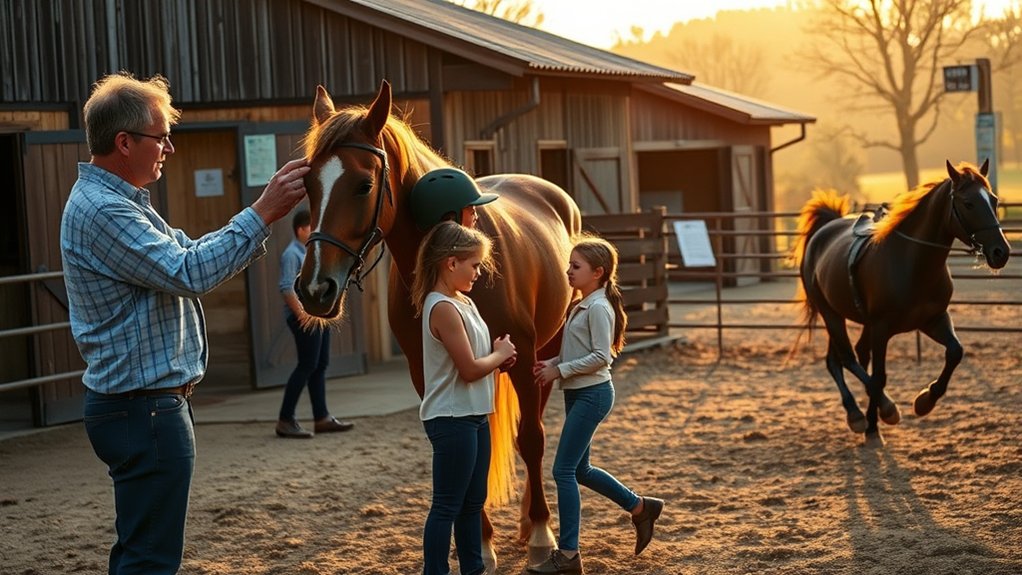
You’ve got a few options when it comes to riding lessons: private, group, and semi-private. Each has its own perks and price tags.
Private lessons usually run between $45 and $110 an hour, and the big plus is that you get one-on-one attention. It’s just you and the instructor, which can really help if you want to focus on specific skills.
Group lessons, on the other hand, are easier on the wallet, typically costing between $35 and $70 per hour. But since you’re riding with multiple people, the instructor’s attention is spread out.
Then there are semi-private lessons, which kind of sit in the middle. They usually cost around $60 to $80 per hour and involve two or three riders sharing the session.
This way, you get a bit of personal focus without the full cost of a private lesson.
Lesson Types Overview
Since choosing the right type of riding lesson directly affects your progress and budget, it’s important to understand how private, group, and semi-private lessons differ. Each lesson type offers unique benefits related to your human riding skills and horse care knowledge.
Private lessons provide one-on-one instruction tailored to your needs. They’re ideal for beginners or those wanting focused feedback.
Group lessons are more affordable and involve 4-6 riders. They foster social interaction and observational learning.
Semi-private lessons strike a balance by sharing an instructor with 1-2 others. This combines personalized attention with cost savings.
All lessons typically last 30 to 60 minutes. Your choice depends on experience, learning style, and budget.
Understanding these differences ensures you select the best fit for your growth with the horse.
Cost Differences Explained
Although private riding lessons tend to cost more, typically between $45 and $110 per hour, they offer personalized instruction tailored specifically to your skill level and goals. This one-on-one attention helps you develop riding skills more efficiently. They’re ideal if you want focused feedback or are just starting out.
Group lessons, on the other hand, are more affordable, usually ranging from $35 to $80 per hour for multiple riders. These sessions promote social learning but offer less individualized guidance.
Semi-private lessons strike a balance, costing about $50 to $90 per hour for two or three riders sharing an instructor. Your choice depends on your budget, preferred learning style, and how much direct instructor attention you need to improve your riding skills effectively.
English vs. Western Riding Lessons: What’s the Difference?
When you’re deciding between English and Western riding lessons, you’ll quickly spot some clear differences in riding styles, equipment, and what skills you’ll be focusing on.
English lessons really highlight precision and good posture. You’ll also learn techniques like jumping or dressage, using special gear such as close-contact saddles.
On the other hand, Western lessons are all about a more relaxed riding style, often tied to cattle work. The tack is different too—think Western saddles.
Plus, the skills you pick up are geared towards rodeo events or reining. So, it’s really about what kind of riding experience you’re after!
Riding Styles Overview
Offering distinct approaches to horsemanship, English and Western riding lessons cater to different skills and goals. Understanding these riding styles helps you choose the best fit for your interests.
English riding emphasizes precision and discipline, often focusing on jumping and dressage with a more upright posture. Western riding, on the other hand, is more relaxed and geared toward practical skills like reining and barrel racing.
Here’s a quick overview of these riding styles:
- English riding promotes refined control and competitive disciplines.
- Western riding centers on trail riding, cattle work, and relaxed seating.
- Posture varies: English riders sit upright, Western riders adopt a laid-back position.
Knowing these differences guarantees you pick riding lessons aligned with your horsemanship goals.
Equipment And Tack Differences
Since the type of tack directly impacts both your riding experience and expenses, understanding the equipment differences between English and Western lessons is essential.
English riding requires specialized tack like a dressage saddle and bridle, designed for precision in dressage and jumping. This tack tends to be more costly due to its materials and intricate design.
Meanwhile, Western lessons use a Western saddle, cowboy hat, and specific reins built for durability and activities like reining or barrel racing, often at a lower price point.
If you switch between disciplines, expect to invest in different tack sets, which can increase your overall costs and require you to become familiar with varied equipment.
Knowing these differences helps you budget wisely and prepare for the riding style that suits you best.
Skill Focus And Techniques
Although both English and Western riding share a foundation in horsemanship, they emphasize distinct skills and techniques that shape your riding experience. In English riding, you’ll focus on posture, control, and precise equitation. You often practice jumping and dressage.
Western riding, however, teaches you relaxed riding styles and practical horsemanship skills like barrel racing and reining.
Here’s a quick comparison:
- English riding demands a balanced, upright position and refined control.
- Western riding encourages a relaxed, laid-back seat with an emphasis on working with the horse.
- English lessons often require specialized training, which can affect costs.
Understanding these differences helps you choose the style that matches your goals and comfort level.
How Instructor Experience and Credentials Influence Lesson Rates
When you choose a riding instructor, their experience and credentials play a big role in determining lesson rates. Instructors with advanced certifications, competition medals, or extensive teaching backgrounds often charge premium rates, usually ranging from $80 to $150 per hour.
This reflects their expertise and ability to provide highly specialized instruction, especially in disciplines like dressage or jumping.
On the other hand, less experienced or newer instructors usually offer more affordable lessons, around $30 to $50 per hour, to build their student base.
Keep in mind, instructors with strong reputations in upscale areas justify higher prices due to demand and quality.
Understanding how these factors influence rates helps you make an informed choice that fits your budget and learning goals.
How Use of Lesson Horses and Tack Affects Riding Lesson Costs
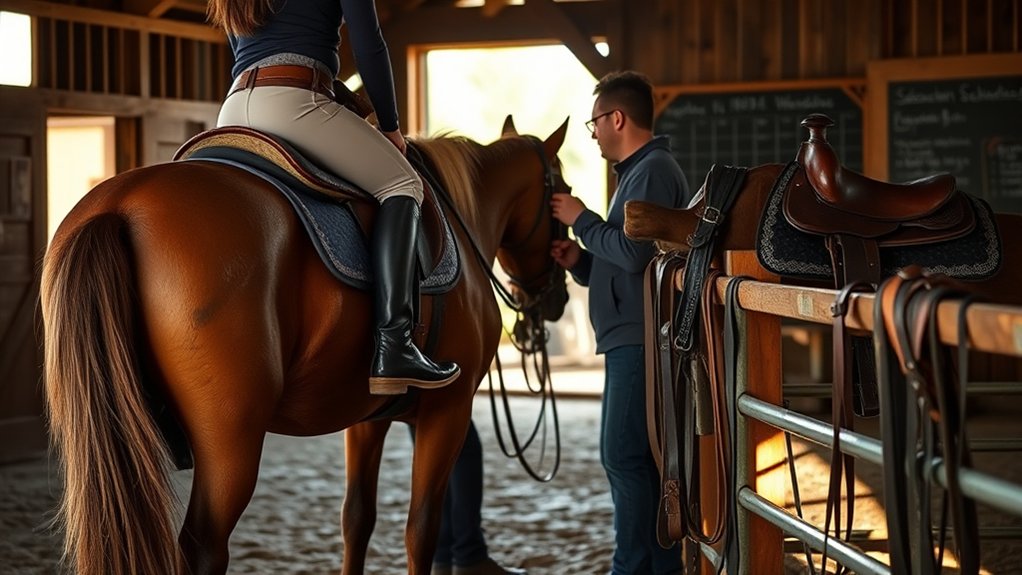
When you use a lesson horse and tack provided by the instructor, your lesson cost usually includes care and equipment fees. These fees can add up, but they save you from the expenses of owning your own horse.
On the other hand, if you bring your own horse or tack, your lesson fees might be lower. However, you’ll need to cover boarding, maintenance, and gear costs yourself.
Lesson Horse Usage
Since most riding lesson prices include the use of a lesson horse and tack, you can often save money by not having to invest in your own equipment. Lesson horse usage plays a key role in keeping your overall costs manageable.
Facilities typically cover the horse’s care, grooming, and tack maintenance within the lesson fee, minimizing extra expenses for you. However, the quality and training level of the lesson horse can affect prices. More specialized horses may raise costs.
If you own your horse and tack, you might get discounts on lessons but face added expenses like stabling and veterinary care.
Key points about lesson horse usage include:
- Inclusive care and tack use reduce additional fees
- Higher-trained lesson horses can increase lesson costs
- Private ownership adds ongoing horse maintenance expenses
Tack and Equipment
Although lesson fees often cover the use of lesson horses, tack and equipment costs can vary considerably depending on the facility. Some stables include tack and grooming supplies in the price, while others charge separately.
Using the facility’s tack often means higher lesson costs due to maintenance expenses. If you bring your own tack, lessons might be cheaper, but you’ll need to manage upkeep and transport. The quality and type of tack also affect pricing, with specialized equipment typically increasing costs.
| Tack Type | Included in Lesson Fee | Additional Cost Range |
|---|---|---|
| Basic Saddle | Often Included | $0 – $10 per lesson |
| High-End Saddle | Rarely Included | $15 – $30 per lesson |
| Grooming Supplies | Sometimes Included | $5 – $15 per lesson |
| Bridles | Usually Included | $0 – $10 per lesson |
| Specialty Tack | Rarely Included | $20+ per lesson |
Ownership Versus Rental
Understanding how ownership versus rental impacts your riding lesson costs can help you make informed decisions about your equestrian journey. Renting lesson horses and tack typically bundles expenses into a single fee, usually $35 to $45 per hour. This makes it easier to budget, especially for beginners.
Owning a horse often lowers per-lesson costs but adds ongoing expenses like boarding, feed, and veterinary care. Consider these factors:
- Lesson facilities include horse and tack rental in the lesson price, simplifying costs.
- Private horse rentals may charge less per lesson but require you to cover additional expenses.
- Ownership demands upfront and continual investment in equipment, maintenance, and care, increasing overall riding costs.
Weigh these options carefully to choose the best path for your riding goals and financial situation.
How Location Changes the Price of Riding Lessons
Where you take your horse riding lessons plays a big role in how much you’ll pay. Location heavily influences the cost due to regional differences in property values, demand, and facility quality.
For example, lessons in high-cost areas like New York, California, and Florida often range from $90 to $135 per session. This reflects upscale community prices and indoor arena availability.
In contrast, rural Midwest and Southern regions offer more affordable riding lessons, sometimes as low as $40 to $60 per session.
In Maryland, private lessons at indoor facilities average around $45 per hour, while group lessons are about $35.
Understanding these factors can help you find lessons that fit your budget without sacrificing quality or convenience.
What Happens During Your First Horse Riding Lesson
Choosing the right location for your horse riding lessons can affect the cost, but it also sets the stage for what your first lesson will look like. During your first horse riding lesson, expect an initial evaluation to gauge your beginner skills and horsemanship. Your instructor will guide you through essential safety protocols to guarantee a secure learning experience.
Selecting the right location shapes your first lesson and includes a skill evaluation plus essential safety guidance.
This first session focuses on building your confidence and comfort with the horse.
You’ll typically cover:
- Basic horse care, including grooming and tacking
- Mounting, dismounting, and maintaining balance
- Safety practices and proper equipment handling
This tailored approach in your first horseback riding lessons ensures a solid foundation for your ongoing learning and enjoyment.
Tips for Finding Affordable Horseback Riding Lessons Near You
If you want to keep horseback riding lessons within your budget, start by comparing prices across local riding schools. They usually charge between $35 and $45 per hour for group sessions and $45 to $110 for private lessons.
Look for affordable lesson packages or discounts when buying multiple sessions upfront.
Consider shorter lessons, like 30-minute rides, especially if you’re a beginner or younger rider, as these tend to be more budget-friendly.
Seek programs that include horse care and tack in the lesson price to avoid extra costs.
Also, explore schools in rural areas since regional pricing varies. These locations generally offer more affordable options than urban or upscale communities.
Following these tips helps you find affordable horseback riding lessons without compromising quality or experience.
Save Money on Horseback Riding Lessons: Practical Strategies
Finding affordable horseback riding lessons often means being strategic about how and when you book your sessions. To maximize savings and stay within your budget, consider these practical strategies:
Opt for shorter 30-minute lessons or group sessions, which reduce the overall cost without sacrificing quality instruction. Purchase package deals or look for discounts when buying multiple horseback riding lessons upfront to lower your per-lesson cost.
Schedule lessons during off-peak times, like weekdays or off-season, when facilities often offer better rates and less crowded environments.
Additionally, choosing stables that include horse care and tack in their lesson prices can help you avoid extra expenses.
Frequently Asked Questions
What Should I Wear to My First Horse Riding Lesson?
For your first horse riding lesson, wear proper attire like fitted long pants or jeans to protect your legs and allow easy movement.
Choose closed-toe, sturdy footwear with a small heel to keep your feet secure in the stirrups.
Avoid loose clothing that could catch on equipment.
Don’t forget a helmet, as many stables require them for safety.
Gloves and a light jacket can help if it’s chilly, making sure you stay comfortable and focused.
How Do I Prepare Mentally for Horse Riding Lessons?
Did you know 70% of riders say mental preparation boosts their confidence? To prepare mentally for horse riding lessons, visualize success and practice deep breathing to stay calm.
Review safety rules and commands beforehand to build your mental readiness.
Set clear, achievable goals for each session to keep motivated.
Are Horse Riding Lessons Suitable for Children Under Five?
Yes, horse riding lessons can be suitable for children under five, especially when focusing on Early Childhood development. You’ll want to start with short, engaging sessions around 15 to 30 minutes.
Emphasize basic horsemanship like grooming and leading rather than riding. Small group lessons offer a safe, social environment, and safety gear is essential.
This approach fosters confidence, coordination, and comfort around horses, making it a positive experience for your little one.
What Are Common Safety Precautions During Riding Lessons?
During riding lessons, you’ll always wear essential safety gear like a properly fitted helmet and boots with heels to keep your feet secure in the stirrups.
Instructors will guide you through safety protocols and proper mounting techniques before you start.
You’ll learn to maintain good posture, avoid sudden movements, and follow instructions closely.
Plus, lesson facilities have emergency procedures and first aid ready, so you’re protected every step of the way.
Can I Bring My Own Horse to Riding Lessons?
Just like bringing your own wand to a magic class, you can usually bring your own horse to riding lessons, but it’s not always straightforward. You’ll need to check barn policies, as some charge extra fees or require horse insurance and up-to-date health records.
Make certain you provide proof of vaccinations and sign any liability waivers.
Always talk to your instructor first to avoid surprises and guarantee your horse fits the facility’s rules and insurance requirements.
Conclusion
Now that you’ve got the lay of the land, you’re ready to saddle up without breaking the bank. Remember, prices vary based on lesson type, instructor expertise, and location, so shop around and find what fits your budget and goals.
Don’t put all your eggs in one basket. Try group lessons or look for package deals to save. With a little effort, you’ll be riding confidently and smartly in no time!