How Many Calories Do You Burn Riding a Horse?
You burn between 250 and 550 calories per hour riding a horse, depending on your riding discipline, gait, intensity, and body weight. Walking burns fewer calories (around 250/hour), while vigorous activities like jumping or trotting can push this near 550 calories/hour.
Factors such as riding speed, duration, and your effort are vital in influencing energy expenditure. Your weight also plays a key role, with heavier riders burning more calories for the same activity. Explore how these variables and barn chores further impact your total calorie burn.
How Many Calories Do You Burn Riding a Horse Per Hour?

This translates to roughly 4 to 6.7 calories per minute, depending on your effort level and weight.
Walking your horse, a lower-intensity activity, burns about 250 calories per hour, or approximately 4.2 calories per minute.
More vigorous horse riding disciplines, such as jumping or reining, can elevate calorie expenditure to around 550 calories per hour, equating to roughly 9.2 calories per minute.
Scientific studies confirm that specific activities like reining or cutting burn nearly 7 calories per minute, totaling about 420 calories in 60 minutes.
Therefore, calories per minute during horse riding depend precisely on activity intensity and rider factors.
Calories Burned in Different Horseback Riding Disciplines and Gaits
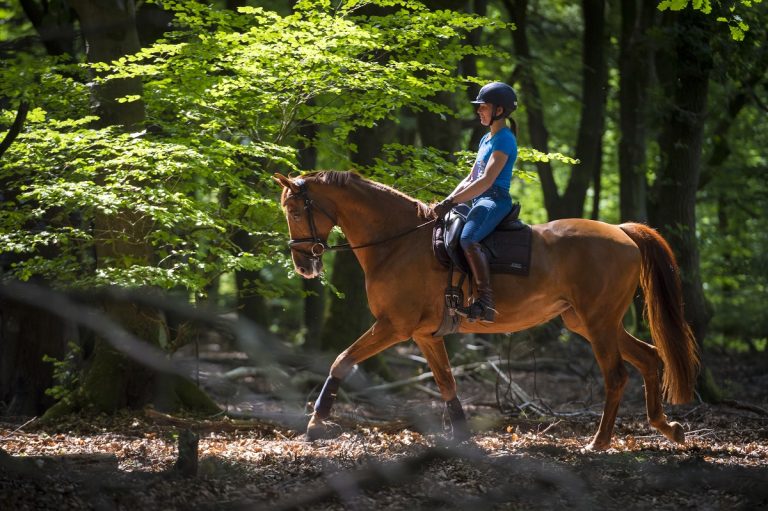
You burn different amounts of calories depending on the riding discipline and the intensity of the gait you choose. For example, dressage requires a lot of control and precision, and it burns around 450 calories per hour.
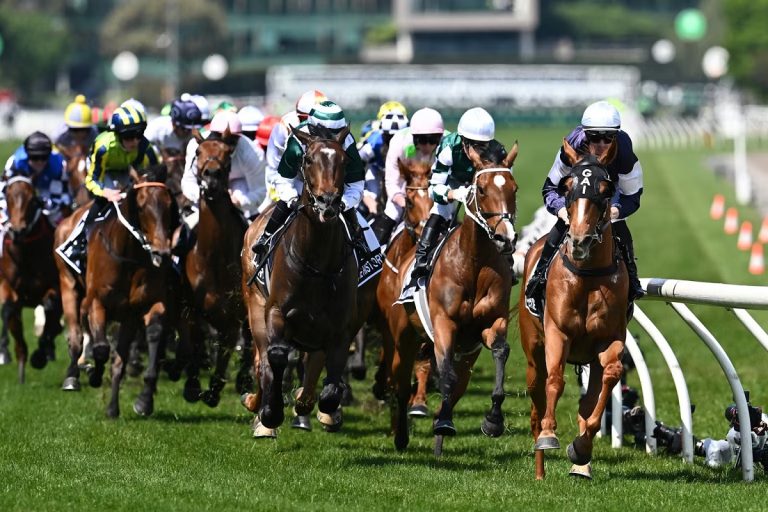
On the other hand, jumping or faster gaits like canter and gallop can boost that number to about 550 calories.
How long you keep up each activity also plays a big role. The longer you ride at a certain pace or discipline, the more calories you’ll burn overall.
Calories Burned By Discipline
Because different horseback riding disciplines engage varying muscle groups and intensities, the calories burned can differ markedly. Each discipline demands distinct energy expenditure based on the rider’s engagement and the horse’s movement.
- Dressage requires precision and control, burning up to 450 calories per hour, reflecting moderate energy expenditure.
- Jumping exercises increase aerobic intensity considerably, resulting in approximately 550 calories burned per hour.
- Gaits like canter and gallop also reach around 550 calories per hour, indicating high-intensity energy use.
Understanding these variations helps you optimize your riding sessions for fitness goals by selecting disciplines that align with your desired calorie burn while considering the specific muscular demands of horseback riding.
Gait Intensity Comparison
Different gaits in horseback riding demand varying levels of muscular engagement and cardiovascular effort, directly influencing calorie burn. Walking a horse burns about 250 calories per hour, reflecting low intensity and minimal exertion.
Trotting increases energy expenditure to approximately 400 calories per hour, requiring greater muscular control and cardiovascular input.
Cantering and galloping further elevate calorie burn to around 550 calories per hour due to their higher speed and intensity.
Disciplines like dressage, which emphasize precision and control, typically burn up to 450 calories per hour, balancing moderate intensity with technical demands.
Jumping matches cantering and galloping in calories burned, reaching 550 calories per hour, as it combines aerobic exertion with explosive muscular effort.
Ultimately, the gait’s intensity and speed directly correlate with calories burned during horseback riding.
Duration Impact On Calories
Calorie expenditure during horseback riding scales directly with both the duration and intensity of your activity. Understanding how duration impacts calorie burn helps you optimize your riding sessions for fitness goals.
- Longer Duration: Extending your ride beyond 45 minutes markedly increases total calorie burn, especially at higher-intensity gaits like trotting or cantering.
- Discipline Variation: Riding disciplines affect calorie burn; dressage burns about 450 calories per hour, while jumping can reach 550 calories per hour. This amplifies the effect of duration.
- Gait Intensity: Walking burns roughly 250 calories per hour, but faster gaits increase calorie burn to 400–550 per hour. So, duration becomes even more impactful as intensity rises.
What Factors Affect Calorie Burn During Horseback Riding?
When you ride a horse, several key factors determine how many calories you burn. The riding gait, such as walking, trotting, or cantering, directly impacts the calories burned due to varying intensity levels. Your individual effort and fitness level also influence energy expenditure.
Additionally, engaging in higher-intensity activities like jumping or galloping raises calorie burn compared to casual riding. Below is a table summarizing these factors:
| Factor | Impact on Calories Burned |
|---|---|
| Riding Gait | Higher intensity gaits increase burn |
| Activity Intensity | Jumping/galloping burns more calories |
| Duration | Longer rides increase total burn |
| Fitness Level | Greater fitness can raise effort output |
| Rider Effort | More exertion results in higher calories |
Understanding these variables helps you optimize your calorie burn during horseback riding.
How Rider’s Weight Affects Calories Burned Horseback Riding

Although many factors influence energy expenditure while horseback riding, your body weight plays a crucial role in determining how many calories you burn. The rider’s weight directly impacts calorie expenditure because heavier riders require more energy to perform the same activity.
Here’s how rider’s weight affects calories burned:
- A 180-pound rider burns about 686 calories per hour riding polo, while lighter riders burn fewer calories.
- The calorie expenditure formula, (MET × body weight in kg × 3.5) ÷ 200, shows that as your weight increases, so does total calorie burn.
- Comparing riders at 150 and 200 pounds reveals a significant difference in energy burned during identical riding sessions.
Understanding this relationship helps you accurately assess your calorie expenditure when horseback riding.
How to Estimate Calories Burned Using MET Values
Since estimating energy expenditure accurately requires standardized measures, MET values provide a reliable method to quantify the intensity of horseback riding activities. You can estimate calories burned by multiplying the MET value by your body weight in kilograms and the duration in hours.
The formula for calories burned per minute is (MET × body weight in kg × 3.5) ÷ 200. Higher MET values correspond to more vigorous riding.
| Activity Type | MET Value | Intensity Level |
|---|---|---|
| Sitting on Horse | 1.5 | Low |
| Walking/Trotting | 3.5 | Moderate |
| Galloping/Jumping | 8.0 | High |
Using MET values guarantees precise, consistent calculations of calories burned across different riding activities.
Example Calculation: Calories Burned Polo Riding for 1 Hour

If you weigh around 81.65 kilograms and engage in polo riding for one hour, you can expect to burn approximately 686 calories.
This calculation hinges on the MET value of 8.0, indicative of the high-intensity nature of polo horseback riding.
Here’s how the numbers break down: first, calculate per-minute calories burned using the formula (MET x weight in kg x 3.5) ÷ 200, resulting in about 11.43 calories per minute.
Then, multiply the per-minute calorie burn by 60 minutes to find total calories burned during the hour.
The final estimate confirms that one hour of polo riding burns roughly 686 calories.
This example illustrates a precise method to quantify calories burned during horseback riding activities like polo.
How Barn Chores Add to Your Daily Calorie Burn
When you’re doing barn chores like mucking out stalls or lifting hay bales, you can burn anywhere from 250 to 400 calories an hour, depending on how intense the work is.
It’s a great way to get moving because these tasks engage lots of different muscle groups.
So, it’s kind of like getting a workout without even hitting the gym.
Adding barn work to your daily routine not only helps you burn more calories but also boosts your strength and endurance over time.
Physical Demands of Chores
Although riding is often seen as the primary form of exercise in equestrian activities, barn chores considerably contribute to your daily calorie burn. These tasks involve significant physical activity that engages multiple muscle groups and elevates your heart rate similarly to structured workouts.
When tending to your horse and stable, consider these calorie-burning chores:
- Mucking out stalls: Sweeping and removing waste for 15-30 minutes can burn 150-250 calories by engaging your core, arms, and shoulders.
- Lifting hay bales: Carrying heavy loads activates upper body muscles, increasing overall energy expenditure.
- Pushing wheelbarrows: This task raises cardiovascular effort due to resistance and continuous movement.
Incorporating these chores enhances muscle tone, endurance, and contributes substantially to your daily calorie burn beyond riding alone.
Calories Burned Doing Tasks
While horseback riding provides considerable physical exercise, barn chores play an essential role in boosting your daily calorie burn through consistent, varied muscle engagement.
Tasks like mucking out stalls or pushing wheelbarrows burn approximately 250-400 calories per hour, comparable to moderate-to-vigorous exercise.
Even 15 minutes of mucking out can expend 70-100 calories depending on your intensity.
Activities such as sweeping and lifting hay bales engage multiple muscle groups, increasing overall energy expenditure beyond what horseback riding alone provides.
Climbing rungs or ramps while handling feed also stimulates cardiovascular activity, further enhancing calories burned.
Fitness Benefits of Barnwork
Building on the calorie expenditure from individual barn tasks, the cumulative effect of barnwork substantially enhances your daily energy output. Engaging regularly in barn chores notably boosts your overall fitness by combining strength, endurance, and cardiovascular activity.
Here’s how barn chores contribute:
- Mucking stalls and lifting hay burns 200-400 calories per hour, depending on effort, making it an effective calorie expenditure source.
- Pushing a manure-filled wheelbarrow recruits upper body muscles, increasing total energy burned.
- Continuous movement during cleaning and organizing mimics high-intensity workouts, improving muscle tone and endurance.
These activities often surpass traditional gym sessions in calorie expenditure, emphasizing barnwork’s value as functional fitness.
Health Benefits of Horseback Riding Beyond Calories
Since horseback riding engages multiple muscle groups and requires sustained attention, it provides cardiovascular benefits comparable to jogging. It also enhances core stability through continuous postural adjustments.
By actively engaging your core muscles to maintain balance, you develop improved postural control and stability, which benefits overall functional fitness.
Beyond physical exertion, riding stimulates mental focus and decision-making, contributing to reduced stress levels and lower blood pressure. The rhythmic movement combined with the horse’s calming presence fosters relaxation and emotional well-being.
These health benefits extend past calorie burning, offering a holistic approach to physical and mental health.
Consequently, horseback riding promotes cardiovascular fitness, strengthens core muscles, and supports psychological resilience.
It’s an effective exercise that integrates both body and mind.
How to Track and Compare Calories Burned With Other Activities
To accurately gauge the calories you burn during horseback riding, you need to take into account factors like your weight, riding intensity, and duration. Calorie calculators estimate energy expenditure by integrating these variables, providing a reliable measure of your workout’s impact.
To track and compare calories burned with other activities, consider the following:
- Use formulas such as (MET × body weight in kg × 3.5) ÷ 200 to calculate precise energy expenditure based on standardized MET values.
- Compare horseback riding’s calorie burn (up to 550 calories per hour at a trot or canter) with activities like walking or cycling, which typically burn 250-400 calories per hour.
- Employ wearable fitness devices to monitor heart rate and activity levels for personalized tracking.
This analytical approach ensures you understand horseback riding’s caloric benefits relative to other exercises.
Reliable Sources and Tools for Horseback Riding Calorie Calculators
Accurately estimating the calories burned during horseback riding depends on accessing reliable sources and tools that incorporate standardized data. The primary reference for MET values in horseback riding is *The Compendium of Physical Activities*, which offers validated energy expenditure metrics.
Accurate calorie estimates for horseback riding rely on trusted sources like The Compendium of Physical Activities.
You can also consult organizations like the CDC and Harvard School of Public Health for supplementary information and verification. When using online calorie calculators, you’ll typically input rider weight, activity duration, and riding intensity.
Many advanced tools integrate specific MET values for different riding activities such as trotting, cantering, and jumping, enhancing precision. These calculators facilitate accurate tracking of energy expenditure across various riding disciplines and enable comparisons with other physical activities.
Relying on scientifically grounded MET values ensures your calorie estimations are both consistent and dependable.
Frequently Asked Questions
What Is the Best Diet to Support Horseback Riding Workouts?
To support horseback riding workouts, you should focus on a balanced diet rich in complex carbohydrates, lean proteins, and healthy fats. This helps sustain energy for horse grooming and tack maintenance.
Prioritize carbs like oats and sweet potatoes to replenish glycogen, and make sure to hydrate with water plus electrolytes.
Include magnesium-rich nuts and leafy greens for muscle recovery.
Also, make certain you get enough calcium and vitamin D to strengthen bones.
This will optimize your performance and reduce the risk of injury.
How Does Horseback Riding Improve Mental Health Specifically?
Horseback riding improves your mental health by engaging you in mindfulness practices, focusing your attention on the horse’s movements and your surroundings. This active presence helps reduce anxiety and enhances emotional regulation.
Furthermore, the bond you form with the horse fosters emotional resilience, helping you cope better with stress and trauma.
Scientific studies show this interaction releases endorphins, improving mood and alleviating symptoms of depression and PTSD effectively.
Can Horseback Riding Help With Weight Loss Over Time?
Yes, horseback riding can help with weight loss over time by increasing calorie expenditure through consistent activity. Your riding technique influences the intensity and muscles engaged, affecting overall fitness gains.
Higher-intensity disciplines boost calorie burn, enhancing weight management.
Combined with regular sessions and proper technique, horseback riding improves endurance and muscle tone.
This creates a sustainable calorie deficit that supports gradual fat loss and improved physical conditioning.
What Safety Gear Is Essential for Calorie-Burning Rides?
You’ll want to prioritize smart armor for your calorie-burning rides. A properly fitted helmet guards your noggin.
While safety boots with heels stabilize your feet and improve your riding posture.
Don’t forget gloves to enhance grip on reins, reducing fatigue.
Make sure your saddle fit supports ideal posture, minimizing injury risk.
For intense sessions, a body protector shields your torso.
Reflective gear boosts visibility, keeping you safe and efficient during every ride.
How Often Should Beginners Ride to Build Stamina?
You should ride 2-3 times per week to optimize horseback endurance effectively. This riding frequency allows your body to adapt without overtraining, promoting cardiovascular improvements and muscular stamina.
Starting with 15-20 minute sessions at a moderate pace helps build endurance scientifically. Incorporate rest days between rides to prevent fatigue.
Gradually increasing session duration and intensity enhances your riding stamina systematically over time.
Conclusion
While horseback riding may seem leisurely, you actually burn a significant number of calories, comparable to moderate-intensity workouts like brisk walking. Yet, unlike stationary exercises, riding engages your core, balance, and coordination dynamically.
Factors like your weight, riding style, and barn chores also influence your calorie burn. By understanding these variables and using MET-based calculations, you can precisely track your energy expenditure and appreciate horseback riding’s unique blend of physical exertion and enjoyment.