Does Horses Have Feet: Understanding Hooves and Their Function
Horses are known for their speed, agility, and graceful movement, but understanding how they move requires a closer look at their anatomy. Their limbs end in a unique structure that allows them to bear weight, absorb shock, and navigate various terrains efficiently. This structure is critical for their health, performance, and overall mobility. Exploring whether horses have feet provides insight into how these animals have evolved to support their large bodies and maintain balance.
The way a horse’s limbs and extremities are built affects not only how they run and jump but also how they are cared for by owners, farriers, and veterinarians. Understanding this aspect of equine anatomy helps you appreciate the complexity of their movement, the importance of proper hoof care, and the role these structures play in their overall well-being and performance.
Structure of a Horse’s Foot
A horse’s foot is a highly specialized structure designed to support weight, provide shock absorption, and enable efficient movement. Understanding the anatomy of the horse’s foot is essential for proper care, training, and injury prevention. Each component, from the hoof wall to internal bones and soft tissues, plays a critical role in maintaining stability, flexibility, and overall health. Exploring the structure of a horse’s foot helps riders, farriers, and veterinarians ensure optimal performance and longevity.
External Hoof Structure
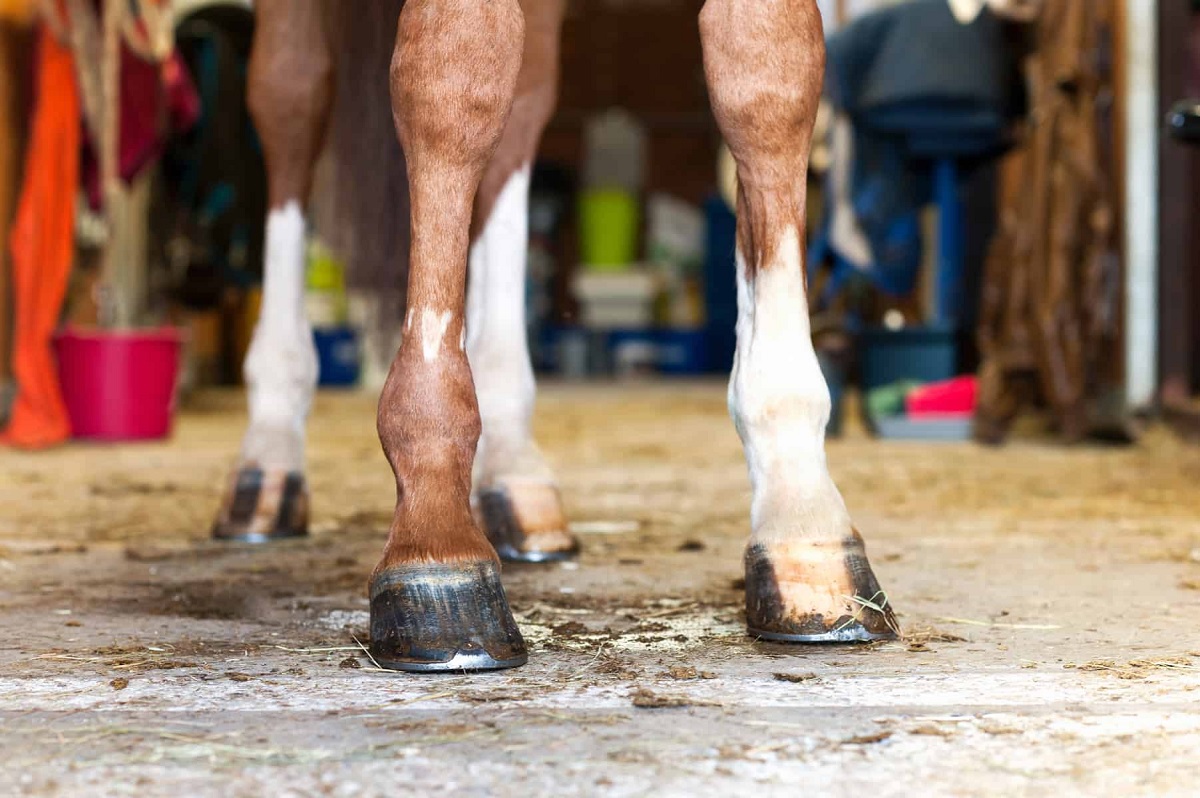
The external portion of a horse’s foot, commonly referred to as the hoof, is made up of the hoof wall, sole, frog, and bars. The hoof wall forms the hard outer covering that protects internal structures and bears most of the horse’s weight. It is composed of keratin, the same protein found in human nails, and grows continuously, requiring regular trimming and care.
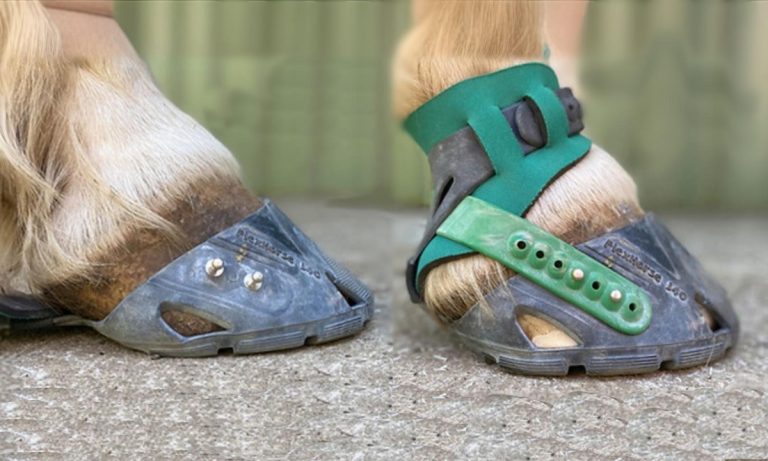
The sole is the slightly concave underside of the hoof that provides support and protects the sensitive structures within. The frog, a V-shaped structure in the center, acts as a natural shock absorber and helps with blood circulation within the foot. The bars, located along the sides of the frog, provide additional stability and support. Together, these external components allow the horse to maintain balance, traction, and efficient movement across various surfaces. Regular care, including cleaning, trimming, and, when necessary, shoeing, ensures the hoof remains healthy and functional, preventing lameness and other foot-related issues.
Internal Foot Anatomy
Beneath the external hoof lies a complex network of bones, tendons, ligaments, and sensitive tissues. The most critical bones include the coffin bone (third phalanx), the short pastern bone, and the navicular bone. These bones provide structural support and act as anchors for tendons and ligaments that facilitate movement. The coffin bone is particularly important as it maintains the shape of the hoof and bears a significant portion of the horse’s weight.
The digital cushion, located above the frog, works with the frog and other soft tissues to absorb shock and reduce stress on joints and bones during movement. Tendons, such as the deep digital flexor and extensor tendons, connect muscles to bones, enabling controlled motion of the foot. Ligaments help maintain stability and proper alignment. Understanding the internal anatomy is crucial for diagnosing and preventing injuries like laminitis, navicular disease, or tendon strains. Proper management of both internal and external structures ensures the horse’s foot remains strong, healthy, and capable of supporting athletic performance and daily activity.
Function of Horse Feet
Horse feet serve a critical role in supporting the animal’s body, enabling movement, and maintaining overall health. They act as natural shock absorbers, balance stabilizers, and traction providers, allowing horses to run, jump, and navigate various terrains efficiently. Understanding the function of horse feet is essential for proper care, training, and injury prevention. By exploring how feet contribute to mobility, weight distribution, and athletic performance, you gain insight into why hoof health is central to a horse’s well-being.
Weight Support and Shock Absorption
One of the primary functions of horse feet is supporting the horse’s body weight. The hoof distributes weight evenly across the bones and soft tissues, reducing stress on joints, tendons, and ligaments. The frog and digital cushion act as natural shock absorbers, cushioning the impact during running or jumping. This mechanism protects the limbs and spine from excessive strain, helping prevent injuries.
Proper alignment and strong, healthy hooves are crucial for maintaining this weight-bearing function. Any abnormalities, cracks, or imbalances in the hoof can disrupt weight distribution, leading to lameness or long-term skeletal issues. Regular trimming, hoof care, and monitoring of hoof health ensure that the horse’s feet continue to perform their essential role in supporting the body efficiently, enabling safe and effective movement across different surfaces.
Traction, Balance, and Mobility
Horse feet also provide traction and balance, essential for smooth and controlled movement. The hoof wall, sole, and frog work together to maintain grip on various terrains, preventing slipping and promoting stability. This is particularly important during high-speed movement, sharp turns, or uneven ground, where balance and traction are vital for safety and performance.
Additionally, feet contribute to overall mobility by facilitating proper gait mechanics. Tendons and ligaments within the foot coordinate with muscles in the limbs to allow smooth, efficient motion. Healthy, well-maintained hooves enhance agility and responsiveness, whether the horse is performing athletic activities or engaging in everyday movement. Understanding these functions highlights why routine hoof care, correct trimming, and proper shoeing practices are critical, ensuring the horse remains sound, stable, and capable of optimal performance.
How Horses Naturally Maintain Their Feet
Horses have evolved to naturally care for their feet through movement, grazing, and environmental interaction. Walking, trotting, and running across varied terrain naturally wears down the hoof, preventing overgrowth and promoting healthy shape. Understanding how horses naturally maintain their feet provides insight into their anatomy, behavior, and care needs. Observing these natural processes can help owners and farriers develop better hoof management practices, ensuring balance, durability, and overall foot health while reducing the risk of injuries and long-term hoof problems.
Natural Hoof Wear Through Movement
Movement plays a crucial role in maintaining healthy horse feet. As horses walk, trot, and run across different surfaces such as grass, gravel, or sandy trails, the natural abrasion wears down the hoof wall and sole, preventing excessive growth. This consistent wear also helps maintain proper hoof shape, balance, and alignment, which is essential for efficient weight distribution and mobility.
In addition to controlling hoof length, natural movement stimulates blood flow within the hoof, supporting internal structures like the digital cushion and sensitive laminae. Regular exercise encourages healthy hoof development, strengthens connective tissues, and promotes overall foot resilience. Horses in natural environments with plenty of movement tend to have stronger, more durable hooves compared to sedentary animals. Observing these patterns emphasizes the importance of incorporating regular exercise and varied terrain into hoof care routines to mimic natural maintenance processes.
Role of Environment and Diet in Hoof Health
A horse’s environment and diet also contribute to natural hoof maintenance. Walking on varied terrain, including rocky or uneven surfaces, naturally shapes the hoof and encourages proper wear patterns. Access to softer surfaces, like pasture or sand, complements this process by reducing excessive stress and preventing cracks or chipping. Natural grazing and the nutrients obtained from forage support keratin growth, which forms the hoof wall and sole.
Horses naturally select movements and terrains that balance wear and protection, promoting structural integrity. Minerals like zinc, biotin, and calcium obtained from diet enhance hoof strength, while consistent exposure to natural surfaces encourages flexibility and resilience. Understanding how movement, environment, and diet work together allows owners to replicate natural conditions through proper exercise, nutrition, and hoof care, ensuring the horse’s feet remain strong, functional, and healthy over time.
People Also Asked
Do Horses Have Feet or Hooves?
Horses have hooves, which are specialized structures that function similarly to feet in other animals. Each hoof is made of a hard outer wall, sole, frog, and internal structures that support weight, absorb shock, and aid in movement. The hoof allows the horse to balance, walk, run, and perform athletic activities while protecting sensitive bones and tissues inside. Understanding that horses have hooves instead of traditional feet helps you appreciate their unique anatomy and the specialized care required to maintain healthy, functional feet for long-term mobility and performance.
How Are Horse Feet Different from Human Feet?
Horse feet differ from human feet because they are encased in a hard, protective hoof rather than being soft with toes. This structure is designed for running and supporting a large body on a single digit per limb, unlike humans, who have multiple toes for balance. The hoof distributes weight, absorbs shock, and provides traction on various surfaces. Knowing these differences helps you understand why hoof care, trimming, and shoeing are critical for horses, as their feet must endure significant stress and perform efficiently under weight-bearing and high-impact activities.
What Parts Make Up a Horse’s Foot?
A horse’s foot consists of the hoof wall, sole, frog, bars, and internal structures such as bones, tendons, and ligaments. The hoof wall protects the inner components, while the sole supports weight and absorbs impact. The frog acts as a natural shock absorber and aids blood circulation, and the bars provide stability. Internal structures like the coffin bone and digital cushion work together to maintain mobility and balance. Understanding these parts helps you monitor foot health, prevent injuries, and provide proper care, ensuring the horse remains sound and capable of efficient movement.
How Do Horses Keep Their Feet Healthy Naturally?
Horses naturally maintain their feet through movement, grazing, and walking on varied terrain. Regular exercise helps wear down the hoof, promotes blood circulation, and strengthens internal structures. Soft and hard surfaces together encourage proper hoof shape and balance, while natural grazing supports keratin growth in the hoof wall and sole. By observing these natural maintenance processes, you can replicate them through exercise, proper nutrition, and hoof care, ensuring your horse’s feet remain healthy, strong, and functional for everyday movement and athletic activities.
Why Is Hoof Care Important for Horses?
Hoof care is crucial because a horse’s hooves support its entire body weight and absorb shock during movement. Neglecting care can lead to overgrowth, imbalance, lameness, or other injuries. Regular trimming, cleaning, and, when needed, shoeing maintain proper shape, strength, and functionality. Healthy hooves contribute to balance, performance, and long-term skeletal health. Understanding the importance of hoof care allows you to provide consistent maintenance, monitor for potential issues, and ensure the horse remains comfortable, mobile, and capable of performing its natural activities safely.
Can Horses Move Without Proper Hoof Maintenance?
Horses can move without hoof maintenance, but neglect increases the risk of discomfort, lameness, and injuries. Overgrown or cracked hooves can affect gait, weight distribution, and balance, placing stress on joints, tendons, and ligaments. Regular trimming and care ensure that the hoof maintains proper shape, absorbs shock, and supports efficient movement. Providing routine hoof maintenance helps prevent long-term skeletal and muscular problems, allowing the horse to perform at its best while maintaining comfort, agility, and overall health during daily activities and athletic performance.
Final Thoughts
Understanding a horse’s anatomy reveals just how remarkable their feet are. Every hoof plays a critical role in supporting the horse’s weight, absorbing shock, and enabling smooth movement across different terrains. Proper care, including regular trimming and attention to signs of pain or injury, ensures that horses remain healthy and active. Observing wild horses also highlights the natural ways they maintain their feet, trimming and strengthening them through daily activity.
For domesticated horses, human intervention through farriers and protective shoes can prevent common problems like cracks, infections, or lameness. Considering all these factors, anyone curious about equine health might ask the question, does horses have feet. The answer lies not only in their physical structure but in how these feet function and are maintained, proving that a horse’s feet are both essential and fascinating aspects of their overall well-being.