What Are Horses Feet Called: Understanding Hooves and Their Parts
Horses are remarkable animals, admired for their strength, speed, and agility, but understanding how they move requires knowledge of their unique anatomy. Their limbs end in specialized structures that allow them to bear weight, absorb shock, and traverse various terrains efficiently. These structures are critical for balance, mobility, and overall health. Exploring what are horses feet called reveals that they are not typical feet like in humans or other animals, but highly adapted hooves designed for durability and performance.
Knowing the terminology and anatomy of horse feet is essential for owners, riders, and veterinarians to provide proper care, prevent injuries, and maintain optimal performance. By understanding their feet, you gain insight into the role these structures play in supporting the horse’s entire body and ensuring long-term health and agility.
Names of Horse Feet
Horses’ feet are highly specialized structures that are crucial for movement, balance, and overall health. Understanding the names of horse feet and their components provides insight into their anatomy and functionality. Each part of the foot has a unique role, from weight-bearing and shock absorption to traction and protection. Knowing these names helps owners, riders, and veterinarians provide proper care, maintain performance, and prevent injuries. Exploring the terminology also allows a better understanding of equine movement and hoof health.
Hoof Wall, Sole, and Frog
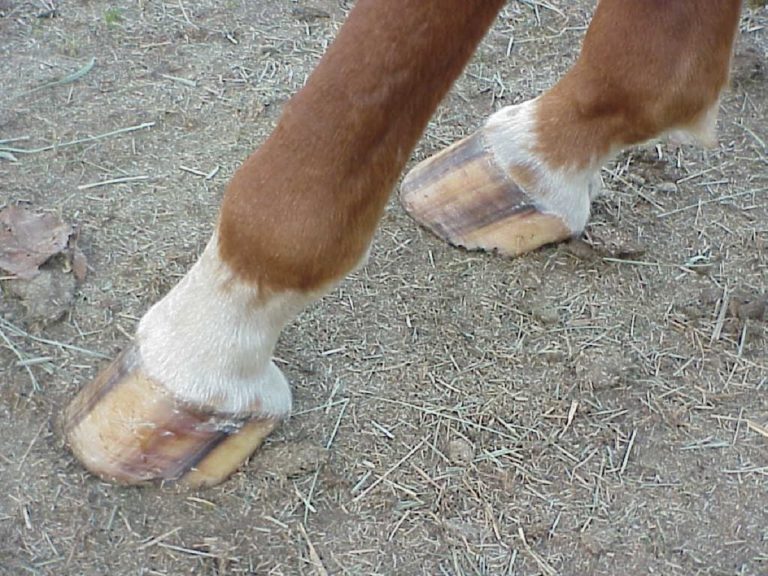
The hoof wall, sole, and frog are the primary external components of a horse’s foot. The hoof wall forms the hard, protective outer covering, supporting the horse’s weight and shielding internal structures. It is made of keratin, the same protein found in human nails, and grows continuously, requiring regular trimming.
The sole is the concave underside of the hoof, providing support and protection to sensitive internal tissues. It absorbs some impact when the horse moves, contributing to overall stability. The frog, a V-shaped structure located in the center, acts as a natural shock absorber and plays a role in circulation by helping pump blood back up the leg. The bars, extensions of the hoof wall along the sides of the frog, add stability and prevent collapse. Understanding these parts allows proper hoof care, preventing common issues such as cracks, bruising, and lameness while maintaining the horse’s balance and mobility.
Internal Structures
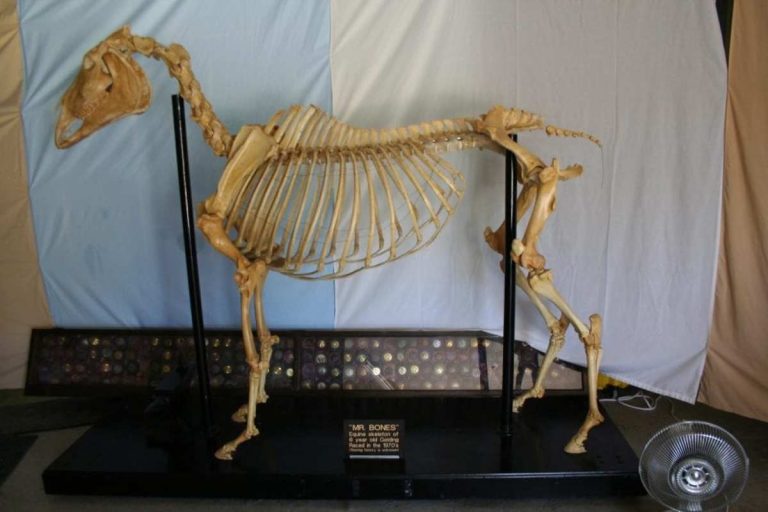
Inside the horse’s foot are crucial structures like the coffin bone, short pastern bone, and digital cushion. The coffin bone, also known as the third phalanx, provides structural support and determines the hoof’s shape. It bears a significant portion of the horse’s weight and serves as an anchor point for tendons and ligaments.
The digital cushion, located above the frog, acts as a shock absorber and helps reduce stress on bones and joints during movement. Tendons, including the deep digital flexor and extensor tendons, connect muscles to bones and enable controlled motion. Ligaments maintain joint stability, while cartilage ensures smooth movement between bones.
Knowledge of these internal components is essential for diagnosing injuries, preventing lameness, and maintaining overall hoof health. By understanding the names and functions of both external and internal structures, you can ensure that the horse’s feet remain strong, healthy, and capable of supporting athletic performance and daily activity.
Parts of a Horse’s Foot
A horse’s foot is a complex and highly specialized structure that allows for movement, shock absorption, and weight support. Understanding the parts of a horse’s foot is essential for proper care, training, and injury prevention. Each component, from the external hoof wall to the internal bones and soft tissues, plays a vital role in maintaining balance, mobility, and overall health. Exploring these parts provides insight into how the foot functions and how to maintain it in optimal condition.
External Parts
The external parts of a horse’s foot include the hoof wall, sole, frog, and bars, each serving a specific function. The hoof wall is the hard outer covering, made of keratin, which protects internal structures and bears most of the horse’s weight. It grows continuously, so regular trimming is necessary to maintain balance and prevent overgrowth or cracks.
The sole is the slightly concave bottom of the hoof that provides protection and helps absorb impact. The frog, a V-shaped structure in the center, acts as a natural shock absorber and assists in circulation by helping pump blood back up the leg. The bars, extensions of the hoof wall along the sides of the frog, provide stability and prevent collapse under pressure. Together, these external parts allow the horse to move efficiently, maintain balance, and perform athletic activities while protecting sensitive internal structures from injury.
Internal Parts
Inside the horse’s foot are essential internal structures that support movement and absorb stress. The coffin bone, or third phalanx, is the main bone that provides shape, stability, and weight-bearing capacity. The short pastern bone and navicular bone work with the coffin bone to facilitate movement and support the joints. The digital cushion, located above the frog, acts as a shock absorber and reduces strain on bones and joints during motion.
Tendons and ligaments connect muscles to bones and stabilize joints, ensuring smooth and controlled movement. Tendons, such as the deep digital flexor and extensor tendons, transmit muscular force to the bones, enabling the horse to walk, trot, run, or jump efficiently. Ligaments maintain the alignment of bones and absorb mechanical stress, while cartilage ensures smooth articulation within joints. Understanding the internal and external parts of a horse’s foot is essential for proper hoof care, injury prevention, and maintaining overall performance and health throughout the horse’s life.
Functions of Hooves
Hooves are one of the most vital structures in a horse’s body, playing a crucial role in movement, balance, and overall health. They act as shock absorbers, support the horse’s weight, and provide traction on various surfaces. Understanding the functions of hooves is essential for proper care, injury prevention, and optimizing performance. Each part of the hoof, from the wall to the frog and internal structures, contributes to its overall functionality, making healthy hooves central to a horse’s mobility and well-being.
Weight Support and Shock Absorption
One of the primary functions of hooves is supporting the horse’s entire body weight. The hoof distributes weight evenly across the bones and soft tissues, reducing strain on joints, tendons, and ligaments. The frog and digital cushion act as natural shock absorbers, cushioning the impact of each step during walking, running, or jumping. This mechanism protects the limbs and spine from excessive stress, helping prevent injuries and lameness.
Proper weight distribution is critical for balance and efficient movement. Any issues with hoof shape, cracks, or imbalance can disrupt this function, leading to stress on other parts of the skeletal system. Regular trimming, cleaning, and, when necessary, shoeing ensure that hooves maintain their ability to support weight and absorb impact, keeping the horse comfortable and capable of performing athletic activities safely.
Traction, Balance, and Locomotion
Hooves also provide essential traction and balance, enabling horses to navigate different terrains safely and efficiently. The structure of the hoof, including the wall, sole, and frog, ensures a secure grip on surfaces such as grass, dirt, gravel, or sand. Proper traction prevents slipping, particularly during sharp turns, high-speed movement, or uneven ground.
In addition to stability, hooves play a key role in locomotion. Tendons and ligaments within the foot coordinate with muscles in the limbs to allow smooth and controlled motion. Healthy hooves facilitate proper gait mechanics, agility, and responsiveness, enhancing the horse’s overall performance. Understanding these functions emphasizes the importance of routine hoof care, proper nutrition, and regular monitoring, ensuring the horse maintains mobility, balance, and long-term foot health.
Foot Care and Maintenance
Proper foot care and maintenance are essential for keeping a horse healthy, comfortable, and able to perform at its best. Regular care ensures the hooves remain strong, balanced, and free from injury or disease. Understanding the techniques and routines involved in maintaining healthy feet helps prevent lameness, supports proper movement, and extends a horse’s athletic potential. Effective foot care combines trimming, cleaning, inspection, and appropriate nutrition, making it a vital aspect of overall equine management.
Regular Trimming and Cleaning
Routine trimming and cleaning are fundamental to hoof maintenance. Hooves grow continuously, and without regular trimming, they can become overgrown, misshapen, or develop cracks, leading to imbalance and discomfort. Trimming ensures proper weight distribution, promotes healthy growth, and maintains correct alignment with the limb. Cleaning the hooves daily removes dirt, debris, and stones that can cause bruising, infections, or pressure points.
Regular inspection during cleaning helps identify early signs of problems such as thrush, abscesses, or cracks. Using appropriate tools, like hoof picks and brushes, keeps the hooves in optimal condition. Combining trimming and cleaning with attentive observation ensures the hooves remain healthy, reducing the risk of injury and maintaining comfort and mobility for the horse.
Shoeing, Nutrition, and Professional Care
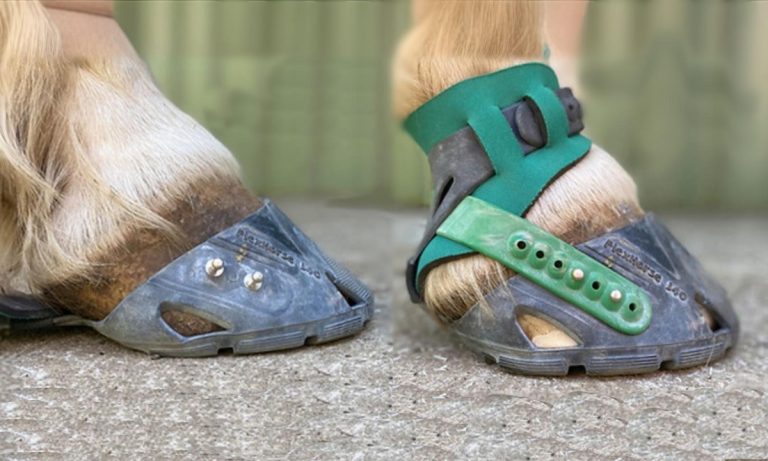
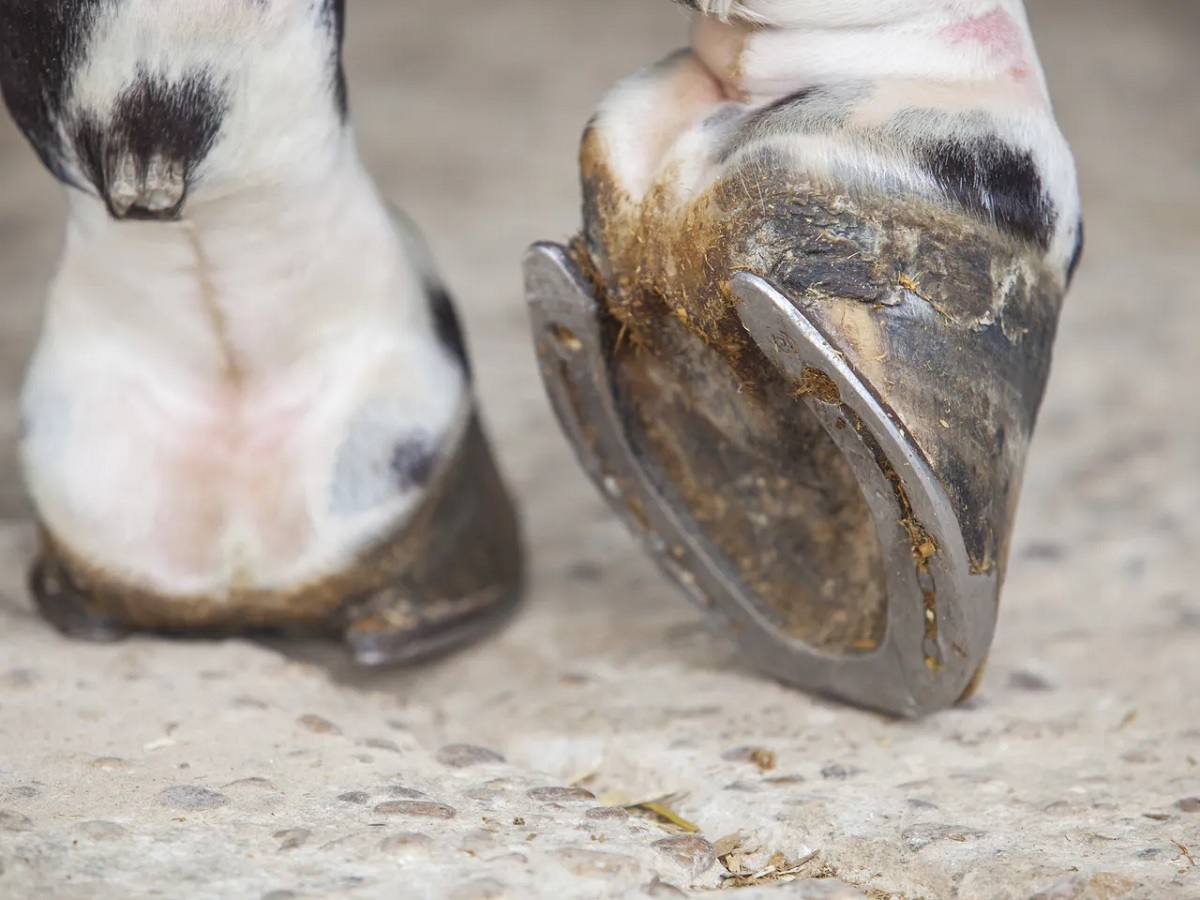
In addition to trimming, some horses benefit from shoeing, which provides extra protection and support, particularly for athletic or working horses. Shoes help prevent excessive wear, improve traction, and protect sensitive structures from hard or rough surfaces. However, proper shoeing requires professional expertise to avoid disrupting the natural function of the hoof.
Nutrition also plays a crucial role in foot health. Adequate levels of biotin, zinc, calcium, and other minerals support strong hoof growth and durability. Combining balanced nutrition with regular professional farrier care helps maintain hoof strength and resilience. Understanding these aspects of foot care ensures that horses remain sound, mobile, and capable of performing everyday activities and athletic pursuits safely and effectively.
People Also Asked
What Are Horses’ Feet Called?
Horses’ feet are called hooves. Each hoof is a hard, protective structure that supports the horse’s weight, absorbs shock, and allows efficient movement. Unlike human feet, hooves are made of keratin, the same protein in nails, and encase the bones, tendons, and ligaments inside. Understanding that horses have hooves rather than typical feet is essential for proper care, including trimming, cleaning, and shoeing. Healthy hooves are critical for balance, mobility, and overall performance, making them a central focus in equine management and veterinary care.
How Are Hooves Different From Human Feet?
Hooves differ from human feet in structure and function. While human feet have multiple toes for balance, horse hooves are a single, weight-bearing unit designed to support a large body and withstand high-impact movement. Hooves provide shock absorption, traction, and stability across various surfaces, unlike soft, flexible human feet. Recognizing these differences helps you understand why regular hoof care, proper trimming, and shoeing are crucial for horses, ensuring their feet remain strong, functional, and able to perform athletic or daily activities safely.
What Are the Main Parts of a Horse’s Foot?
A horse’s foot consists of several parts: the hoof wall, sole, frog, and bars externally, and bones, tendons, ligaments, and cartilage internally. The hoof wall bears most weight, the sole supports the foot, and the frog acts as a natural shock absorber. Internal structures, such as the coffin bone and digital cushion, help with balance and movement. Understanding these parts allows you to monitor hoof health, prevent injuries, and ensure the horse maintains optimal mobility and performance, keeping the foot functional and resilient throughout daily activity or athletic work.
How Do Hooves Help Horses Move Efficiently?
Hooves play a vital role in movement by providing support, traction, and shock absorption. The hoof distributes weight evenly across the foot, reducing stress on joints, tendons, and ligaments. The frog and digital cushion absorb impact, while tendons and ligaments coordinate with muscles for smooth motion. Properly maintained hooves ensure efficient gait mechanics, agility, and balance, allowing horses to perform activities such as running, jumping, and turning safely. Understanding this function emphasizes why regular hoof care is essential to prevent injuries and maintain the horse’s overall mobility and performance.
Why Is Regular Hoof Care Important?
Regular hoof care is essential because hooves support the horse’s entire body weight and endure constant stress. Neglect can lead to overgrowth, cracks, infections, or lameness, affecting mobility and overall health. Routine trimming, cleaning, and, when needed, shoeing maintain proper shape, balance, and strength. Healthy hooves protect internal structures, enhance performance, and reduce the risk of injury. By prioritizing hoof care, you ensure the horse remains comfortable, mobile, and capable of performing both everyday activities and athletic tasks efficiently and safely.
Can Horses Live Without Proper Hoof Maintenance?
Horses can survive without hoof maintenance, but it often leads to serious health issues. Overgrown or unbalanced hooves can cause pain, improper gait, and stress on joints and tendons. This increases the risk of lameness, abscesses, and long-term skeletal problems. Regular trimming, cleaning, and shoeing help maintain proper shape, support weight distribution, and prevent injury. Providing consistent hoof care ensures your horse stays healthy, comfortable, and mobile, allowing them to perform natural movements and athletic activities safely while preserving long-term skeletal and foot health.
Final Words
Horses rely on their feet for balance, movement, and overall health, making them one of the most vital parts of their anatomy. Each foot, commonly known as a hoof, is a complex structure designed to absorb shock, support weight, and adapt to different terrains. Proper care, including regular trimming, monitoring for injuries, and occasional use of horseshoes, ensures that these feet remain strong and functional.
Understanding the terminology and structure helps horse owners and enthusiasts maintain optimal hoof health while preventing common issues such as cracks, infections, or lameness. Observing how horses naturally maintain their feet in the wild also provides insight into their remarkable design. For anyone curious about equine anatomy, learning [what are horses feet called] highlights the importance of hooves and their essential role in a horse’s mobility, performance, and overall well-being.