How Do People Feed Horses In Battles During Active Combat Situations
Across centuries of warfare, horses were not just mounts but lifelines that determined the speed, strength, and survival of entire armies. Every march, siege, and charge depended on keeping these animals strong under extreme pressure, often far from farms or stable supplies. Commanders understood that a hungry or weakened horse could halt an advance as quickly as enemy resistance. This reality shaped military planning in ways often overlooked, from supply routes to daily camp routines.
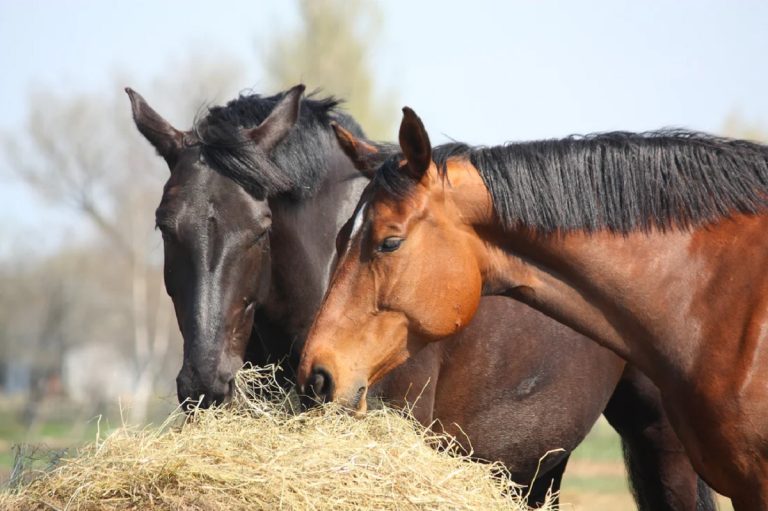
The question of how do people feed horses in battles reveals a practical side of warfare where logistics mattered as much as strategy. Armies relied on forage collection, stored grains, and strict rationing while adapting to terrain, climate, and enemy disruption. Feeding horses during battles required constant movement, improvisation, and discipline, reflecting the harsh conditions soldiers and animals faced together. Exploring this topic uncovers how survival, endurance, and battlefield success were closely tied to the care and nourishment of war horses.
Battlefield Feeding Logistics
Supplying horses in war demanded constant planning under pressure, where movement, timing, and availability of resources determined success. Feeding systems had to function during marches, encampments, and active combat without disrupting military objectives. Terrain, climate, and enemy interference directly influenced how feed was stored, moved, and distributed. Battlefield feeding logistics became a daily operation that protected mobility, endurance, and overall fighting capability.
Supply Chains And Transport Of Horse Feed
Supplying horse feed began far from the battlefield, where armies gathered grain, hay, and dried forage in advance. These supplies were loaded onto wagons or pack animals and moved alongside troops, often over damaged roads or hostile territory. Every delay increased the risk of spoilage or loss, forcing strict control over transport schedules.
Protecting feed convoys was a priority because cavalry strength depended on steady nourishment. Enemy attacks on supply lines could weaken horses before any direct engagement occurred. Commanders adjusted routes and travel times to reduce exposure, sometimes moving at night to avoid ambush.
Weight management also shaped transport decisions. Overloaded wagons slowed progress and exhausted animals, so supplies were carefully rationed. This balance between speed and sustenance defined how armies maintained mounted units during extended campaigns.
Foraging Strategies During Active Campaigns
When supply lines stretched too far, armies relied on foraging to keep horses fed. Soldiers gathered grass, hay, and crops from nearby land, often working under constant threat. This method allowed forces to remain mobile without waiting for distant supplies.
Foraging success depended on geography and season. Fertile regions supported large numbers of horses, while barren landscapes caused rapid weakness. Commanders carefully controlled grazing areas to avoid exhausting land resources too quickly.
In enemy territory, foraging parties moved in armed groups to prevent surprise attacks. While effective in emergencies, this approach exposed armies to countermeasures such as scorched-earth tactics. Destroyed fields left horses underfed and forced strategic withdrawals.
Ration Management And Horse Health Under Fire
Ration management focused on keeping horses functional rather than fully nourished. Smaller portions were issued more frequently to maintain energy while preventing digestive problems caused by stress and sudden feeding changes.
Water access remained critical, as dehydration weakened horses faster than hunger. Military handlers sought rivers, wells, or temporary water points whenever movement allowed. Rest periods were planned around feeding to support recovery.
Signs of fatigue, weight loss, or lameness were closely watched. Horses in poor condition slowed entire units, affecting battlefield outcomes. Feeding decisions directly influenced speed, endurance, and the ability to respond under fire.
Portable Feed Transport Methods
Moving horse feed across battlefields required methods that were flexible, lightweight, and reliable under constant motion. Portable transport systems allowed armies to sustain horses without relying solely on fixed supply points. These methods were designed to adapt to long marches, sudden engagements, and changing terrain. By breaking feed into manageable loads, soldiers ensured horses could be nourished even when wagons were delayed or routes became impassable during active campaigns.
Saddlebags And Individual Carry Systems
Saddlebags played a central role in portable feed transport, allowing each mounted unit to carry a limited but essential supply. Grain, dried grass, or compressed forage was packed into balanced bags attached to the saddle, reducing reliance on supply wagons. This system ensured horses could be fed during short halts without unpacking large stores.
Soldiers were trained to distribute feed efficiently, offering small portions that matched the horse’s workload. Saddlebags also allowed rapid movement, as units could travel independently without waiting for convoys. This independence proved valuable during scouting missions, flanking maneuvers, or rapid retreats.
Weight control remained critical. Overloaded saddlebags caused strain and reduced endurance, so rations were carefully measured. While limited in capacity, individual carry systems provided immediate access to nourishment, keeping horses functional during unpredictable battlefield conditions.
Pack Animals And Mobile Feed Loads
Pack animals such as mules and donkeys expanded portable feed capacity beyond what horses could carry themselves. These animals transported sacks of grain and bundled hay across rough terrain where wagons could not travel. Their ability to move steadily through narrow paths made them essential during mountain campaigns or forested regions.
Feed loads were divided into smaller units to prevent injury and allow quick redistribution if animals were lost. Soldiers rotated pack animals to avoid exhaustion, ensuring a steady flow of supplies close to the front lines. This method supported sustained operations without anchoring forces to fixed depots.
Pack-based transport also increased resilience. If one route failed, loads could be rerouted quickly. Although slower than mounted units, pack animals provided a dependable solution for maintaining horse nutrition during extended movements.
Compact And Processed Feed Solutions
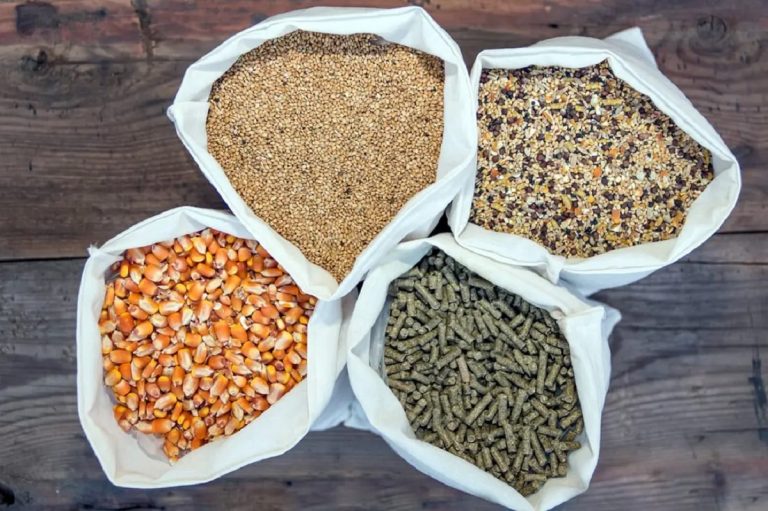
To reduce bulk, armies developed compact feed forms that were easier to transport. Crushed grains, dried pellets, and compressed forage blocks delivered nutrition in smaller volumes. These feeds resisted spoilage and were easier to portion under stress.
Processed feed simplified feeding routines, allowing soldiers to nourish horses quickly during short breaks. Smaller quantities delivered higher energy, supporting endurance during long marches or repeated engagements. This efficiency reduced the need for constant resupply.
However, reliance on compact feed required careful monitoring. Sudden dietary changes could upset digestion, especially under stress. Handlers balanced processed feed with grazing when possible. Despite limitations, compact solutions improved portability and helped armies maintain mobility when traditional forage was unavailable.
Feeding During Marches And Encampments
Keeping horses fed during constant movement and temporary stops was a daily challenge for armies. Marches demanded efficiency, while encampments offered limited windows for proper feeding and recovery. Commanders had to coordinate feeding schedules with travel pace, rest periods, and security needs. The way horses were nourished during these phases directly affected endurance, discipline, and readiness for combat, making feeding routines a core part of military organization rather than a secondary concern.
Feeding Routines During Long Marches
During long marches, horses were fed in small, controlled portions to maintain steady energy without slowing progress. Large meals were avoided because they increased fatigue and digestive strain while on the move. Instead, grain or compact feed was given during short halts, allowing horses to refuel without extended stops.
Handlers closely monitored pace and terrain, adjusting rations based on workload. Steep climbs, heat, or muddy roads required additional nourishment to prevent exhaustion. Water breaks were equally important, as dehydration quickly reduced stamina and coordination.
Discipline played a major role in march feeding. Soldiers followed strict schedules to prevent uneven distribution or wasted feed. These routines ensured that horses remained functional throughout extended movements, preserving mobility and preventing breakdowns before reaching encampments.
Grazing And Forage Use In Temporary Camps
Encampments provided opportunities for more substantial feeding through grazing and forage distribution. Horses were often untacked and led to designated grazing areas where they could feed naturally. This approach reduced dependence on carried supplies while supporting digestion and recovery.
Commanders regulated grazing zones to prevent overcrowding and overuse of land. Rotating areas allowed grass to recover and minimized the risk of disease spreading among animals. In hostile regions, guards protected grazing horses from surprise attacks.
Forage collected earlier was distributed in measured amounts to supplement grazing. This balanced method improved weight maintenance and morale. Effective use of grazing in camps allowed horses to regain strength and prepare for the next march or engagement.
Night Feeding And Rest Management
Night feeding played a vital role in restoring energy after demanding days. Horses were fed before and after rest periods to support muscle recovery and maintain body condition. Quiet, orderly routines reduced stress and improved digestion.
Rest management was coordinated with feeding schedules to maximize benefit. Horses that fed calmly and rested adequately showed better endurance the following day. Handlers ensured access to water throughout the night, especially in warm climates.
Security concerns shaped night routines. Feeding areas were kept within guarded zones to prevent theft or panic. These controlled practices allowed horses to recover safely, reinforcing the connection between proper feeding, rest, and sustained battlefield performance.
Water Access And Hydration Management
Water was as critical as feed in maintaining the strength and mobility of war horses. Without consistent hydration, even well-fed animals lost stamina, coordination, and resilience under stress. Armies treated water access as a strategic resource, planning routes and camps around reliable sources. Managing when, where, and how horses drank helped prevent exhaustion, illness, and sudden collapse during marches or battles.
Identifying And Securing Reliable Water Sources
Locating dependable water sources was a primary responsibility during campaigns. Rivers, streams, wells, and natural springs shaped marching routes and camp placement. Commanders often chose longer paths to ensure regular access, understanding that dry stretches weakened horses faster than hunger.
Securing water points was equally important. Guards were assigned to prevent enemy interference or contamination, especially in contested regions. In some cases, temporary wells were dug to support large numbers of animals.
Water sources also required organization. Uncontrolled access caused overcrowding and panic, increasing injury risk. Structured watering schedules ensured every unit received sufficient hydration while maintaining order and readiness.
Controlled Watering During Movement And Combat
During marches and active operations, watering horses required careful timing. Allowing animals to drink freely during intense movement caused fatigue and digestive problems. Instead, handlers offered measured amounts during planned halts.
These controlled breaks helped maintain hydration without slowing progress. Horses were trained to drink calmly and move on, reducing delays and confusion. In hot climates, more frequent but smaller watering stops were necessary.
Combat conditions added complexity. Watering under fire was rare but essential when possible. Handlers prioritized horses showing signs of distress, understanding that dehydration quickly reduced responsiveness. These practices preserved endurance and reduced losses during prolonged engagements.
Preventing Dehydration And Heat Stress
Preventing dehydration involved more than access to water. Load management, pacing, and rest periods worked together to reduce fluid loss. Overworked horses required additional hydration to recover safely.
Heat management was critical in warm regions. Shade, night travel, and reduced daytime movement limited overheating. Wetting the neck and legs helped cool horses when water was available.
Handlers monitored signs such as heavy breathing, dull eyes, and unsteady movement. Early intervention prevented collapse. Effective hydration management protected horse health and ensured sustained performance throughout demanding military operations.
Feeding Injured Or Exhausted Horses
Injured or exhausted horses required special feeding attention to restore strength without causing further harm. Battlefield conditions rarely allowed full recovery, yet proper nutrition could stabilize animals and extend their usefulness. Military handlers adjusted feeding practices based on injury severity, fatigue level, and available resources. Careful feeding decisions helped reduce stress, support healing, and prevent rapid decline, making nourishment a vital part of horse care even in active war zones.
Adjusted Diets For Wounded Horses
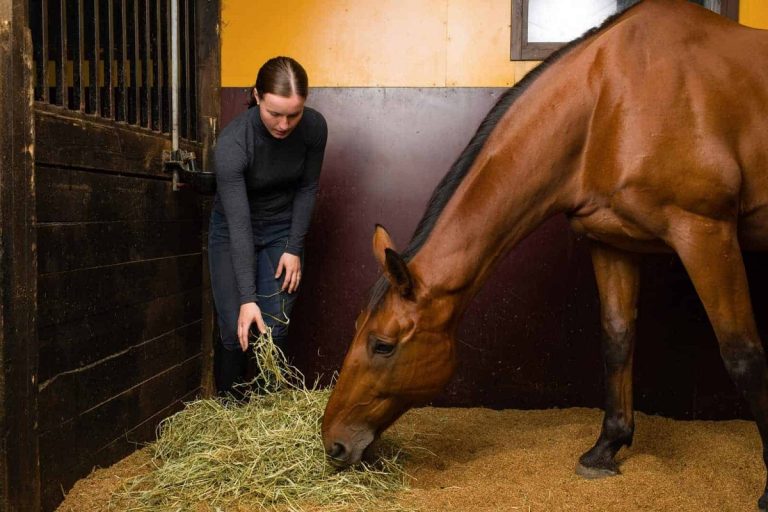
Wounded horses were often fed lighter, easily digestible rations to avoid straining weakened bodies. Large grain portions were reduced, replaced with softer forage or soaked feed that was easier to chew and process. This approach minimized digestive stress while still providing essential energy.
Handlers also focused on hydration, as injured animals were more vulnerable to dehydration. Water was offered frequently in controlled amounts to support circulation and tissue repair. Feeding times were kept calm and consistent to reduce anxiety.
Infections or open wounds required additional care. Clean feeding areas helped prevent contamination. Although recovery was limited, adjusted diets helped wounded horses maintain strength long enough to be moved or treated further.
Feeding Practices For Severely Exhausted Horses
Exhausted horses showed clear signs such as trembling, rapid breathing, and unwillingness to move. Feeding these animals required patience and restraint. Immediate heavy feeding was avoided, as it could worsen fatigue or cause colic.
Instead, small portions of high-energy feed were given gradually, allowing the horse’s system to recover. Rest periods were extended, and feeding was timed to follow cooling and hydration. This sequence supported safer energy restoration.
Handlers monitored recovery closely. Horses that responded well were slowly returned to regular rations, while others were withdrawn from active duty. Careful feeding helped prevent collapse and prolonged the effectiveness of exhausted animals during demanding campaigns.
Recovery Feeding And Limited Rehabilitation
When conditions allowed, injured or exhausted horses entered short recovery phases away from front-line stress. Feeding focused on rebuilding strength through balanced rations combining forage and grain in measured amounts. Sudden increases were avoided to protect digestion.
Grazing was encouraged when safe, as natural movement and feeding supported muscle recovery. Clean water and reduced workloads enhanced nutrient absorption and healing.
Although full rehabilitation was rare, these feeding practices stabilized horses and reduced losses. Even brief recovery periods improved endurance and morale, highlighting the importance of tailored nutrition in sustaining war horses under extreme conditions.
Frequently Asked Questions
How Do Armies Transport Horse Feed During Battles?
You transport horse feed during battles using a combination of wagons, pack animals, and saddlebags. Wagons carry larger supplies but are slower and vulnerable to attacks, while pack animals like mules or donkeys can navigate rough terrain. Saddlebags allow mounted units to carry small, immediate rations for their horses. This multi-layered approach ensures that horses have access to food even if supply lines are disrupted. Proper planning and coordination are essential, as delayed or lost feed can quickly weaken cavalry units and reduce their effectiveness on the battlefield.
What Types Of Feed Were Used For War Horses?
You primarily use grains such as oats, barley, and corn, along with hay and dried forage, to feed horses in battles. Compact feeds like pellets or crushed grains were often employed for portability and quick distribution. Grazing is also utilized whenever possible to supplement supplies. The choice of feed depends on availability, campaign length, and the horse’s workload. Balancing nutrition is crucial, as underfed horses lose stamina, while overfeeding can lead to digestive problems. Efficient rationing keeps horses healthy and ready for long marches or extended combat engagements.
How Were Horses Fed During Long Marches?
You feed horses during long marches by giving them small, controlled portions at regular intervals. Large meals are avoided because they slow digestion and tire horses out. Short breaks allow for water and forage consumption without halting troop movements. Rationing is adjusted based on terrain, workload, and weather conditions. Handlers monitor signs of fatigue to prevent exhaustion. By maintaining a steady feeding routine, horses retain endurance, energy, and coordination, ensuring that cavalry units remain mobile and effective throughout extended campaigns.
How Did Armies Manage Water And Hydration For Horses?
You manage hydration by planning routes and encampments around reliable water sources like rivers, wells, and springs. Horses are offered controlled amounts during breaks to prevent overdrinking and digestive issues. Water points are secured to prevent enemy interference and overcrowding. Handlers watch for signs of dehydration such as heavy breathing, unsteady movement, or dull eyes. Proper hydration is essential because water loss reduces stamina and increases the risk of heat stress. Maintaining consistent access to water ensures horses remain strong and responsive during marches and battles.
How Were Injured Or Exhausted Horses Fed On The Battlefield?
You feed injured or exhausted horses with light, easily digestible rations, such as soaked forage or small grain portions. Feeding is gradual to prevent digestive strain, and hydration is given in measured amounts. Horses are rested and fed in calm, controlled environments to reduce stress. Monitored recovery feeding helps stabilize their condition and supports strength restoration. By providing tailored nutrition, even severely fatigued or injured horses can regain enough energy to continue limited duties or survive until further treatment is available.
What Role Did Foraging Play In Feeding Horses During Campaigns?
You rely on foraging when supply lines are stretched or inaccessible. Soldiers collect grass, hay, or crops from surrounding areas to supplement carried feed. Foraging requires careful management to avoid overgrazing and to maintain order under potential enemy threat. Rotating grazing areas preserves land resources and prevents disease spread. While foraging cannot replace full rations, it sustains horses in emergencies and helps maintain mobility. Combining foraging with controlled feed ensures that horses retain energy and endurance, even during prolonged operations or in hostile territories.
Final Words
Feeding horses during battle requires careful planning, coordination, and quick action. Soldiers and support staff must ensure that horses remain nourished and hydrated while minimizing disruption to troop movements and combat readiness. Portable feed, timely water access, and controlled feeding routines are essential to maintain the stamina and health of these animals. Handlers play a critical role in managing both exhausted and injured horses, adjusting feeding practices to suit the conditions of the battlefield.
Training horses to eat calmly under stress and organizing supply lines effectively can prevent chaos and ensure operational efficiency. Overall, understanding the logistics, risks, and strategies involved provides insight into the demanding process of maintaining horse welfare during warfare. Addressing these challenges directly answers the question of how do people feed horses in battles, highlighting the balance between animal care and military necessity.