How Long Do Tennessee Walking Horses Live – By the Numbers
You can expect Tennessee Walking Horses to live between 25 and 30 years, with some reaching their mid-30s if you provide proper care. Their lifespan depends on genetics, nutrition, healthcare, and environment. Factors like balanced diets, regular vet check-ups, and good hoof care play key roles.
Avoiding harmful practices and managing weight also contribute to longevity. Understanding these essential elements helps you maximize your horse’s healthy years and overall well-being. Taking good care of your horse really makes all the difference.
Typical Lifespan of Tennessee Walking Horses

Although the typical lifespan of Tennessee Walking Horses ranges from 25 to 30 years, some individuals can live into their early or even mid-30s with proper care. You should recognize that their longevity depends heavily on factors like nutrition, healthcare, and management.
With regular veterinary check-ups, including vaccinations and parasite control, you can prevent common equine illnesses that might shorten their lifespan.
Maintaining good hoof and dental care is essential. Neglect in these areas often leads to complications reducing longevity.
The breed’s generally healthy constitution supports a long life when you provide consistent, appropriate care.
Genetic Factors Affecting Tennessee Walking Horse Longevity

Beyond proper care and management, the genetic makeup of your Tennessee Walking Horse plays a big role in how long it lives. Genetic factors influence longevity through breed purity and hereditary health conditions.
You can boost your horse’s lifespan by keeping a few key points in mind. Strong, healthy genetics often help horses live 25 to 30 years or even longer.
On the flip side, inbreeding or low genetic diversity can raise the risk of health problems.
Inherited conditions like navicular disease or scoliosis might cut a horse’s life short if they go untreated.
Nutritional Impacts on Tennessee Walking Horse Lifespan
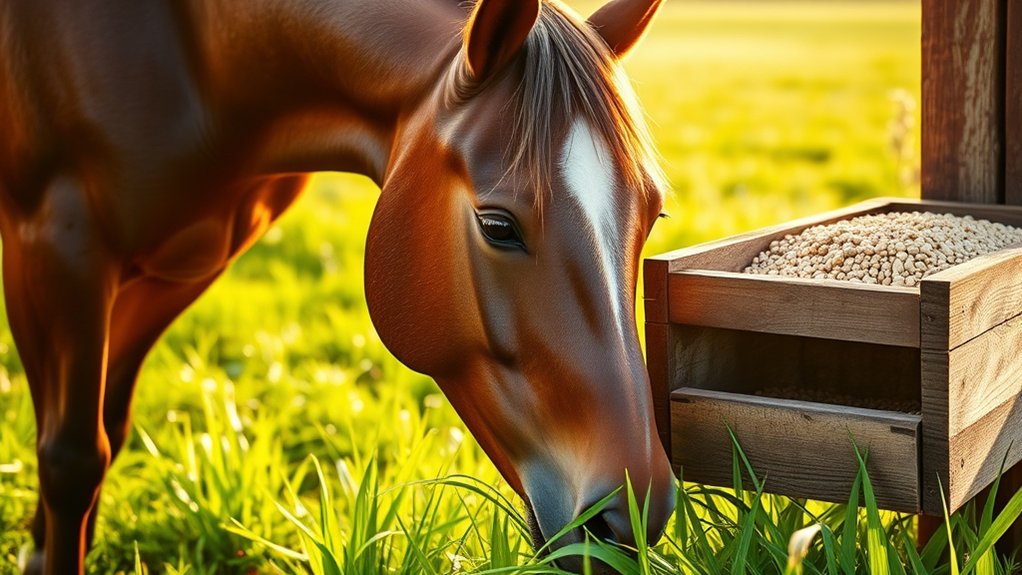
When you provide your Tennessee Walking Horse with a balanced diet rich in essential vitamins and minerals, you directly support its longevity and overall health.
Adequate protein intake is vital for muscle maintenance, which sustains mobility and reduces injury risk. Avoid overfeeding or relying on poor-quality feed, as obesity increases the likelihood of metabolic and joint diseases, shortening lifespan.
Proper protein supports muscle health, while avoiding overfeeding prevents obesity-related diseases and extends lifespan.
Deficiencies in calcium or selenium can compromise skeletal integrity and immune response, leading to chronic health issues. Also, make sure your horse always has access to clean, fresh water to stay hydrated and support critical bodily functions.
These things might seem simple, but they really make a big difference.
By managing these nutritional factors carefully, you’re optimizing your horse’s health. This not only extends its potential lifespan but also improves its overall quality of life.
Taking these steps shows you care about your horse’s well-being in the long run.
Training Methods Affecting Health and Lifespan
Because training methods directly impact a Tennessee Walking Horse’s musculoskeletal health, choosing humane and natural techniques is essential for longevity. Avoiding harmful practices like heavy shoeing, soring, or forcing unnatural gaits prevents chronic joint, hoof, and back issues that shorten lifespan.
Instead, focus on gentle training and proper hoof care to maintain soundness. It really makes a difference in how long and well your horse lives.
Here’s what you should prioritize:
- Implement natural gait promotion to reduce strain on joints.
- Avoid soring and harsh shoeing, which cause lasting damage.
- Employ regular veterinary assessments to detect and treat injuries early.
- Maintain consistent, pain-free training to prevent chronic ailments.
Environmental Factors Influencing Tennessee Walking Horse Longevity
Maintaining sound training practices supports a Tennessee Walking Horse’s health, but the environment you provide plays an equally important role in their lifespan. Clean, dry pastures and well-ventilated shelters protect your horse from harsh weather, reducing stress and illness risks.
Exposure to extreme heat or cold compromises their immune system, potentially shortening longevity.
Ensuring consistent access to quality forage supports nutritional needs critical for maintaining bodily functions. Overcrowding or unsanitary conditions increase disease susceptibility, negatively impacting lifespan.
Regular veterinary care complements environmental management by addressing preventive health concerns promptly.
Common Health Issues in Tennessee Walking Horses
Although Tennessee Walking Horses generally enjoy a lifespan of 25 to 30 years, their longevity can be compromised by several common health issues. You need to monitor these conditions closely to maintain your horse’s health and performance.
Key concerns include lameness. This often results from overuse or improper gaiting and can affect mobility. Navicular disease is another problem that causes chronic hoof pain, impacting your horse’s gait and comfort.
Respiratory problems are common too, often due to environmental allergens and stable conditions.
Osteoarthritis and joint issues are prevalent in aging horses, leading to stiffness and reduced activity.
Regular veterinary checkups and proactive management are essential. They help detect and address these issues early, which can extend your Tennessee Walking Horse’s active years and overall lifespan.
Signs of Aging in Tennessee Walking Horses
You’ll start to see some physical changes as Tennessee Walking Horses get older, like graying around their muzzle and a drop in muscle tone.
It’s pretty common for their behavior to shift too—slower gaits and a bit of stiffness in their joints often show up.
Plus, things like dental wear and the condition of their coat can give you clear clues that they’re getting on in years.
Physical Changes Overview
As Tennessee Walking Horses age, their bodies go through some clear physical changes that show they’re getting older. You’ll start to notice these changes slowly affecting how they move, look, and feel overall.
Joint stiffness and slower gaits become pretty obvious, which means they don’t stay as active as they used to.
Gray hairs pop up around their face and muzzle—these are some of the easiest signs to spot that they’re aging. Their teeth also wear down more, making chewing a bit tougher for them.
On top of that, their manes and tails get thinner, and you might see their withers and bones sticking out more because they lose muscle.
Knowing these signs really helps you give your Tennessee Walking Horse the right care, so they stay comfy and healthy as they get older.
Behavioral Shifts Noted
When Tennessee Walking Horses grow older, you’ll notice clear behavioral shifts that reflect their changing physical condition. They often exhibit decreased energy levels and slower gait performance, linked to joint stiffness and arthritis. You’ll see them resting more frequently and showing reluctance to engage in strenuous activities.
These horses may also experience changes in appetite, sometimes leading to weight loss, which can signal aging or underlying issues. Physically, graying around the face and muzzle becomes apparent, but behavioral changes provide earlier clues to their condition.
Monitoring these shifts helps you adjust care and exercise routines to maintain comfort and mobility, ensuring your horse’s well-being as it advances in age.
Recognizing these patterns is essential for effective management of aging Tennessee Walking Horses. So, keeping an eye on how your horse behaves day-to-day can really make a difference in how you care for them. It’s all about staying proactive and attentive to their needs.
Health Indicators Highlighted
Although Tennessee Walking Horses can live 25 to 30 years with proper care, recognizing early health indicators is crucial for maintaining their quality of life.
As your horse ages, you need to monitor specific signs that reflect its overall health and well-being.
Key indicators include graying around the muzzle and eyes, which signals natural aging progression.
You might also notice decreased energy and a less smooth gait, which could indicate joint stiffness or discomfort.
Dental wear is another concern, as it can affect feeding efficiency and nutrition absorption.
Weight fluctuations can happen due to metabolic changes or arthritis, so these require careful management.
Regular veterinary check-ups are essential to detect and manage these conditions early.
Keeping up with these checks helps you extend your horse’s lifespan and maintain ideal health throughout its senior years.
It’s all about staying proactive and attentive to your horse’s needs.
Tips to Extend Your Tennessee Walking Horse’s Life
To extend your Tennessee Walking Horse’s life, you must prioritize a balanced diet that meets all nutritional requirements. Proper nutrition supports longevity of 25 to 30 years or more.
Regular veterinary check-ups, maintaining appropriate weight, and consistent exercise are essential. Proper hoof care prevents lameness. Plus, a safe, low-stress environment reduces health risks.
| Key Aspect | Action |
|---|---|
| Nutrition | Provide balanced feed, avoid obesity |
| Health Monitoring | Schedule regular vet visits, treat promptly |
| Environment & Care | Ensure safe housing, maintain exercise and hoof care |
Implementing these strategies will promote joint health, reduce organ strain, and minimize accident risks. All of this collectively enhances your horse’s lifespan with measurable precision.
Preventing Early Health Problems in Tennessee Walking Horses
Since early health problems can drastically affect your Tennessee Walking Horse’s quality of life and longevity, proactive prevention is essential. You can minimize risks by focusing on critical care aspects that address common early issues.
Maintain proper nutrition and regular veterinary check-ups. This helps you detect and treat lameness, respiratory, or dental problems early. Catching these issues sooner makes a big difference.
Implement routine hoof care to prevent structural issues and discomfort. Keeping their hooves in good shape is key to their overall health.
Control weight and exercise appropriately to avoid obesity and joint strain. These are common contributors to early health decline, so keeping them balanced is important.
Avoid excessive soring or harsh training methods to reduce chronic pain or injury risks.
Also, make sure your horse gets timely vaccinations and parasite control to prevent infectious diseases.
Taking these steps will help your Tennessee Walking Horse stay healthy and happy for years to come.
Comparing Tennessee Walking Horse Lifespan to Other Breeds
You’ll find that Tennessee Walking Horses typically live between 25 to 30 years. That’s pretty similar to breeds like Arabians.
However, they tend to outlive some high-performance breeds, such as Thoroughbreds.
Of course, how long a horse lives depends a lot on things like care, diet, and overall health management, which can vary quite a bit between breeds.
Knowing these differences can really help you make the most of your horse’s lifespan and take care of any breed-specific health needs more effectively.
Average Lifespan Comparison
Although lifespan varies among horse breeds, Tennessee Walking Horses generally live about 25 to 30 years, a range similar to other light horse breeds such as American Quarter Horses and Arabians. You’ll find that this consistency highlights common biological and care patterns among light breeds.
When comparing lifespans, consider these key points: Tennessee Walking Horses tend to live longer than larger draft breeds, which often have shorter lifespans. With ideal care, some Tennessee Walkers reach their early 30s.
American Quarter Horses and Arabians share a comparable average lifespan of 25 to 30 years. Genetic factors and breed-specific characteristics contribute to these lifespan ranges.
Understanding these comparisons helps you set realistic expectations for your horse’s longevity relative to its breed. It’s always good to keep these points in mind when thinking about your horse’s health and care.
Factors Affecting Longevity
When comparing the lifespan of Tennessee Walking Horses to other breeds, several key factors come into play that directly influence longevity. Tennessee Walkers typically live 25 to 30 years, similar to other light horse breeds.
However, their lifespan is shorter than Arabians, which can reach 30 to 40 years with ideal care.
You’ll find that proper nutrition, consistent veterinary care, and suitable living conditions considerably impact their lifespan. Environmental factors, such as stable quality and exercise routines, also play critical roles.
Health complications like lameness or respiratory issues can reduce their longevity, so monitoring and managing these conditions is essential.
Breed Health Considerations
While Tennessee Walking Horses share a lifespan range similar to many light horse breeds, specific health considerations unique to the breed can influence their longevity. You should understand these factors to optimize your horse’s lifespan, which typically spans 25 to 30 years. That’s comparable to Arabians and other light breeds.
Here are some key considerations to keep in mind:
- Joint health: Watch out for arthritis and lameness, which are common in this breed.
- Nutrition and care: Make sure to provide balanced diets and schedule regular veterinary exams.
- Ethical treatment: Avoid harmful practices like soring, as these can drastically reduce your horse’s lifespan.
- Living conditions: Keep their environment clean and safe to prevent stress and injury.
Frequently Asked Questions
What Is the Average Foaling Age for Tennessee Walking Horses?
You’ll find the average foaling age for Tennessee Walking Horses ranges between 11 and 13 months, varying with mare health and management.
This timing supports ideal development and prepares foals for effective training and growth. It really depends on how well the mare is cared for during pregnancy. When everything goes smoothly, foals are born at just the right time to start off strong.
How Much Exercise Do Tennessee Walking Horses Need Daily?
You’ll want to give your Tennessee Walking Horse 30 to 60 minutes of moderate exercise daily. Just like a well-tuned engine, this routine helps maintain joint health and prevents stiffness.
It also balances care with their natural endurance and temperament. Keeping up with this daily exercise is key to their overall well-being.
Are Tennessee Walking Horses Good for Beginner Riders?
Yes, Tennessee Walking Horses are excellent for beginner riders. Their gentle temperament and smooth gait make them very approachable.
They have a forgiving nature that helps you build confidence safely. Plus, they minimize jolts, making your initial riding experience comfortable and manageable.
You’ll find that riding one feels natural and relaxed, which is perfect when you’re just starting out.
What Are Common Behavioral Traits of Tennessee Walking Horses?
Wondering what traits define Tennessee Walking Horses? You’ll find they’re calm, patient, intelligent, and enthusiastic to please.
They exhibit smooth gaited movements and form strong bonds with riders. This makes them highly responsive and ideal for varied riding activities.
How Do Tennessee Walking Horses Perform in Competitive Events?
You’ll find Tennessee Walking Horses excel in competitive trail rides and breed-specific events, demonstrating smooth, consistent gaits and soundness. Their performance emphasizes natural movement, endurance, and rider courtesy.
They avoid controversial practices like soring to maintain integrity. This focus helps them stand out in competitions and keeps the sport fair and enjoyable for everyone involved.
Conclusion
You can expect your Tennessee Walking Horse to live around 25 to 30 years, with genetics playing a vital role in their longevity. Remarkably, horses with ideal nutrition and consistent, low-impact training tend to live up to 15% longer than those without.
By understanding these factors and monitoring signs of aging, you can greatly extend your horse’s healthy years. Prioritizing their environment and preventive care will help your horse reach its full lifespan potential.