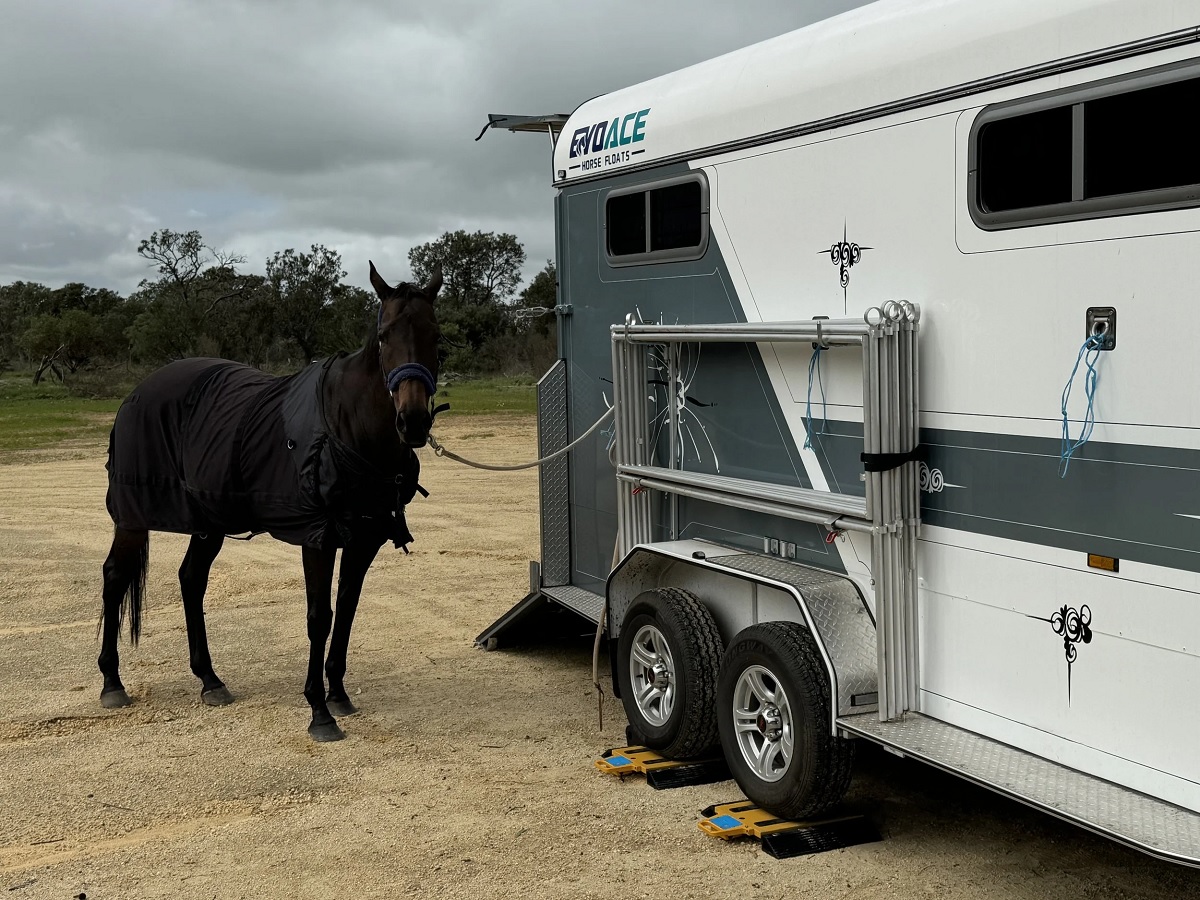
How Much Does a Horse Trailer Weigh? Complete Breakdown for Buyers
Buying or towing a horse trailer is a serious responsibility that goes beyond style, size, or price. One of the most overlooked yet critical factors is weight, because it directly affects safety, vehicle performance, and legal compliance. Many new and experienced horse owners underestimate how much planning goes into hauling horses securely on the road.
Understanding trailer weight helps prevent overloading your towing vehicle and reduces the risk of mechanical failure or accidents. It also plays a key role in fuel efficiency, braking distance, and overall control while driving, especially on highways or uneven rural roads.
People often ask how much does a horse trailer weigh because the answer is not as simple as one fixed number. Different materials, trailer lengths, axle types, and added features all influence the final weight.
Knowing these details allows owners to match the right trailer with the right truck and stay within recommended towing limits. A clear grasp of trailer weight makes every trip safer, smoother, and less stressful for both the driver and the horses.
Types of Horse Trailers and Their Weight Ranges
Choosing the right horse trailer depends heavily on understanding the different trailer types and how much they typically weigh. Trailer design affects not only how many horses you can carry, but also towing stability, fuel use, and safety. Each type comes with a distinct structure, material choice, and weight range that suits specific hauling needs and experience levels.
Straight Load Horse Trailers and Average Weight
Straight load horse trailers are among the most traditional and widely used designs, especially for hauling one or two horses. In this configuration, horses stand facing forward, aligned straight with the direction of travel. This simple layout keeps the trailer compact, making it easier to tow for beginners.
The weight of a straight load horse trailer largely depends on construction materials. Lightweight aluminum models often weigh between 2,400 and 3,200 pounds when empty. Steel-frame versions are heavier, usually ranging from 3,000 to 4,000 pounds, offering extra durability but requiring more towing power.
Size also plays a major role in weight variation. A single-horse straight load trailer is significantly lighter than a two-horse model with dressing rooms or tack storage. Added features like padded dividers, rubber flooring, and reinforced walls increase overall weight gradually.
Because of their balanced design and predictable weight range, straight load trailers are popular among horse owners who prioritize stability and easy maneuverability. Understanding their empty weight is essential before factoring in horse weight, equipment, and water tanks.
Slant Load Horse Trailers and Weight Differences
Slant load horse trailers position horses at an angle, allowing more room in a shorter trailer length. This layout is often preferred for hauling multiple horses while maintaining a compact footprint. The angled stalls can improve balance and reduce stress for some horses.
Due to their larger interior structure, slant load trailers generally weigh more than straight load models. A typical two-horse slant load trailer weighs between 3,200 and 4,500 pounds empty, depending on material and layout. Aluminum slant load trailers remain on the lighter end of this range.
Additional horses significantly increase the base weight. Three- and four-horse slant load trailers can weigh anywhere from 4,500 to over 7,000 pounds before adding horses or gear. Features such as extended roofs, living quarters, and escape doors also contribute to higher weights.
Slant load trailers offer flexibility and comfort but demand careful towing calculations. Matching the trailer’s empty and loaded weight with the tow vehicle’s capacity is crucial for safe operation, especially on longer trips.
Stock Horse Trailers and Typical Weight Range
Stock horse trailers are designed with open interiors and minimal partitions, making them versatile for hauling horses, cattle, or other livestock. These trailers are favored for their durability and airflow, especially in warmer climates.
Because of their simple construction, stock trailers can be lighter than fully enclosed horse trailers. Small stock trailers may weigh as little as 1,800 to 2,500 pounds empty. However, larger steel stock trailers commonly range between 3,500 and 6,000 pounds.
Material choice again plays a key role. Aluminum stock trailers reduce overall weight and resist corrosion, while steel versions offer strength at the cost of additional pounds. Side slats, roof height, and floor thickness all influence final weight.
Although stock trailers may seem lighter, the lack of interior dividers can shift animal weight during travel. Knowing the trailer’s weight range helps owners plan safe loading strategies and select appropriate towing vehicles.
Gooseneck Horse Trailers and Heavier Weight Classes
Gooseneck horse trailers connect to a hitch in the bed of a pickup truck, offering superior stability and higher weight capacity. These trailers are commonly used for hauling multiple horses or long-distance travel.
Due to their size and reinforced frames, gooseneck trailers are significantly heavier than bumper-pull designs. A basic two-horse gooseneck trailer often weighs between 4,000 and 6,000 pounds empty. Larger models can exceed 10,000 pounds before loading.
Living quarters greatly increase trailer weight. Gooseneck trailers with sleeping areas, kitchens, and bathrooms may weigh 12,000 to 16,000 pounds or more without horses. These additions require heavy-duty trucks with proper towing ratings.
Understanding weight ranges for gooseneck trailers is essential for safe hauling. While they offer excellent balance and comfort, their heavier build demands careful planning to avoid exceeding vehicle limits and road regulations.
Empty Weight vs Loaded Weight Considerations
Understanding the difference between empty weight and loaded weight is essential for anyone towing a horse trailer. These two measurements affect towing safety, vehicle performance, braking ability, and legal compliance. Many trailering issues arise not from the trailer itself, but from miscalculating how weight changes once horses, equipment, and supplies are added.
What Empty Weight Really Means for Horse Trailers
Empty weight refers to the trailer’s weight as manufactured, without horses, tack, water, or personal gear inside. This number is often listed by the manufacturer and gives a baseline for understanding towing requirements. While it seems straightforward, empty weight can vary widely based on materials, size, and design.
Aluminum trailers usually have a lower empty weight than steel trailers, making them appealing for owners with smaller tow vehicles. However, even within the same trailer type, features like dressing rooms, reinforced flooring, insulation, and spare tires can add hundreds of pounds. Many owners overlook these factory-installed additions when relying solely on brochure numbers.
Empty weight matters because it determines how much capacity remains for live load. A trailer with a lower empty weight allows more room for horses and equipment without exceeding towing limits. It also affects acceleration, handling, and stopping distance before anything is loaded.
Knowing the true empty weight helps owners make informed decisions early. Weighing the trailer at a public scale provides a more accurate number than relying only on manufacturer estimates, especially for older or modified trailers.
How Loaded Weight Changes Towing Dynamics
Loaded weight is the total weight of the trailer after horses, tack, water, feed, and accessories are added. This is the number that truly determines how the trailer behaves on the road. Even a lightweight trailer can become dangerously heavy once fully loaded.
A single horse can weigh between 900 and 1,200 pounds, and larger breeds may exceed that range. Add saddles, hay bales, water tanks, and personal gear, and the total weight increases quickly. Many owners underestimate how fast these additions stack up.
As loaded weight increases, towing dynamics change noticeably. Braking distances become longer, acceleration slows, and turning requires more space and control. On hills or uneven terrain, excess weight puts strain on the engine, transmission, and suspension of the tow vehicle.
Proper weight distribution also becomes more critical when loaded. Uneven placement of horses or gear can cause sway, reduced traction, and steering instability. Understanding loaded weight helps drivers adjust speed, spacing, and driving habits to maintain control in real-world conditions.
Legal and Safety Limits Tied to Loaded Weight
Loaded weight plays a major role in meeting legal towing requirements and safety regulations. Tow vehicles and trailers are assigned specific ratings, including gross trailer weight rating and gross combined weight rating. Exceeding these limits can result in fines, insurance issues, or mechanical failure.
Many accidents occur because owners focus on empty weight and ignore what happens once the trailer is fully packed. Law enforcement and roadside inspections assess actual weight, not estimates. If a trailer exceeds its rated capacity, responsibility falls entirely on the owner or driver.
Insurance claims can also be affected by overloaded trailers. In the event of an accident, investigators may examine weight compliance. An overloaded trailer can lead to denied claims or legal liability, even if the incident was caused by another factor.
From a safety standpoint, staying within loaded weight limits protects both horses and humans. Brakes function as intended, tires maintain proper contact with the road, and the risk of overheating or component failure is reduced. Loaded weight awareness is a key part of responsible trailering.
Balancing Empty and Loaded Weight for Practical Use
Balancing empty and loaded weight is not about choosing the lightest trailer available, but about selecting one that works safely with your towing setup. A slightly heavier empty trailer with better balance and construction may perform better than a lighter model pushed beyond its limits.
Planning begins with calculating the combined weight of horses, gear, and supplies you regularly carry. This realistic estimate helps determine how much empty weight you can safely afford in a trailer. It also prevents last-minute surprises when adding extra equipment for longer trips.
Regular weighing is a smart habit, especially as needs change. Additional horses, upgraded tack, or seasonal supplies can alter loaded weight significantly over time. Using certified scales ensures accuracy and peace of mind.
Horse Trailer Weight by Material Type
The material used to build a horse trailer has a major impact on its overall weight, durability, and towing requirements. Different materials affect not only how heavy the trailer is when empty, but also how it performs over time under regular use. Understanding these differences helps buyers choose a trailer that matches their towing capacity and long-term hauling needs.
Aluminum Horse Trailers and Weight Advantages
Aluminum horse trailers are widely valued for their lightweight construction and resistance to corrosion. Compared to other materials, aluminum significantly reduces empty trailer weight, making it easier to tow with mid-size trucks and SUVs. Many aluminum two-horse trailers weigh between 2,400 and 3,500 pounds, depending on design and features.
The reduced weight of aluminum trailers allows more flexibility when calculating how much does a horse trailer weigh once loaded. Owners can often carry additional gear or heavier horses without exceeding towing limits. This makes aluminum an attractive option for frequent travelers and long-distance hauling.
Despite being lightweight, aluminum trailers still offer strong structural integrity when properly engineered. Modern aluminum frames and panels are designed to handle vibration and stress without compromising safety. However, higher-quality aluminum trailers may cost more upfront.
Overall, aluminum trailers provide an excellent balance between weight efficiency and durability. Their lighter build contributes to better fuel economy, improved handling, and reduced wear on the towing vehicle over time.
Steel Horse Trailers and Heavier Construction
Steel horse trailers are known for their strength and rugged build, but this durability comes with added weight. Steel is significantly heavier than aluminum, which increases the trailer’s empty weight and towing demands. A comparable steel two-horse trailer may weigh between 3,500 and 4,500 pounds or more.
The heavier construction of steel trailers can provide a solid, stable feel on the road. Some owners prefer this added weight for short hauls or rough terrain, as it can reduce bounce and vibration. However, the increased weight limits how much additional load can be safely carried.
Steel trailers are often more affordable initially, which makes them appealing to first-time buyers. However, corrosion can be a concern, especially in humid or coastal environments. Rust prevention and regular maintenance become important factors in long-term ownership.
When evaluating how much does a horse trailer weigh, steel models require careful consideration of tow vehicle capacity. The extra weight reduces margin for horses, equipment, and water, making accurate calculations essential for safe hauling.
Composite and Hybrid Material Horse Trailers
Composite and hybrid horse trailers combine materials such as aluminum, steel, and fiberglass to balance weight, strength, and comfort. These trailers aim to capture the benefits of lightweight construction while maintaining durability in high-stress areas.
Typically, composite trailers fall between aluminum and steel in terms of weight. A two-horse hybrid trailer may weigh around 3,000 to 4,000 pounds empty, depending on how materials are distributed. Steel is often used for the frame, while aluminum or composite panels reduce overall mass.
One advantage of hybrid construction is improved insulation and noise reduction. Composite panels can offer better temperature control and a quieter ride, which may reduce stress for horses during transport. These features add some weight but enhance overall travel quality.
For owners calculating how much does a horse trailer weigh in real-world use, hybrid trailers offer a middle-ground option. They provide reasonable weight savings while retaining strength, making them suitable for a wide range of towing setups and hauling needs.
Horse Trailer Axles and Weight Distribution
Axles play a critical role in how a horse trailer carries weight and behaves on the road. The number of axles, their placement, and how weight is distributed across them directly affect stability, braking, tire wear, and overall towing safety. Understanding axle design helps owners prevent sway, reduce mechanical strain, and create a smoother ride for horses.
Single Axle Horse Trailers and Load Limitations
Single axle horse trailers are typically used for very small or lightweight hauling needs. These trailers usually carry one horse or light cargo and are designed for short-distance transport. Because there is only one axle supporting the load, weight capacity is limited compared to multi-axle designs.
In terms of weight distribution, single axle trailers are more sensitive to improper loading. Even a small shift in horse position or equipment placement can cause imbalance. This imbalance may lead to trailer sway, uneven tire wear, or increased stress on the hitch and tow vehicle suspension.
Single axle setups also place more pressure on each tire and brake component. This means braking distances can increase, especially when the trailer is fully loaded. For this reason, careful attention to total load and balance is essential.
While single axle trailers are lighter and easier to maneuver, they require precise weight control. Owners must ensure the trailer’s load remains well within rated limits to maintain safety and avoid handling problems during travel.
Tandem Axle Horse Trailers and Improved Stability
Tandem axle horse trailers, which use two axles, are the most common choice for hauling horses. This configuration spreads the trailer’s weight across four tires instead of two, significantly improving balance and stability on the road. Most two-horse and larger trailers use tandem axles for this reason.
With weight distributed over multiple contact points, tandem axles reduce sway and improve braking efficiency. If weight shifts slightly inside the trailer, the impact is less severe than in a single axle design. This makes tandem axle trailers more forgiving during turns, stops, and uneven road conditions.
Another advantage is increased load capacity. Tandem axles can support heavier trailers, additional horses, and extra equipment without overstressing individual components. This design also reduces tire and bearing wear, extending the lifespan of the trailer.
Proper weight distribution is still essential, even with tandem axles. Horses should be loaded evenly, and gear should be positioned to maintain balanced tongue weight. When managed correctly, tandem axle trailers offer a safer and more controlled towing experience.
Axle Placement and Its Effect on Weight Balance
Axle placement is just as important as axle count when it comes to weight distribution. Axles are positioned to balance the trailer’s load between the hitch and the wheels. Incorrect placement or uneven loading can negatively affect handling and towing safety.
If too much weight is placed toward the front, excessive tongue weight can strain the hitch and rear suspension of the tow vehicle. This may cause the front wheels of the vehicle to lose traction, reducing steering control. On the other hand, insufficient tongue weight can lead to trailer sway and instability at higher speeds.
Manufacturers design axle placement carefully to achieve optimal balance when the trailer is loaded as intended. However, modifications, added equipment, or improper loading can disrupt this balance. Owners should be mindful of how added features like water tanks or tack storage affect weight distribution.
Horse Weight Impact on Total Trailer Weight
The weight of the horse itself is one of the most significant factors affecting the total weight of a loaded horse trailer. While trailer size and construction matter, the combined weight of the horses inside often determines whether towing remains safe and within limits. Understanding how horse weight contributes to overall load helps owners make better decisions before every trip.
Average Horse Weight and Load Calculations
Most adult horses weigh between 900 and 1,200 pounds, but this range varies widely by breed, age, and conditioning. Light riding horses may fall on the lower end, while draft breeds and warmbloods can exceed 1,500 pounds. These differences have a direct impact on total trailer weight.
When calculating trailer load, owners must consider the combined weight of all horses being transported. Two average-sized horses can easily add over 2,000 pounds to the trailer. This weight is added directly to the trailer’s empty weight, quickly pushing the total load higher than many expect.
Horse weight is not evenly distributed like static cargo. Live animals shift their balance during movement, braking, and turning. This dynamic weight adds extra stress to axles, tires, and suspension systems, making accurate calculations even more important.
Knowing the approximate weight of each horse allows owners to plan loads more effectively. Estimating realistically rather than guessing helps prevent overloading and ensures the trailer operates safely under real driving conditions.
Breed Size Differences and Their Towing Effects
Different horse breeds create very different towing demands. Ponies and smaller breeds may weigh as little as 500 to 800 pounds, while large sport horses and drafts can weigh double or even triple that amount. These differences significantly affect total trailer weight.
Hauling larger breeds reduces the margin for carrying extra equipment or supplies. For example, a trailer designed for two average horses may reach its weight limit with just one large draft horse. Owners must account for this when choosing trailer size and axle ratings.
Breed size also affects how weight is distributed inside the trailer. Larger horses take up more space and place more pressure on flooring and suspension. This concentrated load can influence balance, especially in smaller or older trailers.
Understanding breed-related weight differences helps owners choose trailers that match their specific horses. It also prevents mismatches between horse size and trailer capacity, reducing wear on equipment and improving overall towing stability.
Multiple Horses and Cumulative Weight Impact
Transporting multiple horses increases total trailer weight rapidly. Each additional horse adds not only its body weight, but also increases movement inside the trailer, which affects stability. This cumulative effect can be challenging for underpowered towing setups.
For example, hauling three horses weighing 1,100 pounds each adds over 3,300 pounds to the trailer. When combined with tack, water, and feed, the total load can exceed safe limits if not carefully calculated. Many owners underestimate this compounding effect.
Multiple horses also change how weight is distributed across axles. Uneven loading, such as placing heavier horses on one side, can lead to imbalance and uneven tire wear. Proper stall assignment becomes critical for maintaining stability.
Managing cumulative weight requires careful planning. Owners should know individual horse weights and follow manufacturer guidelines for stall placement. This approach helps maintain balance, reduce stress on trailer components, and ensure safer transport.
Managing Horse Weight Within Safe Limits
Managing horse weight within trailer limits is not about restricting transport, but about making informed adjustments. Choosing the right trailer, limiting extra gear, and understanding load capacity all play a role in maintaining safe weight levels.
Weighing horses periodically provides more accurate data than relying on estimates. Many veterinary clinics and livestock facilities offer scales that give reliable readings. These numbers help owners plan trips with confidence.
Reducing unnecessary cargo can make a noticeable difference. Removing extra water tanks, unused tack, or heavy equipment creates more margin for horse weight. Even small reductions improve braking and handling.
Vehicle Towing Capacity and Horse Trailer Weight
Matching a vehicle’s towing capacity with the weight of a horse trailer is one of the most important aspects of safe hauling. Many towing problems occur when vehicle limits are misunderstood or ignored. Knowing how towing capacity relates to trailer weight helps prevent mechanical strain, improves handling, and ensures safer travel for both horses and drivers.
Understanding Manufacturer Towing Capacity Ratings
Every vehicle comes with a manufacturer-defined towing capacity that indicates the maximum weight it can safely pull. This rating is determined by engine power, transmission strength, braking system, frame design, and suspension. Exceeding this limit can lead to serious mechanical issues and reduced control on the road.
Towing capacity includes more than just the trailer’s empty weight. It must account for the fully loaded trailer, including horses, tack, water, and equipment. Many owners focus only on the trailer itself and forget to calculate the total combined load.
Vehicle ratings such as gross vehicle weight rating and gross combined weight rating also play a role. These limits ensure that both the vehicle and trailer operate within safe margins. Ignoring them increases wear on brakes and drivetrain components.
Understanding these manufacturer ratings allows owners to select a vehicle that can handle real-world hauling demands. Proper matching improves stability, reduces breakdown risks, and extends vehicle lifespan.
Matching Horse Trailer Weight to the Right Tow Vehicle
Choosing the right tow vehicle depends on accurately knowing how much does a horse trailer weigh when fully loaded. Even a mid-size trailer can exceed safe limits once horses and gear are added. This makes realistic weight calculations essential before hitting the road.
Larger trucks with higher towing capacities provide better control and braking when hauling horse trailers. Features such as heavy-duty suspensions, larger brakes, and integrated trailer brake controllers improve safety during sudden stops or downhill driving.
Using a vehicle close to its maximum towing capacity leaves little room for error. Extra passengers, fuel, or supplies inside the vehicle also contribute to total load. This added weight can push the setup beyond safe limits without obvious warning signs.
Matching trailer weight with a properly rated vehicle ensures smoother acceleration, better handling, and safer braking. This balance reduces stress on both the vehicle and trailer, making every haul more predictable and controlled.
How to Reduce Horse Trailer Weight Safely
Reducing horse trailer weight is not about cutting corners, but about making smarter, safer choices. A lighter trailer places less strain on the tow vehicle, improves braking, and enhances overall control on the road. By focusing on practical adjustments and mindful loading, owners can reduce weight without compromising horse comfort or safety.
Removing Unnecessary Equipment and Cargo
One of the simplest ways to reduce trailer weight is by removing items that are not essential for the trip. Many trailers accumulate extra gear over time, including spare tack, unused buckets, tools, and old equipment that add unnecessary weight. Even small items can collectively increase total load more than expected.
Water tanks are a common source of excess weight. A full water tank can add several hundred pounds to the trailer. Carrying only the amount of water needed for the journey or filling up at the destination can significantly reduce load. The same applies to hay bales and feed bags that are often overpacked.
Regularly inspecting storage compartments helps identify items that can be removed. Cleaning out dressing rooms and tack areas before each trip prevents unnecessary weight buildup. This habit also improves organization and accessibility.
By minimizing non-essential cargo, owners create more margin for horse weight. This approach improves braking performance, reduces mechanical strain, and makes towing safer overall.
Choosing Lightweight Materials and Smart Upgrades
Another effective way to reduce horse trailer weight safely is by selecting lightweight materials and making thoughtful upgrades. Aluminum components, lightweight mats, and modern composite panels can replace heavier traditional materials without sacrificing durability.
Rubber flooring, while essential for traction and comfort, varies widely in weight. Choosing high-quality but lighter flooring options reduces overall trailer mass. Similarly, opting for aluminum wheels instead of steel ones can shave off significant weight while improving corrosion resistance.
Upgrades should be chosen carefully to maintain structural integrity. Removing critical safety components is never recommended. Instead, focus on replacing heavy parts with lighter alternatives that meet safety standards.
FAQs
What Is The Average Weight Of A Horse Trailer?
The average weight of a horse trailer depends on its size, material, and design. For a small single-horse trailer, the empty weight can range from 2,000 to 3,000 pounds. A two-horse straight load trailer often weighs between 2,500 and 4,000 pounds empty. Larger trailers, like gooseneck or multi-horse models, can exceed 10,000 pounds when empty.
You should also consider that fully loaded trailers weigh significantly more. Horses, tack, water, and other gear can easily double the total weight. Always calculate total weight before towing to ensure safety and avoid exceeding your vehicle’s towing capacity.
How Much Does A Two-Horse Trailer Weigh When Loaded?
A two-horse trailer can weigh anywhere from 4,000 to 6,000 pounds when empty. Once you add two average-sized horses, each around 1,000 pounds, the total jumps to 6,000–8,000 pounds or more. Additional gear like feed, water, and saddles further increases weight.
It’s important to know the loaded weight for safe towing. Overloading a trailer can strain your vehicle, affect braking, and increase the risk of sway. Calculating total weight ensures you stay within legal and vehicle limits while keeping horses safe during transport.
Does Trailer Material Affect Its Weight?
Yes, the material used in a horse trailer directly affects how much it weighs. Aluminum trailers are lighter and easier to tow, typically ranging from 2,400 to 3,500 pounds empty. Steel trailers are stronger but heavier, often weighing 3,500–4,500 pounds or more.
Hybrid or composite trailers balance strength and weight, falling between aluminum and steel. Choosing the right material helps you manage towing safely. Lighter trailers allow more room for horse weight, tack, and supplies while staying within your vehicle’s towing limits.
How Do Horse Sizes Impact Trailer Weight?
Horse size significantly influences total trailer weight. Small horses or ponies may weigh 500–800 pounds, while larger breeds can exceed 1,500 pounds. The weight of each horse contributes directly to the fully loaded trailer weight.
You should factor in the breed and size of your horses when calculating load. Larger horses reduce how much extra equipment you can safely carry. Properly estimating horse weight prevents overloading, maintains trailer balance, and ensures a safer towing experience.
What Is The Difference Between Empty And Loaded Trailer Weight?
Empty trailer weight refers to the trailer alone, without horses, tack, or water. Loaded trailer weight includes everything you plan to transport: horses, feed, water, and gear. This total weight is what affects your vehicle’s towing performance and safety.
You should never assume the trailer’s empty weight is sufficient for planning. A trailer that seems light when empty may exceed safe towing limits when fully loaded. Knowing both weights helps you choose the right towing vehicle and prevent accidents on the road.
How Can I Estimate My Trailer’s Total Weight Safely?
To estimate total trailer weight, start with the manufacturer’s empty weight. Add the weight of each horse, tack, water, feed, and any other cargo. For accuracy, you can weigh the fully loaded trailer at a certified livestock scale.
This approach ensures you stay within your vehicle’s towing capacity. Accurate weight estimates prevent mechanical strain, tire damage, and trailer sway. It also ensures a safer ride for both you and your horses, making every trip more controlled and stress-free.
Conclusion
Choosing the right trailer involves more than just size and design; weight plays a critical role in safety, performance, and legality. Understanding how different trailer types, materials, and axle configurations affect overall mass helps you avoid overloading and ensures a smoother towing experience. Every detail matters when transporting live animals, where balance and stability are non-negotiable.
Knowing how much does a horse trailer weigh also helps match the trailer correctly with your tow vehicle. Factoring in the weight of horses, tack, water, and optional features like living quarters prevents strain on brakes, suspension, and tires. This awareness reduces the risk of accidents and costly mechanical issues.
Ultimately, informed decisions lead to safer journeys for both you and your horses. By evaluating trailer specifications carefully and planning loads responsibly, you can travel with confidence, comply with regulations, and protect your investment over the long term.