How Much Is A Morgan Horse – By the Numbers
You can expect a Morgan horse to cost around $3,500 on average. Prices tend to stay pretty stable across age, training, color, and discipline.
That said, factors like specialized training, rare coat patterns, and larger size can bump up the price. Typical Morgans usually stand between 14.2 to 15.2 hands tall.
Morgans offer consistent market pricing, thanks to a strong registry and their versatility. If you want to understand what influences these numbers and where to find the best deals, keep reading for more insights.
Typical Morgan Horse Prices by Age and Training
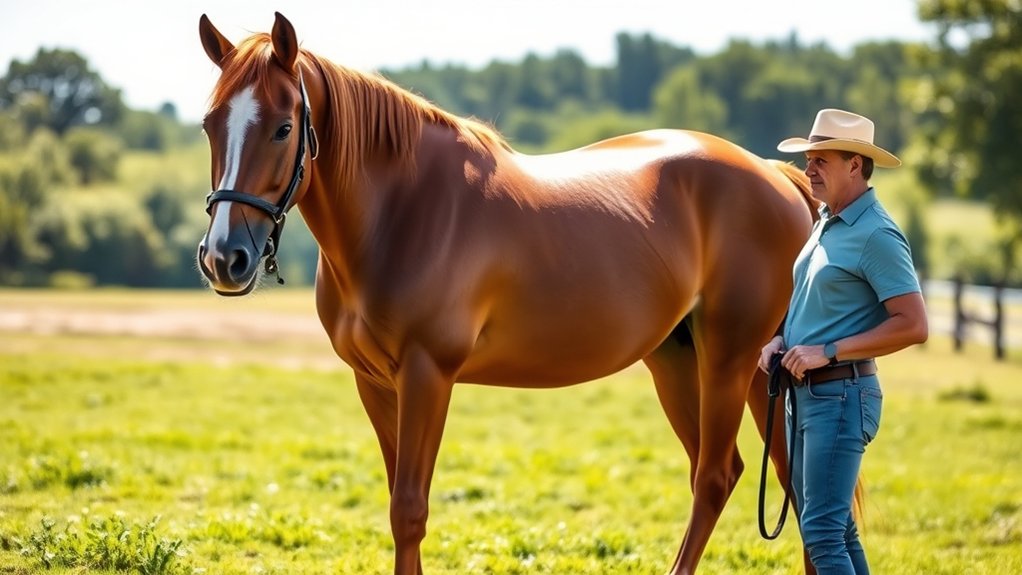
Although Morgan horse prices can vary based on age and training, you’ll typically find them listed around $3,500. This price point serves as a consistent benchmark across various age groups and training levels.
Geldings aged 4 to 10 years are commonly available at this standard price.
Young, untrained Morgans might be priced slightly lower, while well-trained or show-quality horses may command somewhat higher prices.
Despite minor fluctuations linked to training, discipline, or show record, the average remains steady near $3,500.
This pricing stability allows you to anticipate costs accurately when evaluating Morgans for purchase, whether you seek a prospect or a seasoned horse.
Understanding this typical price helps you compare individual offerings efficiently without overpaying or undervaluing potential investments.
Key Factors That Influence Morgan Horse Prices
When you’re looking at the price of a Morgan horse, there are a few key things to keep in mind. Age and training are big factors because they really impact how useful the horse will be and, of course, its overall value.
On top of that, unique colors and distinct markings can bump the price up. People love those rare and eye-catching traits, so they tend to pay more for them.
And don’t forget about the horse’s bloodline and pedigree. If it comes from a well-known family, that can make a huge difference in what it’s worth on the market.
All these factors together help you get a good sense of the horse’s value.
Age And Training
How does a Morgan horse’s age and training level impact its market value?
Younger Morgans, typically under five years old, generally command higher prices because they offer greater potential for extended training and competition.
On the other hand, older horses often sell for less unless they’ve proven performance records.
Training level plays a vital role too. Well-trained Morgans with advanced skills in riding or driving fetch premium prices compared to untrained or novice horses.
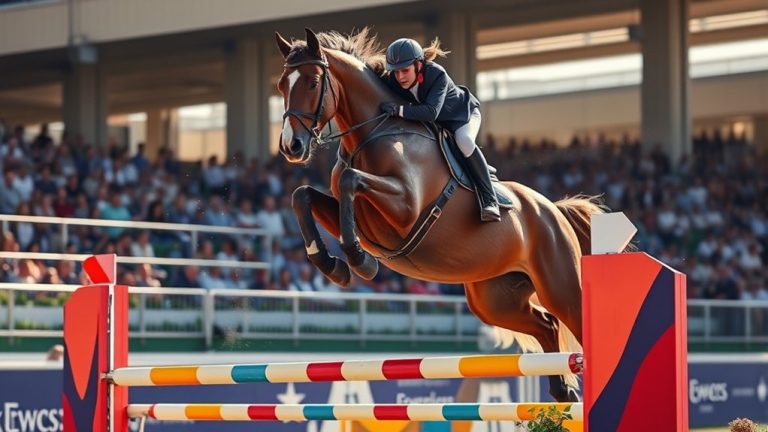
Specialized training in disciplines like dressage, jumping, or trail riding can further boost a Morgan’s market value.
Prices vary quite a bit between beginner, intermediate, and advanced training levels.
In short, a properly trained, seasoned Morgan with a consistent performance history will be much more valuable than one with minimal or no training.
That’s because they’re seen as ready and reliable for specific equestrian pursuits.
Color And Markings
Since color and markings substantially affect a Morgan horse’s appeal, they play a crucial role in determining its market value.
Common colors like bay, black, and chestnut generally command more affordable prices because they’re so common.
But rare colors like pinto, gray, and palomino often push the price up due to their distinctive patterns and limited availability.
Unique markings such as blazes, socks, or other facial and leg patterns can either increase or decrease value, depending on what buyers prefer.
Plus, genetic traits like the Silver Dapple Dilution gene make a horse more desirable and can boost its price.
While color and markings have a big impact on cost, they work alongside conformation and other factors to set the final market value of a Morgan horse.
Bloodline And Pedigree
Although several factors affect a Morgan horse’s price, bloodline and pedigree stand out as key determinants. When you evaluate a Morgan, horses descending from foundational sires like Figure, Black Hawk, or Ethan Allen inherently carry greater value due to their genetic impact on the breed.
Purebred lines such as the Lippitt and Brunk families are highly sought after, often commanding premium prices. You should also consider documented lineage and genetic verification for inherited conditions like PSSM or MCOA. This can enhance market value by assuring buyers of sound genetics.
The rarity and quality of the bloodline, particularly if it includes champion ancestors, directly influence price. In sum, a well-documented, prestigious pedigree considerably elevates a Morgan’s worth in the marketplace.
How Size and Color Affect Morgan Horse Costs
When you’re thinking about Morgan horse prices, size definitely comes into play depending on what you want to use the horse for. Their heights can vary quite a bit—from pony-sized at 7.3 hands all the way up to over 19 hands—which can really affect how appealing they’re on the market.
As for color, it usually doesn’t have a huge impact on the price. That is, unless you’re interested in something rare like pinto or palomino patterns. Those can actually bump up the value a bit.
Size Influence On Pricing
If you’re evaluating Morgan horse prices, size plays a crucial role in determining value. Morgans typically range from 14.2 to 15.2 hands, with prices around $3,500 regardless of specific height within this range.
However, larger Morgans, especially those exceeding 16 hands, command premium prices due to their increased versatility in disciplines like jumping and driving.
On the other hand, smaller Morgans or ponies around 7.3 hands usually cost less, as they cater primarily to children or niche riding requirements.
Size directly impacts a Morgan’s market appeal and utility, influencing demand and price.
When appraising value, remember that while average-sized Morgans maintain steady pricing, exceptionally large individuals often fetch higher sums.
This reflects their enhanced capabilities and broader suitability across equestrian activities.
Color Variations And Value
Size clearly impacts a Morgan horse’s market value, but color variations also play a significant role in pricing considerations. While the base price hovers around $3,500 regardless of size or color, unique coat patterns can enhance a horse’s appeal and value.
Common colors like Chestnut, Black, and Bay are widely available and generally don’t affect price. However, patterns such as pinto, gray, or roan may attract niche buyers, potentially increasing the horse’s market worth. Understanding these subtle influences helps you make informed purchasing decisions.
| Color Type | Price Impact |
|---|---|
| Chestnut, Black, Bay | Neutral |
| Pinto | Moderate Increase |
| Gray | Moderate Increase |
| Roan | Moderate Increase |
Price Differences Among Morgan Horse Types and Disciplines
Although Morgan horses serve various purposes, their prices generally cluster around a consistent baseline. You’ll find that general riding or pleasure Morgans typically list near $3,500. Discipline-specific Morgans, such as those trained for jumping, Western riding, driving, or stock work, also start around this figure.
Prices may adjust based on training level and show achievements. Gaited Morgans, known for intermediate gaits like the rack or fox trot, maintain similar price points. While specialized training and superior lineage can push prices higher, the standard market value remains close to $3,500 across types.
Age, training depth, and performance records influence individual pricing. But you won’t see significant price disparities strictly due to discipline among Morgan horses.
Where to Buy Morgan Horses and Compare Prices
When searching for Morgan horses, you’ll find listings chiefly priced around $3,500, making them accessible across various markets. You can locate Morgans for sale in states like Alabama, Texas, Pennsylvania, and Kentucky through both online and live auctions.
The American Morgan Horse Association’s registry, which holds about 179,000 registered horses, provides a thorough resource to verify pedigrees and availability.
Listings typically include a range of ages, sizes, and disciplines, with prices remaining fairly consistent regardless of type or color.
To optimize your search, consider platforms offering premium advertising options that enhance visibility.
Comparing prices across these varied sources ensures you make an informed decision, balancing cost with horse quality and suitability for your intended discipline or use.
Why Morgan Horses Offer Great Value for Their Price
Because Morgan horses consistently sell for around $3,500, they represent exceptional value given their versatility, training, and durability. You’ll find that their strong genetics and proven performance across disciplines such as dressage, driving, and trail riding make them a reliable choice.
Their intelligence and sound disposition guarantee they adapt well to various riders and activities, reducing training time and enhancing usability.
Plus, the breed’s well-established registry and international recognition help preserve their market stability and competitive pricing.
When you invest in a Morgan horse, you’re gaining a durable, well-rounded animal with a rich history of achievement and a reputation for soundness. It’s a technically sound and financially prudent investment for both novice and experienced equestrians.
Frequently Asked Questions
How Long Do Morgan Horses Typically Live?
Morgan horses typically live between 25 and 30 years. With proper care, including regular vet visits, balanced nutrition, and exercise, you can expect your Morgan to possibly reach its early 30s. This reflects the breed’s sturdy health.
Taking good care of your horse really makes a difference. So, keeping up with their health routine is key. It helps them stay strong and live longer.
What Is the Average Height of a Morgan Horse?
Wondering about the average height of a Morgan horse? You’ll find they typically stand between 14.1 and 15.2 hands, which is roughly 57 to 62 inches.
They have a compact, muscular build, and around 15 hands is considered ideal. Pretty neat, right? Morgan horses are known for their sturdy and versatile frame.
Are Morgan Horses Good for Beginner Riders?
Yes, Morgan horses suit beginner riders perfectly. Their calm temperament, intelligence, and steady gait help you develop skills safely and confidently.
They’re really versatile too, so you can explore multiple disciplines without feeling overwhelmed as a novice rider. It’s like having a reliable partner to grow with.
What Colors Do Morgan Horses Come In?
Morgan horses come in bay, black, chestnut, gray, palomino, and cremello. They also display pinto patterns like sabino, frame overo, and splashed white.
Some Morgans carry the Silver Dapple Dilution Gene, which affects their coat color. So, you’ll see quite a range of beautiful colors and patterns in this breed.
How Often Should Morgan Horses Be Groomed?
How often should you groom a Morgan horse? You should groom it at least 3 to 5 times weekly. Use a curry comb, body brush, and hoof pick to maintain coat health.
This helps distribute oils and check for any skin or hoof issues. Regular grooming keeps your Morgan looking great and feeling comfortable. It’s a simple routine that makes a big difference!
Conclusion
If you thought Morgan horses were just pricey steeds, think again. They’re like the luxury sports cars of the equine world, blending versatility, beauty, and brainpower at a surprisingly fair cost. By understanding age, training, size, and color, you can pinpoint exactly what drives their value.
Whether you’re buying for sport or show, Morgan horses offer unmatched potential. This makes your investment not just smart, but downright genius. You’re not just buying a horse; you’re securing excellence.