Where Did The Morgan Horse Originate – Origin Story
You’ll find the Morgan horse originated in late 18th-century New England when Justin Morgan, a Vermont teacher and horseman, acquired a bay stallion named Figure in 1792. Figure was born around 1789 and showed strength, speed, and endurance—traits that defined the breed.
The Morgan was developed entirely in the U.S., and these horses proved to be versatile in work and war. They really helped shape American equine history in a big way.
If you dig a little deeper, you’ll see how the breed’s bloodlines, preservation efforts, and lasting legacy helped solidify its iconic status. It’s a fascinating story that shows why Morgans are so special.
Justin Morgan: Founder and Legacy of the Morgan Horse
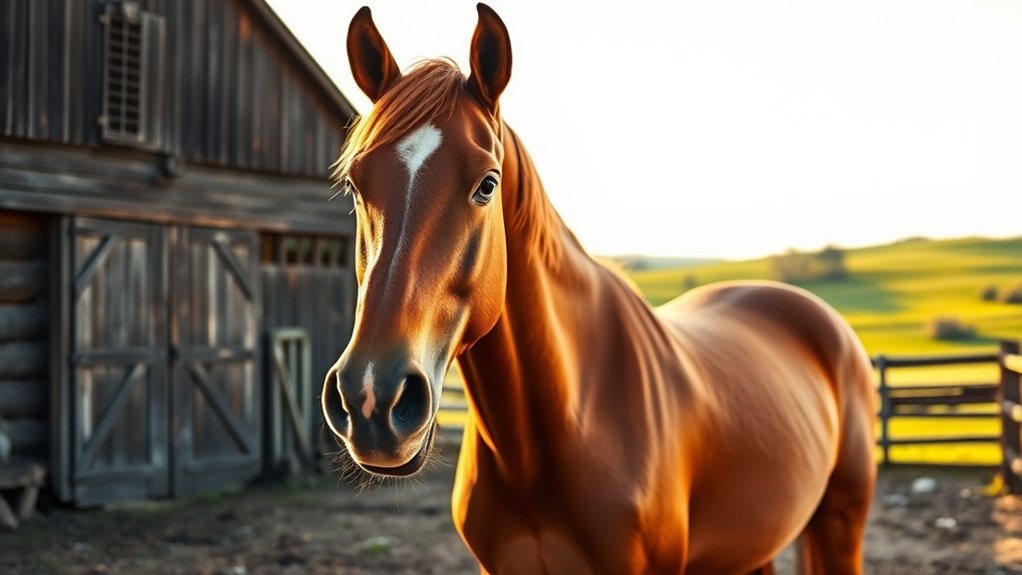
Although Justin Morgan passed away in 1798, his influence as a Vermont teacher, composer, and horseman remains central to the Morgan horse’s identity. You’ll find that Justin Morgan’s acquisition of a bay colt named Figure in 1792 was pivotal.
Figure, born in 1789, became the foundational sire of the breed.
When Justin moved from Massachusetts to Vermont with Figure, the colt quickly earned a reputation for strength, speed, and intelligence. These are traits you’ll still recognize in Morgans today.
Even after his death, Justin Morgan’s legacy endured, shaping the breed’s development and popularity. The Morgan horse carries his name as a direct tribute to his foundational role.
It really shows how his early efforts continue to influence the breed’s identity and standing in equine history.
How the Morgan Horse Breed Began
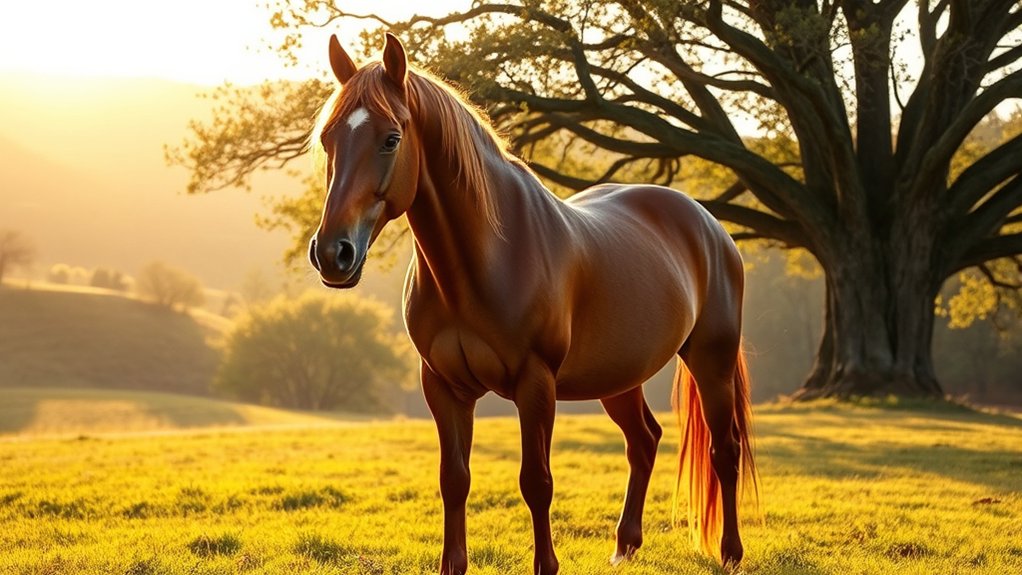
Because the Morgan horse breed traces directly back to a single stallion named Figure, its origins are uniquely well-documented compared to other breeds. You’ll find the breed’s foundation rooted in Figure’s exceptional traits: strength, speed, and a gentle nature. These are qualities he reliably passed to his descendants.
The Morgan horse’s legacy begins with Figure, whose strength, speed, and gentle nature defined the breed’s foundation.
When Justin Morgan brought Figure to Vermont in 1792, he set in motion a breed that became the first developed entirely in the United States.
Early foundation sires like Sherman, Bulrush, and Woodbury further shaped the Morgan’s distinctive characteristics.
Understanding these origins helps you appreciate how this breed’s legacy embodies American history and equine excellence. It’s pretty amazing when you think about how one horse could start such a lasting tradition.
The Story of Figure: The Founding Stallion
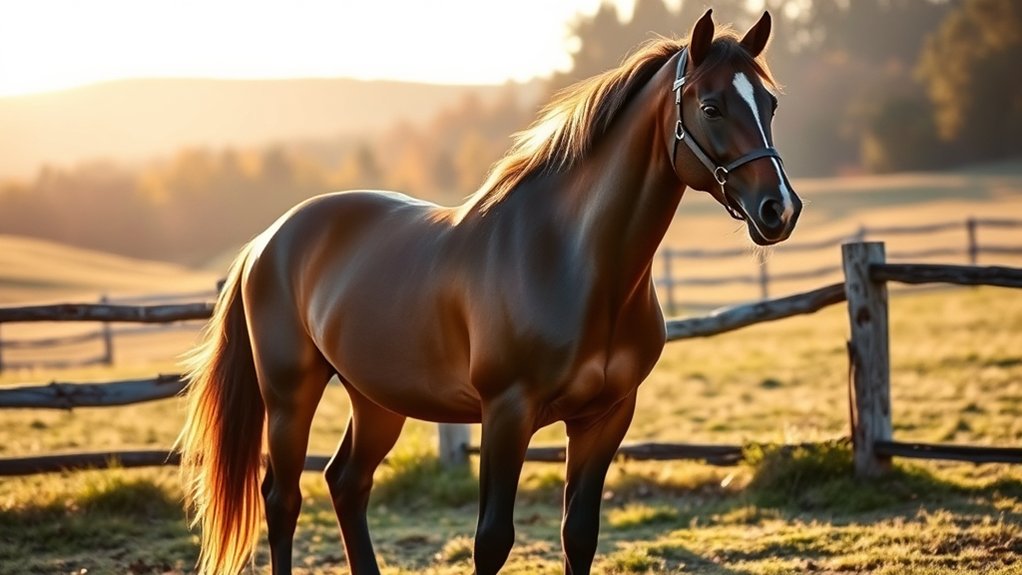
You mightn’t find Figure’s exact pedigree completely clear, but what’s really important is his exceptional traits that laid a strong foundation for the Morgan breed.
His offspring—especially Sherman, Bulrush, and Woodbury—carried on his endurance and agility. These qualities really helped shape what makes the Morgan breed so distinct.
When you look at Figure’s legacy through his progeny, it’s easy to see how he defined the character and reputation of the Morgan horse.
Figure’s Pedigree
When you trace the pedigree of Figure, the founding stallion of the Morgan breed, you uncover a lineage that combines strength, endurance, and a distinctive build. Figure was born around 1789 in West Springfield, Massachusetts. He descended from True Briton, a sire noted for quality and power, and a dam of the Wild-air breed, known for a sturdy chest and moderate size.
This blend produced a light bay stallion with a bushy mane and tail, long-haired legs, and a smooth gait. His pedigree explains the traits of legendary speed, stamina, and strength that he reliably passed to his descendants.
| Ancestor | Breed/Origin | Notable Traits |
|---|---|---|
| True Briton | Unknown | Strength, quality |
| Figure’s Dam | Wild-air | Hardy build, heavy chest |
| Figure | Morgan Founding | Endurance, smooth gait |
Legacy Through Offspring
Figure’s remarkable qualities didn’t just define his own legacy. They shaped generations that followed. Born around 1789 in West Springfield, Massachusetts, Figure was acquired by Justin Morgan in 1792 and brought to Vermont.
There, you’d see how his strength, speed, and endurance became legendary. These were traits he reliably passed on to his offspring. His most notable sons were Sherman, Bulrush, and Woodbury.
They carried these superior qualities and helped cement the foundation of the Morgan breed. You can trace the breed’s versatility and reputation for excellence directly to these descendants.
They kept Figure’s genetic influence alive. Understanding this lineage helps explain why the Morgan horse remains a distinguished American breed, admired for its unique combination of power and stamina rooted in Figure’s exceptional legacy.
Figure’s Traits That Shaped the Morgan Breed
You’ll notice that Figure’s distinctive physical features—like his light bay coat and strong, smooth legs—really set a clear standard for what the Morgan breed looks like.
It’s not just about appearance, though. His exceptional strength, speed, and endurance weren’t only impressive during his lifetime; those traits consistently passed down to his offspring, shaping how they performed.
When you understand these inherited qualities, it’s easier to see why the Morgan became known for both athleticism and versatility.
Distinctive Physical Features
Although many horse breeds share certain traits, the Morgan breed stands out due to the distinctive physical features inherited from its founding sire, Figure. You’ll notice Morgans typically have a compact, muscular build reflecting Figure’s heavy chest and long legs.
Their straight or slightly convex profile mirrors his smooth, handsome appearance, complemented by a well-arched neck and large, expressive eyes.
The breed’s bushy mane and tail also trace back directly to Figure’s striking look. When you observe a Morgan, you’ll see how these physical traits combine to create a horse both visually appealing and functionally balanced.
These characteristics not only define the breed’s aesthetic but also contribute to its overall versatility and presence.
All of these qualities come together to make the Morgan truly unique among horse breeds. It’s this combination of looks and function that gives the breed so much character and charm.
You can’t help but appreciate the legacy of Figure every time you see one.
Heritable Performance Abilities
When you consider the remarkable performance abilities of the Morgan breed, it’s clear they stem directly from the exceptional traits of their founding sire, Figure. He was unmatched in outwalking, outrunning, and outpulling contemporaries, setting a performance standard. His offspring inherited key heritable traits, like strength, endurance, agility, and a smooth gait, that defined the breed’s versatility.
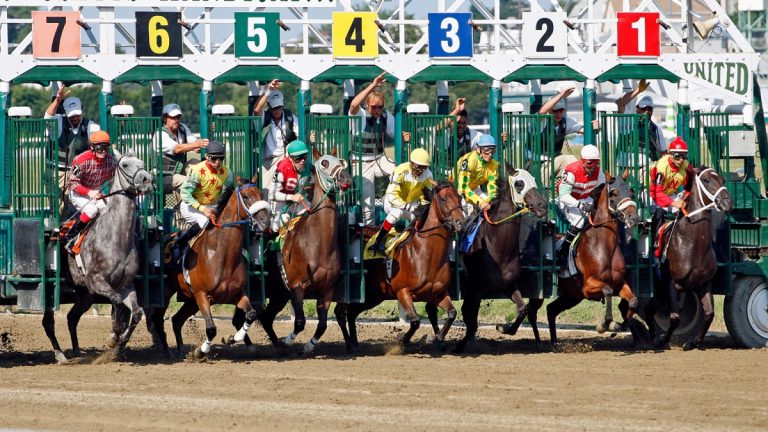
These inherited characteristics allowed Morgans to excel in diverse roles, from racing to military service. The breed’s sustained reputation for stamina, speed, and athleticism is a direct result of Figure’s genetic legacy.
| Trait | Impact on Morgan Breed |
|---|---|
| Strength | Enabled heavy work and pulling |
| Endurance | Supported long-distance stamina |
| Agility | Enhanced maneuverability |
| Smooth Gait | Provided comfortable, efficient movement |
Early Development and Spread of Morgan Horses in America
As you explore the origins of the Morgan horse, you’ll find its roots firmly planted in late 18th-century New England. It all began with a stallion named Figure, born around 1789 in Massachusetts.
Justin Morgan purchased Figure in 1792 and moved him to Vermont, where the breed’s defining traits started taking shape.
Justin Morgan’s move to Vermont marked the beginning of the Morgan breed’s unique characteristics.
Figure was known for his exceptional strength, speed, and versatility. These qualities made him a prolific sire, passing them on to his offspring and laying the foundation for the breed.
Throughout the 19th century, American settlers and farmers saw just how adaptable Morgans were for work and travel. This recognition helped the breed spread across the country.
Breeders worked hard to preserve the Morgan’s distinctive characteristics, even as demands changed over time. They relied heavily on early foundation sires like Figure to keep performance and form consistent.
This careful approach set the stage for the Morgan’s enduring legacy.
How Morgans Helped During the Civil War and After
Building on their established reputation for strength and versatility, Morgan horses became invaluable assets during the Civil War. You’d find both Union and Confederate forces relying on these horses for their endurance, agility, and reliability in grueling campaigns. Morgans often faced harsh conditions, with many lost in battle due to their essential roles.
Here’s why Morgans stood out:
- Their stamina and strength allowed them to endure long marches over difficult terrain.
- Their agility made them ideal cavalry mounts, capable of rapid maneuvers in combat.
- They served crucial roles in transportation and combat support, carrying soldiers and equipment efficiently.
After the war, you’d still see Morgans thriving in military and civilian roles. They proved their resilience and versatility well beyond the battlefield.
The Most Influential Morgan Horse Bloodlines
Although the Morgan horse breed boasts a rich history, its enduring qualities largely stem from a handful of influential bloodlines that breeders have carefully cultivated over the centuries.
The Morgan horse’s lasting charm comes from a few key bloodlines shaped by dedicated breeders.
The Brunk bloodline, established in 1893 by Joseph Brunk, is known for high action and athleticism. Stallions like Flyhawk have really shaped its legacy.
The Lippitt family, started in 1927 by Robert Lippitt Knight, works hard to preserve the breed’s original traits, with sires such as Ethan Allen 2nd standing out.
You’ll also find the Western Working family, developed between 1880 and 1950, prized for toughness, stamina, and cow sense. These horses are ideal for rugged stock work.
Additionally, the General Gates, Mansfield, and Canfield lines from the U.S. Morgan Horse Farm underpin many modern Morgans.
Together, these bloodlines define the breed’s versatility and historic character. They really show what makes Morgan horses special.
Saving the Morgan: Preservation and Revival Efforts
The influential bloodlines that shaped the Morgan horse nearly faced extinction in the late 19th century when taller horse breeds grew more popular. This trend led many breeders to crossbreed and dilute the Morgan’s purity.
You can appreciate the critical preservation steps that reversed this decline.
- The Shelburne complex in Vermont was established in the 1890s, focusing on restoring breed standards.
- In 1909, the American Morgan Horse Association (AMHA) formed to standardize and register purebred Morgans, ensuring breed integrity.
- The U.S. Morgan Horse Farm in Weybridge, Vermont, bred foundation sires like General Gates and Mansfield, rebuilding the genetic pool.
These efforts systematically revived the breed by protecting its genetic heritage and promoting purebred Morgans. This secured the Morgan horse’s survival for future generations.
Why the Morgan Horse Remains an American Icon
When you trace American equine history, you’ll find the Morgan horse stands out as the nation’s first breed, rooted in late 18th-century New England with the stallion Figure, born in 1789. Purchased by Justin Morgan in 1792, this breed embodies the pioneering American spirit.
Its versatility in military, transportation, and workhorse roles anchors its iconic status.
| Aspect | Significance |
|---|---|
| Origin | First American breed, 1789 |
| Historical Role | Military, transport, labor |
| Symbolism | American heritage and versatility |
You recognize that the Morgan’s unique origins and enduring contributions make it a lasting symbol of America’s equine legacy.
Frequently Asked Questions
What Colors Do Morgan Horses Typically Come In?
You’ll find Morgan horses typically in bay, black, chestnut, and pinto colors. They also come in gray, roan, dun, palomino, and cremello.
This variety showcases diverse coat patterns thanks to their rich genetic variability. Morgan horses really do have a colorful palette!
How Tall Do Morgan Horses Usually Grow?
Morgan horses usually grow between 14.2 and 15.2 hands tall. You’ll find most fall within this medium size, maintaining a consistent, athletic build across generations.
Though specific lineage can cause slight height variations, they generally stick to this range. So, if you’re looking at a Morgan, expect a horse that’s not too tall but well-proportioned and strong.
Are Morgan Horses Good for Beginner Riders?
Yes, Morgan horses are excellent for beginners. You’ll appreciate their calm temperament, intelligence, and patience. These traits really help you learn riding skills confidently.
Plus, you get to enjoy their smooth gait and forgiving nature during your early equestrian experiences. It makes the whole process a lot more enjoyable and less stressful. Overall, they’re a great choice if you’re just starting out!
What Types of Activities Are Morgans Best Suited For?
Like a Swiss Army knife, Morgans excel in dressage, jumping, Western pleasure, and harness racing.
You’ll find their strength perfect for stock work, trail riding, endurance, and therapeutic programs. That’s thanks to their intelligence and gentle nature.
How Long Do Morgan Horses Typically Live?
Morgan horses typically live 25 to 30 years. With proper care, like a balanced diet, regular vet visits, and good living conditions, they can live into their early 30s or even beyond.
This is thanks to their hardy genetics and natural resilience. So, giving them the right care really makes a difference in their lifespan.
Conclusion
You’ve seen how the Morgan horse’s origin, rooted in Figure and Justin Morgan’s legacy, shaped an enduring American breed. Their strength and versatility proved essential, from early farms to Civil War battlefields.
Even as preservation efforts faced challenges, these horses remained iconic, blending history with modern equestrian needs, almost like a vintage horse streaming the latest apps.
Understanding their past helps you appreciate why Morgans continue to thrive as a symbol of American heritage and resilience.