Is Horse Meat Halal And What You Need To Know Before Consuming It
Dietary laws in Islam guide the consumption of various types of meat, emphasizing both health and spiritual considerations. Among these, horse meat often raises questions due to its uncommon presence in many regions and cultural differences in consumption practices. Understanding is horse meat halal requires exploring religious texts, interpretations by scholars, and regional practices within Muslim communities. Halal regulations dictate not only the type of animal that can be consumed but also the method of slaughter and preparation.
Horse meat, while less common than beef, lamb, or chicken, is discussed within Islamic jurisprudence, and opinions vary depending on the school of thought. Exploring this topic helps you make informed choices about diet while respecting religious principles, ensuring that consumption aligns with both spiritual guidance and ethical considerations in food preparation.
Islamic Dietary Principles
Islamic dietary principles govern what is permissible (halal) and forbidden (haram) for consumption, aiming to ensure both spiritual and physical well-being. These rules extend beyond the type of food to include methods of slaughter, handling, and preparation. Understanding Islamic dietary principles provides context for evaluating meats such as horse, ensuring that consumption aligns with religious guidelines. By adhering to these principles, Muslims maintain ethical, hygienic, and spiritually conscious eating practices, reflecting obedience to divine guidance and respect for all living beings.
Permissible (Halal) And Forbidden (Haram) Foods
In Islamic law, halal foods are those explicitly permitted, while haram foods are strictly prohibited. Halal includes certain meats, fish, fruits, grains, and dairy products that meet ethical and hygienic requirements. Haram foods, such as pork and improperly slaughtered animals, are forbidden due to spiritual, health, or ethical considerations.
For meat to be halal, the animal must be healthy at the time of slaughter and killed according to specific ritual procedures. The name of God (Allah) must be invoked during the act, and blood must be drained completely. This process ensures the animal’s humane treatment and spiritual compliance, distinguishing halal meat from other forms of consumption.
Understanding these categories is essential for evaluating meats like horse. While some foods may be culturally acceptable, Islamic principles determine their permissibility. Awareness of halal and haram categories ensures that dietary choices align with religious observance and ethical consumption practices.
Methods Of Slaughter And Ethical Considerations
Islamic dietary principles emphasize humane and ethical treatment of animals during slaughter. The animal must be treated with care, minimizing pain and distress. Slaughtering involves a swift, precise cut to the throat to sever major blood vessels while allowing blood to drain fully. This method is intended to respect the sanctity of life while making the meat suitable for consumption.
Ethical considerations also include proper handling, hygiene, and avoidance of cruelty. Animals should be healthy, free from disease, and not subjected to unnecessary suffering during transport or prior to slaughter. These practices reinforce spiritual, ethical, and health standards, reflecting a holistic approach to consumption.
Adherence to these methods impacts the permissibility of meat, including less common types such as horse. Compliance ensures that consumption is not only lawful but also ethically responsible, aligning with broader Islamic teachings about respect for all living beings and mindful use of natural resources.
Scholarly Interpretations And Regional Practices
Islamic scholars interpret dietary principles based on Quranic guidance, Hadith, and historical context. Different schools of thought (madhabs) may vary slightly in their rulings regarding specific meats or methods of preparation. Horse meat, for example, is considered halal by some scholars, particularly in the Hanafi and Shafi’i schools, while other interpretations encourage moderation or avoidance based on cultural norms.
Regional practices also influence consumption patterns. In areas where horse meat is common, such as parts of Central Asia or North Africa, its halal status is generally accepted and integrated into local culinary traditions. Understanding these interpretations and practices helps you navigate dietary decisions with confidence, respecting both religious authority and cultural context.
Awareness of scholarly opinions ensures that consumption aligns with spiritual guidance while accommodating regional differences. By considering these factors, you can make informed choices that adhere to Islamic dietary principles while honoring ethical, spiritual, and cultural considerations in food preparation and consumption.
Slaughtering Methods
Slaughtering methods play a crucial role in determining the permissibility of meat under Islamic law. Proper techniques ensure that the animal is treated humanely, and that the meat meets the requirements of halal consumption. Understanding slaughtering methods is essential for evaluating meats like horse, as compliance with religious guidelines affects both spiritual and ethical considerations. Humane handling, precise cutting, and proper drainage of blood are all central to ensuring that the meat is acceptable for consumption within Islamic dietary practices.
Ritual Slaughter (Zabiha)
Ritual slaughter, known as Zabiha, is the most widely recognized method for producing halal meat. The process involves a swift incision to the throat, severing the trachea, esophagus, and major blood vessels while leaving the spinal cord intact. During the procedure, the name of Allah is invoked, affirming the spiritual significance of the act. This method ensures rapid bleeding and minimizes the animal’s suffering.
Animals must be healthy and treated respectfully prior to slaughter. Stunning is allowed in some interpretations if it does not cause death before the cut. The primary goal is to ensure humane treatment while fulfilling the religious obligation. Zabiha is central to ensuring the meat is halal, with improper slaughter rendering it impermissible for consumption.
Proper Zabiha practices also involve hygienic handling and immediate processing of meat. Ensuring cleanliness prevents contamination and maintains the integrity of the meat. Adherence to these procedures demonstrates respect for the animal and compliance with Islamic dietary law, making it suitable for consumption while upholding both ethical and spiritual standards.
Alternative Slaughtering Techniques And Considerations
In addition to traditional Zabiha, some regions implement alternative methods that balance religious requirements with practical needs. Mechanical cutting devices or pre-slaughter stunning may be used if they meet halal standards, particularly ensuring the animal remains alive until the proper incision. Scholarly interpretations vary, and local regulations may influence acceptable methods.
Transport, restraint, and pre-slaughter care are equally important. Horses and other animals must be handled calmly to prevent stress, which can affect meat quality and compliance with halal principles. Observing ethical treatment ensures that the slaughtering process respects the dignity of the animal.
Understanding these techniques helps you evaluate the permissibility of meat like horse, considering both traditional practices and modern adaptations. Awareness of approved methods allows for informed dietary choices, ensuring that consumption aligns with Islamic principles while maintaining ethical standards in animal treatment and food preparation.
Regional And Cultural Practices
Consumption of horse meat varies widely across regions and cultures, influenced by tradition, availability, and religious interpretations. Understanding regional and cultural practices provides insight into how horse meat is perceived and prepared, particularly in Muslim communities where halal guidelines are observed. These practices reflect a combination of dietary necessity, cultural heritage, and religious compliance, shaping how horses are raised, slaughtered, and incorporated into local cuisines while respecting ethical and spiritual considerations.
Central Asia And The Middle East
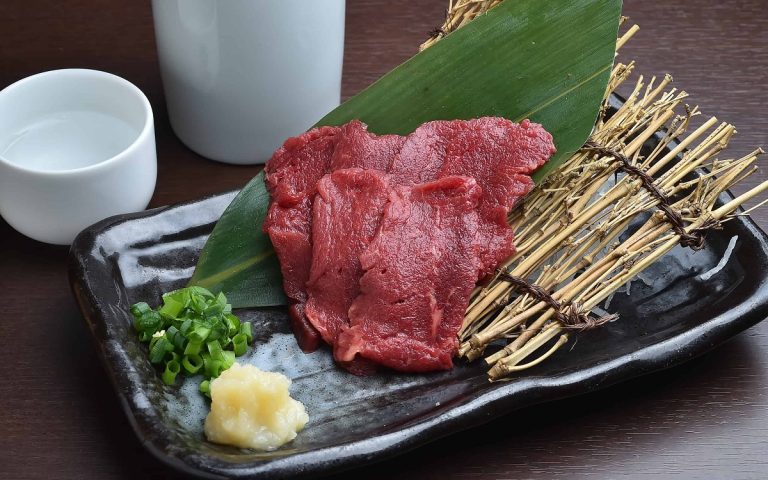
In Central Asia and parts of the Middle East, horse meat has historically been a significant part of the diet due to its availability and nutritional value. Countries like Kazakhstan, Kyrgyzstan, and parts of the Arabian Peninsula incorporate horse meat into traditional dishes such as sausages, stews, and preserved meats. In these regions, the meat is often prepared in accordance with halal principles, including proper Zabiha slaughtering techniques.
Cultural acceptance is high, and consuming horse meat is integrated into social and ceremonial events. Its preparation often reflects centuries-old traditions, balancing taste, nutrition, and religious compliance. These practices also include careful attention to feeding, handling, and aging of the horse prior to slaughter, ensuring meat quality and adherence to dietary laws.
Understanding these regional norms helps you appreciate the cultural significance of horse meat, demonstrating that consumption is not only a dietary choice but also a reflection of historical, environmental, and religious factors. Awareness of these practices emphasizes the diversity of halal food customs and the role of local culture in shaping consumption patterns.
North Africa And The Mediterranean
In North Africa and Mediterranean regions, horse meat consumption exists but is less common and often culturally specific. Morocco, Algeria, and Tunisia feature dishes incorporating horse meat in traditional settings, with careful observance of halal preparation standards. Religious compliance is paramount, and slaughtering methods are adapted to meet Islamic dietary laws, ensuring meat is permissible for consumption.
Cultural attitudes toward horse meat can vary even within countries, influenced by historical trade routes, colonial legacies, and local customs. In some areas, horse meat is considered a delicacy, served on special occasions, while in others it remains uncommon due to prevailing dietary preferences or societal norms. Preparation often involves marination, slow cooking, or preservation methods that align with regional culinary techniques.
By examining these regional and cultural practices, you gain insight into how horse meat is integrated into diverse Muslim communities. These traditions illustrate the interplay between religion, culture, and gastronomy, highlighting how local context shapes dietary choices while maintaining adherence to halal principles.
Europe And Central Asia Comparisons
In parts of Europe, particularly France, Italy, and some Eastern European countries, horse meat consumption is more normalized, although not always linked to Islamic dietary laws. In regions with significant Muslim populations, however, local halal-certified horse meat markets exist, blending European culinary practices with Islamic requirements.
Central Asian communities tend to rely more heavily on horse meat due to environmental and historical factors, whereas European practices are often influenced by cultural taste and availability. The methods of preparation, preservation, and presentation differ, but compliance with halal principles remains consistent where religious observance is required.
These regional differences demonstrate how culture, geography, and religious interpretation interact to shape consumption practices. Awareness of these variations helps you understand the diversity of horse meat consumption across Muslim and non-Muslim communities, providing perspective on how tradition and faith influence dietary choices.
Health And Safety Considerations
When consuming horse meat, adhering to health and safety guidelines is crucial to ensure it is safe, nutritious, and halal-compliant. Proper handling, storage, and preparation reduce the risk of foodborne illness and contamination. Understanding health and safety considerations helps you make informed decisions about consumption, maintain hygiene standards, and protect both physical health and spiritual compliance. Attention to these factors ensures that horse meat is safe to eat while respecting ethical and religious dietary practices.
Proper Handling And Storage
Safe consumption of horse meat begins with proper handling and storage. Fresh meat should be kept at temperatures below 5°C (41°F) to prevent bacterial growth. Freezing is also recommended for long-term storage to maintain quality and inhibit spoilage. Handling requires clean surfaces, utensils, and hands to avoid cross-contamination with other foods, especially raw items.
Packaging plays an important role in preserving freshness and preventing exposure to air, which can accelerate oxidation and bacterial development. Vacuum-sealed or properly wrapped meat ensures longer shelf life and maintains flavor. Labeling with dates and source information allows you to monitor storage times and maintain food safety standards.
Adhering to these handling and storage practices is essential not only for health but also for halal compliance. Contaminated meat or improper storage can compromise safety, making these measures critical for responsible consumption. Maintaining hygienic conditions protects you and your family from illness while ensuring the meat remains wholesome and spiritually acceptable.
Cooking Techniques And Temperature Guidelines
Cooking horse meat thoroughly is essential to eliminate pathogens such as Salmonella or E. coli. Internal temperatures should reach at least 71°C (160°F) for steaks and 74°C (165°F) for ground meat to ensure safety. Avoiding undercooked portions minimizes the risk of foodborne illness while preserving the meat’s nutritional value.
Proper cooking methods also maintain texture, flavor, and nutrient content. Slow roasting, braising, or stewing are preferred techniques that allow meat to reach safe temperatures while retaining moisture. Using separate utensils for raw and cooked meat further reduces the risk of cross-contamination, which is a common source of foodborne disease.
Attention to cooking practices is particularly important in communal or catering settings, where large quantities are prepared simultaneously. Ensuring that every portion reaches the correct internal temperature demonstrates responsible food safety management. By following these guidelines, you can enjoy horse meat that is both safe and compliant with halal principles.
Nutritional Benefits And Risk Awareness
Horse meat is rich in protein, low in fat, and contains essential vitamins and minerals such as iron, zinc, and B vitamins. However, awareness of potential risks, such as bacterial contamination, improper slaughter, or chemical residues, is crucial. Choosing meat from reputable sources ensures that it has been processed according to health standards and religious guidelines.
Regular inspection of meat for freshness, color, and odor provides an additional safeguard against consuming spoiled or contaminated products. Awareness of your own health conditions, such as allergies or digestive sensitivities, also informs responsible consumption. Educating yourself about nutritional content and risks allows you to integrate horse meat safely into a balanced diet.
Combining proper handling, cooking, and source verification ensures that consumption is safe, nutritious, and compliant with halal standards. Health and safety considerations protect physical well-being while upholding ethical and spiritual dietary responsibilities, allowing horse meat to be a wholesome addition to your diet.
Religious Opinions And Fatwas
Religious opinions and fatwas play a central role in determining the permissibility of horse meat in Islam. These rulings, derived from the Quran, Hadith, and scholarly interpretations, guide Muslims in making informed dietary decisions. Understanding religious opinions and fatwas helps you navigate the diverse perspectives on horse meat, ensuring compliance with spiritual principles while respecting ethical and cultural considerations. Fatwas provide clarity on slaughtering methods, consumption practices, and regional variations, making them an essential reference for Muslims worldwide.
Classical Scholarly Opinions
Classical Islamic scholars have addressed the permissibility of horse meat in various schools of thought. The Hanafi and Shafi’i schools generally consider horse meat halal, provided it is slaughtered according to Islamic guidelines. Opinions are based on references in Hadith literature that allow the consumption of horse meat, particularly in contexts where it is necessary or culturally accepted.
Scholars emphasize that the animal must be healthy at the time of slaughter, treated humanely, and killed with a swift incision while invoking the name of Allah. Improper slaughtering or consumption of sick or mistreated animals is considered impermissible, highlighting the ethical dimension of dietary law.
Classical opinions also consider moderation and necessity, acknowledging that while horse meat is halal, cultural and personal preferences may influence consumption. These rulings provide foundational guidance, ensuring that Muslims can consume horse meat in accordance with religious principles and maintain spiritual compliance.
Contemporary Fatwas And Regional Interpretations
Modern fatwas address practical questions related to horse meat in contemporary contexts, considering food safety, industrial slaughter practices, and regional consumption habits. Scholars evaluate whether mechanically processed or stunned animals meet halal requirements and provide guidance to Muslims seeking permissible options in urban or multicultural settings.
Regional differences also influence interpretation. In Central Asia, the Middle East, and North Africa, fatwas generally support the halal status of horse meat, reflecting longstanding cultural practices. In regions where horse meat is uncommon, fatwas may stress adherence to strict slaughtering methods and sourcing from reputable providers to ensure compliance.
These contemporary opinions allow you to navigate modern food systems while respecting Islamic principles. They clarify uncertainties about industrial production, cross-contamination, and preparation, ensuring that horse meat can be consumed safely and ethically in today’s context.
Integration Of Religious Guidance And Daily Practice
Fatwas and religious opinions serve as a practical bridge between theological guidance and daily dietary decisions. By consulting authoritative rulings, you can ensure that consumption of horse meat aligns with Islamic law, ethical treatment of animals, and regional dietary norms.
Following these rulings also fosters mindfulness and spiritual responsibility, reminding you that food choices carry moral and religious significance. Awareness of fatwas encourages adherence to proper slaughtering techniques, sourcing, and preparation, reinforcing ethical, hygienic, and spiritual standards in your diet.
Ultimately, religious opinions and fatwas provide a framework for balancing tradition, spirituality, and modern food practices. They enable Muslims to make informed, conscientious choices about horse meat, ensuring that consumption is permissible, safe, and ethically responsible.
Frequently Asked Questions
Is Horse Meat Considered Halal In Islam?
Yes, horse meat is considered halal in Islam if it is slaughtered according to Islamic guidelines. The animal must be healthy at the time of slaughter, treated humanely, and killed with a swift cut while invoking the name of Allah. Schools of thought like Hanafi and Shafi’i generally accept horse meat as permissible. Consuming properly slaughtered horse meat allows you to adhere to Islamic dietary laws while respecting ethical and spiritual standards. Awareness of proper slaughtering and sourcing is essential to ensure that the meat meets halal requirements.
How Should Horse Meat Be Slaughtered To Be Halal?
To be halal, horse meat must be slaughtered using the Zabiha method. This involves a quick, precise incision to the throat that severs major blood vessels while leaving the spinal cord intact. The name of Allah should be pronounced during the act, and the animal must be alive and healthy prior to slaughter. Proper handling, hygiene, and complete blood drainage are also required. Following these practices ensures that the meat is ethically prepared and permissible for consumption according to Islamic dietary laws.
Are There Any Schools Of Thought That Do Not Approve Horse Meat?
While most Islamic schools like Hanafi and Shafi’i permit horse meat, some interpretations recommend moderation or avoidance, often due to cultural or historical considerations. The Maliki school, for instance, historically showed reservations about its consumption in certain contexts. However, proper slaughter and ethical treatment generally make horse meat permissible. Understanding your local or personal school of thought is important for compliance. Consulting scholars or reputable halal authorities ensures that your consumption aligns with both religious guidance and cultural practices, maintaining spiritual and ethical integrity.
Can Horse Meat Be Consumed If It Is Purchased Commercially?
Yes, horse meat purchased commercially can be halal if it comes from reputable sources that follow proper Zabiha procedures. You should verify that the meat has been slaughtered according to Islamic guidelines, including humane handling and invocation of Allah’s name. Halal certification from recognized authorities provides assurance of compliance. By selecting verified suppliers, you can safely consume horse meat while ensuring that it meets both dietary and spiritual requirements. Always check labeling and certification to avoid consuming meat that may not adhere to halal standards.
Are There Any Health Concerns When Consuming Horse Meat?
Horse meat is generally lean, high in protein, and rich in iron, zinc, and B vitamins, making it a nutritious option. However, health concerns can arise if the meat is improperly handled, undercooked, or sourced from unregulated suppliers. Contamination, bacterial growth, and improper slaughtering can compromise safety. Ensuring proper cooking, hygienic handling, and certified halal sourcing allows you to consume horse meat safely while adhering to both health guidelines and religious dietary principles.
How Common Is The Consumption Of Horse Meat In Muslim Countries?
Consumption of horse meat varies by region and culture. It is more common in Central Asia, North Africa, and parts of the Middle East, where it is integrated into traditional cuisines and prepared according to halal guidelines. In other Muslim-majority areas, horse meat may be less common, with dietary habits favoring beef, lamb, or poultry. Awareness of regional practices helps you understand cultural norms and ensures that consumption aligns with both halal standards and local culinary traditions.
Final Thoughts
The permissibility of consuming horse meat depends on strict adherence to Islamic dietary laws. For meat to be considered halal, the animal must be slaughtered according to prescribed methods, including invoking Allah’s name and ensuring a swift, humane process. Different schools of thought may have varying opinions, but many scholars agree that horse meat can be halal if these conditions are met.
Regional practices and cultural acceptance also play a role in determining its consumption, as proper certification and inspection are crucial to ensure compliance. Consumers should be vigilant about sourcing meat from trusted suppliers who follow halal guidelines. Understanding these factors provides clarity for those considering horse meat as part of their diet, directly addressing the question of is horse meat halal and emphasizing the importance of both religious adherence and food safety in making informed dietary choices.