What Is Horse Meat Called: Names, Terminology, And Regional Variations
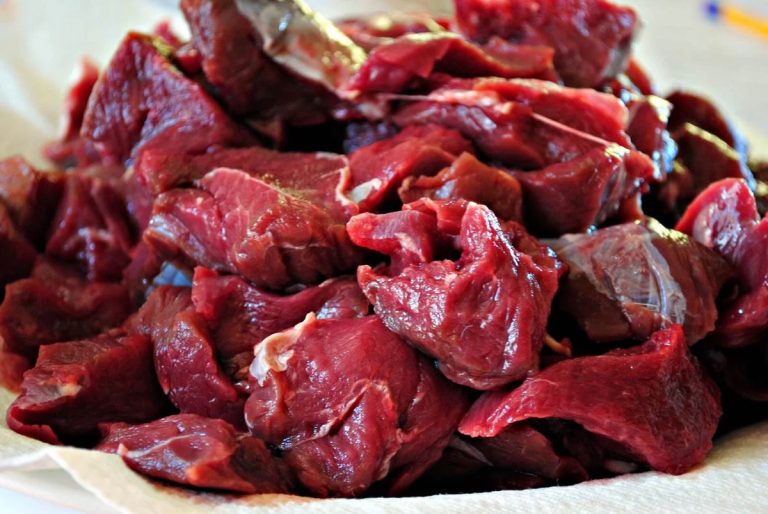
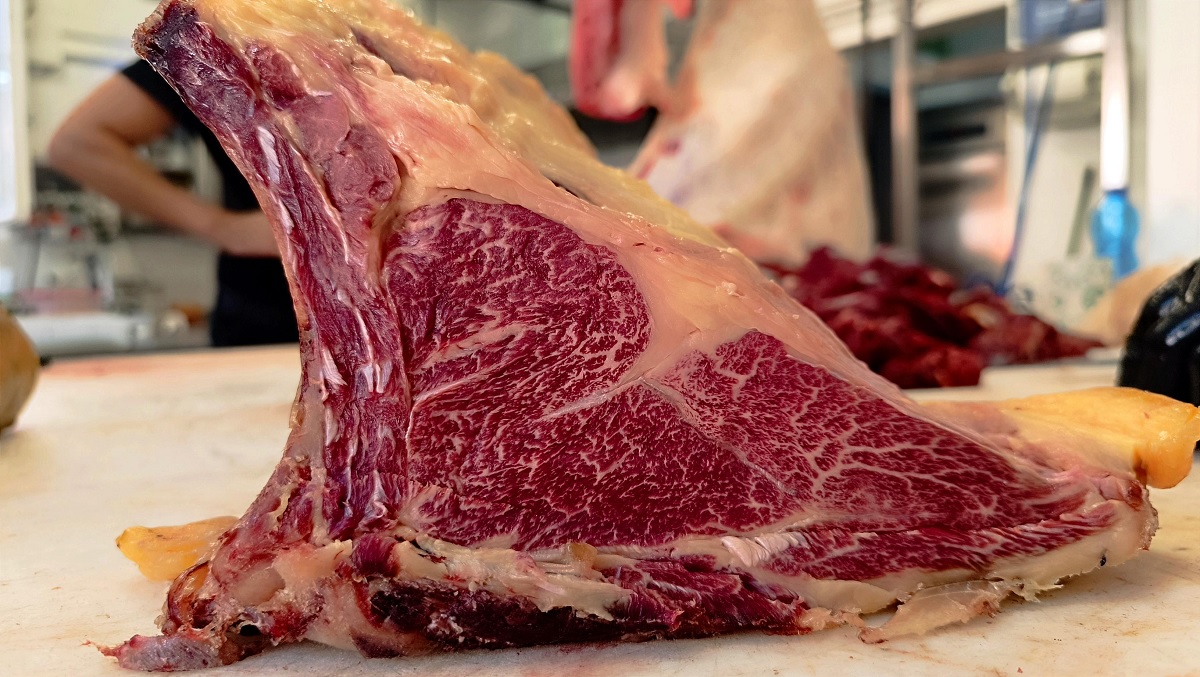
Horse meat is consumed in various cultures around the world and is known for its lean, protein-rich qualities. Understanding what is horse meat called helps clarify how it is referred to in different countries, culinary contexts, and food industries. In some regions, it is sold under specific names to reflect preparation styles or cultural preferences, while in others, it may appear in processed products or specialty dishes.
Knowing the terminology associated with horse meat allows chefs, food enthusiasts, and curious consumers to navigate menus, labels, and international cuisine more effectively. Beyond names, recognizing how horse meat is described can provide insight into its culinary uses, preparation methods, and flavor expectations. This understanding also highlights cultural attitudes toward horse meat and its place in global dietary traditions, helping you make informed decisions when exploring this unique type of meat.
Common Names For Horse Meat
Horse meat is referred to by different names depending on the country, cultural context, and culinary tradition. Understanding the common names for horse meat helps chefs, consumers, and food enthusiasts navigate menus, labels, and international dishes more effectively. Names can vary between fresh cuts, processed products, or traditional preparations, reflecting both language differences and local culinary practices. Recognizing these terms provides insight into cultural perceptions, cooking methods, and how horse meat is marketed around the world.
European Terminology And Culinary Contexts
In many European countries, horse meat is consumed regularly and has specific names depending on the region. In Italy, it is often called “carne equina,” which translates to horse meat, while cuts such as “bistecca di cavallo” refer to horse steaks. France uses terms like “viande de cheval” for horse meat, and processed products may appear as sausages or cured meats under regional names. In Belgium and the Netherlands, horse meat is sometimes labeled simply as “paardenvlees.” These names reflect both the language and culinary tradition, helping diners recognize the meat in fresh or prepared forms.
Understanding these European terms allows chefs and consumers to select cuts appropriately for various recipes, whether grilling steaks, making stews, or curing sausages. Knowledge of regional names also helps you appreciate cultural attitudes and culinary practices surrounding horse meat, which differs significantly from more commonly consumed meats like beef or pork. Recognizing terminology ensures clear communication in restaurants, markets, and food preparation.
Asian Naming Conventions And Culinary Uses
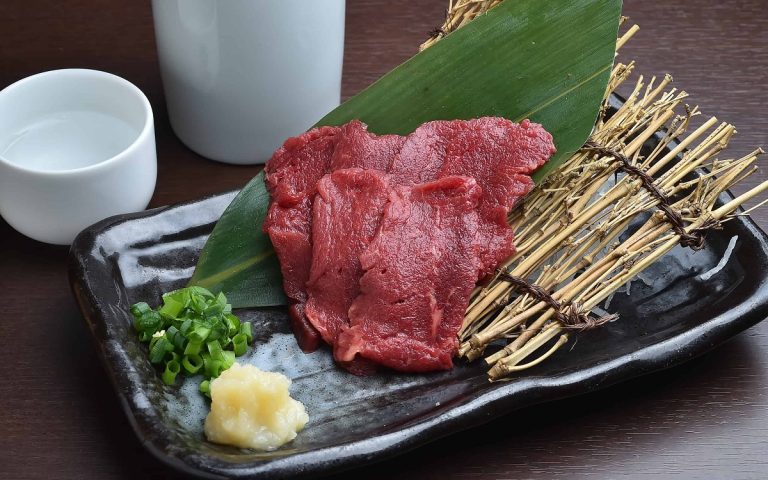
In Asia, horse meat is also consumed in several countries with distinctive local names. In Japan, for example, horse meat is referred to as “basashi” when served raw as thinly sliced sashimi, while “sakuraniku” may describe the meat in cooked dishes. In Kazakhstan and Mongolia, where horse meat is part of traditional cuisine, it is often called “kazy” when prepared as a smoked sausage from horse fat and meat. These names not only identify the meat but also indicate preparation methods, reflecting cultural culinary practices.
Knowing Asian terminology allows chefs and food enthusiasts to understand how horse meat is incorporated into various dishes, whether raw, cooked, smoked, or cured. It also highlights regional preferences for cuts, cooking methods, and seasoning techniques. By recognizing these names, you can navigate menus, purchase meat, and prepare dishes while respecting cultural authenticity and culinary tradition.
Processed And Commercial Names
Horse meat is also marketed under processed or commercial names that may differ from traditional references. Products such as sausages, cured meats, or ground meat may carry labels highlighting their preparation style rather than explicitly identifying them as horse meat. Terms like “equine sausage,” “cured horse meat,” or regional brand names are commonly used in specialty shops or export markets. These commercial names help maintain consumer appeal while indicating processing methods.
Understanding processed and commercial terminology is essential for food professionals, importers, and consumers to identify horse meat in various forms safely and legally. Recognizing how horse meat is labeled in packaged products allows you to make informed choices, prepare recipes correctly, and respect food regulations in different regions. Familiarity with both traditional and commercial names ensures clarity and confidence when dealing with horse meat in culinary contexts.
Regional And Cultural Names
Horse meat is known by a variety of names around the world, reflecting local languages, cultural traditions, and culinary practices. Understanding regional and cultural names helps chefs, food enthusiasts, and consumers navigate international dishes, menus, and food labels with confidence. These names often indicate preparation styles, cuts, or traditional uses, providing insight into how horse meat is perceived and consumed in different societies. Awareness of these terms enhances appreciation for culinary diversity and cultural heritage.
European Regional Names
In Europe, horse meat is widely consumed in countries like Italy, France, Belgium, and Switzerland, each with specific regional terminology. Italy refers to it as “carne equina,” while cuts such as “bistecca di cavallo” indicate horse steaks. France uses “viande de cheval” for general horse meat, and products like sausages may carry local names like “saucisson de cheval.” In Belgium, horse meat is labeled as “paardenvlees,” reflecting Dutch linguistic influence.
These regional names often provide clues about preparation and cooking styles. For instance, in Italy, horse meat might be served grilled or in stews, while in France it can be cured, smoked, or prepared as steaks. Familiarity with these terms helps you understand culinary practices, select appropriate cuts, and appreciate the cultural significance of horse meat within European cuisine.
Asian Cultural Names
Horse meat in Asia is consumed in countries like Japan, Mongolia, and Kazakhstan, where it has culturally specific names and preparation methods. In Japan, “basashi” refers to raw horse meat served as sashimi, while “sakuraniku” may describe cooked horse meat dishes. In Mongolia and Kazakhstan, horse meat is used in traditional sausages called “kazy” or other regional preparations, often incorporating spices and smoking techniques.
These cultural names reflect both the meat itself and the culinary traditions surrounding it. Knowing them allows you to identify dishes accurately, respect cultural practices, and explore authentic recipes. Awareness of regional terminology also provides insight into local attitudes toward horse meat, highlighting its role in heritage, nutrition, and daily cuisine.
Middle Eastern And Central Asian Names
In Central Asia and some Middle Eastern regions, horse meat is integrated into traditional diets and carries specific cultural names. In Kyrgyzstan and Uzbekistan, dishes like “beshbarmak” use horse meat as a primary ingredient, reflecting centuries-old culinary practices. Local terminology emphasizes preparation techniques, cuts, and ceremonial uses rather than the meat alone.
Understanding these names helps you navigate menus and recipes while appreciating the historical and cultural context of horse meat consumption. It also informs cooking techniques, seasoning choices, and presentation styles. Recognizing regional and cultural names ensures that you approach horse meat with cultural awareness and culinary accuracy, whether preparing, purchasing, or enjoying traditional dishes.
Frequently Asked Questions
What Is Horse Meat Commonly Called?
Horse meat is often referred to simply as “horse meat,” but in culinary contexts, you may encounter terms like cheval or equine meat. You might notice that different regions and languages have their own names, making it important to understand local terminology. She sees that labeling often depends on whether the meat is sold raw, processed, or prepared in dishes. Understanding these names helps you recognize the product in markets or restaurants and avoids confusion with other red meats. Knowing the common terms ensures you can identify horse meat accurately in both food and non-food contexts.
What Are The Regional Names For Horse Meat?
Horse meat is known by various names depending on where you are. In France and parts of Europe, you see it called “cheval,” while in Italy, it’s often “carne equina.” In Japan, raw horse meat is called “basashi,” typically served thinly sliced. You notice that these names reflect cultural traditions and influence how people perceive and consume the meat. She understands that knowing regional terminology is useful if you travel, purchase, or study international cuisine. Each name provides insight into local culinary practices and helps you navigate menus or markets without misunderstanding.
Is There A Special Term For Raw Horse Meat?
Raw horse meat often has its own distinct name in countries where it is consumed. You might hear “basashi” in Japan, referring to thinly sliced raw horse meat served as sashimi. In some European regions, raw horse meat may be called “cheval cru” or simply marketed as fresh horse meat. She notices that naming raw meat separately emphasizes freshness and preparation style. Understanding these distinctions helps you identify the product and its intended culinary use. Being aware of the terminology also helps you ask questions about sourcing, quality, and preparation safely and accurately.
How Is Processed Horse Meat Labeled?
Processed horse meat may be labeled differently from raw cuts. You often see terms like “horse sausage,” “equine salami,” or “cheval charcuterie,” depending on preparation and region. She notices that commercial labeling must follow local food regulations to avoid misleading consumers. Understanding these labels helps you recognize products intended for cooking or ready-to-eat consumption. You can also differentiate between meat used for human consumption and that intended for other purposes, such as pet food. Recognizing processed horse meat terminology ensures you are informed about ingredients, preparation, and intended use.
Are There Misconceptions About What Horse Meat Is Called?
Yes, misconceptions exist due to language differences and cultural sensitivity. You might encounter alternative names intended to make the meat more acceptable or appealing, such as “cheval” instead of “horse.” She sees that some labels avoid the word “horse” entirely, leading to confusion. Understanding these naming practices helps you identify the meat correctly and prevents accidental consumption if you prefer not to eat it. Awareness of terminology also helps you discuss the topic accurately in culinary, regulatory, or ethical contexts without misunderstanding local customs.
Does Naming Affect Consumer Perception Of Horse Meat?
Absolutely, the name used for horse meat greatly influences how people perceive it. You notice that terms like “cheval” or “basashi” often sound more neutral or refined than the word “horse,” which can trigger emotional or cultural reactions. She understands that using regional or culinary terms can make the meat more socially acceptable in certain countries. Being aware of this allows you to navigate menus, markets, or discussions respectfully. Names not only describe the product but also shape attitudes, making it important to know the correct terminology when dealing with horse meat in different cultural contexts.
Final Thoughts
Understanding the terminology surrounding horse meat is essential for navigating cultural, culinary, and legal contexts. Different regions and countries use specific names to describe horse meat, reflecting language, traditional preparation methods, and culinary practices. European countries often have terms like “carne equina” or “viande de cheval,” while in Asia, names such as “basashi” or “kazy” indicate particular dishes or preparation styles.
Legal and regulatory frameworks further influence how horse meat is labeled and marketed, ensuring transparency, consumer safety, and compliance with import and export standards. By learning what is horse meat called, you gain insight into global food practices, menu interpretation, and international trade regulations. This knowledge allows chefs, consumers, and enthusiasts to approach horse meat with cultural awareness, culinary accuracy, and confidence, whether preparing, purchasing, or enjoying it as part of traditional or contemporary dishes.