Is Horse Meat Good? Nutritional, Health, and Ethical Insights
Horse meat has been consumed in various cultures around the world for centuries, often praised for its lean protein content and distinct flavor. Many people are curious about its nutritional benefits and culinary uses, prompting the question, is horse meat good for health and taste. Compared to other red meats, horse meat tends to be lower in fat and cholesterol while being rich in protein, iron, and essential nutrients.
Its texture and flavor can vary depending on preparation methods, age of the animal, and cultural preferences. Exploring is horse meat good involves looking at both its health benefits and potential concerns, such as sourcing, food safety, and cultural considerations. Understanding these factors helps you make informed decisions about including horse meat in your diet, balancing taste, nutrition, and ethical considerations.
Taste and Culinary Qualities
Horse meat is known for its unique taste and culinary qualities, which set it apart from other red meats. Its flavor is often described as slightly sweet, rich, and tender, with a finer texture than beef. Chefs and food enthusiasts explore various cooking methods to highlight its qualities, from slow-cooking and grilling to making steaks, sausages, or tartare. Understanding the taste and preparation techniques helps determine whether is horse meat good for specific dishes, allowing you to appreciate its culinary potential while considering texture, flavor, and cultural preferences.
Flavor Profile and Texture
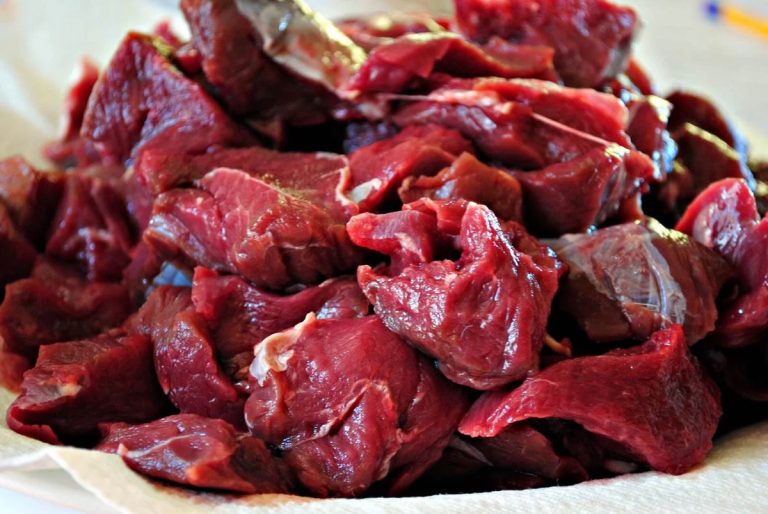
The flavor of horse meat is distinct yet mild compared to other red meats, often characterized by a subtle sweetness and richness. Younger horses typically provide more tender cuts, while older animals may have a firmer texture. Its leanness gives it a clean taste with less fat-related heaviness, making it suitable for dishes that emphasize natural flavors.
Texture is another important factor when evaluating horse meat. Fine-grained muscle fibers create a tender mouthfeel, especially when cooked properly. Chefs often recommend methods such as quick searing, slow braising, or incorporating it into ground preparations to maintain tenderness and enhance the overall eating experience. These characteristics contribute to the culinary appeal of horse meat, offering an alternative to traditional meats for those seeking variety or healthier options in their meals.
Common Culinary Uses
Horse meat is versatile in cooking and appears in both traditional and modern cuisines worldwide. It can be served as steaks, roasts, ground meat for burgers, sausages, or even tartare, each method highlighting different aspects of its flavor and texture. Slow-cooked dishes, such as stews or braises, allow the meat to absorb spices and liquids, enhancing tenderness and depth of taste.
In some cultures, horse meat is a delicacy, served in specialty restaurants or prepared with regional spices and techniques. Its lower fat content pairs well with rich sauces or marinades, balancing flavor without overwhelming the natural taste. Understanding these culinary applications helps you appreciate why many consider is horse meat good not only from a nutritional standpoint but also as a flavorful, adaptable ingredient in diverse recipes.
Pairing and Preparation Tips
Proper preparation and pairing can elevate horse meat’s culinary appeal. Because of its lean nature, overcooking can lead to dryness, so methods like marinating, slow-cooking, or medium-rare searing are often recommended. Pairing with complementary ingredients, such as root vegetables, wine-based sauces, or aromatic herbs, enhances the natural sweetness and richness of the meat.
Cooking techniques that preserve moisture, such as sous-vide or braising, allow the delicate texture to shine. Additionally, seasoning choices should enhance rather than mask its unique flavor, with mild spices and herbs often preferred. By paying attention to preparation and pairings, you can experience the full culinary potential of horse meat, providing insight into why many chefs and food enthusiasts view it as a high-quality, versatile option for diverse dishes.
Nutritional Value of Horse Meat
Horse meat is often praised for its impressive nutritional profile, making it an appealing option for health-conscious consumers. It is generally leaner than beef and contains high levels of protein, essential vitamins, and minerals. Its nutritional content supports muscle development, energy production, and overall health. Understanding the composition of horse meat helps answer the question is horse meat good from a dietary perspective, showing how it can fit into balanced meals while offering both taste and significant nutritional benefits.
High Protein Content and Lean Composition
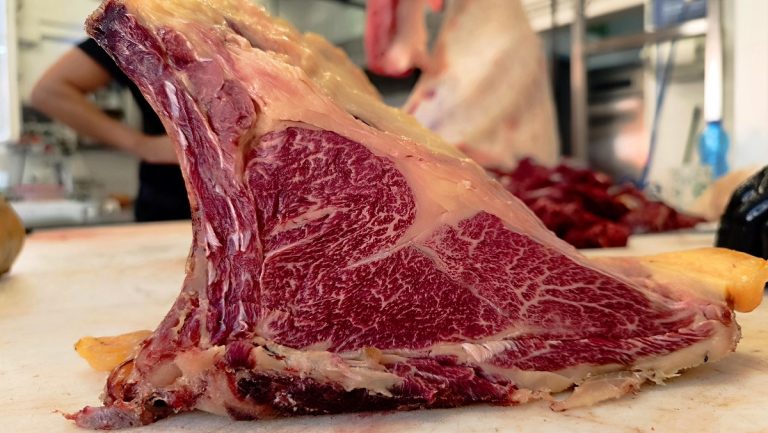
Horse meat is a rich source of high-quality protein, which is essential for muscle growth, repair, and overall body function. Compared to other red meats, it tends to have lower fat content, making it a leaner option for those aiming to reduce saturated fat intake. The lean composition also contributes to a lighter taste and a less greasy texture, which is preferred in many culinary applications.
In addition to supporting muscle development, the protein in horse meat provides a sustained source of energy, making it suitable for active individuals or those looking for nutrient-dense meal options. Its combination of lean protein and minimal fat makes it a versatile ingredient for a variety of diets, including low-fat or high-protein meal plans, offering both nutritional value and culinary flexibility.
Vitamins and Mineral Content
Horse meat is abundant in essential vitamins and minerals that contribute to overall health. It is particularly rich in iron, which supports oxygen transport and prevents anemia, and contains zinc, important for immune function and cellular health. Vitamins such as B12 are also present, playing a crucial role in nerve function, energy metabolism, and red blood cell production.
These nutrients make horse meat a valuable addition to a balanced diet, particularly for individuals seeking to improve iron intake or support muscle and energy metabolism. Compared to other red meats, the combination of lean protein with essential micronutrients provides a nutrient-dense alternative that meets both health and culinary needs. This nutrient profile reinforces the perspective that is horse meat good not just in taste, but also as a beneficial dietary option.
Low Fat and Cholesterol Benefits
Another significant nutritional advantage of horse meat is its low fat and cholesterol content. Compared to beef or pork, it contains less saturated fat, which can support heart health and weight management. The lower fat content also makes it a lighter option for cooking and helps the meat maintain a tender texture when prepared correctly.
For individuals concerned about cholesterol intake, horse meat provides a protein-rich alternative without compromising on taste or texture. Its combination of lean protein, essential vitamins, and minerals, along with reduced fat levels, positions it as a nutritious and versatile choice for a wide range of dietary preferences. These factors collectively support the idea that horse meat can be a beneficial component of a healthy, balanced diet.
Health Considerations
Consuming horse meat can offer several nutritional benefits, but it is important to be aware of health considerations before including it in your diet. Factors such as sourcing, preparation, and portion size influence its safety and overall impact on health. Understanding these considerations ensures that you can enjoy the benefits of horse meat while minimizing potential risks, providing a balanced approach to evaluating whether is horse meat good for your dietary needs and lifestyle choices.
Sourcing and Food Safety
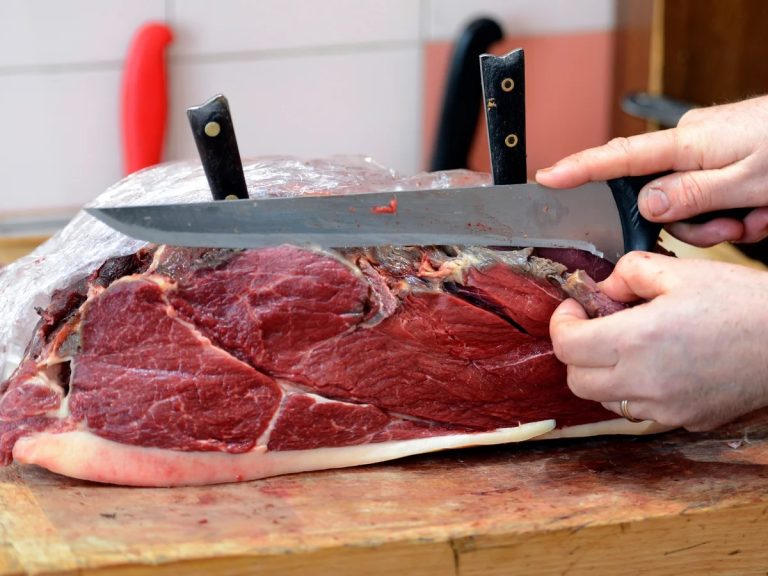
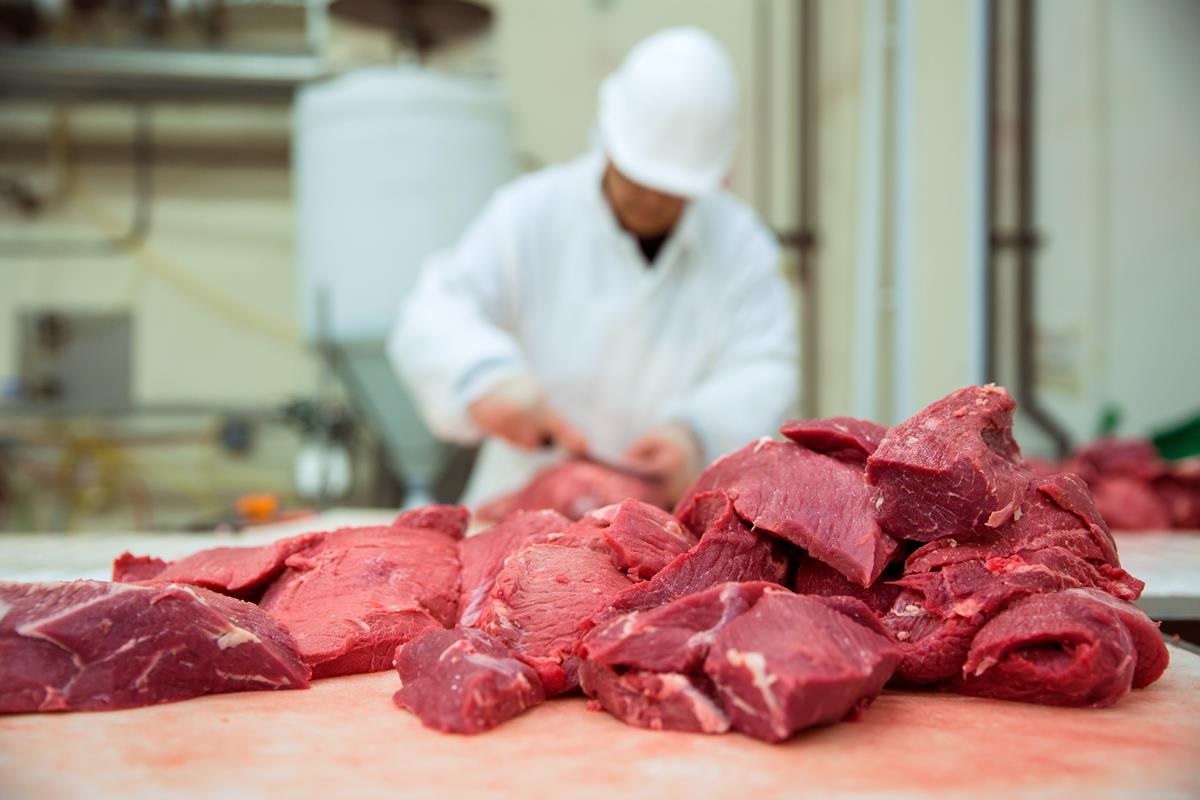
One of the primary health considerations when consuming horse meat is ensuring it comes from a reliable and regulated source. Proper inspection and handling are critical to prevent contamination with harmful bacteria or parasites. Horses raised for meat in regulated facilities undergo health checks and adhere to strict hygiene standards, reducing the risk of foodborne illness.
Unregulated or illegal sources may pose health risks, including exposure to drugs, antibiotics, or environmental toxins that could remain in the meat. Consumers should look for certifications, traceable origins, and reputable suppliers to ensure that the horse meat is safe for consumption. By prioritizing quality and proper sourcing, you can enjoy the nutritional benefits of horse meat while minimizing potential health hazards.
Cooking and Preparation Considerations
Proper preparation and cooking of horse meat are essential for safety and optimal nutritional value. Like other red meats, undercooked horse meat can carry bacteria such as E. coli or Salmonella, so thorough cooking to recommended internal temperatures is important. Cooking methods that retain moisture, such as braising, slow-cooking, or searing to medium-rare, can help preserve tenderness without compromising safety.
Additionally, seasoning and portion control contribute to healthier consumption. Avoiding excessive use of fats or salt can maintain the nutritional advantage of lean horse meat. Understanding safe cooking practices ensures that you can enjoy its flavor, texture, and health benefits while minimizing the risk of foodborne illness or dietary imbalance.
Nutritional Balance and Moderation
While horse meat offers lean protein, iron, and essential nutrients, it is important to incorporate it as part of a balanced diet. Consuming it in moderation alongside vegetables, grains, and other protein sources ensures a well-rounded nutritional intake. Overconsumption of any red meat can contribute to dietary imbalances, so portion control is key.
Considering individual health factors, such as cholesterol levels or dietary restrictions, also helps determine how horse meat fits into your diet. By being mindful of preparation, sourcing, and portion size, you can safely enjoy its benefits while maintaining overall nutritional balance and supporting long-term health.
Cultural Acceptance and Consumption Trends
The consumption of horse meat varies widely across cultures, reflecting differences in culinary traditions, historical practices, and ethical perspectives. In some countries, it is considered a delicacy or common protein source, while in others it faces social stigma or legal restrictions. Understanding is horse meat good within this context involves exploring both the cultural acceptance and the evolving consumption trends that influence its popularity, availability, and perception around the world.
Traditional Consumption in Certain Regions
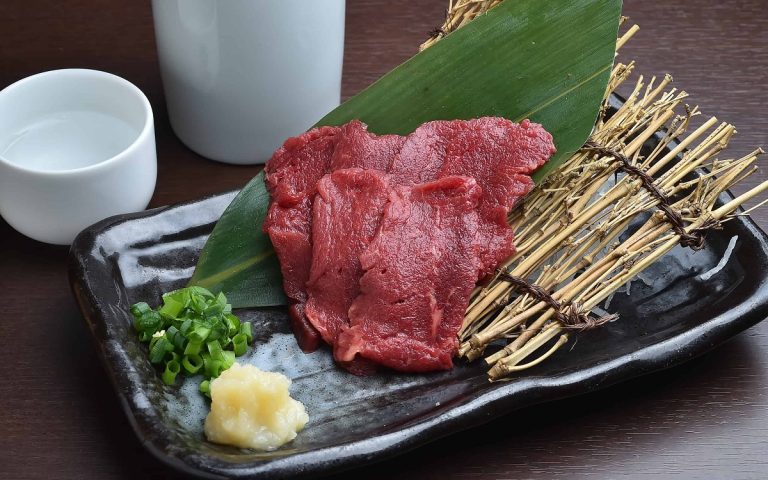
In countries like Japan, Kazakhstan, and parts of Europe, horse meat has long been a traditional part of local cuisine. Dishes such as raw horse meat sashimi in Japan, horse meat sausages in Italy, and stews in Central Asia highlight its historical and cultural significance. These regions value horse meat for its nutritional benefits, unique flavor, and lean composition, integrating it into everyday meals or festive dishes.
Cultural practices influence not only preparation methods but also perceptions of health and culinary value. Communities with a long history of horse meat consumption often view it as a high-quality protein source, similar to beef or lamb in other regions. By examining traditional consumption patterns, you can better understand why many consider is horse meat good both nutritionally and culturally, reflecting centuries of culinary heritage.
Emerging Trends and Modern Acceptance
In modern times, the acceptance of horse meat has seen varied trends due to globalization, ethical debates, and dietary preferences. Some countries have experienced increased interest in lean, nutrient-rich meats, leading to niche markets and specialty restaurants offering horse meat dishes. Conversely, animal welfare concerns and cultural taboos have contributed to decreased consumption or legal restrictions in other regions.
Urbanization and international cuisine exposure also influence changing perceptions. Younger generations may be more open to trying horse meat as part of culinary exploration, while others maintain traditional dietary norms. Market availability, labeling transparency, and public awareness campaigns further shape consumption trends, reflecting both evolving tastes and ethical considerations in evaluating whether is horse meat good for contemporary diets.
Ethical and Legal Aspects
The consumption of horse meat raises important ethical and legal questions that vary by region and culture. Ethical debates focus on animal welfare, humane slaughter, and the treatment of horses throughout their lives, while legal frameworks regulate production, sale, and consumption. Understanding these dimensions provides insight into whether is horse meat good from both a moral and regulatory standpoint, highlighting how cultural values, safety standards, and legal oversight intersect to influence its acceptance and responsible use in society.
Ethical Considerations in Horse Meat Consumption
Ethical concerns about horse meat largely center on animal welfare and humane treatment. Questions arise regarding how horses are raised, transported, and slaughtered, emphasizing the importance of minimizing stress and suffering. Advocates for ethical practices recommend strict welfare standards, ensuring horses receive proper care, nutrition, and humane slaughter methods.
Cultural attitudes toward horses also influence ethical perspectives. In regions where horses are considered companion animals, consumption may be viewed negatively, raising moral debates. By adhering to transparent welfare practices and ethical guidelines, producers can address these concerns, helping consumers feel confident about the humane treatment of animals and supporting the broader discussion of whether is horse meat good both ethically and responsibly.
Legal Regulations and Standards
Legal frameworks governing horse meat differ widely across countries. Some regions have strict regulations on slaughterhouses, inspection protocols, and labeling requirements to ensure food safety and traceability. These laws help protect public health, prevent illegal or unregulated meat sales, and enforce humane treatment standards.
Regulations often cover drug residues, disease monitoring, and record-keeping for both food safety and ethical compliance. Compliance with legal standards reassures consumers that the meat meets safety and quality requirements. By understanding these legal aspects, individuals can make informed decisions about consuming horse meat, balancing both health and ethical considerations while evaluating whether is horse meat good under regulated and responsible practices.
Balancing Ethics and Legality
Navigating the ethical and legal aspects of horse meat requires a balance between cultural acceptance, humane treatment, and regulatory compliance. Producers, consumers, and policymakers all play a role in ensuring that horse meat is sourced responsibly and meets ethical standards.
Transparent practices, adherence to laws, and consideration of animal welfare are essential for maintaining trust and promoting responsible consumption. By understanding the intersection of ethics and legality, you can evaluate the benefits and implications of horse meat thoughtfully, providing a well-rounded perspective on the question is horse meat good while respecting both moral and regulatory frameworks.
FAQs
Is Horse Meat Nutritious Compared To Other Meats?
Horse meat is highly nutritious and often leaner than beef or pork, making it a healthy protein source. It contains high-quality protein, essential vitamins like B12, and minerals such as iron and zinc, which support energy, muscle development, and overall health. Its low fat and cholesterol content make it suitable for those monitoring heart health or calorie intake. When consumed in moderation, horse meat provides a nutrient-dense alternative to traditional meats, offering both dietary benefits and culinary versatility.
Does Horse Meat Taste Different From Other Red Meats?
Yes, horse meat has a distinct taste that sets it apart from other red meats. Its flavor is slightly sweet, rich, and tender, with a finer texture than beef. Younger horses provide more tender cuts, while older horses may have firmer meat. The lean composition contributes to a cleaner taste, making it ideal for steaks, sausages, or slow-cooked dishes. Proper preparation, seasoning, and cooking methods enhance its natural flavor, offering a unique culinary experience compared to more commonly consumed meats.
Is Horse Meat Safe To Eat?
Horse meat is safe to eat when sourced from reputable suppliers and prepared properly. Regulated farms ensure health checks, hygiene standards, and traceable origins to prevent contamination or exposure to harmful substances. Proper cooking to recommended internal temperatures eliminates bacteria like E. coli or Salmonella. Ensuring safe sourcing and preparation allows you to enjoy the nutritional benefits and unique taste of horse meat without compromising food safety, making it a reliable choice for your diet.
How Lean Is Horse Meat Compared To Beef?
Horse meat is significantly leaner than beef, containing less saturated fat and cholesterol. Its low-fat content makes it a healthier choice for heart-conscious individuals and those managing weight. The lean composition also contributes to its tenderness and clean flavor, making it suitable for a variety of cooking methods. By incorporating horse meat into your meals, you can enjoy a nutrient-rich, high-protein alternative to fattier meats without sacrificing taste or texture.
Can Eating Horse Meat Provide Health Benefits?
Yes, horse meat offers several health benefits due to its high protein content, rich iron levels, and essential vitamins. It supports muscle growth, energy production, and overall metabolic function. Its lean composition aids in weight management and promotes cardiovascular health. Regular but moderate consumption can help maintain balanced nutrition while providing a flavorful alternative to more common meats. Considering these benefits, horse meat can be a valuable addition to a health-conscious diet.
How Should Horse Meat Be Cooked For Best Results?
Horse meat is lean, so careful cooking is essential to maintain tenderness and flavor. Methods like braising, slow-cooking, searing to medium-rare, or using sous-vide techniques preserve moisture and texture. Overcooking can lead to dryness, so marinating and pairing with sauces or vegetables can enhance taste. Understanding proper preparation techniques ensures you maximize both the nutritional and culinary qualities of horse meat, making it an enjoyable and healthy protein source.
Are There Cultural Restrictions On Eating Horse Meat?
Cultural acceptance of horse meat varies widely. In countries like Japan, Italy, and Kazakhstan, it is traditionally consumed and considered a delicacy. In contrast, some regions view horses as companion animals, creating social or ethical restrictions on consumption. Awareness of local laws, cultural norms, and ethical perspectives is important when considering horse meat as part of your diet. Respecting these factors ensures that your choice aligns with legal regulations and cultural sensitivities while evaluating whether is horse meat good for you.
Conclusion
Horse meat can be a nutritious option, offering high-quality protein, essential vitamins, and minerals while being relatively low in fat and cholesterol compared to some other meats. Its lean composition makes it suitable for individuals seeking a healthier alternative to traditional red meats. The flavor and texture are distinct, and while it may appeal to certain palates, cultural and ethical considerations influence its acceptance in different regions.
Consumers should also be aware of sourcing and animal welfare standards to ensure safe and responsible consumption. Understanding is horse meat good involves evaluating both its nutritional benefits and the broader ethical and cultural implications. By considering health advantages alongside responsible sourcing, individuals can make informed decisions about including horse meat in their diet, balancing dietary needs with awareness of ethical practices and food quality standards.