What Are Arabian Horses Known For?
You’ll recognize Arabian horses by their wedge-shaped heads, high tail carriage, and distinctive dished profile. Their compact, strong build supports remarkable endurance and speed, thanks to unique respiratory adaptations like a wide nasal passage for efficient oxygen intake.
They’re also known for specific coat patterns and genetic conditions like SCID. Revered for beauty and cultural significance, their traits influence many modern breeds.
Exploring further reveals how their temperament and breeding impact performance and longevity.
What Distinctive Features Make Arabian Horses Stand Out?

Although you mightn’t notice at first glance, Arabian horses stand out immediately once you observe their refined, wedge-shaped head with a broad forehead and large, expressive eyes.
One of their most distinctive features is the dished facial profile, a concave curve from forehead to nose that enhances their elegant appearance.
You’ll also notice their long, arched neck, which flows seamlessly into the shoulders, adding to their noble carriage.
Their high tail carriage is another hallmark, with the tail set unusually high and carried naturally elevated, emphasizing their spirited demeanor.
These distinctive features, combined with finely chiseled bone structure, create the unmistakable and graceful look Arabian horses are celebrated for, setting them apart from other breeds at a glance.
How Arabian Horses’ Build Supports Their Strength
You’ll notice that Arabian horses have a compact body structure with dense bones. This gives them exceptional strength and durability.
Plus, their high tail carriage isn’t just for show—it actually reflects strong muscles and an efficient skeleton. This helps with balance and agility.
When you put it all together, it’s clear how their build supports powerful movement and great endurance.
Compact Body Structure
When you examine an Arabian horse’s compact body structure, you’ll notice how its short, strong back forms a balanced foundation that supports impressive athletic performance. This compact body enhances the horse’s conformation, optimizing its center of gravity for superior agility and strength.
The breed’s wedge-shaped head and short back create a streamlined profile, while a well-arched neck and short, level croup provide efficient leverage for powerful movement. These features allow Arabian horses to maintain stability and endurance during demanding activities, carrying heavy riders with ease.
The overall conformation, focused on compactness, guarantees that every muscle and bone works harmoniously, enabling precise, agile maneuvers without sacrificing strength. This unique build distinguishes Arabians as versatile and resilient athletes.
Dense Bone Strength
Because of their dense bone structure, Arabian horses achieve remarkable strength and durability that belie their elegant appearance. Their dense bones contribute to a robust skeletal structure, supporting endurance and rigorous activity.
You’ll notice their short, compact backs and broad pelvis, which enhance strength and stability. This durable skeletal framework allows them to carry heavy riders without compromising soundness.
| Feature | Function |
|---|---|
| Dense Bones | Provide exceptional strength |
| Compact Back | Supports heavy loads |
| Broad Pelvis & Sacral Vertebrae | Enhance stability and durability |
Arabians’ dense bones and well-developed skeletal structure make them uniquely resilient. This ensures they remain strong and durable throughout their long lifespan.
High Tail Carriage
Although you might first notice it as a striking visual trait, the Arabian horse’s high tail carriage results from precise anatomical features. This distinctive physical trait stems from the breed’s unique conformation, including a strong, well-arched back and a long, level croup that effectively support the elevated tail.
Arabian horses possess a short, compact body with dense bones, allowing them to carry their tails high without strain. Key breed characteristics like strong sacral vertebrae and a well-angled pelvis further enable this posture, enhancing both balance and agility.
The high tail carriage isn’t just aesthetic; it improves endurance and movement efficiency, making it a functional physical trait integral to the Arabian horse’s renowned strength and grace.
Why Are Arabian Horses Famous for Endurance and Speed?
You’ll notice Arabian horses really stand out when it comes to endurance, and that’s largely because of their desert adaptations. For example, they’ve a heat-tolerant metabolism and large lung capacity, which help optimize oxygen exchange.
On top of that, their athletic build—with long legs and a deep chest—makes it easier for them to move efficiently and maintain speed over long distances.
When you put all these traits together, you get a highly efficient respiratory system that helps them keep up prolonged, high-performance activity.
Desert Adaptations Enhance Stamina
When you study Arabian horses, you’ll notice their wide nasal passage, known as the jibbah, which markedly boosts oxygen intake and supports their stamina in desert conditions. This key physical adaptation allows enhanced endurance by maximizing airflow even during intense exertion typical of desert climates.
You’ll also observe their high tail carriage and arched neck, which optimize respiration efficiency, conserving energy over long distances. Their lightweight frame paired with dense bone structure provides strength without compromising agility, vital for sustained performance in harsh environments.
These traits, honed through centuries of breeding, enable Arabian horses to maintain high stamina levels, ensuring they travel vast distances effectively. Understanding these desert adaptations clarifies why Arabians excel in endurance events and thrive under extreme conditions.
Athletic Build Supports Speed
Building on their desert adaptations that enhance stamina, Arabian horses owe much of their renowned speed to their athletic physique. Their long, level croup and well-angled pelvis optimize stride length, allowing for swift, sustained movement.
You’ll notice their lightweight, compact bodies paired with dense bones provide the agility to maneuver swiftly without sacrificing endurance. High tail carriage and arched neck reduce aerodynamic drag, enhancing speed further.
| Feature | Function | Benefit |
|---|---|---|
| Long, level croup | Optimizes stride length | Supports sustained speed |
| Well-angled pelvis | Enhances propulsion | Increases agility |
| Lightweight body | Reduces energy expenditure | Maintains endurance |
| Dense bones | Supports weight | Combines strength & agility |
| Arched neck | Improves aerodynamics | Minimizes drag |
This athletic build enables Arabians to perform with exceptional speed and endurance.
Efficient Respiratory System
Although many factors contribute to the Arabian horse’s remarkable endurance and speed, their efficient respiratory system plays a vital role. You’ll notice their distinctive jibbah, a forehead bulge that increases sinus capacity and enhances airflow during intense exertion.
This anatomical adaptation, along with finely chiseled nasal passages and wide nostrils, optimizes oxygen intake, which is crucial for sustained endurance.
Furthermore, their long, arched neck helps streamline airflow, supporting respiratory efficiency.
These features collectively enable Arabian horses to maintain high oxygen levels even in harsh desert climates where heat and exertion are extreme.
When you observe an Arabian in action, their respiratory system’s design clearly explains why they excel in long-distance speed and endurance events, outperforming many other breeds under challenging conditions.
Common Colors and Markings of Arabian Horses
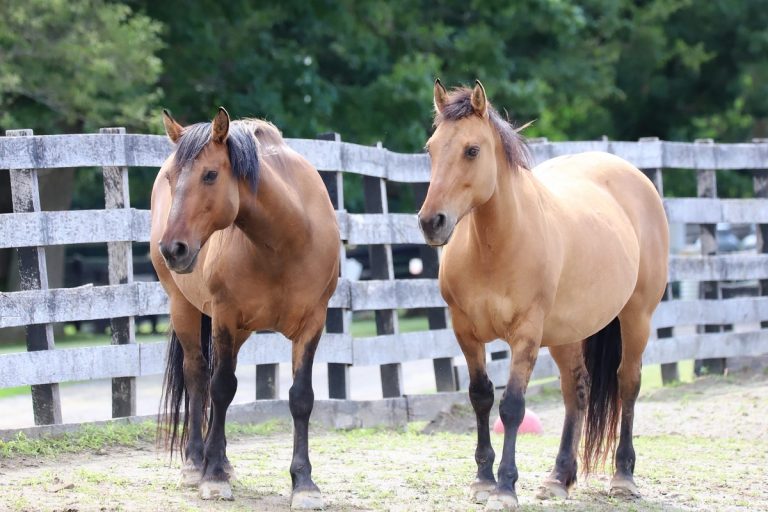
Arabian horses display a range of distinctive coat colors, including bay, gray, chestnut, and black, with occasional appearances of white, sabino, or rabicano patterns. You’ll notice many gray Arabians are born with darker coats that gradually lighten to nearly white, though true white coats remain rare.
Arabian horses showcase distinctive coats—from bay to gray—often lightening to nearly white over time.
The breed lacks dilution genes, so colors like palomino or buckskin don’t occur.
When examining markings, pay attention to sabino patterns, which create white markings above knees and hocks with irregular, lace-like edges.
Rabicano patterns produce roan-like effects mainly on the midsection, flanks, and tail, while the head and legs stay solid.
There are also distinct white markings that sometimes appear, enhancing Arabian horses’ unique visual appeal.
These coat colors and markings contribute to the breed’s striking and recognizable appearance.
What Genetic Disorders Affect Arabian Horses?

When you breed or care for Arabian horses, understanding their genetic disorders is essential to managing their health effectively. Arabian horses are prone to several inherited conditions, including Severe Combined Immunodeficiency (SCID) and Lavender Foal Syndrome (LFS), both fatal.
Cerebellar abiotrophy (CA) affects coordination and balance, often necessitating euthanasia. Other genetic disorders include osteochondrosis of the cervical spinal cord, equine juvenile epilepsy, and guttural pouch tympany (GPT).
| Disorder | Symptoms | Prognosis |
|---|---|---|
| Severe Combined Immunodeficiency (SCID) | Immune system failure | Fatal, no cure |
| Lavender Foal Syndrome (LFS) | Neurological impairment | Fatal |
| Cerebellar abiotrophy (CA) | Loss of coordination | Poor, often euthanasia |
| Equine Juvenile Epilepsy | Seizures in foals | Usually resolves with treatment |
Why Are Arabian Horses Best for Experienced Riders?
You need to understand that Arabian horses are really smart and sensitive. This means they need riders who can pick up on their subtle behaviors.
They’ve a spirited nature, so handling them well takes skill and precise control.
If you’re not experienced, it can be tough to build the trust and communication needed for safe and enjoyable riding.
Intelligent And Sensitive Nature
Because these horses possess remarkable intelligence and sensitivity, they demand an experienced rider who can interpret and respond to their nuanced behaviors. Arabian horses aren’t only intelligent but also highly sensitive, making their training a precise and thoughtful process.
You’ll find that their responsiveness hinges on subtle cues, requiring you to maintain consistent, gentle communication.
Their intelligence enables rapid learning and adaptation to complex training methods, especially in disciplines like dressage and endurance riding.
Sensitivity to your emotional state means they reflect your mood, necessitating calm, confident handling.
Effective training hinges on your ability to deliver clear, patient signals that match their alert and lively nature.
This combination makes Arabian horses ideally suited for riders with advanced skills in training and communication.
Handling Spirited Disposition
The intelligence and sensitivity that define Arabian horses also contribute to their spirited disposition, which demands a rider capable of managing their quick reactions and independent nature. Their high sensitivity means they respond intensely to subtle cues, requiring you to possess advanced skills for effective communication and control.
Their spirited disposition makes them quick learners but also prone to reactive behavior, which can challenge less experienced riders. To handle this, you must provide consistent, confident guidance to channel their energy productively and prevent behavioral issues.
Without such expertise, their lively temperament can lead to safety concerns. Ultimately, Arabian horses thrive when matched with riders who understand their nuanced behavior and can skillfully manage their spirited reactions, ensuring a safe, harmonious partnership.
What Is the Historical and Mythological Significance of Arabian Horses?

Although Arabian horses have been bred for thousands of years, their significance extends far beyond their physical attributes. Rooted in myth and legend, these horses are often believed to have divine origins, attributed to angels or gods like Jibril and Allah.
You’ll find their historical and spiritual importance deeply embedded in Arabian culture.
Bedouin tribes prized Arabians for endurance, beauty, and loyalty, weaving them into cultural and religious traditions. Legends emphasize their supernatural speed, intelligence, and unique bond with humans.
Their sacred status appears in ancient art, inscriptions, and religious texts, symbolizing victory and divine favor.
Understanding these aspects helps you appreciate Arabian horses not only as elite breeds but also as profound cultural icons shaped by history and myth.
How Have Arabian Horses Influenced Other Breeds?
When you examine the pedigrees of many modern light horse breeds, you’ll notice Arabian horses have played a pivotal role in shaping their endurance, speed, and refined conformation. This breed’s genetic influence extends to the Thoroughbred, Saddlebred, and American Quarter Horse, enhancing athletic performance and stamina.
Arabian traits like high tail carriage, dished facial profile, and a refined head structure have been selectively bred into these horses, improving elegance and resilience. Crossbreeding with Arabian bloodlines has boosted endurance essential for racing and various equestrian disciplines.
Furthermore, Arabian genetics have historically exchanged with related desert breeds such as the Barb and Akhal-Teke, further cementing their influence. You’ll find the Arabian breed’s contribution vital in developing horses with superior endurance and refined physical characteristics.
Why Do Arabian Horses Excel in Equestrian Disciplines?
Because Arabian horses combine exceptional endurance with a lightweight, compact build, you’ll find them excelling in endurance riding, dressage, and reining. Their refined conformation supports both strength and agility, allowing precise, fluid movements essential in technical disciplines.
You’ll appreciate their spirited yet intelligent temperament, which fosters quick learning and adaptability under saddle. This unique combination makes Arabians versatile and competitive across varied equestrian sports.
Exceptional endurance enables sustained performance over long distances without fatigue.
Agile, compact conformation facilitates swift, controlled maneuvers in dressage and reining.
Intelligent temperament enhances responsiveness and trainability, vital for complex routines.
Arabian horses’ balance of physical and mental traits positions them uniquely for success in demanding equestrian disciplines.
How Do Modern Breeding Trends Impact Arabian Horse Welfare?
As modern breeding trends increasingly prioritize exaggerated concave facial features in Arabian horses, you may notice a rise in respiratory complications similar to those observed in certain dog breeds. These breeding practices emphasize extreme dished conformation, which can compromise the airway by narrowing nasal passages and increasing breathing resistance.
This, in turn, affects the horse’s health, leading to difficulty during exercise and reduced athletic performance. When breeders focus primarily on aesthetic traits rather than functional conformation, welfare concerns escalate as horses may experience chronic discomfort or impaired respiratory efficiency.
To safeguard Arabian horse welfare, responsible breeding standards now promote balancing traditional beauty with anatomical soundness, ensuring that health and functional conformation remain paramount. This approach minimizes respiratory issues and supports the horse’s overall well-being and performance longevity.
Frequently Asked Questions
How Do Arabian Horses Typically Behave Around Children?
Arabian horses typically show a gentle temperament around children, making them ideal companions. You’ll notice their patience with kids during social interaction, as they tolerate young riders calmly and respond well to gentle commands.
Their protective instincts help them stay alert to a child’s needs, fostering a safe environment. You can rely on their intelligence and sensitivity to build trust, ensuring they behave thoughtfully and attentively during all interactions with kids.
What Is the Average Lifespan of an Arabian Horse?
You’ll find the average lifespan of an Arabian horse ranges between 25 and 30 years, often reaching early 30s with ideal care. Their longevity ties closely to Arabian horse history and traits, like robust genetics from selective Arabian horse breeding.
This resilience supports their active roles in Arabian horse competitions. To maximize lifespan, maintain balanced nutrition and regular vet visits, ensuring these remarkable horses thrive as long as their heritage suggests.
How Much Does It Cost to Buy and Maintain an Arabian Horse?
You’ll find the cost to buy an Arabian horse typically ranges from $5,000 to $20,000, but pricing factors like age, pedigree, and training can push prices higher.
Maintenance costs, including feed, veterinary care, and grooming, usually run between $1,500 and $3,000 annually.
For a cost comparison, investing in high-quality bloodlines raises both purchase price and upkeep.
Follow maintenance tips like regular vet visits and tailored feeding to protect your financial investment.
Are Arabian Horses Suitable for Therapy and Rehabilitation Programs?
Think of Arabian horses as gentle mirrors reflecting your emotions. Their horse temperament, marked by intelligence and calmness, makes them ideal for therapy benefits and emotional support.
You’ll find their sensitivity enhances rehabilitation techniques, allowing them to respond intuitively to your needs. This empathetic nature fosters trust, accelerating healing in mental and physical rehabilitation programs.
What Are Common Training Challenges With Arabian Horses?
You’ll face common training challenges with Arabian horses like ensuring foal socialization early to build trust and confidence. Maintaining training consistency is essential, as they quickly notice irregularities.
Ground manners can be tricky due to their spirited nature, so you must apply calm, patient behavior correction techniques. Their sensitivity demands you stay gentle yet firm, preventing resistance or anxiety.
Encourage cooperation through varied, mentally stimulating routines.
Conclusion
So, if you ever want a horse that looks like it just stepped out of a royal fairy tale, sprints like it’s late for a desert party, and carries a lineage older than your great-great-grandparents’ bedtime stories, Arabian horses are your go-to.
Just don’t expect them to iron your saddle or whisper sweet equine poetry. They’re too busy redefining endurance, genetics, and equestrian elegance with every graceful stride. Who knew history could trot so stylishly?