What Is Horse Therapy?
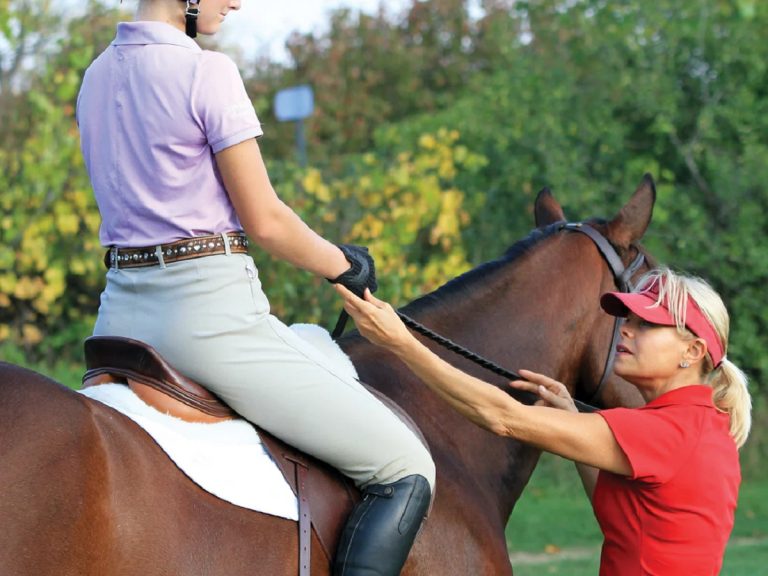
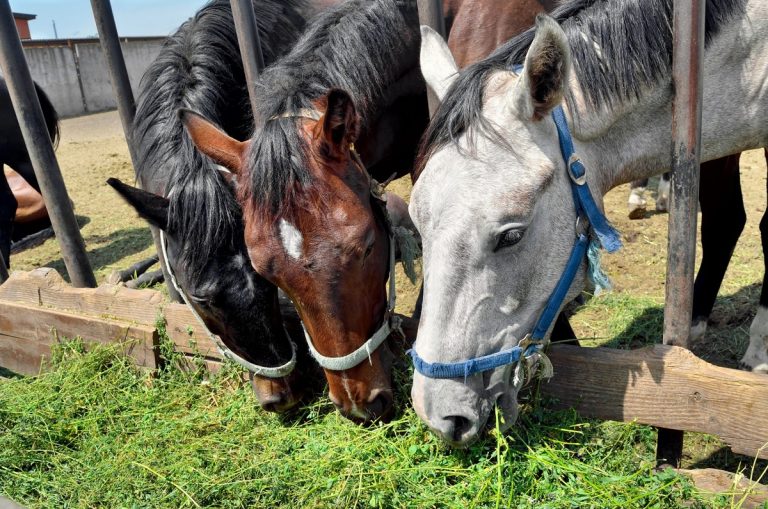
Horse therapy lets you connect with horses through riding, grooming, or groundwork to support your mental and physical health. These gentle animals respond to your emotions, helping you build self-awareness, confidence, and emotional regulation in a safe, calming environment.
Whether you’re managing stress, trauma, or physical challenges, horse therapy offers personalized support tailored to your needs. Exploring how it works and its different approaches can reveal how deeply healing this experience can be for you.
What Is Horse Therapy and How Does It Work?

How exactly does horse therapy work to improve your emotional and mental well-being? Through equine-assisted therapeutic activities, you engage with horses in a structured way that promotes self-awareness and emotional regulation.
Horse therapy enhances emotional well-being through structured interactions that boost self-awareness and emotional regulation.
Under professional guidance, you participate in ground exercises like grooming or leading the horse, which help you connect with your feelings and non-verbal cues.
Because horses respond intuitively to your emotions, they provide immediate feedback, encouraging you to recognize and adjust your mental health patterns.
This outdoor, non-judgmental environment fosters experiential learning, allowing you to explore your emotional landscape safely.
Tailored sessions ensure that horse therapy meets your unique needs, making it a powerful tool for improving your mental health through meaningful interaction and connection with these sensitive animals.
Types of Equine-Assisted Therapy and How They Differ
Engaging with horses in therapeutic settings can take many forms, each designed to address specific physical, emotional, or psychological needs. In equine-assisted therapy, you’ll find different therapy approaches like hippotherapy, therapeutic horseback riding, and equine-assisted psychotherapy.
Some focus on riding to improve physical and emotional skills, while others use ground-based activities to foster emotional awareness.
| Type | Focus | Activities |
|---|---|---|
| Therapeutic Horseback Riding | Physical & emotional skills | Riding with trained instructors |
| Hippotherapy | Postural control & coordination | Horse movement guided by therapists |
| Equine-Assisted Psychotherapy | Emotional skills & self-regulation | Grooming, groundwork, discussions |
Understanding these differences helps you choose the right path in your healing journey through horse therapy.
Who Can Benefit From Horse Therapy?

If you’re facing mental health challenges, physical disabilities, or going through big life changes, horse therapy might really help. It’s not just for one group—kids, adults, veterans, and people with developmental conditions can all find emotional and physical benefits.
Physical And Mental Benefits
While horse therapy offers a unique blend of physical and mental benefits, it especially supports individuals facing neurological conditions like cerebral palsy and autism by improving strength, balance, and coordination. Through therapeutic riding and other equine-assisted therapies, you can experience significant physical improvements that enhance mobility and posture.
Beyond the physical, horse therapy provides powerful mental health benefits, helping you build emotional regulation, self-esteem, and confidence as you bond with these gentle animals. Engaging with horses promotes mindfulness and reduces stress, making it easier to manage anxiety or depression.
Whether you’re seeking rehabilitation or emotional growth, horse therapy creates a safe, supportive environment where your body and mind can heal together, empowering you to reach your full potential.
Suitable Participant Profiles
Who can truly benefit from horse therapy? The participant profiles are diverse and include children with developmental disabilities like autism, who often improve social skills and emotional regulation through this approach.
If you’re managing trauma, PTSD, or depression, horse therapy can help build your confidence and ease stress.
Those with physical disabilities, such as cerebral palsy or motor impairments, may notice gains in strength, balance, and coordination.
Veterans and active service members frequently turn to horse therapy for emotional healing and smoother reintegration into civilian life.
Even if you’re facing challenges like anxiety, grief, or low self-esteem, interacting with horses offers emotional support and growth.
Horse therapy adapts to your unique needs, making it a powerful tool for healing and empowerment.
Physical and Emotional Benefits of Horse Therapy
Because horse therapy engages both the body and mind, it offers unique physical and emotional benefits that can transform your well-being. Through equine-assisted therapy, you can improve physical strength, balance, and coordination, which is especially helpful if you face neurological challenges.
Beyond the physical benefits, interacting with horses supports your emotional well-being by promoting stress reduction and enhancing emotional regulation. Activities like grooming and ground exercises help you become more aware of your feelings while lowering anxiety.
Many people also find that building trust with horses leads to increased confidence and self-esteem.
While research is still growing, countless individuals report that horse therapy fosters a deeper sense of calm and resilience, making it a powerful tool for both body and mind.
How Horses Support Emotional Healing and Self-Awareness

When you engage with horses, their keen intuition helps them pick up on your emotions, offering a unique mirror to your inner state. In equine-assisted therapy, this non-verbal feedback helps you develop emotional awareness by reflecting your feelings back in real time.
As you groom or lead a horse, you practice mindfulness, staying present and connected to your experience. These interactions encourage self-regulation, helping you manage emotional responses more effectively.
Horses respond to your energy and behavior, guiding you toward greater insight and balance. Through this process, you foster personal growth and healing, gaining a deeper understanding of yourself.
Equine-assisted therapy offers a compassionate, supportive space where emotional healing and self-awareness naturally unfold.
What to Expect in a Horse Therapy Session
Although each session may vary, you’ll usually start by engaging in hands-on activities like grooming or leading the horse. These help build trust and connection. These activities create a safe, supportive therapeutic environment where you can focus on non-verbal communication and emotional awareness.
Ground exercises often follow, allowing you to deepen your bond with the horse while reflecting on your feelings and reactions. Your therapist will guide you in observing the horse’s behavior, encouraging you to draw parallels with your own emotions.
Sessions typically take place outdoors on a designated therapeutic farm, providing a calming, natural setting that enhances the healing process. Through these carefully designed horse therapy activities, you’ll experience experiential learning that fosters growth, self-awareness, and emotional healing.
How to Choose the Right Horse Therapy for You
Experiencing horse therapy sessions can reveal how powerful this form of healing is, but finding the right fit for your needs makes all the difference. Start by identifying your therapeutic goals, whether mental health support, physical rehabilitation, or skill-building.
Look for programs with proper certification and safety standards. Make sure they’ve accreditation from trusted organizations like PATH International or EAGALA. Verify that qualified professionals lead the sessions, offering expert guidance and care.
Pay close attention to the horses involved; they should be calm, well-trained, and suited to your comfort level. Also, make certain the program emphasizes horse welfare and ethical treatment.
Training and Certification for Horse Therapy Professionals
When you’re exploring horse therapy professionals, it’s good to know about the main certification bodies like PATH International and EAGALA. They each have their own specific training programs and standards.
Also, keep in mind that your region might’ve its own unique rules and regulations. Knowing what’s required where you live can help make sure everything is safe and up to quality standards.
Certification Bodies Overview
Three leading certification bodies, PATH International, EAGALA, and the American Hippotherapy Association, play essential roles in training and certifying professionals in horse therapy. They set rigorous standards to guarantee you receive thorough training and ethical guidance.
Whether you’re drawn to therapeutic riding, mental health, or hippotherapy, these organizations support your growth.
| Certification Body | Focus Area | Key Requirements |
|---|---|---|
| PATH International | Therapeutic Riding | Training, supervised hours, safety standards |
| EAGALA | Mental Health & Equine Therapy | Ground-based mental health interventions |
| American Hippotherapy Association | Licensed Therapists | Specialized training, professional credentials |
Regional Regulatory Standards
How do regional differences impact the training and certification of horse therapy professionals? Certification standards vary widely depending on where you practice.
In the U.S., organizations like PATH International set clear professional requirements, emphasizing safety protocols and ethical conduct. The American Hippotherapy Association offers specialized credentials for licensed therapists.
Canada’s CanTRA provides its own region-specific guidelines.
In the U.K., multiple training providers deliver courses with external accreditation, but no single body oversees nationwide regional regulations.
These differences mean you must carefully research local accreditation and ongoing professional development expectations.
That way, you can guarantee you meet all safety protocols and quality care standards.
Understanding these regional regulatory standards helps you confidently pursue appropriate certification and deliver effective, safe horse therapy to those who need it most.
Professional Training Requirements
Understanding regional regulatory standards helps you recognize the specific training and certification requirements you’ll need to meet as a horse therapy professional.
You’ll typically pursue certification through reputable organizations like PATH International or EAGALA, where training covers equine behavior, safety protocols, therapeutic techniques, and ethics.
To earn certification, you’ll complete a set number of supervised practical hours working directly with horses and clients, ensuring you gain hands-on experience.
Once certified, continuing education is essential to maintain your credentials and stay updated on best practices and safety standards.
Keep in mind, requirements vary by region. Some areas have strict licensing rules you’ll need to follow.
Selecting and Training Horses for Therapy Work
What makes a horse an ideal partner for therapy work? Therapy horses must have a calm temperament and gentle behavior to create a safe, supportive environment.
When selecting a horse, trainers carefully assess suitability by examining gait, balance, muscling, and overall health. Older, slower-paced horses with steady, stable behavior often make the best candidates.
Training focuses on helping horses feel comfortable with ground exercises, grooming, and handling. This guarantees they respond patiently to human interaction.
This training not only enhances their skills but also builds trust and reliability.
The Unique Eagala Model in Horse Therapy
You’ll find that the Eagala Model really stands out because it brings together mental health professionals and equine specialists to guide your therapy experience. It’s not about riding horses—instead, it focuses on hands-on activities with the horses that help you build emotional awareness and learn how to regulate your feelings.
What makes it even better is that this approach is collaborative and structured. It supports your personal growth through safe, evidence-based learning that’s tailored specifically to your needs.
Collaborative Professional Approach
How does the Eagala Model stand apart in the world of horse therapy? It’s all about its collaborative professional approach. You’ll find mental health professionals and equine specialists working side by side, combining their expertise to guide therapy sessions effectively.
This teamwork guarantees you receive well-rounded support, with licensed clinicians addressing emotional needs and trained horse professionals ensuring safety and horse wellbeing. The Eagala Model prioritizes respect and care for both you and the horses, creating a trustworthy environment.
Plus, therapists and specialists undergo ongoing certification to maintain high ethical and professional standards. When you engage in these sessions, you’re not just working with horses; you’re benefiting from a unified team dedicated to your healing journey.
Experiential Learning Focus
Building on the collaborative foundation, the Eagala Model centers your healing around experiential learning. You engage directly with horses through activities like grooming and ground exercises.
These hands-on activities encourage you to develop self-awareness and emotional regulation by observing and responding to the horse’s behavior. Horses act as mirrors, helping you recognize your emotions and reactions in real time.
This non-verbal, experiential approach fosters insight in a safe, supportive setting. It promotes lasting behavioral change.
| Activity | Purpose |
|---|---|
| Grooming | Builds trust and connection |
| Ground Exercises | Enhances non-verbal cues |
| Leading | Develops leadership skills |
| Observing | Increases self-awareness |
| Teamwork Tasks | Encourages collaboration |
Through these experiences, you learn life skills that extend beyond therapy.
Emotional Regulation Techniques
While engaging with horses in the Eagala model, you learn powerful emotional regulation techniques that help you recognize and manage your feelings in real time.
Through experiential learning and active horse interactions, you become attuned to non-verbal cues, which horses use to respond to your emotional state.
This process boosts your self-awareness, allowing you to identify emotional triggers and practice staying calm.
Trust-building exercises encourage you to maintain emotional control, fostering a centered mindset essential for successful communication with the horse.
As you progress, these skills translate into everyday life, enhancing your ability to manage stress and regulate emotions effectively.
The Eagala model’s unique approach offers a supportive space where emotional regulation and personal growth naturally unfold through meaningful connections with horses.
Frequently Asked Questions
How Much Does Horse Therapy Typically Cost per Session?
You can typically expect horse therapy sessions to cost between $50 and $150 per hour. This price often covers essentials like therapy horses, riding equipment, and horse care, ensuring your safety throughout.
Some programs adjust fees based on income, which helps with session scheduling.
Equine training also factors into the cost, as well-trained horses are crucial for effective therapy.
If you have concerns, ask about sliding scales or insurance options. They want to support you.
Are There Any Risks or Safety Concerns With Horse Therapy?
Yes, there are risks with horse therapy, but safety precautions and risk management help protect you. Trainers with proper qualifications carefully assess horse behavior to guarantee calm, predictable horses.
They’ll also evaluate your suitability for sessions and teach you how to interact safely. Emergency protocols are always in place to handle unexpected situations.
Can Horse Therapy Be Done Indoors or Only Outdoors?
You can definitely do horse therapy indoors, especially when the weather’s bad or you need climate control. Indoor riding in a stable environment offers a safe, controlled space that supports facility safety and focused indoor activities.
While indoor sessions might have space requirements limiting some movements, they still provide valuable therapeutic benefits.
You’ll find indoor options helpful when outdoor conditions aren’t ideal, ensuring your therapy stays consistent and comfortable.
How Long Do Most Horse Therapy Programs Usually Last?
Most horse therapy programs usually last between 6 to 12 weeks, giving you ample time to experience therapy benefits like emotional healing and physical recovery.
Through horse riding and equine assisted activities, you’ll notice progress in mental health as you build trust and confidence.
Your therapist will tailor the length based on your unique needs, ensuring you get the most out of each session for lasting positive change.
Is Horse Therapy Covered by Health Insurance or Therapy Benefits?
Insurance coverage for horse therapy varies, and you might face coverage limitations. Some therapy benefits apply if a licensed professional provides mental health support and documents medical necessity.
You’ll need detailed treatment plans for insurance claims, but many plans don’t fully cover horse therapy.
To manage medical expenses, check with your provider and insurance company beforehand. Sliding scale fees or financial aid options often help if insurance falls short.
Conclusion
Imagine a young woman struggling with anxiety who found calm not just in talking, but in the steady rhythm of a horse’s breath beneath her. That’s the magic of horse therapy. It’s more than treatment; it’s connection.
By engaging your body and emotions alongside these gentle animals, you gain a unique path to healing. Remember, just like that steady horse, you too can find balance and strength through this powerful therapy.