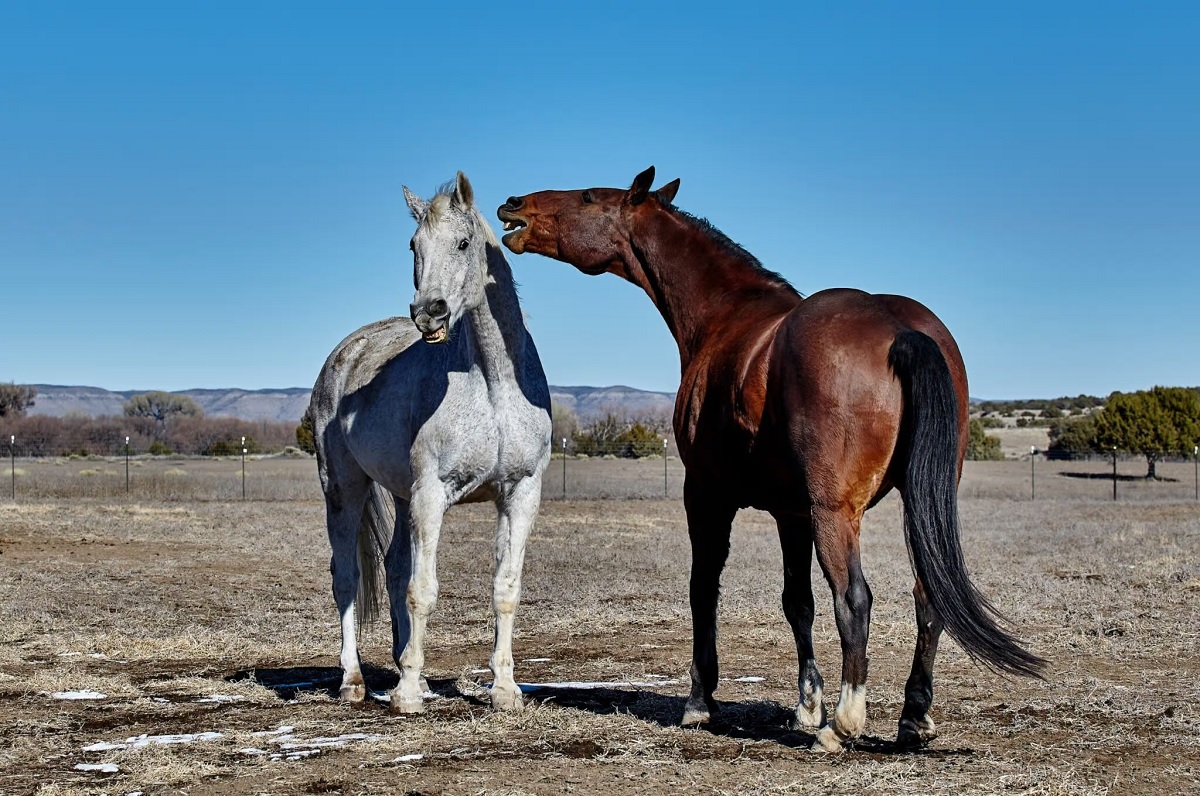
What Does a Horse Say: Understanding Their Sounds and Communication
Horses communicate in ways that are both fascinating and subtle, using sounds, body language, and facial expressions to convey emotions and intentions. Many people are curious about the meanings behind these sounds, prompting the question, what does a horse say in different situations. From the well-known neigh and whinny to snorts, nickers, and squeals, each vocalization serves a purpose, whether signaling excitement, fear, curiosity, or social bonding.
Understanding these cues helps riders, caretakers, and enthusiasts interpret the animal’s mood and respond appropriately. Observing a horse’s sounds alongside its body movements provides a deeper insight into its behavior, needs, and personality. Exploring what does a horse say allows you to better connect with these intelligent and expressive animals, enhancing both safety and the bond between humans and horses.
Common Sounds Horses Make
Horses use a variety of vocalizations to communicate with each other and with humans. These sounds reflect different emotions, intentions, and social cues, providing insight into their behavior. Understanding what does a horse say involves recognizing these common sounds and interpreting their meanings. From whinnies and neighs to snorts and nickers, each sound conveys specific messages, helping you better connect with horses, anticipate their needs, and respond appropriately to ensure safety and strengthen the human-horse bond.
Neighs and Whinnies
Neighs and whinnies are among the most recognizable horse sounds. These vocalizations are often used for long-distance communication, allowing horses to locate each other or signal their presence. A neigh can indicate excitement, curiosity, or a desire for attention, while a whinny may express recognition, social connection, or even anxiety when a horse is separated from its herd.
The tone, pitch, and duration of these sounds carry additional meaning. A high-pitched, loud whinny may indicate excitement or urgency, while a softer, drawn-out neigh often reflects contentment or reassurance. By paying attention to these vocal cues, you can interpret the horse’s emotional state and respond in ways that promote comfort, social bonding, and trust. Understanding neighs and whinnies is essential for anyone seeking to improve communication and interaction with horses.
Snorts and Squeals
Snorts and squeals are commonly used to convey alertness, discomfort, or agitation. A snort typically signals that a horse has noticed something unusual in its environment and is expressing curiosity or mild concern. Repeated snorting can also indicate heightened alertness or excitement. Squeals, on the other hand, are often associated with social interactions, such as disputes over space, dominance, or irritation between horses.
These sounds provide valuable insights into the horse’s mood and intentions. Observing accompanying body language, such as ear position, tail movement, and stance, helps clarify the meaning behind the vocalization. Recognizing and interpreting snorts and squeals allows handlers and riders to anticipate potential behavioral responses, ensuring safe and effective interaction while deepening understanding of what does a horse say through its expressive vocal repertoire.
Nickers and Soft Vocalizations
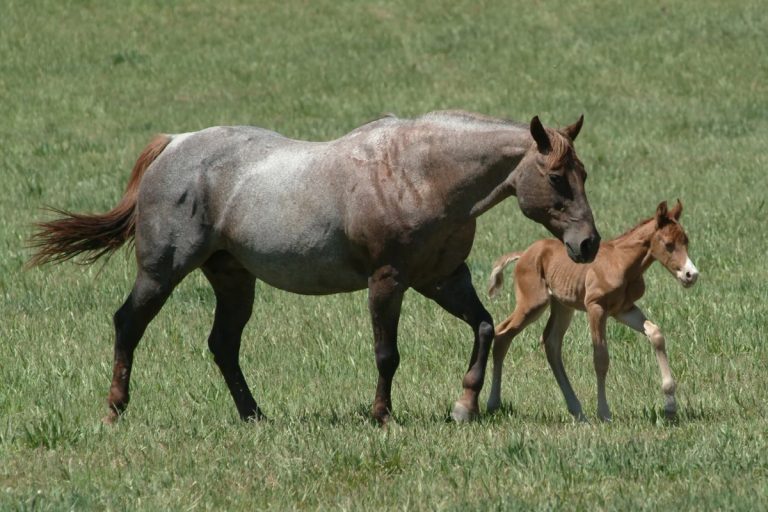
Nickers are softer, gentler sounds typically used to express affection, greeting, or reassurance. A mare may nicker to her foal as a soothing signal, while a horse may nicker to a familiar human to indicate recognition or anticipation of food or attention. These vocalizations are usually accompanied by relaxed body language, such as lowered heads, soft eyes, and a calm posture.
Soft vocalizations help strengthen social bonds and maintain trust between horses or between horses and humans. Paying attention to nickers and gentle sounds allows you to interpret positive emotional states and respond with care and attention. Understanding these nuances is an essential part of answering the question what does a horse say, as it highlights the subtle ways horses communicate affection, reassurance, and familiarity in their daily interactions.
What Different Sounds Mean
Horses use vocalizations to express a wide range of emotions, intentions, and reactions to their environment. Understanding what does a horse say involves interpreting these sounds in context, as each carries specific meanings. From alerting others to danger, signaling excitement, or showing affection, recognizing the nuances of neighs, nickers, snorts, and squeals can help you better connect with horses. Observing sounds alongside body language provides a clearer picture of their emotional state and enhances communication.
Alert and Warning Sounds
Certain horse sounds serve as signals of alertness or potential danger. Snorts and loud, sharp neighs often indicate that a horse has noticed something unusual or perceives a threat. These vocalizations are accompanied by attentive body language, such as pricked ears, elevated heads, and tense posture, signaling heightened awareness.
Alert sounds serve an important role in herd communication, helping horses warn each other about possible hazards in their environment. Understanding these cues allows handlers and riders to respond appropriately, ensuring safety for both the horse and humans. Recognizing when a horse is expressing caution or fear through vocalizations is essential to interpreting what does a horse say, as it reflects instinctual protective behaviors.
Social and Affectionate Sounds
Many horse sounds express social bonding and positive emotions. Nickers and soft whinnies are commonly used to greet familiar horses, foals, or humans, indicating recognition, affection, or anticipation of attention or food. These sounds are usually paired with relaxed body language, such as lowered heads, soft eyes, and gentle movements.
Understanding these social vocalizations helps you foster stronger connections with horses. Responding to nickers and gentle whinnies with calm interaction or attention reinforces trust and positive behavior. These sounds provide insight into the horse’s emotional state, showing contentment, comfort, and attachment, which is a key aspect of answering what does a horse say in everyday interactions.
Expressing Frustration or Discomfort
Horses also use vocalizations to indicate irritation, frustration, or discomfort. Squeals, loud neighs, or repeated stamping and snorting may signal displeasure, pain, or social tension within a herd. Observing accompanying body cues—such as pinned ears, swishing tails, or tense muscles—helps clarify the meaning behind these vocal signals.
By interpreting these expressions correctly, handlers can address the source of discomfort, whether it involves environmental stressors, handling techniques, or social conflicts. Understanding how horses vocalize frustration or distress is essential for maintaining safety, promoting welfare, and interpreting the broader question of what does a horse say, as these sounds communicate critical information about their physical and emotional state.
Body Language That Complements Sounds
Horses communicate not only through vocalizations but also through subtle body movements that provide context to their sounds. Understanding what does a horse say requires observing both audio and visual cues together, as body language often clarifies a horse’s mood, intentions, and emotional state. Ear position, tail movement, head posture, and overall stance can enhance or modify the meaning of vocal signals, helping you respond appropriately and safely while deepening your connection with the horse.
Ear and Head Positioning
A horse’s ears and head are key indicators of attention and emotion. Forward-facing ears often accompany curiosity or alertness, while ears pinned back can signal anger, irritation, or discomfort. Head posture adds additional context to vocalizations: a raised head may indicate heightened alertness or excitement, whereas a lowered head can signal relaxation, contentment, or submission.
When combined with sounds, these visual cues help interpret messages more accurately. For example, a soft nicker paired with relaxed ears and a lowered head generally indicates affection or recognition, while a loud neigh with ears pinned back and head high may signal distress or warning. Paying attention to these details allows you to answer what does a horse say with greater precision, ensuring safer and more effective interactions.
Tail Movement and Body Posture
Tail movement and overall body posture provide further insight into a horse’s feelings and reactions. A swishing tail can indicate irritation or agitation, while a relaxed, gently moving tail suggests contentment. Similarly, tense muscles, pawing, or shifting weight often accompany vocalizations of discomfort or frustration.
Observing body posture alongside sounds helps interpret the emotional context behind a horse’s communication. For instance, a snort paired with a tense stance may signal alertness or alarm, while a soft nicker with a relaxed body demonstrates calm and friendly intent. Integrating these observations ensures that you understand not just the sound but the complete message, giving a more holistic answer to what does a horse say.
Behavioral Signals and Social Context
Beyond immediate posture and gestures, horses use broader behavioral cues to complement their sounds. Movements such as approaching another horse, turning away, or pawing the ground provide context to social interactions or emotional states. Vocalizations like whinnies or squeals gain meaning when paired with these behavioral indicators, clarifying whether the horse is expressing excitement, dominance, or submission.
Recognizing these combinations allows handlers to respond appropriately, enhancing communication and maintaining safety. By paying attention to both sounds and body language, you can interpret the full spectrum of equine expression, gaining a richer understanding of what does a horse say in different social and environmental situations.
How Horses Communicate With Humans
Horses have evolved to interact with humans through a combination of vocalizations, body language, and behavioral cues. Understanding what does a horse say in human contexts allows riders, caretakers, and enthusiasts to build trust, anticipate needs, and respond effectively. By observing sounds like nickers, whinnies, and snorts alongside gestures such as ear positioning, tail movements, and head posture, humans can interpret a horse’s emotional state, creating safer and more meaningful interactions.
Vocal Communication With Humans
Horses use specific vocalizations to communicate directly with humans, often expressing recognition, anticipation, or requests. A soft nicker is commonly directed at a familiar person, signaling greeting, affection, or expectation of food or attention. Whinnies and neighs may also occur in response to a human’s presence, indicating excitement, curiosity, or a desire for interaction.
These sounds are subtle but meaningful, providing insight into the horse’s mood and intentions. Recognizing the context of each vocalization allows humans to respond appropriately—offering reassurance, attention, or space as needed. Understanding how horses use vocal signals in human interactions answers part of the question what does a horse say, highlighting the importance of attentive listening.
Body Language and Behavioral Cues
Beyond sounds, horses communicate extensively through body language when interacting with humans. Ear position, eye contact, head movements, and tail gestures indicate emotions ranging from calm contentment to alertness or discomfort. For example, a horse with relaxed ears and a lowered head while approaching you is likely seeking affection or comfort. Conversely, pinned ears or tense posture signal stress or irritation.
Behavioral cues such as following a human, nudging, or pawing can complement vocalizations, further clarifying intentions or requests. By paying attention to these visual signals, you can interpret the horse’s needs and emotional state more accurately. Combining vocal and body language observations enhances your understanding of what does a horse say, fostering trust, safety, and stronger bonds between humans and horses.
Understanding Horse Communication in Herds
Horses are social animals, and much of their communication occurs within the herd. Observing herd interactions helps answer the question what does a horse say, as vocalizations, body language, and behaviors convey social hierarchy, bonding, and conflict resolution. Herd communication allows horses to maintain safety, coordinate movement, and express emotions. Understanding these signals provides valuable insight into their natural behaviors and enhances how humans interpret and respond to their vocal and visual cues.
Social Vocalizations in Herds
In a herd, horses rely on vocalizations to coordinate and maintain social bonds. Whinnies and neighs serve as long-distance calls, helping members locate each other across pastures or signal attention. Soft nickers are often exchanged between familiar herd members as a sign of reassurance or social bonding, especially between mares and foals.
Different tones and frequencies convey varying emotions. A high-pitched, urgent whinny may indicate alarm or excitement, prompting herd members to be alert. Conversely, relaxed and gentle vocalizations communicate contentment, safety, or social acceptance. Observing these sounds within herd dynamics helps humans understand what does a horse say by contextualizing emotions and intentions based on social interactions and proximity.
Body Language and Hierarchy Signals
Body language plays a central role in herd communication, particularly in establishing and maintaining hierarchy. Posture, ear positioning, tail movement, and stance indicate dominance, submission, or readiness to play. For example, a dominant horse may hold its head high with ears forward, while a submissive horse lowers its head and avoids direct eye contact.
These visual cues are often paired with vocalizations, clarifying messages within the herd. Observing interactions such as mutual grooming, nuzzling, or chasing behaviors helps decode intentions, whether they involve reassurance, conflict, or social bonding. Recognizing these behaviors provides insight into herd dynamics and the subtleties of horse communication, offering a comprehensive understanding of what does a horse say.
Coordination and Alert Signals
Horses in herds use combined vocal and visual signals to coordinate movements and alert each other to potential threats. Snorts, squeals, and high-pitched neighs often accompany sudden movement or environmental changes, signaling herd members to stay vigilant or relocate.
Understanding these alert signals is essential for interpreting natural behaviors and maintaining herd safety. By observing herd interactions, humans can better understand the meaning behind vocalizations and body language, enhancing interpretation of what does a horse say. This knowledge also aids in managing domesticated horses by applying natural communication patterns to training, bonding, and ensuring their well-being.
Frequently Asked Questions
What Does a Neigh Or Whinny Mean?
A neigh or whinny is one of the most recognizable horse sounds and often serves as a long-distance call. It can indicate excitement, curiosity, or a desire to locate other horses. The tone, pitch, and length of the sound provide additional context. A loud, high-pitched whinny may signal alertness or urgency, while a softer, drawn-out neigh often reflects calmness or social greeting. By paying attention to these vocalizations, you can better understand what does a horse say and respond appropriately to its needs or emotions.
What Does A Nicker Indicate?
A nicker is a soft, low sound usually directed at other horses or humans. It often communicates affection, recognition, or anticipation, such as expecting food or attention. Mares nicker to foals as a soothing signal, while horses may nicker to familiar humans to express comfort or connection. Observing accompanying body language, such as relaxed ears and lowered heads, helps you interpret the intent behind the sound. Understanding nickers allows you to answer what does a horse say in moments of bonding or friendly interaction.
What Does A Snort Mean?
A snort is a sharp, forceful exhalation that can signal alertness, curiosity, or mild agitation. Horses often snort when they notice something unusual in their environment, signaling attention to other herd members. Multiple snorts or repeated exhalations may indicate heightened excitement or vigilance. By observing body posture, ear position, and context, you can interpret the horse’s emotional state. Recognizing snorts helps you understand what does a horse say in terms of caution or environmental awareness, improving safety and communication.
What Do Squeals Indicate?
Squeals are usually loud, high-pitched vocalizations that often occur during social interactions or conflict. They can signal irritation, frustration, or dominance disputes between horses. The sound may also indicate discomfort or resistance in certain situations. Paying attention to accompanying body language, like pinned ears or swishing tails, helps clarify the meaning. Understanding squeals allows you to interpret what does a horse say during moments of social tension, ensuring you can respond appropriately and maintain safety around horses.
How Do Horses Use Sounds To Communicate With Humans?
Horses communicate with humans through vocalizations like nickers, whinnies, and soft squeals. These sounds convey recognition, anticipation, or requests for attention, food, or comfort. Coupled with body language such as relaxed ears, lowered heads, or approaching gestures, vocalizations help you understand their emotional state. By observing these cues, you can strengthen the bond with your horse and respond appropriately, providing reassurance or interaction. Understanding this communication answers what does a horse say in the context of human-horse relationships.
How Does Body Language Complement Horse Sounds?
Body language provides context to vocalizations, clarifying meaning and emotion. Ear position, head posture, tail movement, and stance work together with sounds to convey excitement, contentment, alertness, or irritation. For example, a soft nicker with relaxed ears signals affection, while a loud neigh with a raised head and pricked ears may indicate alertness or alarm. Paying attention to both sounds and visual cues allows you to understand what does a horse say more accurately, enhancing safety, trust, and effective communication with horses.
Final Thoughts
Horses communicate through a variety of sounds and body language, each carrying distinct meanings that convey their emotions, needs, and intentions. Neighs, nickers, snorts, and squeals can indicate excitement, curiosity, fear, or distress, while ear positions, tail movements, and posture further enhance their messages.
Understanding these cues allows you to interpret a horse’s mood and respond appropriately, strengthening the bond between human and animal. Observing interactions within a herd also provides insight into social behaviors and communication patterns. By paying close attention to vocalizations and accompanying body language, you can better meet a horse’s physical and emotional needs. Learning what does a horse say equips you with the knowledge to interact more effectively, ensuring safety, building trust, and fostering a harmonious relationship with these intelligent and expressive animals.