What Is Equine Therapy: Benefits, Types, and How It Works
Equine therapy is a unique form of treatment that uses horses to support physical, emotional, and mental well-being. Many people are curious about what is equine therapy and how it differs from traditional therapy methods. This approach involves interacting with horses through activities such as grooming, riding, and groundwork, allowing individuals to develop trust, confidence, and emotional regulation. Equine therapy is used to address a wide range of conditions, including anxiety, depression, trauma, and developmental challenges.
The presence of horses provides a non-judgmental, calming environment that encourages personal growth and self-awareness. Understanding what is equine therapy highlights its benefits not only as a therapeutic tool but also as a holistic approach that combines movement, connection with animals, and reflective exercises. This therapy strengthens emotional resilience while promoting physical coordination and social skills.
Types of Equine Therapy
Equine therapy encompasses several approaches, each tailored to meet different therapeutic goals. These types include physical, occupational, and mental health-focused therapies that utilize horses in various ways to support healing and personal growth. Understanding the different types of equine therapy helps individuals and professionals choose the approach best suited for their needs. Whether through riding, groundwork, or structured exercises, each type provides unique benefits, enhancing emotional, cognitive, and physical development while strengthening the bond between horse and participant.
Therapeutic Riding
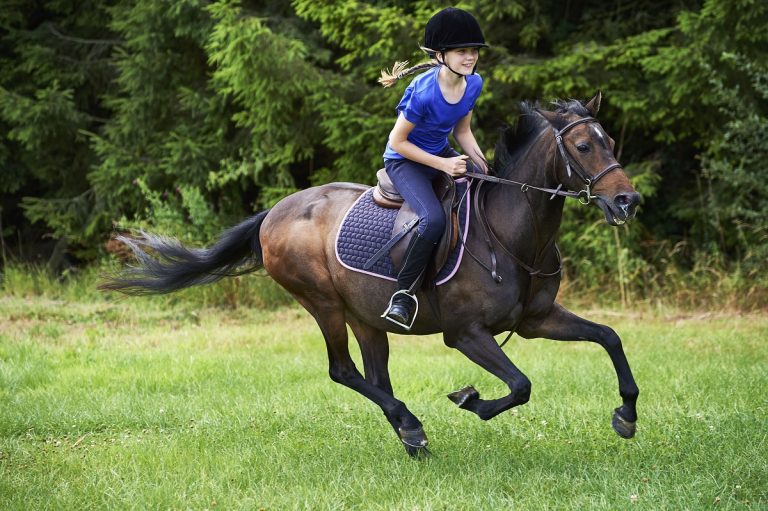
Therapeutic riding focuses on using horseback riding as a means to improve physical, emotional, and social skills. This type of equine therapy is often used for individuals with physical disabilities, developmental delays, or motor challenges. Riding a horse helps improve balance, coordination, posture, and muscle strength while providing sensory stimulation that enhances body awareness and motor planning.
Beyond physical benefits, therapeutic riding also fosters confidence, self-esteem, and emotional resilience. Participants learn to communicate and interact with the horse, follow instructions, and achieve riding goals, which encourages independence and personal growth. Certified instructors guide the sessions, ensuring safety and tailoring exercises to each participant’s abilities. Therapeutic riding combines physical activity with emotional support, making it an effective and engaging approach for individuals seeking both physical and psychological benefits from equine therapy.
Equine-Assisted Psychotherapy
Equine-assisted psychotherapy (EAP) focuses on mental health and emotional development. Participants engage with horses through groundwork activities such as grooming, leading, and problem-solving exercises. These interactions provide insight into personal behaviors, emotional responses, and relationship dynamics. Horses act as mirrors, reflecting emotions and reactions, helping participants develop self-awareness, coping strategies, and emotional regulation.
EAP is commonly used to address anxiety, depression, trauma, and behavioral challenges. Sessions are typically guided by licensed mental health professionals trained in equine-assisted therapy. The hands-on experience promotes trust, communication, and empathy, allowing participants to explore emotions in a safe, non-judgmental environment. Equine-assisted psychotherapy provides a unique therapeutic opportunity, combining experiential learning with traditional therapy methods to support emotional growth, healing, and resilience.
Equine-Assisted Learning and Activities
Equine-assisted learning (EAL) focuses on personal development, life skills, and team-building through structured activities with horses. Participants engage in tasks such as leading, grooming, and obstacle navigation to improve communication, problem-solving, and leadership skills. EAL is often used in educational, corporate, or youth development programs to promote self-confidence, accountability, and collaboration.
Unlike therapeutic riding or psychotherapy, EAL emphasizes experiential learning rather than clinical treatment. The horse serves as a partner and feedback tool, helping individuals understand the impact of their actions and decisions. By observing and responding to the horse’s behavior, participants develop emotional intelligence, patience, and resilience. Equine-assisted learning combines practical skills, personal growth, and interactive engagement, offering a unique and impactful approach to learning through hands-on experiences with horses.
Benefits of Equine Therapy
Equine therapy offers a wide range of physical, emotional, and mental benefits for individuals of all ages. Working with horses helps improve balance, coordination, and strength while fostering emotional growth and resilience. The presence of horses provides a calming and non-judgmental environment, encouraging self-awareness, confidence, and communication skills. Understanding the benefits of equine therapy highlights its effectiveness as a holistic approach that combines physical activity, social interaction, and emotional support to enhance overall well-being.
Physical Benefits
Equine therapy provides significant physical benefits, particularly through therapeutic riding and movement-based exercises. Riding a horse engages core muscles, improves posture, and enhances coordination and balance. The rhythmic motion of the horse’s gait stimulates neuromuscular connections, benefiting individuals with physical disabilities or motor challenges.
Horses’ movement also strengthens leg muscles and improves flexibility, while groundwork exercises, such as leading or grooming, encourage fine motor skills and upper body strength. Regular sessions can improve stamina, endurance, and overall physical fitness. These physical benefits extend beyond the therapy sessions, promoting better mobility, muscle tone, and confidence in performing daily activities. Equine therapy effectively combines exercise with enjoyable interaction, motivating participants to engage in consistent physical activity while addressing specific therapeutic goals.
Emotional and Mental Benefits
Equine therapy has profound emotional and mental health benefits. Horses are highly intuitive and responsive animals, helping individuals develop self-awareness, empathy, and emotional regulation. Interacting with horses can reduce anxiety, depression, and stress while promoting relaxation and mindfulness.
Participants gain confidence and a sense of accomplishment as they complete tasks, navigate challenges, and build a trusting relationship with the horse. The non-judgmental presence of horses provides a safe space to express emotions, explore behavioral patterns, and practice coping strategies. Equine therapy supports personal growth by fostering resilience, patience, and problem-solving skills, making it a powerful tool for enhancing mental and emotional well-being in both clinical and non-clinical settings.
Social and Interpersonal Benefits
Equine therapy also improves social skills and interpersonal development. Working with horses requires communication, teamwork, and following instructions, which can enhance social interaction and collaboration. Group sessions or team-based activities encourage participants to develop leadership, cooperation, and conflict resolution skills.
For children and individuals with social or behavioral challenges, interacting with horses provides a unique opportunity to practice patience, understanding, and empathy in a structured yet supportive environment. These social and interpersonal benefits extend beyond therapy sessions, helping participants navigate relationships and social situations more effectively in daily life. Equine therapy combines physical, emotional, and social development, offering a comprehensive approach to holistic well-being.
How Equine Therapy Sessions Work
Equine therapy sessions are structured experiences designed to promote physical, emotional, and mental growth through interaction with horses. Each session is tailored to the participant’s goals, abilities, and therapeutic needs, ensuring a safe and effective environment. Sessions may include riding, groundwork, grooming, or structured activities that encourage communication, trust, and self-awareness. Understanding how equine therapy sessions work helps participants prepare for what to expect, maximize benefits, and develop a meaningful connection with both the horse and the therapist guiding the process.
Initial Assessment and Goal Setting
Equine therapy sessions typically begin with an initial assessment to understand the participant’s physical, emotional, and cognitive needs. Therapists or instructors evaluate the individual’s abilities, challenges, and objectives to create a personalized plan. This step ensures that the activities chosen are safe, achievable, and aligned with therapeutic goals.
Goal setting is an important part of the process, as it provides focus and measurable outcomes for the participant. Goals may include improving balance and coordination, developing emotional regulation, or enhancing communication and social skills. Clear objectives guide the structure of each session, helping both horse and participant engage purposefully. Establishing a baseline and desired outcomes allows progress to be tracked, ensuring that each session builds on previous experiences for maximum benefit.
Interaction and Activities with Horses
During the session, participants engage in hands-on activities with horses that target specific therapeutic goals. These activities can include grooming, leading, groundwork exercises, and therapeutic riding. Each activity is designed to promote physical engagement, emotional connection, and cognitive development. For example, grooming helps develop fine motor skills, while riding improves balance, posture, and coordination.
Horses act as intuitive partners, responding to the participant’s actions, emotions, and energy. This interaction encourages mindfulness, empathy, and self-awareness. Therapists guide participants through each activity, providing feedback, support, and adjustments as needed. Structured exercises and spontaneous interactions both play a role in building trust, confidence, and emotional regulation. By actively participating, individuals gain insight into their behavior, enhance their problem-solving skills, and strengthen their connection with the horse in a controlled, therapeutic environment.
Reflection and Progress Evaluation
At the end of each session, reflection is a key component. Participants discuss their experiences, emotions, and challenges with the therapist, helping them process lessons learned and gain insight into their reactions and behaviors. Reflection encourages self-awareness, reinforces achievements, and highlights areas for continued growth.
Therapists evaluate progress toward set goals and adjust future sessions accordingly. This ongoing assessment ensures that each session remains effective, tailored, and engaging. By combining physical activity, emotional engagement, and reflective discussion, equine therapy sessions provide a comprehensive and structured approach to healing and personal development. Participants leave sessions with improved confidence, skills, and a deeper connection with both the horse and themselves.
Measuring Progress in Equine Therapy
Tracking progress in equine therapy is essential to ensure that sessions are effective and that participants are achieving their therapeutic goals. Progress is measured through a combination of observational assessments, feedback from participants, and structured evaluations of physical, emotional, and cognitive improvements. Understanding how to measure progress helps therapists tailor sessions, maintain motivation, and demonstrate the benefits of equine therapy. By evaluating growth over time, participants gain insight into their achievements and areas for continued development.
Physical Progress Indicators
Physical progress in equine therapy is often assessed through improvements in balance, coordination, strength, and mobility. During riding sessions, therapists observe how well participants maintain posture, engage core muscles, and respond to the horse’s movement. Groundwork exercises, such as leading, grooming, or navigating obstacles, also provide indicators of physical development, including fine and gross motor skills.
Therapists may track progress using standardized physical assessments, session notes, or video observations to compare performance over time. Increased stability, smoother movements, and enhanced endurance are clear signs of improvement. Documenting these physical changes helps adjust therapy intensity, set new goals, and reinforce participant confidence by highlighting tangible achievements. Monitoring physical progress ensures that equine therapy remains effective in promoting strength, coordination, and overall physical health.
Emotional and Behavioral Progress
Emotional and behavioral progress is a key component of equine therapy measurement. Participants are observed for changes in confidence, emotional regulation, social interactions, and stress responses. Activities with horses often reveal emotional patterns, such as frustration, patience, or empathy, which therapists can use to track growth and identify areas needing support.
Feedback from participants, caregivers, and therapists provides additional insight into emotional development. Progress may be reflected in increased willingness to engage, improved communication, and reduced anxiety or emotional outbursts. Documenting these changes over time helps therapists refine techniques, set achievable goals, and reinforce positive behavior. Measuring emotional and behavioral progress ensures that equine therapy effectively supports personal growth, resilience, and well-being.
Cognitive and Skill-Based Assessment
Cognitive progress in equine therapy includes problem-solving abilities, decision-making, focus, and learning new skills. Therapists monitor how participants respond to structured activities, challenges, or instructions, noting improvements in attention, planning, and adaptability. Completing specific tasks, remembering sequences, or successfully navigating obstacles with the horse reflects cognitive growth.
Skill-based progress also involves communication, teamwork, and leadership development during both riding and groundwork exercises. Tracking these skills allows therapists to assess overall development and identify opportunities for further growth. By combining cognitive and skill-based assessments with physical and emotional observations, equine therapy provides a comprehensive evaluation of progress, helping participants achieve measurable improvements and long-term benefits.
People Also Asked
What Is Equine Therapy?
Equine therapy is a therapeutic approach that uses horses to support physical, emotional, and mental well-being. You interact with horses through activities such as riding, grooming, or groundwork, which helps improve balance, coordination, emotional regulation, and social skills. Horses act as intuitive partners, reflecting your emotions and behavior, allowing you to gain self-awareness and develop coping strategies. This therapy is used for a wide range of conditions, including anxiety, depression, trauma, and developmental challenges. It provides a holistic, hands-on approach to healing and personal growth.
Who Can Benefit From Equine Therapy?
Equine therapy can benefit individuals of all ages and abilities. Children, teens, adults, and seniors with physical disabilities, emotional challenges, or developmental disorders can find value in this therapy. You can also benefit from equine therapy if you are dealing with stress, anxiety, depression, trauma, or social difficulties. The hands-on interaction with horses promotes emotional regulation, confidence, and problem-solving skills, while physical exercises enhance coordination and strength. Each session is tailored to your specific needs, making equine therapy suitable for a wide range of therapeutic goals.
What Are The Main Types Of Equine Therapy?
Equine therapy includes several types designed to address different needs. Therapeutic riding focuses on improving physical abilities, including balance, coordination, and strength. Equine-assisted psychotherapy targets emotional and mental health, helping you manage anxiety, depression, or trauma through structured interactions with horses. Equine-assisted learning emphasizes personal growth, life skills, and team-building through exercises such as grooming, leading, and obstacle challenges. Understanding the types helps you select the therapy that aligns with your goals, ensuring that sessions provide both physical and emotional benefits tailored to your needs.
How Do Sessions Typically Work?
Equine therapy sessions are structured to promote growth through interaction with horses. You may participate in riding, groundwork, or grooming activities under the guidance of a certified therapist or instructor. Each session begins with goals tailored to your abilities and needs, ensuring safety and effectiveness. During activities, the horse’s behavior reflects your actions and emotions, providing real-time feedback. Sessions often include reflection to discuss your experiences, emotions, and lessons learned. This structured approach ensures that both physical and emotional growth occurs progressively over time.
What Conditions Can Equine Therapy Help With?
Equine therapy can help with a wide variety of physical, emotional, and cognitive conditions. You may benefit if you have developmental delays, physical disabilities, anxiety, depression, trauma, or behavioral challenges. The therapy improves balance, coordination, and strength while fostering emotional regulation, confidence, and communication skills. It also promotes social interaction, empathy, and problem-solving abilities. By working closely with horses, you can address multiple challenges simultaneously in a safe and engaging environment, making equine therapy a versatile and effective approach to holistic treatment.
How Long Does Equine Therapy Take To Show Results?
The timeline for progress in equine therapy varies depending on your goals, condition, and frequency of sessions. Some people notice improvements in confidence, emotional regulation, or social skills within a few sessions, while physical benefits like balance and coordination may take longer. Therapists regularly evaluate your progress and adjust activities to match your development. Consistent participation, engagement, and reflection are key to achieving lasting results. The hands-on, experiential nature of equine therapy often accelerates learning and personal growth compared to traditional therapies.
Is Equine Therapy Safe For Everyone?
Equine therapy is generally safe when conducted under trained professionals using certified horses. You are always guided by experienced instructors or therapists who ensure appropriate safety measures, including proper equipment, supervision, and session planning. Sessions are tailored to your physical abilities and emotional needs, minimizing risks. Safety also depends on your adherence to instructions and comfort level with horses. By following guidelines and wearing recommended protective gear, you can safely enjoy the physical, emotional, and social benefits of equine therapy.
Final Thoughts
Equine therapy offers a unique approach to improving physical, emotional, and social well-being through interaction with horses. Participants can experience enhanced balance, coordination, and muscle strength while also developing confidence, communication skills, and emotional resilience. Sessions are carefully structured under the guidance of trained professionals to ensure safety and maximize therapeutic benefits. The versatility of this therapy allows it to support a wide range of individuals, from children with developmental challenges to adults recovering from physical injuries or managing mental health conditions.
By combining movement, bonding with the horse, and goal-oriented exercises, equine therapy creates a holistic environment for growth and healing. Understanding what is equine therapy highlights its potential as a powerful tool for personal development, rehabilitation, and emotional support, offering meaningful benefits that extend beyond traditional therapy methods and fostering lasting positive change in participants’ lives.