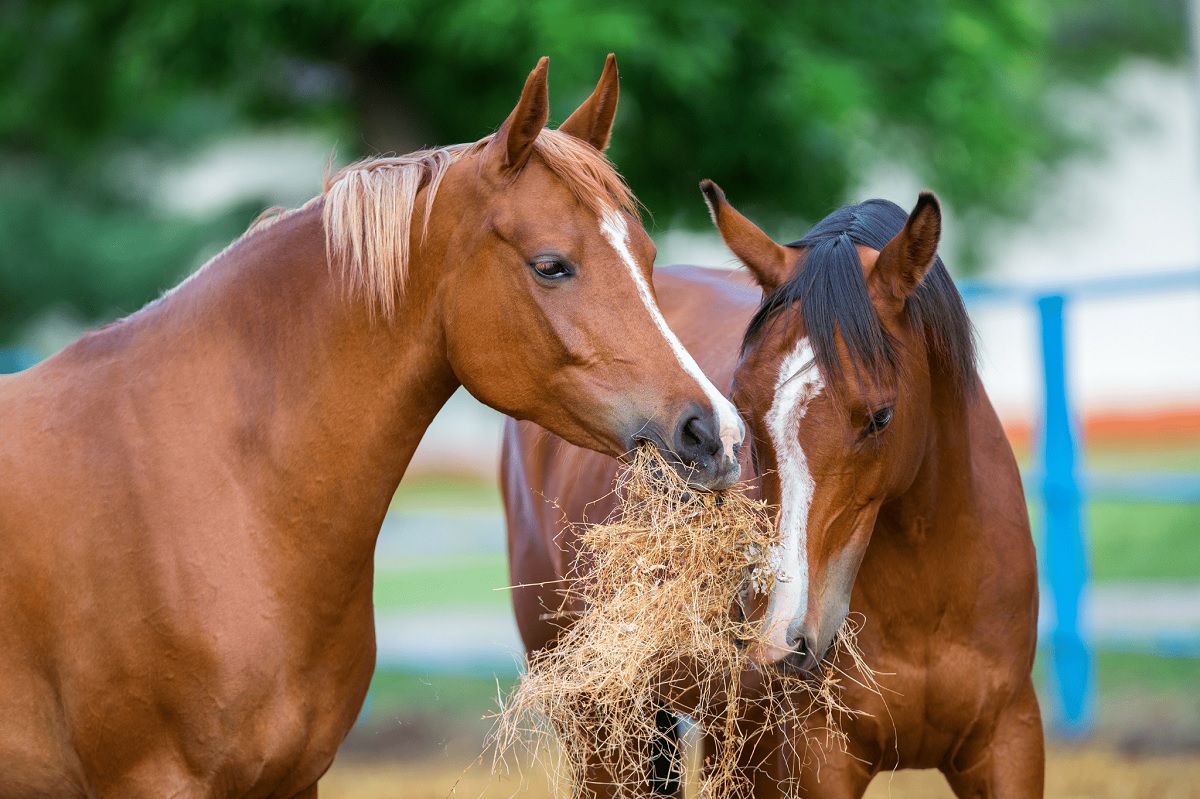
How Much Does Horse Feed Cost: Budgeting for Your Equine Companion
Owning a horse comes with many responsibilities, and one of the most significant expenses is feeding. Understanding the costs associated with daily nutrition helps you plan your budget and provide the best care for your horse. From hay and grain to supplements and pellets, the price can vary depending on the type, quality, and region. Knowing how much does horse feed cost allows you to anticipate monthly and annual expenses more accurately.
The cost of feeding a horse is influenced by factors such as the horse’s size, age, activity level, and dietary requirements. Performance horses or growing young horses often need more nutrient-rich feed, while older or less active horses may require less. These differences impact both the quantity and type of feed you provide.
Comparing different feed types, such as alfalfa, oats, or commercial pellets, helps you balance cost and nutritional value. Regularly monitoring consumption and adjusting portions prevents waste, ensuring that your horse receives adequate nutrition without unnecessary spending.
Planning ahead for feed costs also includes considering seasonal changes, transportation, and storage. Understanding your horse’s needs and the associated expenses allows you to maintain a consistent feeding routine while keeping costs manageable and predictable.
Factors That Affect Horse Feed Costs
The cost of feeding a horse can vary widely depending on multiple factors. Understanding the elements that influence feed expenses helps you budget effectively and ensure your horse receives proper nutrition. Factors that affect horse feed costs include type of feed, quantity required, age and activity level, health considerations, and geographic location. Paying attention to these aspects allows you to plan for both daily and seasonal feeding needs without compromising quality or your horse’s well-being.
Type and Quality of Feed
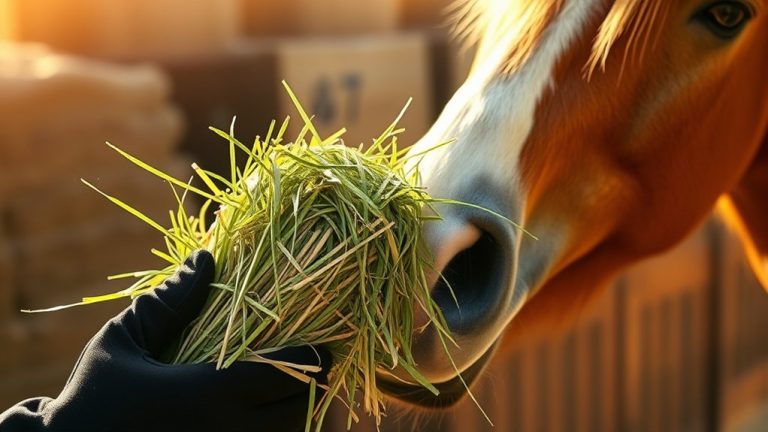
The type and quality of feed are among the most significant factors affecting costs. High-quality forage such as alfalfa, timothy, or mixed grass hay typically costs more than lower-grade hay, but it provides better nutrition and digestibility. Concentrates, grains, and commercial pellets also vary in price depending on protein content, vitamins, and minerals. Horses with specialized diets, such as performance horses or those with metabolic issues, may require premium feeds, which can further increase monthly expenses.
Quality also affects how much your horse consumes. Nutritious, well-balanced feed reduces waste and supports health, potentially lowering veterinary costs in the long run. Conversely, low-quality feed may require larger quantities to meet nutritional needs, increasing overall spending. Balancing cost with quality ensures your horse receives proper nutrition while keeping feed costs manageable.
Horse Size, Age, and Activity Level
The size, age, and activity level of your horse directly impact how much feed they require, influencing overall costs. Larger horses naturally eat more forage and concentrates to maintain body condition, while smaller horses require less. Young horses in growth phases or active performance horses need additional protein, energy, and supplements to support muscle development and endurance.
Older or senior horses may need specialized feed that is easier to digest or fortified with vitamins and minerals, which often comes at a higher cost. Monitoring your horse’s condition and adjusting feed accordingly ensures you provide the right amount of nutrition without overfeeding, helping you control costs while supporting health, performance, and longevity.
Health Conditions and Special Dietary Needs
Health issues and special dietary needs can increase feed costs significantly. Horses with digestive sensitivities, metabolic disorders, or allergies may require specific feeds that are lower in starch or enriched with supplements. Feeding multiple types of pellets, soaked hay, or prescription feeds can be more expensive than standard hay and grain combinations.
Veterinary guidance is often necessary to manage these conditions, and adhering to specialized diets ensures your horse remains healthy and avoids costly complications. Proper planning and budgeting for health-related feed requirements help you maintain both safety and nutrition without unexpected financial strain.
Geographic Location and Seasonal Variations
Where you live and seasonal changes also affect horse feed costs. Prices vary based on local availability, transportation, and regional demand. Areas far from hay production regions may experience higher costs due to shipping, while local sourcing can be more economical. Seasonal factors, such as winter when pasture grazing is limited, often require more stored hay or supplemental feed, increasing costs during colder months.
Planning for seasonal variations and exploring local feed sources can help reduce expenses. Buying in bulk, negotiating with suppliers, or using long-term storage options may also lower costs. Understanding how location and seasonality impact feed prices allows you to anticipate changes and maintain consistent nutrition throughout the year.
Feed Storage, Handling, and Waste
Another factor influencing costs is feed storage, handling, and potential waste. Proper storage in dry, ventilated areas prevents spoilage, mold, or pests, which can make feed unusable. Poorly stored hay or pellets can lead to waste and additional expenses. Handling practices, such as using appropriate feeders and controlling feeding portions, also affect how efficiently your horse consumes feed.
Monitoring consumption, adjusting portions based on appetite, and storing feed properly minimize waste and optimize spending. Investing in proper storage solutions and adopting careful feeding routines ensures your horse receives consistent nutrition while reducing unnecessary costs.
Calculating Daily and Monthly Expenses
Understanding the cost of feeding a horse requires breaking expenses down into daily and monthly amounts. Calculating daily and monthly expenses allows you to budget accurately, compare feed types, and plan for seasonal changes. Knowing these costs helps prevent unexpected financial strain while ensuring your horse receives adequate nutrition. Careful calculation also helps optimize feeding practices, reduce waste, and maintain consistent quality in your horse’s diet.
Estimating Daily Feed Costs
To estimate daily feed costs, start by determining the amount of forage and concentrate your horse consumes each day. For example, a 1,000-pound horse may eat 15–20 pounds of hay plus 5–10 pounds of alfalfa pellets or grain daily. Multiply the weight of each feed type by its cost per pound to calculate the daily expense.
Include any supplements, vitamins, or special feeds your horse requires, as these contribute to overall daily costs. Monitoring consumption regularly ensures accurate calculations, allowing you to adjust for changes in workload, season, or body condition. Tracking daily expenses provides insight into your horse’s nutritional budget and identifies areas where costs can be managed efficiently.
Calculating Monthly Expenses
Once daily costs are established, monthly expenses are easy to estimate. Multiply the total daily feed cost by the number of feeding days in a month, typically 30 or 31. For example, if daily feed costs are $8, the monthly expense would be roughly $240. Include additional items such as hay delivery fees, supplements, or seasonal feed adjustments to account for variations.
Monthly calculations help you plan for recurring purchases and prevent shortages. They also provide a clear picture of your overall budget, allowing you to prioritize feed quality and make cost-effective decisions. Regularly reviewing monthly expenses ensures that you are prepared for fluctuations and can maintain consistent nutrition for your horse.
Adjusting for Seasonal and Activity Changes
Horse feed expenses are not static; they change with season and activity level. During winter, pasture availability may decrease, requiring more hay or supplemental feed. Conversely, horses with higher activity levels, such as performance horses, need more concentrates to maintain energy and body condition. Adjusting your calculations based on these factors ensures accurate budgeting.
Tracking changes in consumption, observing body condition, and noting variations in activity helps refine both daily and monthly cost estimates. By planning for seasonal and workload-related adjustments, you can prevent overfeeding, reduce waste, and maintain optimal nutrition year-round. Accurate monitoring ensures both financial and nutritional stability.
Including Miscellaneous Costs
In addition to feed, miscellaneous costs can impact your monthly budget. Transportation fees for bulk hay delivery, storage solutions, or equipment such as slow feeders or tubs all add to expenses. Accounting for these items in your calculations ensures a realistic estimate of what feeding your horse truly costs.
Keeping records of all feed-related purchases, including supplements and specialty items, helps identify trends and potential savings opportunities. Factoring in miscellaneous costs provides a comprehensive picture of your feeding expenses, allowing you to make informed financial decisions while maintaining your horse’s health and dietary needs.
Additional Considerations
Beyond daily and monthly feed costs, several additional factors can influence how much you spend on feeding a horse. Additional considerations include feed storage, quality control, seasonal changes, and unique dietary needs. Being aware of these factors helps you manage costs effectively while ensuring your horse receives balanced nutrition and maintains optimal health throughout the year. Planning ahead reduces waste and prevents unexpected expenses.
Feed Storage and Handling
Proper feed storage is essential for both cost management and horse health. Hay, grain, and pellets must be stored in dry, ventilated areas to prevent mold, spoilage, and contamination. Moist or improperly stored feed can lead to significant waste and may pose serious health risks, such as colic or respiratory issues. Using secure bins, pallets, or hay racks helps maintain feed quality and reduces loss.
Handling practices also impact cost efficiency. Measuring feed accurately and providing it in controlled portions prevents overfeeding and ensures each horse receives the correct amount. Regularly checking storage areas for pests, moisture, and debris further protects your investment. Investing in proper storage and handling techniques reduces waste, protects your horse, and maximizes the value of your feed budget.
Seasonal and Regional Influences
Seasonal changes affect feed costs because pasture availability fluctuates. During winter or drought periods, horses rely more on hay or supplemental feed, which can increase expenses. Conversely, spring and summer pastures may reduce hay requirements, lowering overall costs. Planning for seasonal variations allows you to purchase feed in bulk or arrange timely deliveries to manage both quality and price.
Regional factors also play a role. Feed prices can vary depending on local availability, transportation costs, and regional demand. Areas far from hay production or feed mills often see higher prices. Understanding local market trends and planning purchases in advance can help you minimize costs while maintaining consistent nutrition throughout the year.
Special Dietary Needs
Horses with unique dietary requirements can influence your feeding budget. Senior horses, those with metabolic issues, or performance horses may require specialized feeds, supplements, or fortified pellets. While these items can increase monthly costs, they are essential for maintaining health, energy levels, and performance. Proper planning ensures you provide the necessary nutrition without overfeeding or wasting resources.
Monitoring health, body condition, and digestion is key to adjusting feeding programs for horses with special needs. Consulting with a veterinarian or equine nutritionist helps determine the most cost-effective and safe approach. Accounting for these dietary considerations prevents long-term health problems and keeps feeding expenses manageable.
Waste Reduction and Cost Efficiency
Minimizing feed waste is another important consideration for controlling costs. Proper feeding equipment, such as slow feeders or secure tubs, encourages slower consumption, reduces spillage, and prevents horses from trampling hay. Feeding smaller, more frequent meals can also improve intake efficiency and digestion, reducing leftover feed.
Monitoring feeding routines and adjusting portions based on consumption and seasonal factors ensures resources are used efficiently. Keeping records of feed usage, spoilage, and preferences helps you plan purchases more accurately. By addressing waste and efficiency proactively, you can lower feed costs while maintaining optimal nutrition and health for your horse.
FAQs
How Much Alfalfa Pellets Should I Feed My Horse Daily?
The daily amount of alfalfa pellets depends on your horse’s weight, age, and activity level. Generally, horses eat 1–2% of their body weight in forage per day, and pellets can replace a portion of this. For example, a 1,000-pound horse might need 5–10 pounds of alfalfa pellets daily, divided into smaller meals to prevent digestive upset.
Monitoring your horse’s body condition, energy, and stool quality helps determine if the portions are appropriate. Adjusting feed gradually ensures your horse receives the right nutrients without overfeeding, supporting both health and performance.
Can I Feed Only Alfalfa Pellets Without Hay?
Feeding only alfalfa pellets is not recommended because horses need long-stem forage to maintain gut health. While pellets provide protein and nutrients, they lack the fiber structure required for proper chewing, saliva production, and digestion. Combining pellets with hay or pasture ensures proper digestive function and nutrient balance.
Introducing pellets gradually while maintaining sufficient hay intake helps your horse adjust safely. Observing stool consistency, appetite, and overall behavior ensures that your horse receives balanced nutrition without risking colic or weight issues.
How Should I Divide Alfalfa Pellets Throughout The Day?
Dividing alfalfa pellets into multiple small meals promotes proper digestion and prevents overeating. Horses are natural grazers, and offering pellets in 2–3 smaller feedings mimics natural grazing patterns, allowing nutrients to be absorbed steadily.
This approach also reduces the risk of choking or colic, particularly for horses that eat quickly. Gradual introduction and careful monitoring of your horse’s eating habits ensure safety and maximize the nutritional benefits of alfalfa pellets.
Does My Horse’s Activity Level Affect How Much Pellets I Feed?
Yes, activity level directly influences how much alfalfa pellets your horse requires. Horses with higher workloads, such as performance or competition horses, need more protein and energy to maintain stamina and support muscle recovery. Alfalfa pellets can supplement hay to meet these requirements.
For less active horses, lower amounts are sufficient to prevent weight gain or digestive upset. Monitoring energy levels, body condition, and performance helps you adjust feeding to match workload and ensure optimal health.
Should I Soak Alfalfa Pellets Before Feeding?
Soaking alfalfa pellets is recommended for horses with dental issues, older horses, or those prone to choking. Water softens the pellets, making them easier to chew and swallow while improving digestibility. Soaked pellets also mix well with other feeds, promoting a balanced intake.
Allow pellets to absorb water for several minutes until they form a mash-like consistency. Observing how your horse eats soaked pellets helps ensure safe consumption, proper digestion, and effective nutrient absorption.
How Do I Know If I’m Feeding Too Much or Too Little?
You can gauge proper feeding by observing your horse’s body condition, energy levels, and stool quality. Overfeeding may lead to weight gain, loose stools, or hyperactivity, while underfeeding can result in weight loss, dull coat, or lethargy.
Adjust portions gradually based on these observations, considering your horse’s age, workload, and forage intake. Consistently monitoring and tweaking feeding amounts ensures your horse receives adequate nutrition without digestive issues or wasted feed.
Final Thoughts
Feeding a horse the right amount of alfalfa pellets is essential for maintaining health, energy, and proper digestion. Horses vary in size, age, workload, and metabolism, so their dietary needs must be evaluated individually. Monitoring body condition, observing behavior, and adjusting portions gradually are key practices to ensure your horse thrives without experiencing digestive upset or weight issues.
Introducing alfalfa pellets slowly and dividing the daily ration into smaller meals helps prevent colic, bloating, or overeating. Horses with specific health concerns, such as insulin resistance, ulcers, or metabolic conditions, require additional care and consultation with a veterinarian before adjusting feeding amounts. Proper hydration and combining pellets with other forage also enhance digestion and nutrient absorption.
Understanding [how much alfalfa pellets to feed a horse] goes beyond following a standard guideline. It involves careful observation, individualized adjustments, and balancing overall nutrition. By doing so, you can provide a safe, balanced, and effective diet that supports your horse’s long-term well-being, energy, and performance.